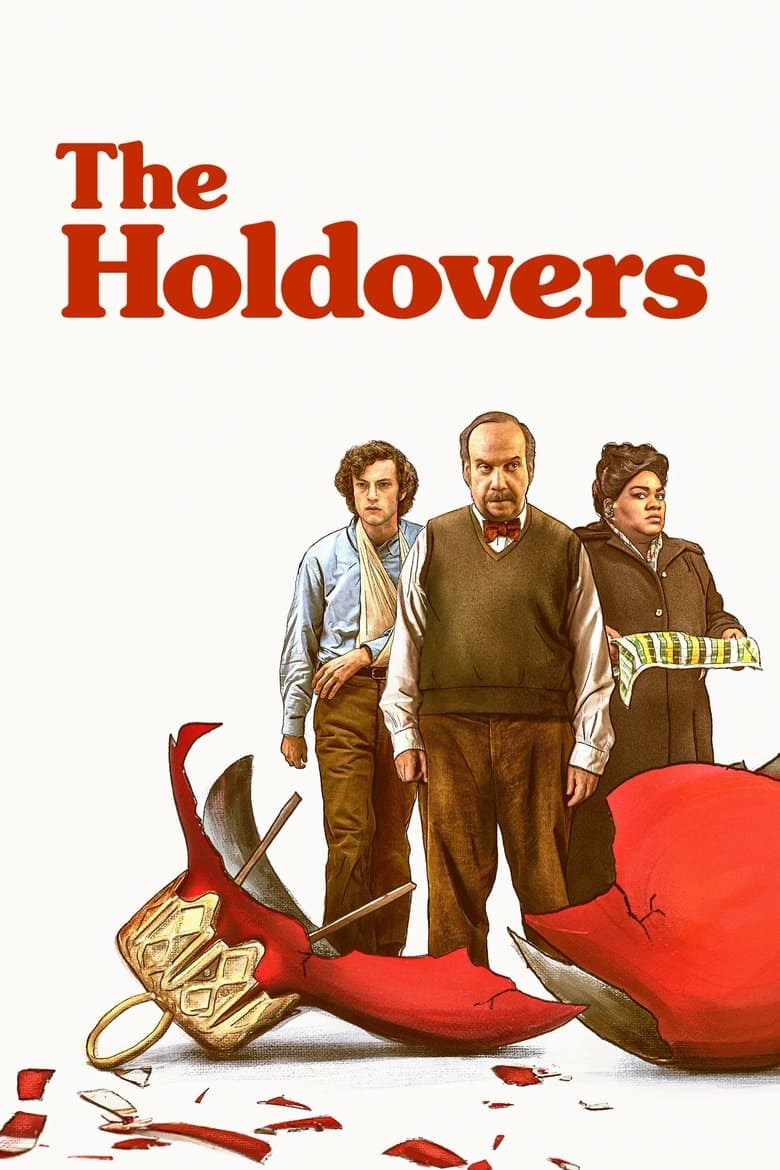
Paul Hunham is a strict, lonely history teacher at a rich boys’ boarding school in New England in 1970. Over Christmas, he must stay on campus and watch the few students who have nowhere to go. Soon only one troubled student, Angus, remains, along with Mary, the school cook who just lost her son in the Vietnam War. The three share a cold break and slowly form an odd, warm bond. The tone mixes sharp humor with sadness and quiet hope.
The film’s heart is grief, loneliness, and people who feel left behind. Viewers also see clear class tension: rich kids get breaks, donors push the school around, and Mary’s son died in the war because he could not buy his way out with college. A party speech about the rich “1%” and talk about unfair draft rules make that point easy to hear. Race shows up mainly through Mary as a black working mother on a mostly white campus, tied to that class and war story. A normal viewer would notice the rich-vs-poor school critique more than modern identity lectures or activist messaging.
Community feedback
Was our 30% Woke rating accurate?
Breakdown
These are the editorial factors and ratings behind our score for The Holdovers.
Woke representation / casting
Third lead is black cook Mary at a mostly white 1970 prep school; a Korean student appears briefly. Race fits the time and the draft/class plot rather than modern “brilliant leader” identity casting. Awards talk stressed black women and representation, but the film sells Mary as a grieving mother first.
22%
Woke political dialogue
Clear lines about the rich “1%,” donor power, and poor kids drafted while rich ones skate. It sounds like 1970 class anger and classic school satire, not long modern activist identity speeches. Viewers hear politics, but lightly.
20%
Identity-driven story themes
Main arc is loneliness, grief, and found family. Class unfairness and a black working mother’s war loss are real and visible, yet they serve character pain more than a race- or gender-identity agenda. No queer plot or identity-swap center.
24%
Western institutional / cultural critique
Elite school protects donors, fails fairness, and punishes a teacher who helps a kid. Draft rules favor the rich. Noticeable rich-vs-poor and prep-school critique, still closer to old-school class satire than modern anti-whiteness or patriarchy lectures.
32%
Woke character or canon changes
Not present in this title.
0%
Anti-woke backlash and complaints
No meaningful right-leaning wave calling the film woke, DEI, or identity propaganda. Coverage was awards praise; left complaints about the cook role do not count here.
0%
Creator track record context
Key creatives’ cached scores are low (Payne ~19; Hemingson and several producers near 0–13). Public framing of this title stayed on craft, period feel, and human stories, with only mild class/race context, not a DEI campaign.
15%
Production
Movie · 2023
Leo and Angela Russo live a simple life in Queens, surrounded by their overbearing Italian-American family. When their son finds success on his high school basketball team, Leo…
Movie · 2017
When dictator Joseph Stalin dies, his parasitic cronies square off in a frantic power struggle to become the next Soviet leader.
Movie · 2022
Two lifelong friends find themselves at an impasse when one abruptly ends their relationship, with alarming consequences for both of them.

Movie · 2024
Mismatched cousins David and Benji reunite for a tour through Poland to honor their beloved grandmother. The adventure takes a turn when the pair's old tensions resurface against…

Movie · 2025
An eccentric lottery winner who lives alone on a remote island tries to make his fantasies come true by getting his favourite musicians to perform at his home.

Movie · 2016
Two high school girls are best friends until one dates the other's older brother, who is totally his sister's nemesis.
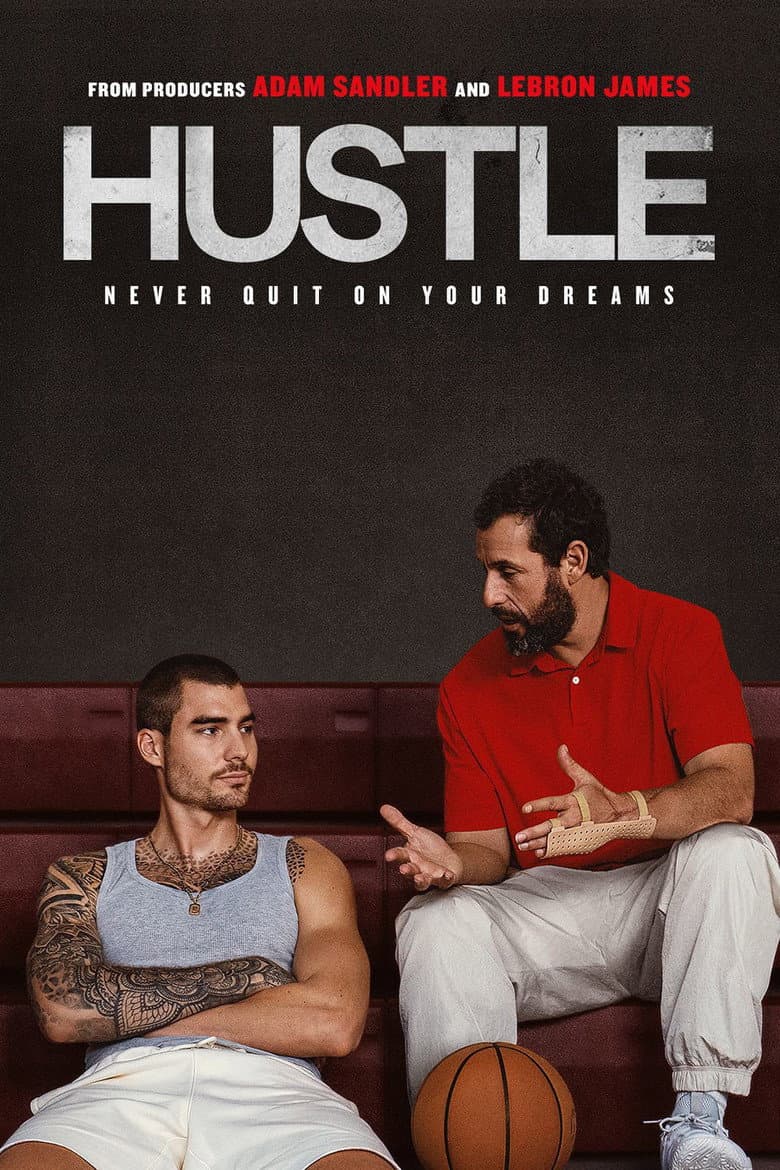
Movie · 2022
After discovering a once-in-a-lifetime player with a rocky past abroad, a down on his luck basketball scout takes it upon himself to bring the phenom to the States without his…
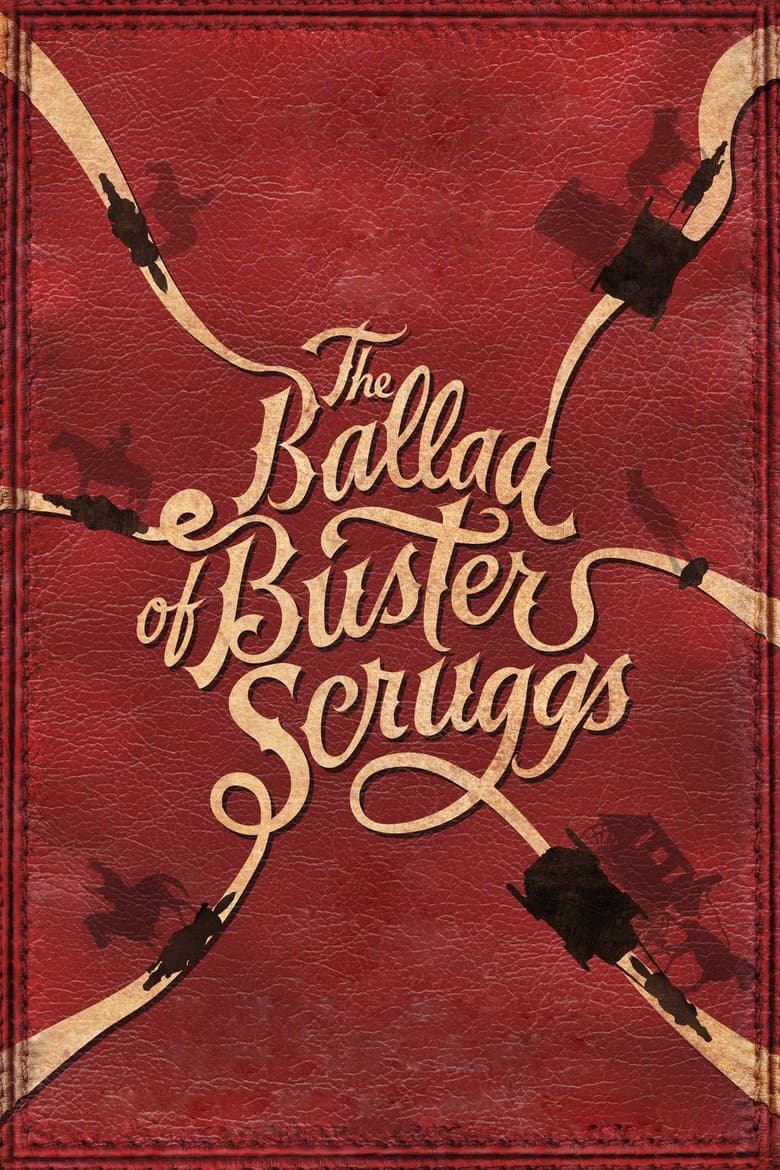
Movie · 2018
Vignettes weaving together the stories of six individuals in the old West at the end of the Civil War. Following the tales of a sharp-shooting songster, a wannabe bank robber, two…
