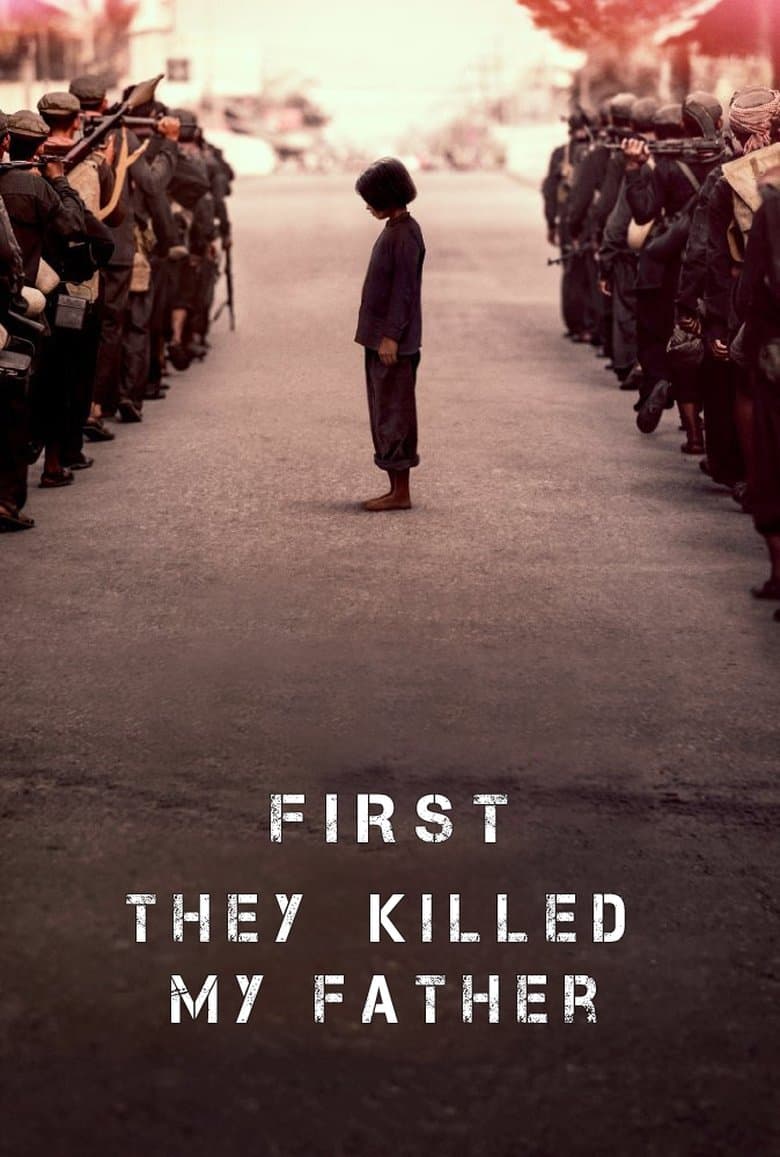
The film follows five-year-old Loung Ung as the Khmer Rouge takes control of Cambodia in 1975. Soldiers force Loung and her family out of Phnom Penh and send them through work camps, hunger, fear, and family separation. Loung must survive while she watches her parents and siblings disappear or die. The tone is grim and frightening, but it also leaves room for family love, beauty, and hope.
The story stays close to a Cambodian girl's view and shows how war harms girls, mothers, and whole families. Loung changes from a playful child into a watchful survivor after she is trained to fight as a child soldier. The film shows the Khmer Rouge using communist slogans, forced sameness, and fear to control daily life. Its main message is about memory, courage, and survival under a cruel government.
Community feedback
Was our 5% Woke rating accurate?
Breakdown
These are the editorial factors and ratings behind our score for First They Killed My Father.
Woke representation / casting
Not present. The film uses Cambodian actors speaking Khmer for a Cambodian story set in 1970s Cambodia. The casting fits the setting and memoir instead of making representation the point.
0%
Woke political dialogue
Not present. The film contains Khmer Rouge revolutionary propaganda, but those lines show the regime’s control and violence. The dialogue does not promote modern identity, DEI, or activist ideas.
0%
Identity-driven story themes
Not present. The film follows a young girl because it adapts Loung Ung’s memoir. It shows gendered violence and forced marriage as part of the historical events, not as modern activist messaging.
0%
Western institutional / cultural critique
Not present. The film shows American war involvement and Khmer Rouge hostility to Western influence as historical background. The story does not turn this into a modern attack on Western institutions or social norms.
0%
Woke character or canon changes
Not relevant. The film adapts Loung Ung’s memoir and does not make a reported race, gender, sexuality, or leadership-role swap. The changes mainly compress events for a movie.
0%
Anti-woke backlash and complaints
Not present. Public complaints focused on the child-audition method and the use of Cambodian army members. Those complaints raised production ethics, not woke, DEI, or identity-politics messaging. The supplied X pass also found no anti-woke reaction.
0%
Creator track record context
Angelina Jolie has a mild left-leaning humanitarian record, and Loung Ung has a stronger human-rights and survivor-education record. Rithy Panh’s work centers on memory and opposition to totalitarian rule. Their statements about this film focus on Cambodian history, family, dignity, and survival. The context is broadly humanitarian, but it does not show a modern DEI or identity-politics campaign.
26%
Production
Movie · 2022
Based on a true tragedy, the emotionally triggering film sheds light on the plight of Kashmiri Pandits (Hindus), a religious minority in the 1990s Kashmir valley, who were…
Movie · 2016
After his older brother passes away, Lee Chandler is forced to return home to care for his 16-year-old nephew.
Movie · 2019
Richard Jewell thinks quick, works fast, and saves hundreds, perhaps thousands, of lives after a domestic terrorist plants several pipe bombs and they explode during a concert…
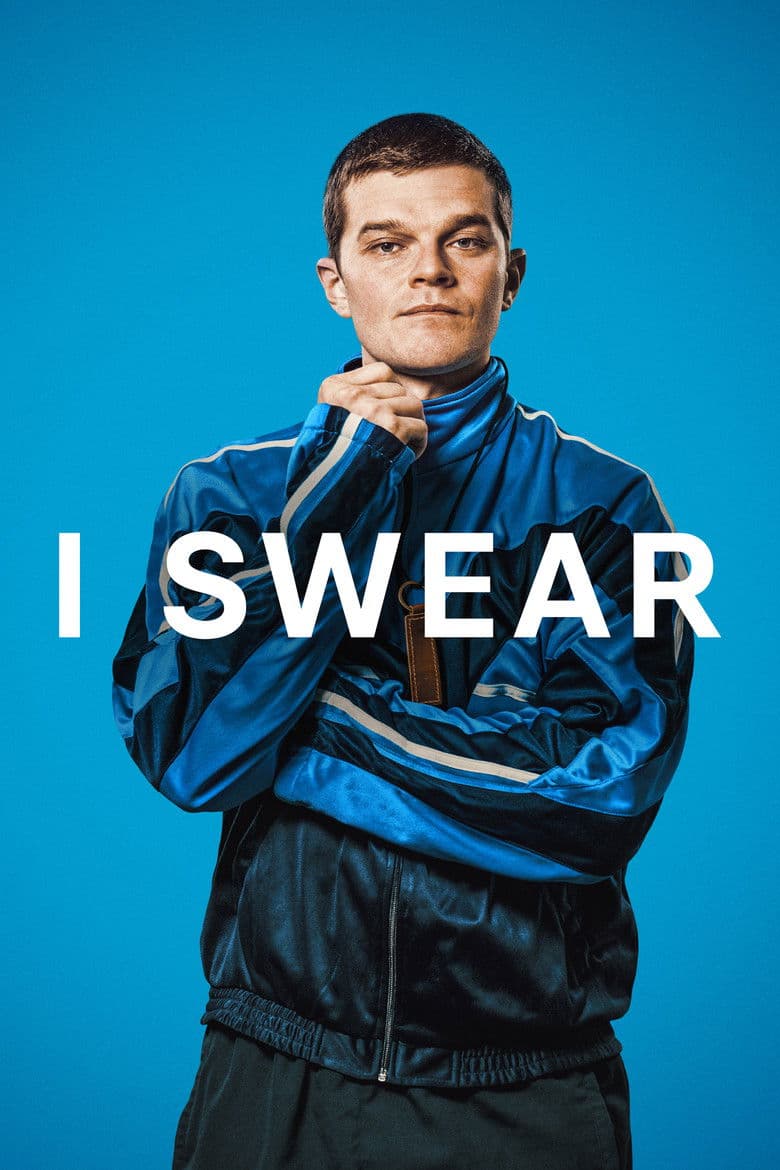
Movie · 2025
Diagnosed with Tourette Syndrome at 15, John Davidson navigates his way against the odds through troubled teenage years and into adulthood, finding inspiration in the kindness of…
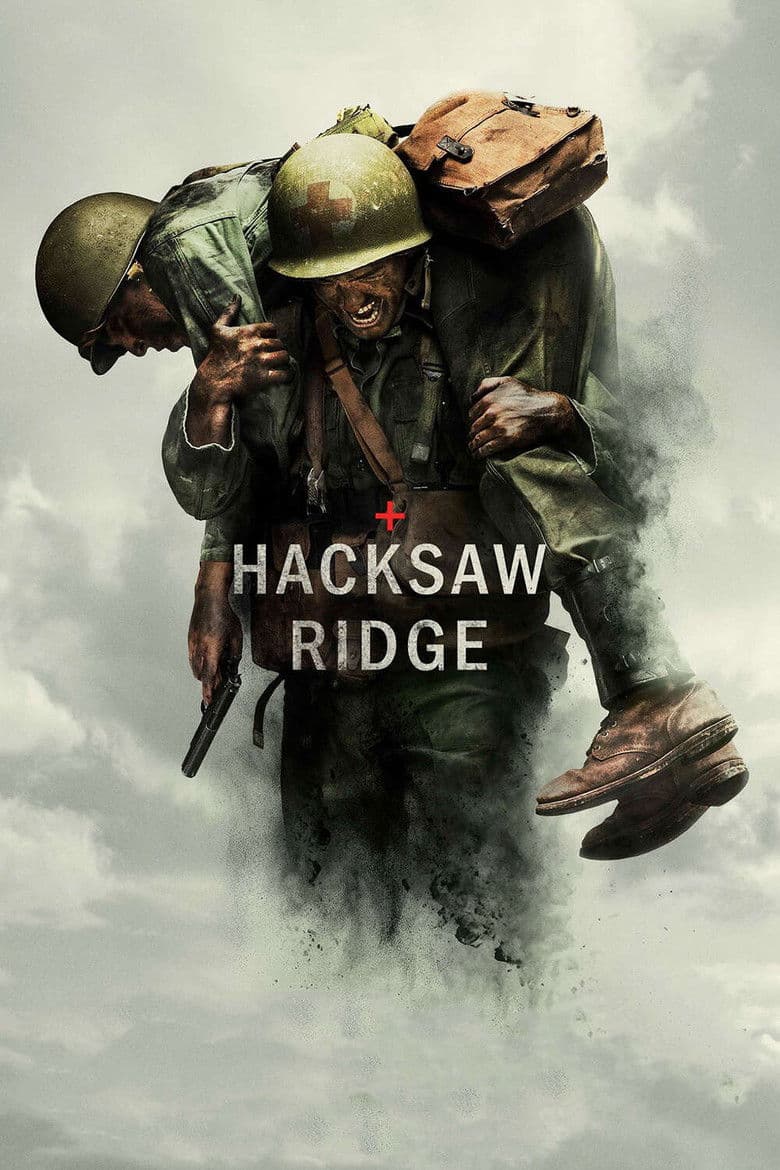
Movie · 2016
WWII American Army Medic Desmond T. Doss, who served during the Battle of Okinawa, refuses to kill people and becomes the first Conscientious Objector in American history to…
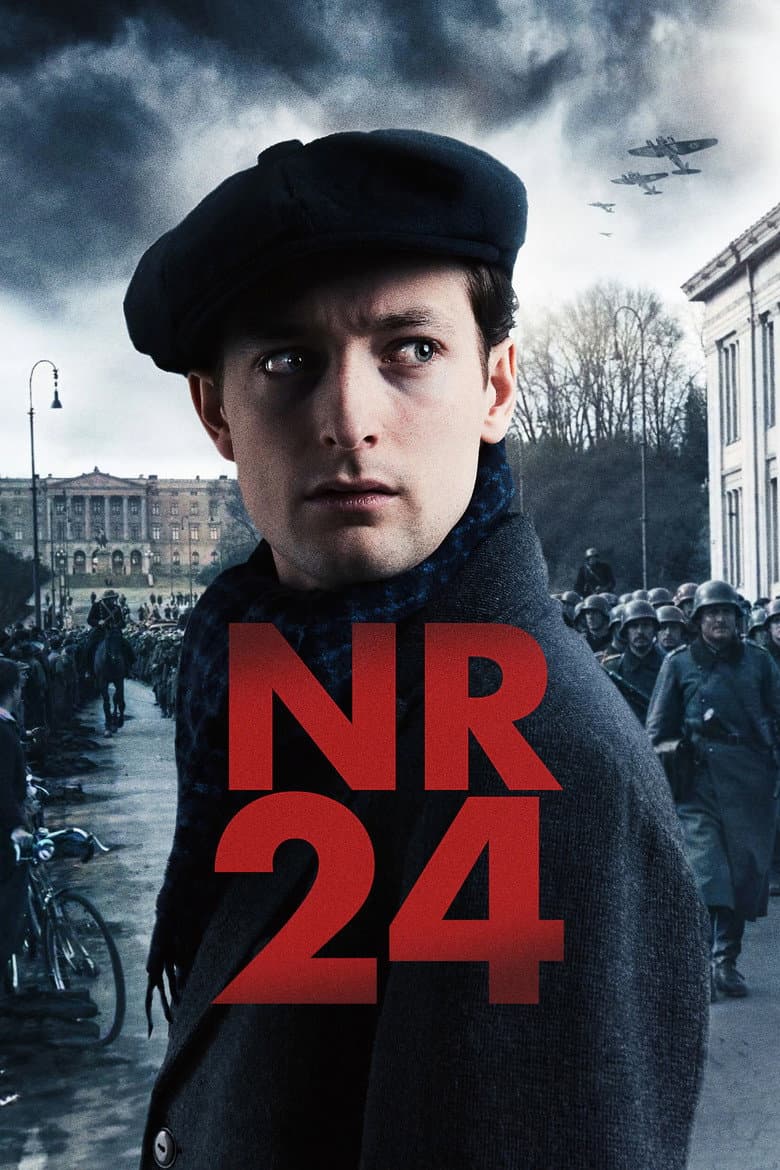
Movie · 2024
On the brink of the Second World War, a young Norwegian man's drive to resist the Nazis sets a new course for his future – and the future of his country.
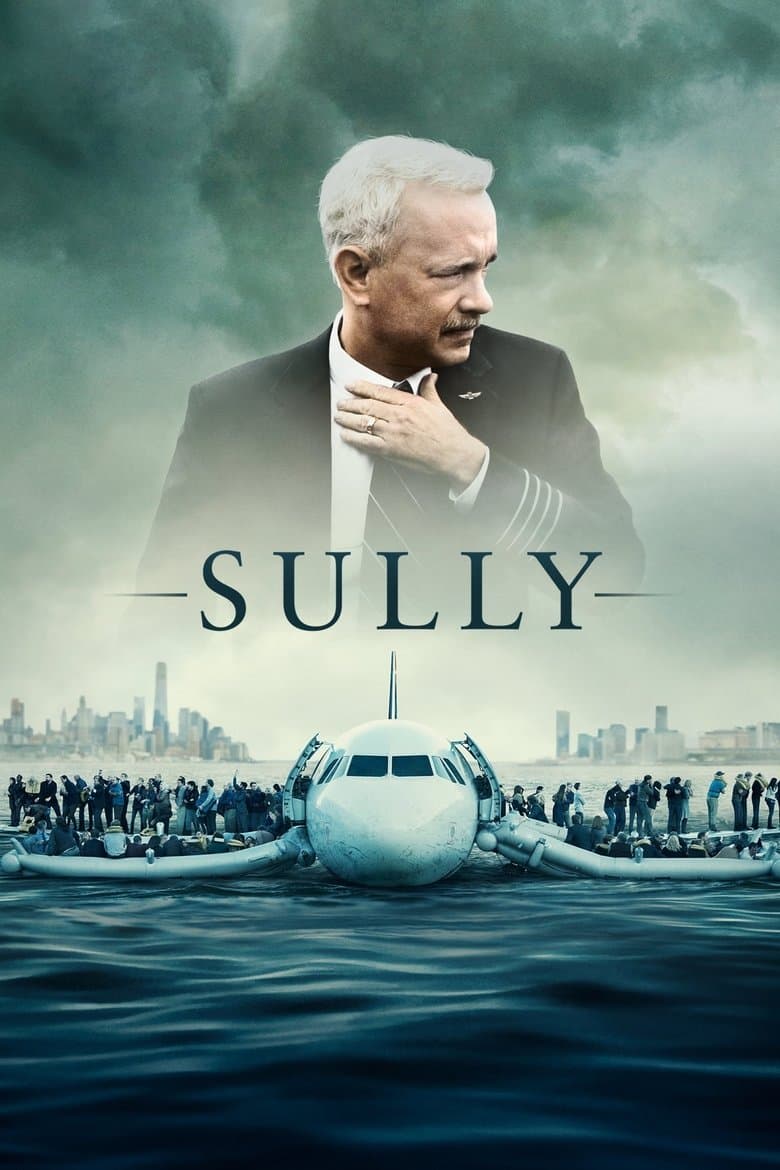
Movie · 2016
On 15 January 2009, the world witnessed the 'Miracle on the Hudson' when Captain 'Sully' Sullenberger glided his disabled plane onto the Hudson River, saving the lives of all 155…
Movie · 2017
Members of the Granite Mountain Hotshots battle deadly wildfires to save an Arizona town.
