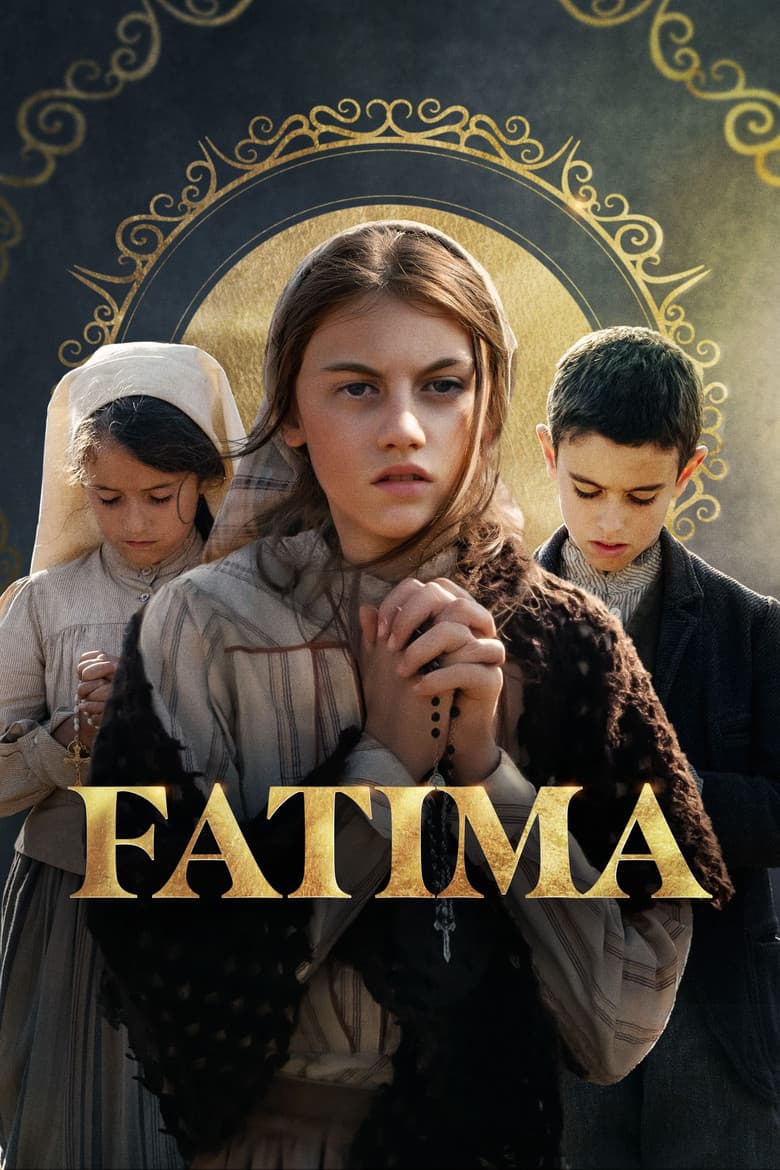
In 1917, Lucia dos Santos is a ten-year-old shepherd girl living near Fatima, Portugal, during World War I. She and her cousins Jacinta and Francisco say that the Virgin Mary appears to them and asks them to pray for peace. Their families, the local priest, and government officials doubt the children and pressure them to change their story. The film has a serious, gentle tone, with fear, grief, faith, and hope at its center.
The film follows Lucia as crowds gather and the children face threats, public pressure, and questions about what they saw. A later story frame shows an older Sister Lucia answering a professor who doubts her, so the film lets belief and doubt speak to each other. The story presents prayer, suffering, and trust in God as answers to war and fear. Lucia’s courage gives a young girl a strong place in the story, while the film keeps its focus on faith, family, and peace.
Community feedback
Was our 2% Woke rating accurate?
Breakdown
These are the editorial factors and ratings behind our score for Fatima.
Woke representation / casting
Not present. The cast is mostly Portuguese and European for a story set in rural Portugal in 1917. The film does not present casting as a modern diversity or identity statement.
0%
Woke political dialogue
Not present. The film includes debate about faith, government control, and war, but those lines belong to the 1917 setting. It does not use modern identity, DEI, or activist language.
0%
Identity-driven story themes
Not present. Lucia’s courage and leadership come from the religious story and her reported experiences. The film does not turn her into a modern gender or identity campaign.
0%
Western institutional / cultural critique
Not present. The mayor and officials oppose the visions because of Portugal’s anti-religious politics and fear of unrest. The story does not turn that conflict into a modern attack on men, families, Christianity, or Western institutions.
0%
Woke character or canon changes
Not relevant. The film changes some details of the reported events and adds a fictional professor. It does not recast a known figure around race, gender, sexuality, or a changed hero role.
0%
Anti-woke backlash and complaints
Not present. X research found no anti-woke posts or specific complaints. Other criticism focused on Catholic accuracy, omitted teachings, and changed details, not on DEI, identity politics, or left-wing messaging.
0%
Creator track record context
Marco Pontecorvo and the writers have no strong public record of DEI or identity-politics activism. Most producers have faith, inspirational, or standard film careers. Natasha Howes has described a company mission to amplify the female voice, but no matching identity message was found in this film.
10%
Production

Movie · 2017
Members of the Granite Mountain Hotshots battle deadly wildfires to save an Arizona town.

Movie · 2022
A quiet, neglected girl is sent away from her dysfunctional family to live with relatives for the summer. She blossoms in their care, but in this house where there are meant to be…

Movie · 2022
London, 1953. Mr. Williams, a veteran civil servant, is an important cog within the city's bureaucracy as it struggles to rebuild in the aftermath of World War II.
Movie · 2017
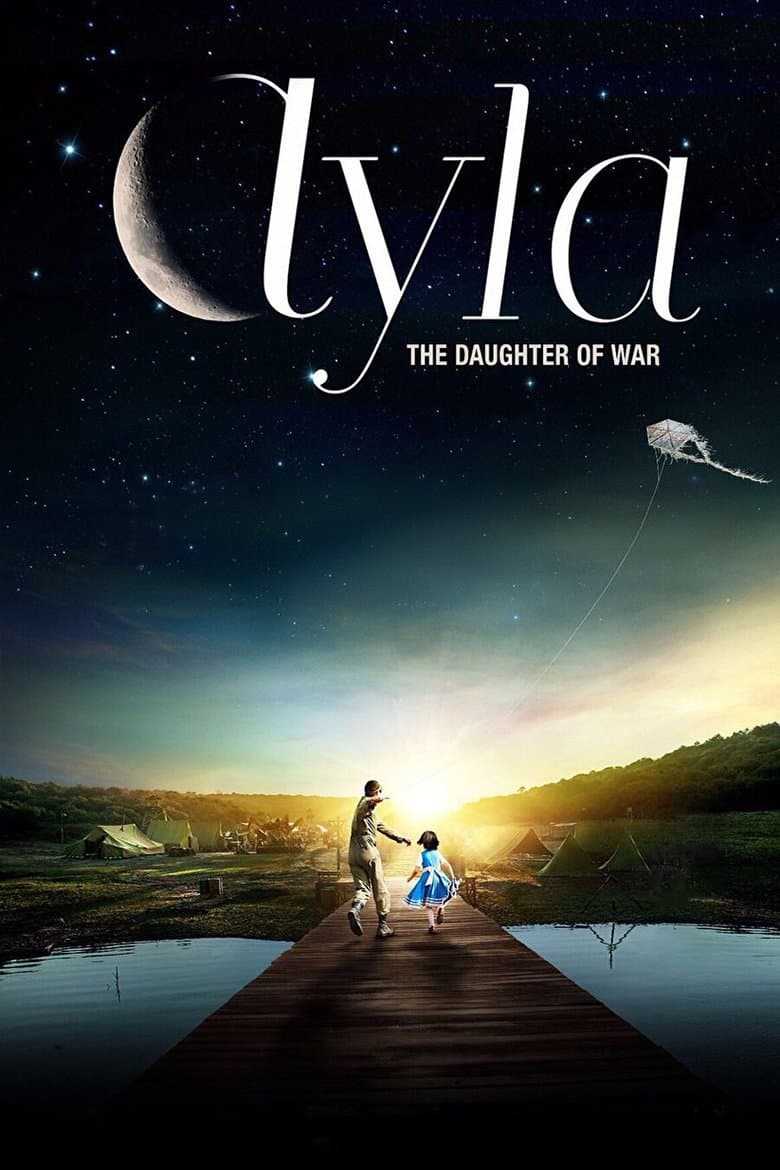
In 1950, amidst the ravages of the Korean War, Sergeant Süleyman stumbles upon a a half-frozen little girl, with no parents and no help in sight and he risks his own life to save…
Movie · 2020
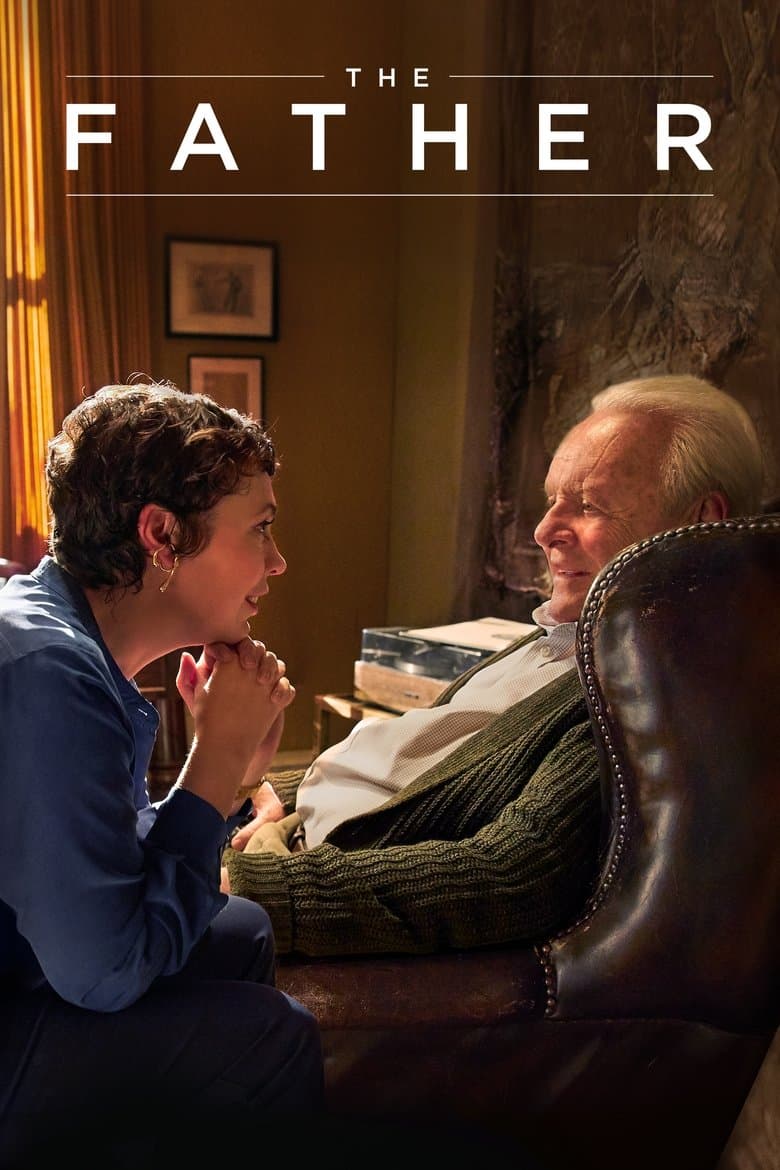
A man refuses all assistance from his daughter as he ages and, as he tries to make sense of his changing circumstances, he begins to doubt his loved ones, his own mind and even…

Movie · 2025
A logger leads a life of quiet grace as he experiences love and loss during an era of monumental change in early 20th-century America.

Movie · 2026
While people across 1990s Iraq struggle to survive the war and food shortages, Saddam Hussein requires each school in the country to prepare a cake to celebrate his birthday.
Movie · 2019
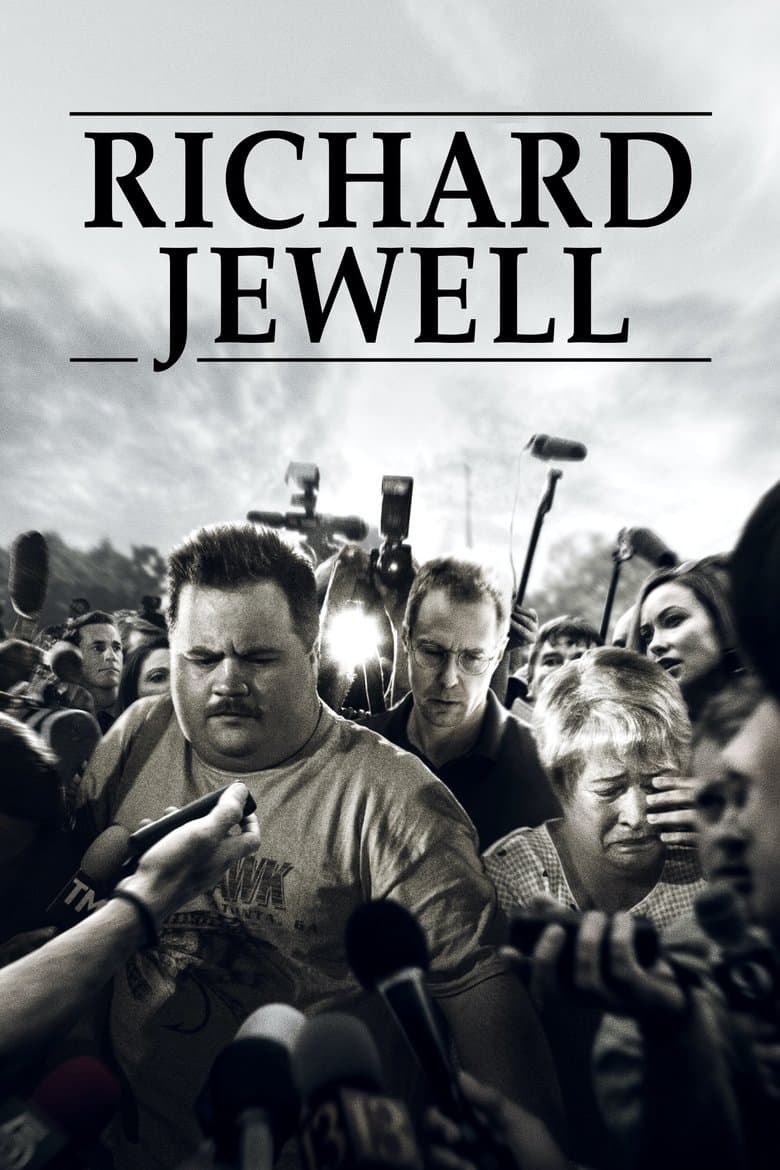
Richard Jewell thinks quick, works fast, and saves hundreds, perhaps thousands, of lives after a domestic terrorist plants several pipe bombs and they explode during a concert…
