
Euphoria follows Ines, an artist living in New York, after her sister Emilie invites her on a secret trip through Europe. Emilie takes Ines to a beautiful private hospice, where she plans to end her life after a final six-day stay. The sisters face old anger from their childhood, their mother’s suicide, and the years they spent apart. The film uses a quiet, strange, and sad tone as the women argue, remember, and slowly move toward peace.
The film gives its strongest attention to women making hard choices about sex, family duty, care, illness, and death. Ines rejects the idea that she must carry Emilie’s happiness, while Emilie treats control over her death as a personal right. Ines also describes a sexual experience with a woman and a man, but the film does not make queer identity its main subject. The hospice offers personal choice with little help from religion, so the story leans toward private freedom and nonreligious answers rather than a shared moral or religious rule.
Community feedback
Was our 32% Woke rating accurate?
Breakdown
These are the editorial factors and ratings behind our score for Euphoria.
Woke representation / casting
The cast is mostly European, and the two sisters are European women who fit the story’s setting. Adrian Lester plays Aron, a visible black hospice worker in the small main cast. Vikander publicly called the film’s cast diverse, which adds a mild identity framing. The film does not make race or quotas part of the plot.
15%
Woke political dialogue
Not present. The characters discuss family duty, free will, illness, and assisted death. They do not use recurring activist, party-political, or identity-politics language.
0%
Identity-driven story themes
The sisters repeatedly argue about women’s freedom, family duty, sex, illness, and the right to choose death. Ines rejects the idea that she must carry Emilie’s happiness or stay tied to family pain. The film includes a brief sexual story about Ines with a woman and a man, but it does not build a queer identity around it. These ideas shape the family drama, but the film treats them as personal questions rather than an activist campaign.
30%
Western institutional / cultural critique
The film questions the traditional idea that family must always come first. Ines says Emilie cannot demand anything from her just because they are sisters. The hospice gives dying people control over their choices and leaves religion outside the main answer. These ideas recur through the family and hospice stories, but the film does not make a broad attack on Western institutions.
26%
Woke character or canon changes
Not relevant. Euphoria is an original story and does not change established characters, canon, or real historical figures.
0%
Anti-woke backlash and complaints
Not present. The available reaction record centers on assisted death, family conflict, and film quality. The supplied X pass found no anti-woke complaints, and one religious review criticized the film’s nonreligious outlook without calling it woke.
0%
Creator track record context
Lisa Langseth often writes about women facing strict social rules and personal choices. Alicia Vikander has supported gender equality, #MeToo, and Black Lives Matter. Vikander and Langseth also discussed women-led work and a diverse cast around Euphoria. The other producers have limited public evidence of activist work. This gives a moderate creator track record context, while the film itself stays focused on family, illness, and death.
40%
Production

Movie · 2023
The true story of the inseparable Von Erich brothers, who made history in the intensely competitive world of professional wrestling in the early 1980s.
Movie · 2025
Diagnosed with Tourette Syndrome at 15, John Davidson navigates his way against the odds through troubled teenage years and into adulthood, finding inspiration in the kindness of…

Movie · 2016
WWII American Army Medic Desmond T. Doss, who served during the Battle of Okinawa, refuses to kill people and becomes the first Conscientious Objector in American history to…
Movie · 2020
A man refuses all assistance from his daughter as he ages and, as he tries to make sense of his changing circumstances, he begins to doubt his loved ones, his own mind and even…

Movie · 2024
On the brink of the Second World War, a young Norwegian man's drive to resist the Nazis sets a new course for his future – and the future of his country.
Movie · 2017
Members of the Granite Mountain Hotshots battle deadly wildfires to save an Arizona town.
Movie · 2023
The story of J. Robert Oppenheimer's role in the development of the atomic bomb during World War II.
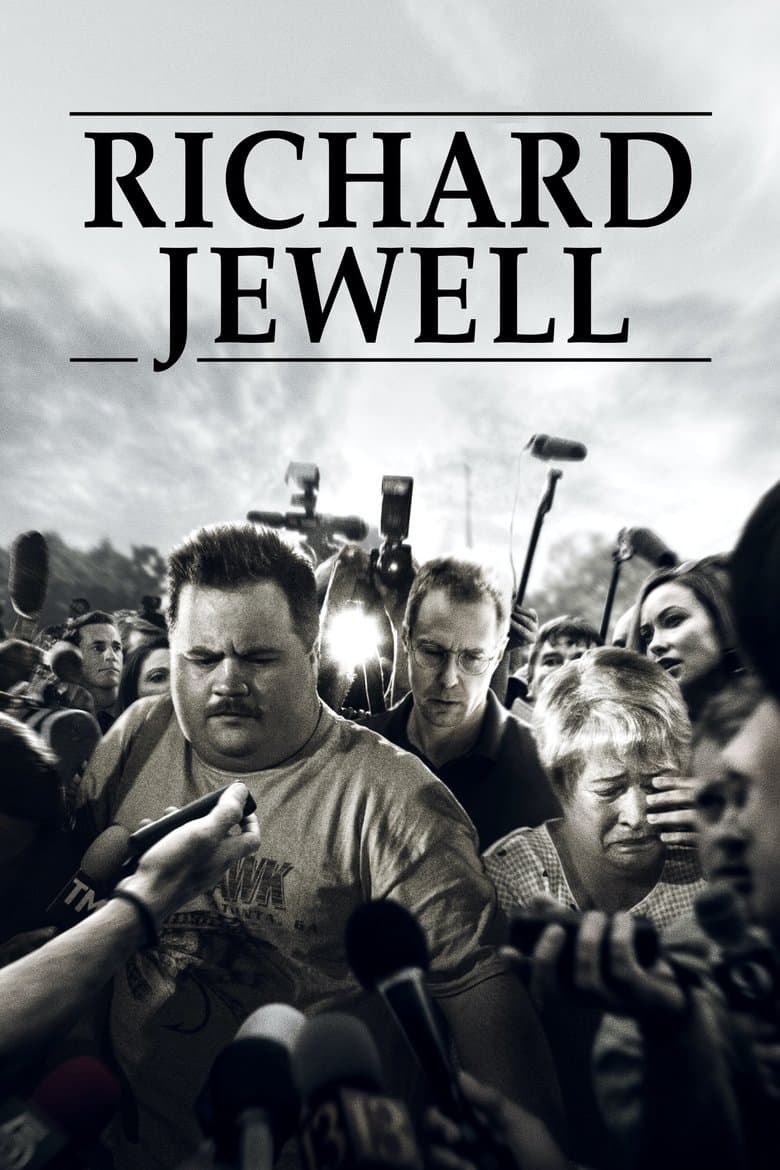
Movie · 2019
Richard Jewell thinks quick, works fast, and saves hundreds, perhaps thousands, of lives after a domestic terrorist plants several pipe bombs and they explode during a concert…
