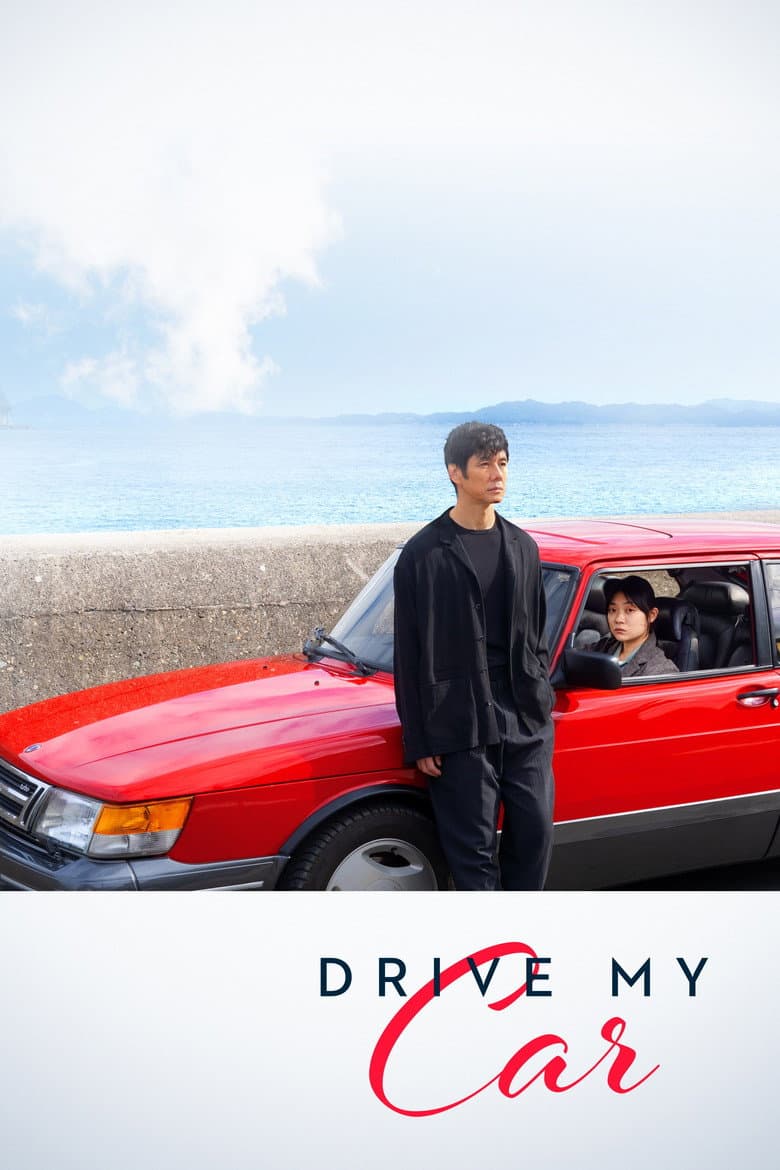
Yusuke Kafuku is a famous stage actor and director in Japan. Two years after his wife Oto dies, he travels to Hiroshima to direct Anton Chekhov’s Uncle Vanya. The theater gives him Misaki, a quiet young woman, as his driver. The long trip between Tokyo, Hiroshima, and later Hokkaido becomes a calm but painful path through grief, guilt, marriage, and memory. Yusuke also has to work beside Koji Takatsuki, a young actor who had an affair with Oto.
The clearest identity-driven element is the play’s planned mix of actors from different countries and language groups. Performers speak Japanese, Korean, Mandarin, Tagalog, and other languages, while Lee Yoon-a performs her lines in Korean Sign Language. The film treats this unusual stage design as a way to make people listen closely and accept forms of speech they do not share. Misaki’s strong driving and emotional insight place a young woman in the role of guide for a troubled older man, but the story does not turn that into a political speech or a broad fight about gender. The main focus stays on private loss, betrayal, forgiveness, and the slow choice to keep living.
Community feedback
Was our 48% Woke rating accurate?
Breakdown
These are the editorial factors and ratings behind our score for Drive My Car.
Woke representation / casting
The theater project brings together Japanese, Korean, Taiwanese, Filipino, and other performers who use their own languages. One major performer uses Korean Sign Language, and the film shows this choice during rehearsals and performances. This is an intentional diversity pattern, although it fits the international theater setting rather than a random group of friends. Japanese leads still carry most of the story, so the pattern is important but not dominant.
46%
Woke political dialogue
Not present. The film has many talks about grief, love, acting, and communication. The characters do not deliver modern identity, DEI, or activist lines.
0%
Identity-driven story themes
The theater plot makes communication across nationalities, languages, and disability a repeated focus. The actors perform Uncle Vanya in Japanese, Korean, Mandarin, Tagalog, and Korean Sign Language. The story treats patient listening and accepting different ways of speaking as a path to human connection. Grief, guilt, marriage, and recovery remain the main subjects, so the identity material is important but not the whole film.
43%
Western institutional / cultural critique
Not present. The film does not attack Western institutions, Christianity, traditional family life, or modern conservatives. Its conflicts concern private grief, artistic work, and past abuse.
0%
Woke character or canon changes
The film expands Murakami’s short story into a larger theater story with a multilingual cast. It adds Lee Yoon-a, a Korean performer who uses Korean Sign Language, as a key part of the play. The film also changes Kafuku into a theater director and adds a large rehearsal story, but those are ordinary plot changes. The identity-related additions are meaningful, yet the film does not swap a known character’s race, sex, or sexuality.
32%
Anti-woke backlash and complaints
Not present. Mainstream coverage and audience discussion focus on grief, acting, subtitles, and the three-hour pace. The supplied X research found no anti-woke complaints, and no sustained anti-woke campaign appears elsewhere.
0%
Creator track record context
Hamaguchi has a recurring interest in grief, how men and women relate, care, and the harm caused by large systems. Oe has made a queer-centered film, and Murakami often writes about vulnerable people, trauma, and pressure from society. The creators do not have a strong record of party politics or DEI branding. This gives the title a moderate socially aware context, but it does not prove that the film carries a stronger message.
40%
Production
Movie · 2022
A quiet, neglected girl is sent away from her dysfunctional family to live with relatives for the summer. She blossoms in their care, but in this house where there are meant to be…
Movie · 2025
Diagnosed with Tourette Syndrome at 15, John Davidson navigates his way against the odds through troubled teenage years and into adulthood, finding inspiration in the kindness of…
Movie · 2025
A logger leads a life of quiet grace as he experiences love and loss during an era of monumental change in early 20th-century America.

Movie · 2016
After his older brother passes away, Lee Chandler is forced to return home to care for his 16-year-old nephew.
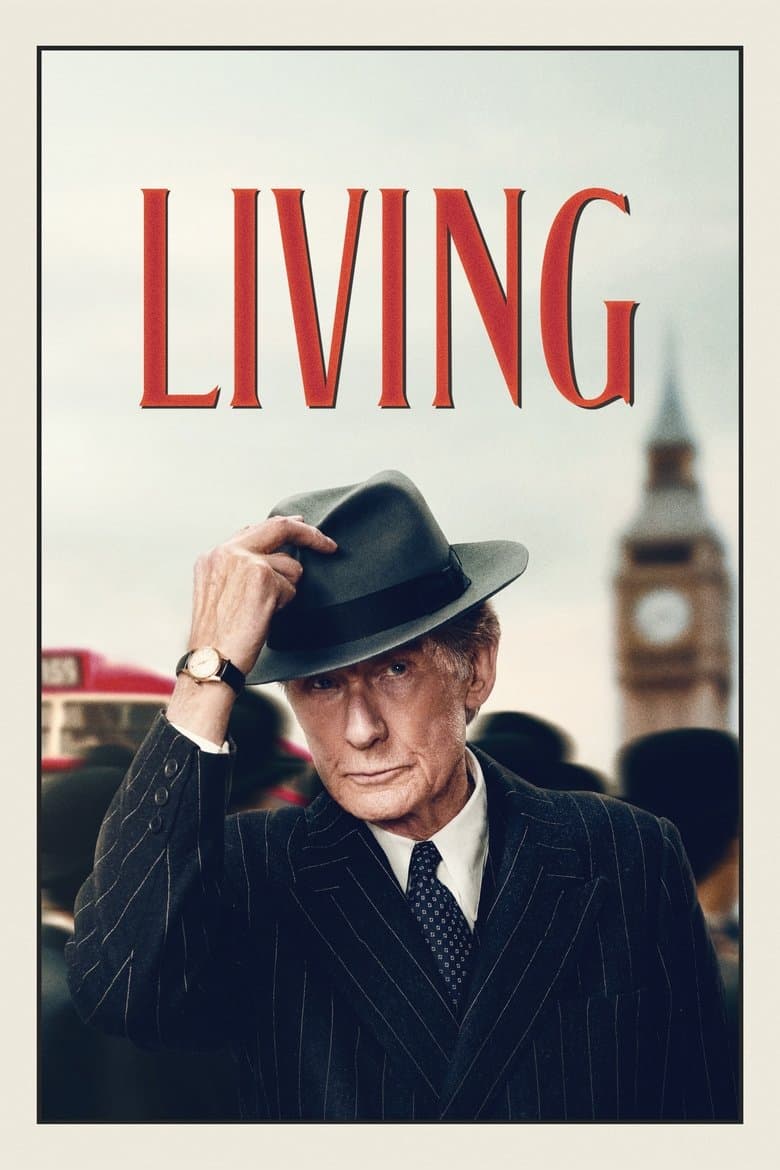
Movie · 2022
London, 1953. Mr. Williams, a veteran civil servant, is an important cog within the city's bureaucracy as it struggles to rebuild in the aftermath of World War II.
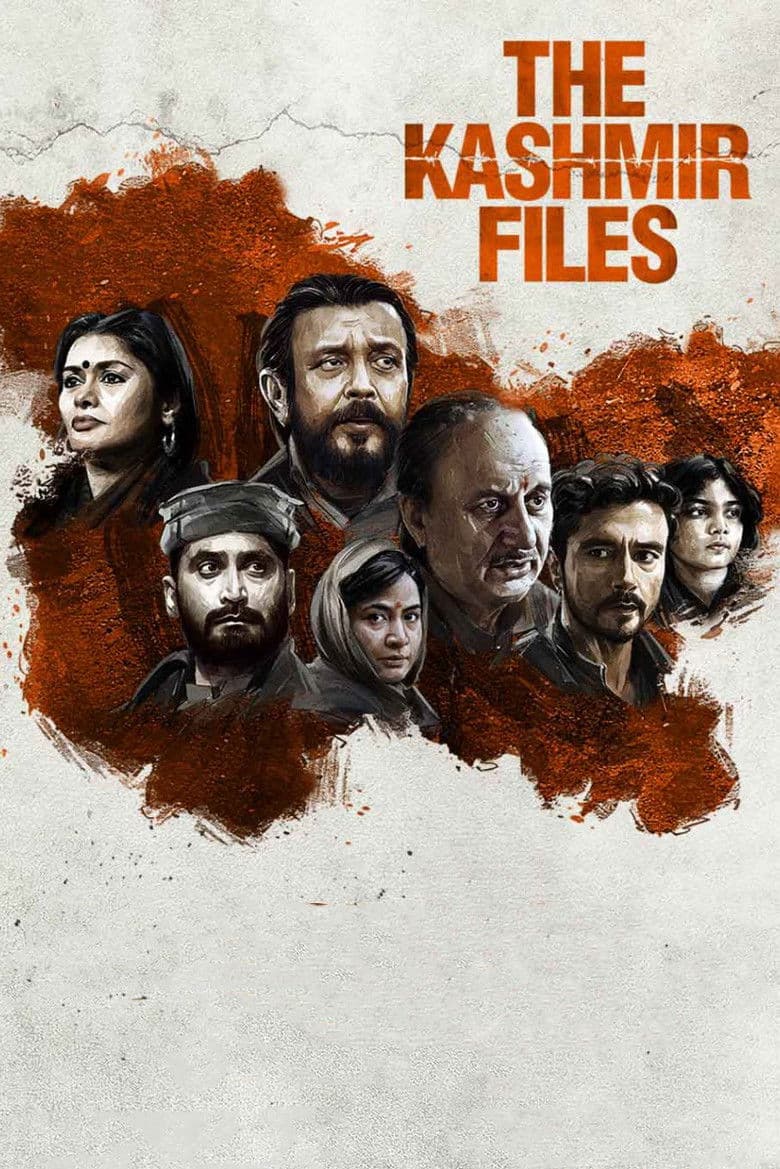
Movie · 2022
Based on a true tragedy, the emotionally triggering film sheds light on the plight of Kashmiri Pandits (Hindus), a religious minority in the 1990s Kashmir valley, who were…
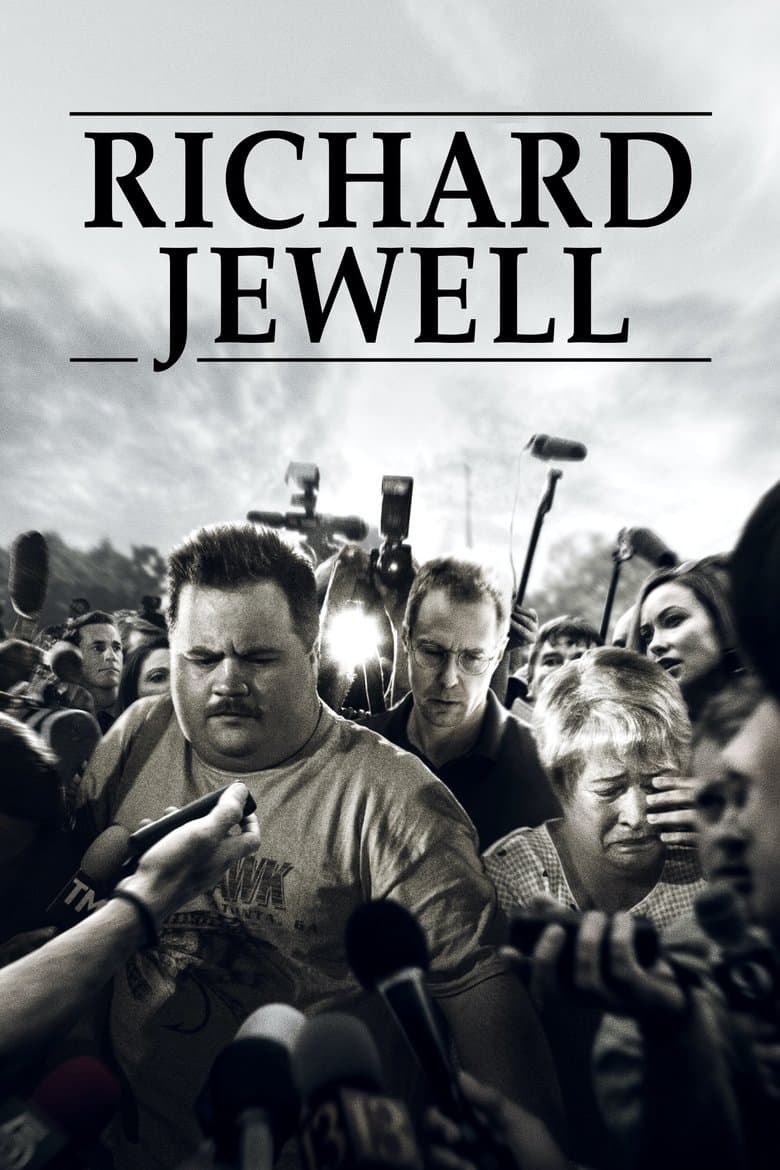
Movie · 2019
Richard Jewell thinks quick, works fast, and saves hundreds, perhaps thousands, of lives after a domestic terrorist plants several pipe bombs and they explode during a concert…
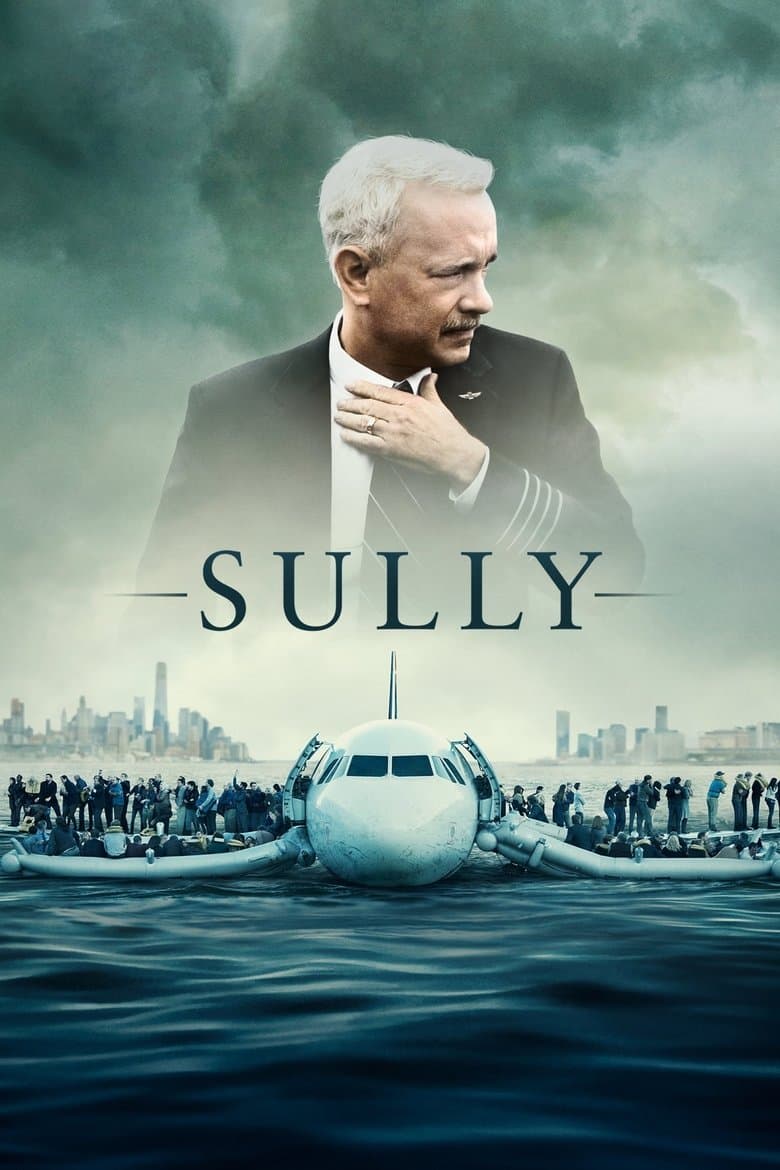
Movie · 2016
On 15 January 2009, the world witnessed the 'Miracle on the Hudson' when Captain 'Sully' Sullenberger glided his disabled plane onto the Hudson River, saving the lives of all 155…
