
Don't Knock Twice follows Jess, a former drug addict and successful sculptor who wants to rebuild her bond with Chloe, the daughter she lost to foster care years earlier. Chloe comes to Jess after she and her boyfriend Danny disturb an abandoned house linked to a child-stealing witch. The mother and daughter face strange visions, missing people, police pressure, and a demon tied to an old local story. The film uses dark country homes and sudden scares, but its main conflict is guilt, broken trust, and a mother's desperate wish to protect her child.
Jess and Chloe carry the story as two women who must face fear, guilt, and damaged trust. Jess is a flawed and often frightened protector, while Chloe is a troubled teenager who needs help. The story treats motherhood, addiction, foster care, shame, and sacrifice as personal problems linked to the supernatural curse. A hidden servant tricks Jess into doing evil, and the bleak ending shows that love and good intentions do not always save a family.
Community feedback
Was our 3% Woke rating accurate?
Breakdown
These are the editorial factors and ratings behind our score for Don't Knock Twice.
Woke representation / casting
Not present. Jess and Chloe are the main women because the story is about a mother and daughter. The film does not frame their casting as a diversity or empowerment statement, and it shows no clear representation-first pattern.
0%
Woke political dialogue
Not present. The dialogue deals with addiction, custody, guilt, and the witch legend. It does not push modern identity, DEI, gender-role, or activist ideas.
0%
Identity-driven story themes
Not present. The main themes are motherhood, family guilt, addiction, fear, and sacrifice. The supernatural plot does not turn these themes into a modern identity or political message.
0%
Western institutional / cultural critique
Not present. Police, foster care, and social workers appear in the plot, but the film does not build a modern activist critique of them. It does not attack traditional family life, Christianity, capitalism, or patriarchy.
0%
Woke character or canon changes
Not relevant. The film uses Baba Yaga and a local ghost story as horror material. It does not make a race, gender, sexuality, or identity-based change to an established character or source.
0%
Anti-woke backlash and complaints
Not present. The supplied X research found no anti-woke reaction. Web and Reddit discussion focused on scares, plot holes, the ending, and Baba Yaga lore, with no clear complaint that the film pushes woke or DEI ideas.
0%
Creator track record context
Producer John Giwa-Amu has publicly supported more diversity and inclusion in the screen industry. Director Caradog W. James and writers Mark Huckerby and Nick Ostler are mainly linked to genre, family, and children’s storytelling rather than identity activism. Other listed crew members have little public record of identity politics work. The film’s interviews and marketing do not connect this background to the story.
15%
Production
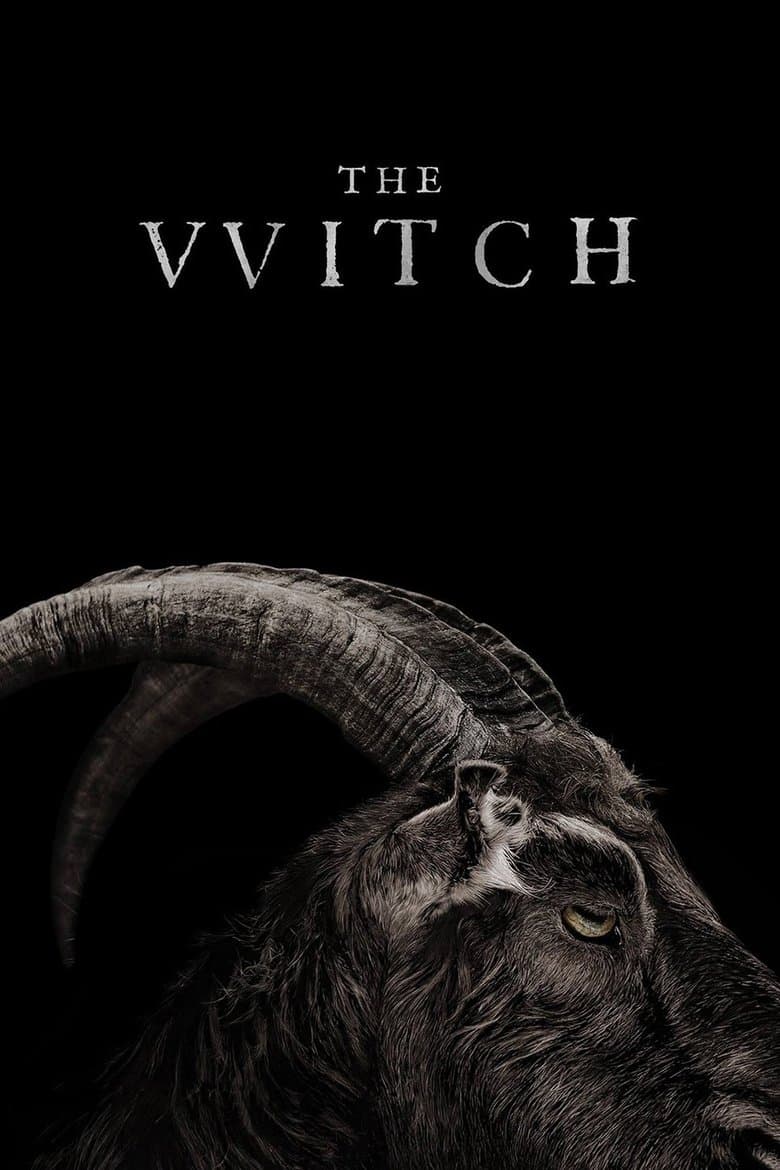
Movie · 2016
In 1630, a farmer relocates his family to a remote plot of land on the edge of a forest where strange, unsettling things happen.
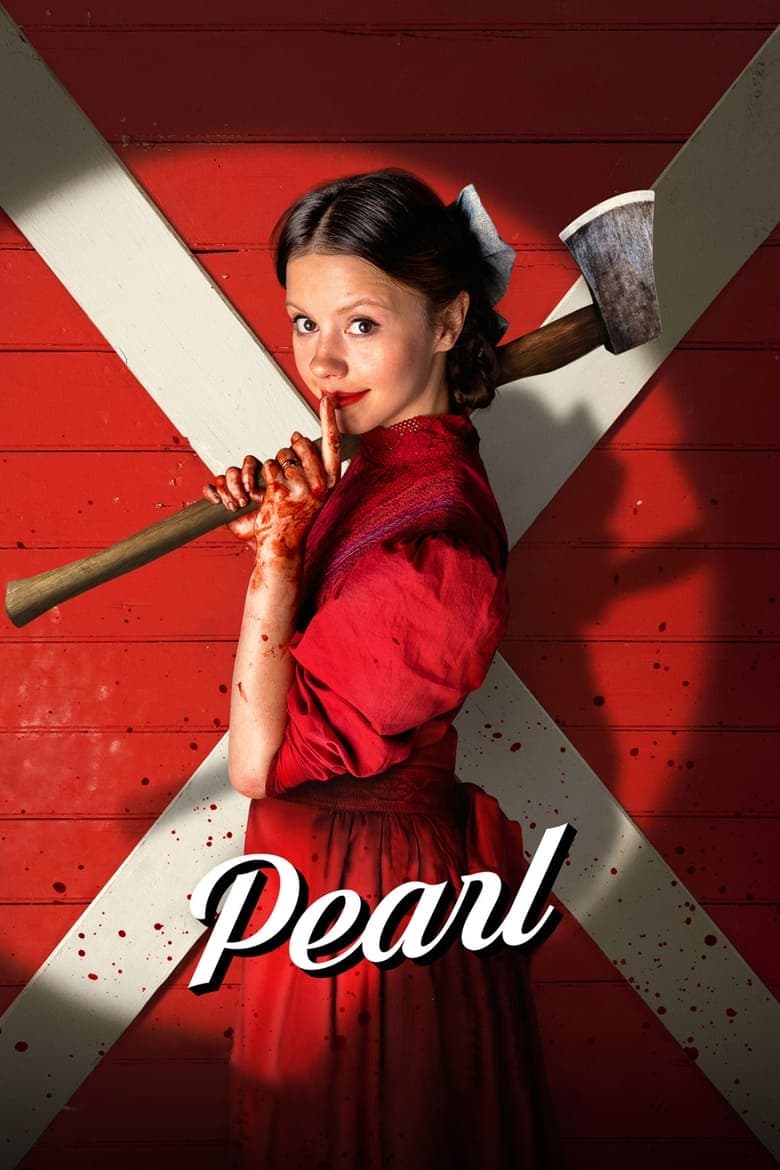
Movie · 2022
Trapped on her family’s isolated farm, Pearl must tend to her ailing father under the bitter and overbearing watch of her devout mother.
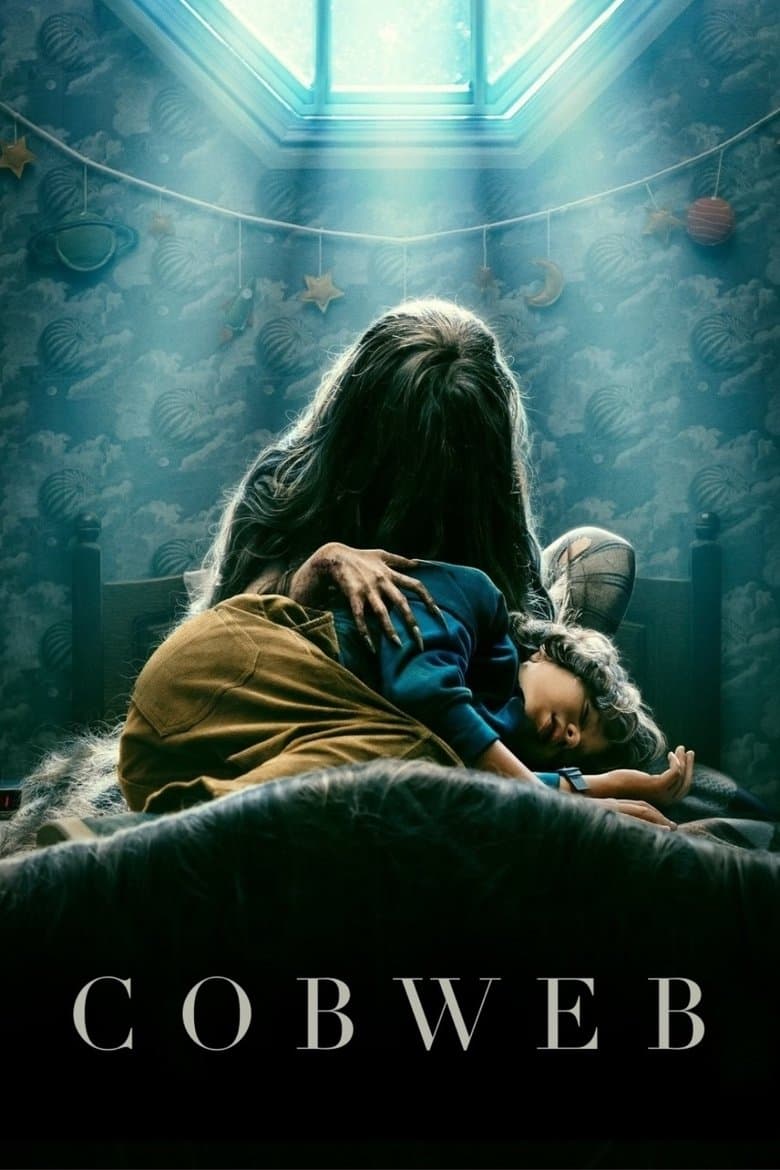
Movie · 2023
Eight year old Peter is plagued by a mysterious, constant tapping from inside his bedroom wall—one that his parents insist is all in his imagination.
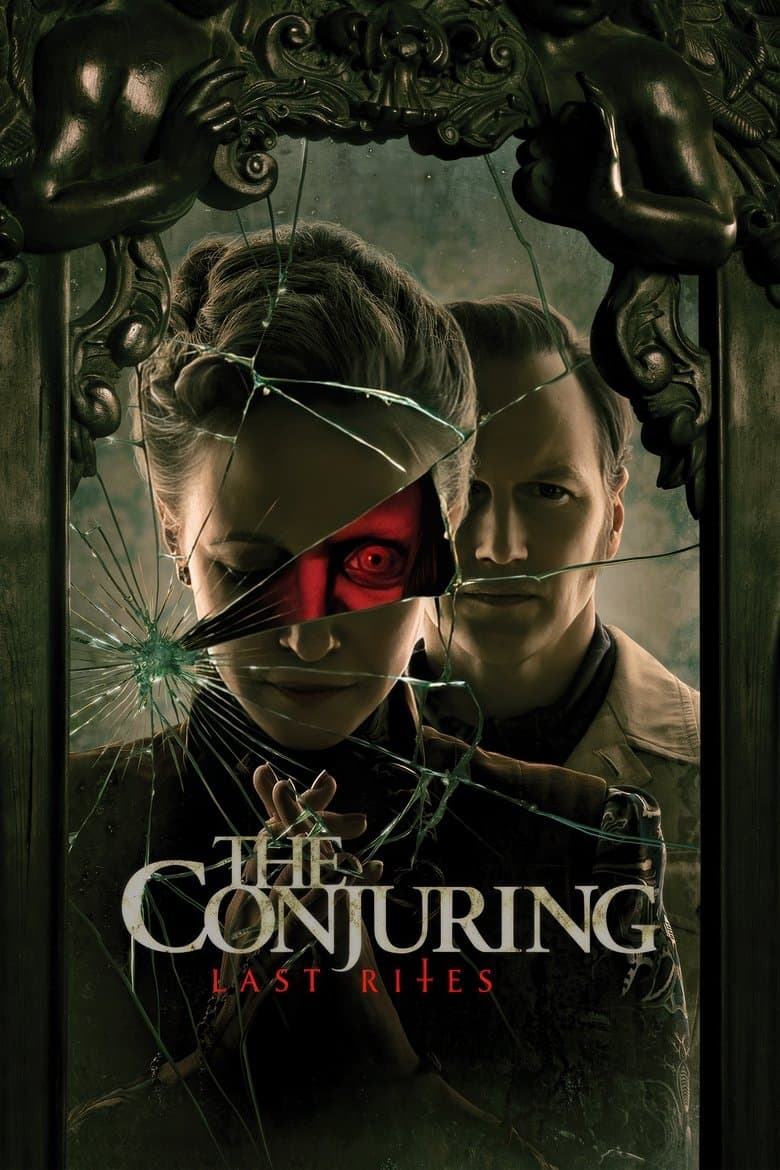
Movie · 2025
Paranormal investigators Ed and Lorraine Warren take on one last terrifying case involving mysterious entities they must confront.
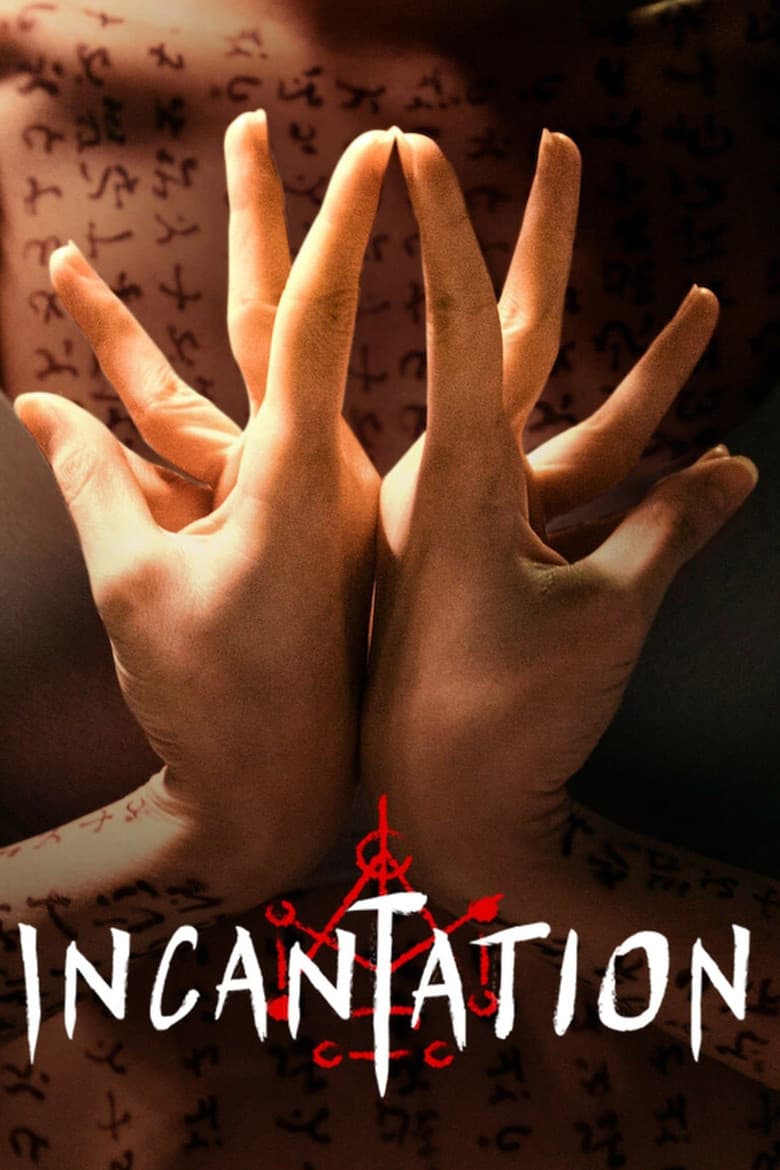
Movie · 2022
Inspired by the true story of a family who believed they were possessed by spirits. This film follows a woman who must protect her child from a curse.
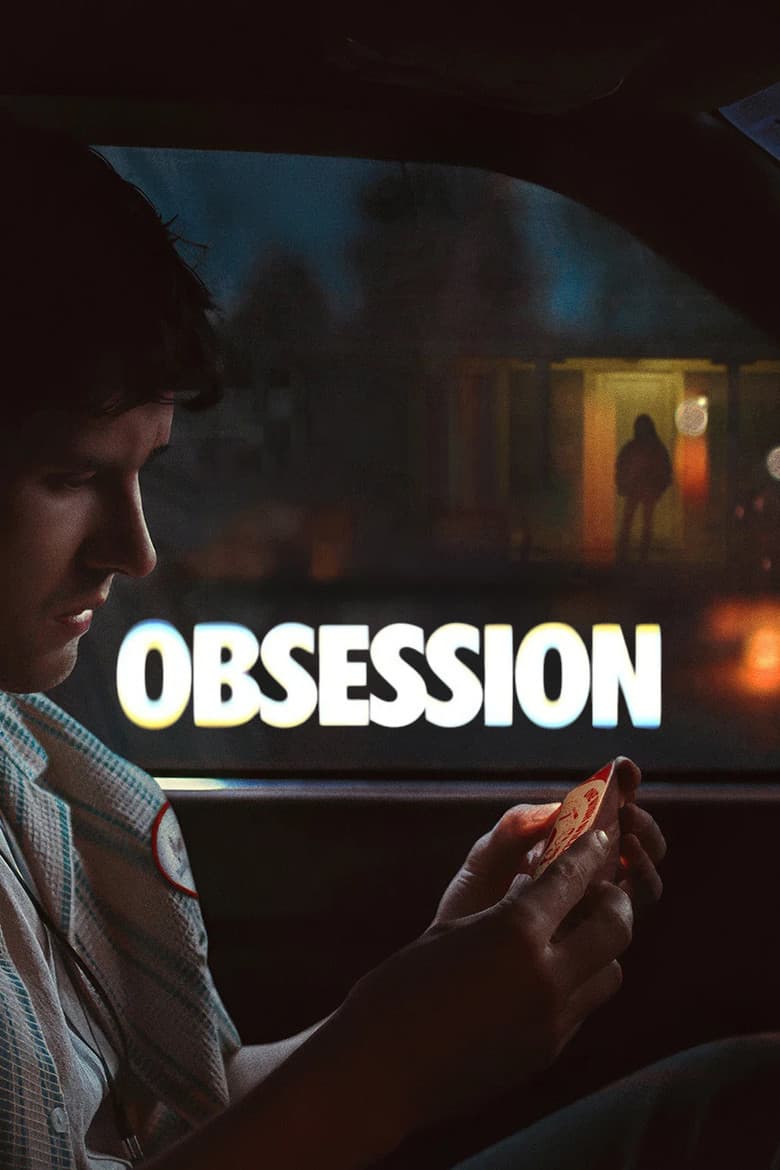
Movie · 2026
After breaking the mysterious "One Wish Willow" to win his crush's heart, a hopeless romantic finds himself getting exactly what he asked for but soon discovers that some desires…
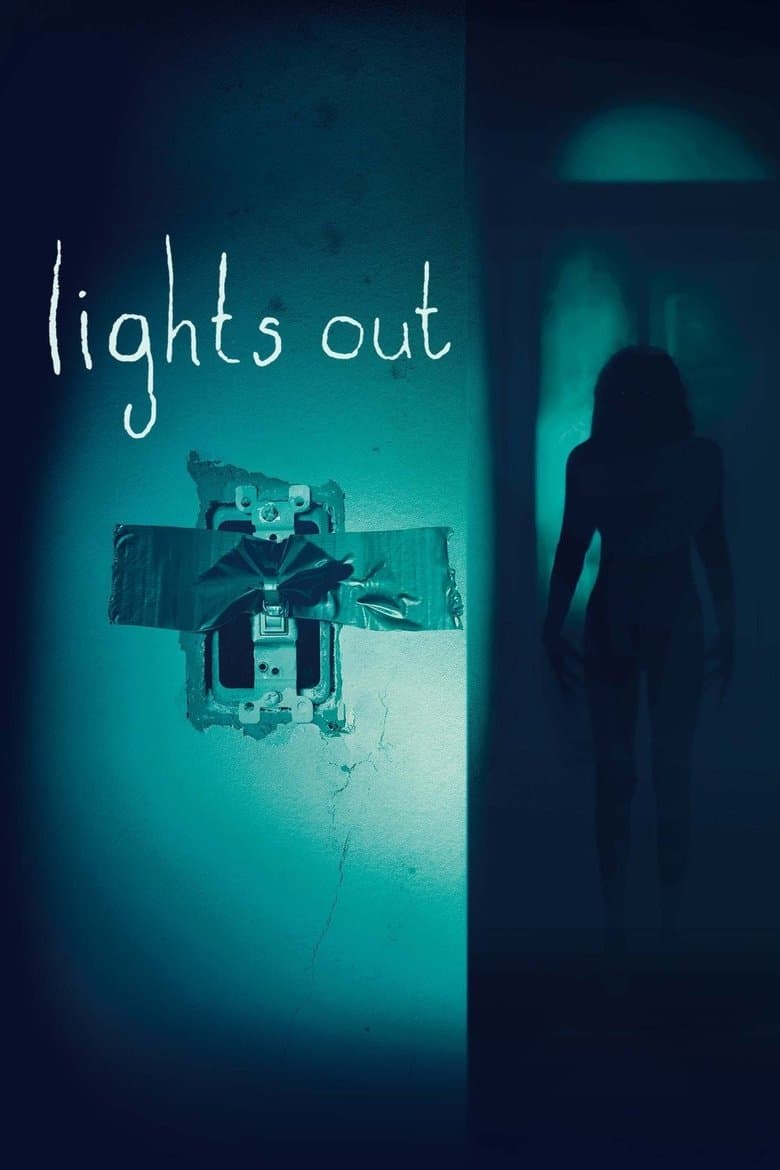
Movie · 2016
Rebecca must unlock the terror behind her little brother's experiences that once tested her sanity, bringing her face to face with a supernatural spirit attached to their mother.
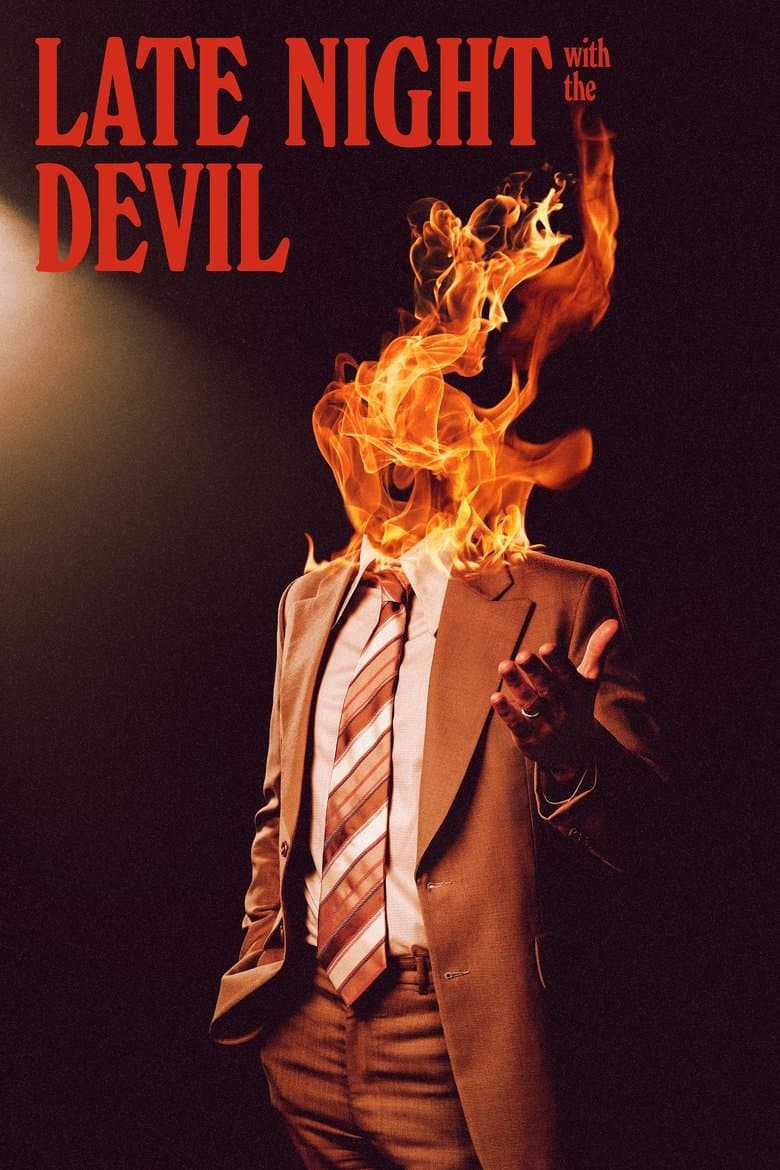
Movie · 2024
A live broadcast of a late-night talk show in 1977 goes horribly wrong, unleashing evil into the nation's living rooms.
