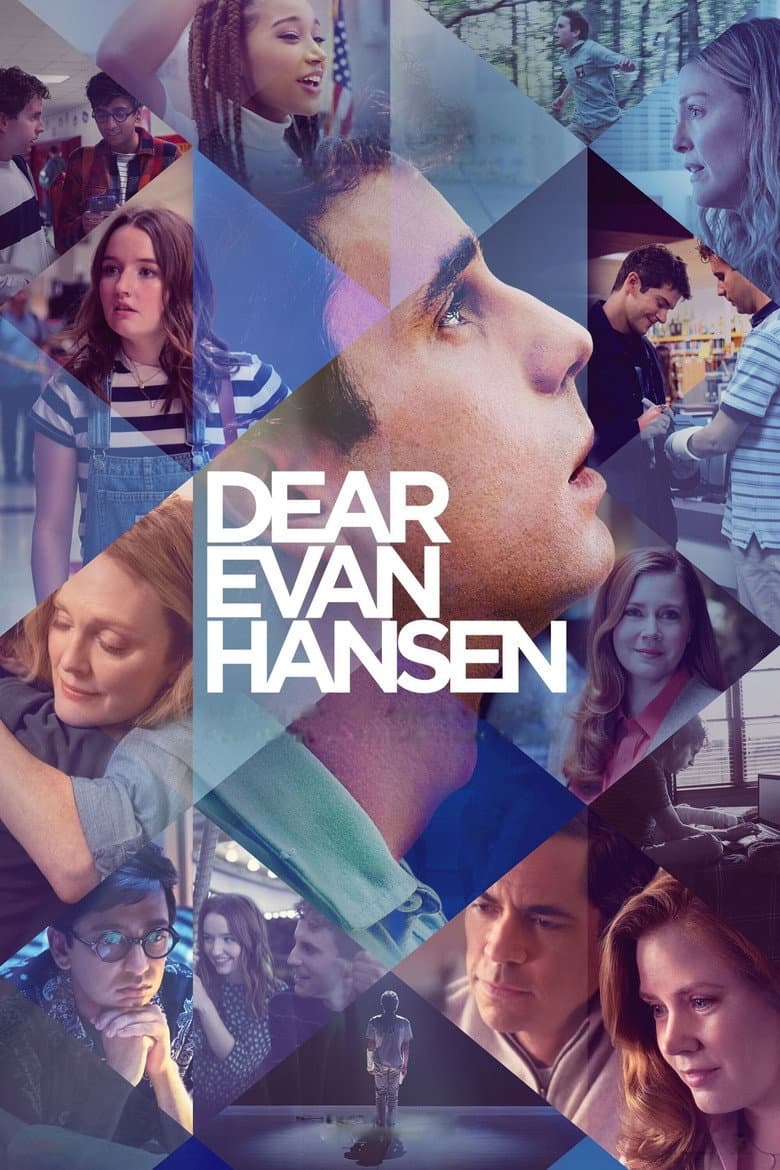
Evan Hansen is a lonely high school senior who has severe social anxiety and wants people to notice him. The story takes place at a Maryland high school and in the homes of two families. After a classmate named Connor dies by suicide, Connor's family finds one of Evan's private therapy letters and mistakes it for a suicide note. Evan lets them believe that he and Connor were close, then builds a larger lie that brings him a new family, a girlfriend, and online fame. The film is a serious musical drama about grief, loneliness, guilt, and the harm that can follow when private pain becomes public.
The film gives visible space to a diverse group of students, including Alana, a black class leader, and Jared, an openly gay South Asian teen. The movie expands Alana's role and gives her a new song about hidden anxiety, pressure, and feeling unseen. Jared's sexuality is clear but it is not central to the plot, while Alana's mental health work supports the larger focus on therapy and suicide prevention. These identity and representation choices are noticeable, but the main story remains Evan's lie and its effect on Connor's family.
Community feedback
Was our 38% Woke rating accurate?
Breakdown
These are the editorial factors and ratings behind our score for Dear Evan Hansen.
Woke representation / casting
The film places Amandla Stenberg's Alana, a black student leader, in a major supporting role. It makes Nik Dodani's Jared an openly gay South Asian student, and Jared has repeated scenes with Evan. This creates a visible identity pattern among the main students, although a modern Maryland high school can have a mixed student body. The white lead and main family keep the pattern from dominating the film.
38%
Woke political dialogue
Not present. The film has no direct debate about elections, parties, capitalism, patriarchy, or identity politics. The school speeches and fundraising campaign discuss mental health and grief instead.
0%
Identity-driven story themes
The film gives Alana, a black high-achieving student, a new solo about hidden anxiety and pressure. The film also makes Jared openly gay and treats that identity as a normal part of his life. These choices add a mild identity-driven message about being seen and accepted. The main plot still follows Evan's lie, Connor's death, and the family's grief.
24%
Western institutional / cultural critique
Not present. The film criticizes social media, loneliness, and broken family communication. It does not attack Western institutions, traditional gender roles, Christianity, capitalism, or men as a group.
0%
Woke character or canon changes
The film changes Jared into an openly gay South Asian student, a clear identity change from the stage version. The film expands Alana's part and adds “The Anonymous Ones,” which gives a black high-achieving student a full scene about hidden anxiety. These changes make identity and representation more visible in supporting roles. The main story and Evan's central lie remain mostly the same.
30%
Anti-woke backlash and complaints
One small X account asked why Alana felt “so woke” during a rewatch. The post came from a tiny account with about 40 views and no likes. No sustained anti-woke framing, large right-leaning push, boycott, or review-bomb campaign appeared. Most wider complaints focused on Ben Platt's age, possible nepotism, and the handling of suicide and mental health.
10%
Creator track record context
Stephen Chbosky is mainly linked to free speech and LGBTQ-inclusive youth stories, with no clear record of broad DEI activism. Steven Levenson and most producers have little public political or identity-focused work in the available creator records. Bernard Telsey's casting office has strong public DEI and anti-racist commitments, while Tiffany Little Canfield has a limited public political profile. This adds some context, but the film's main message comes from mental health and belonging.
24%
Production
Movie · 2020
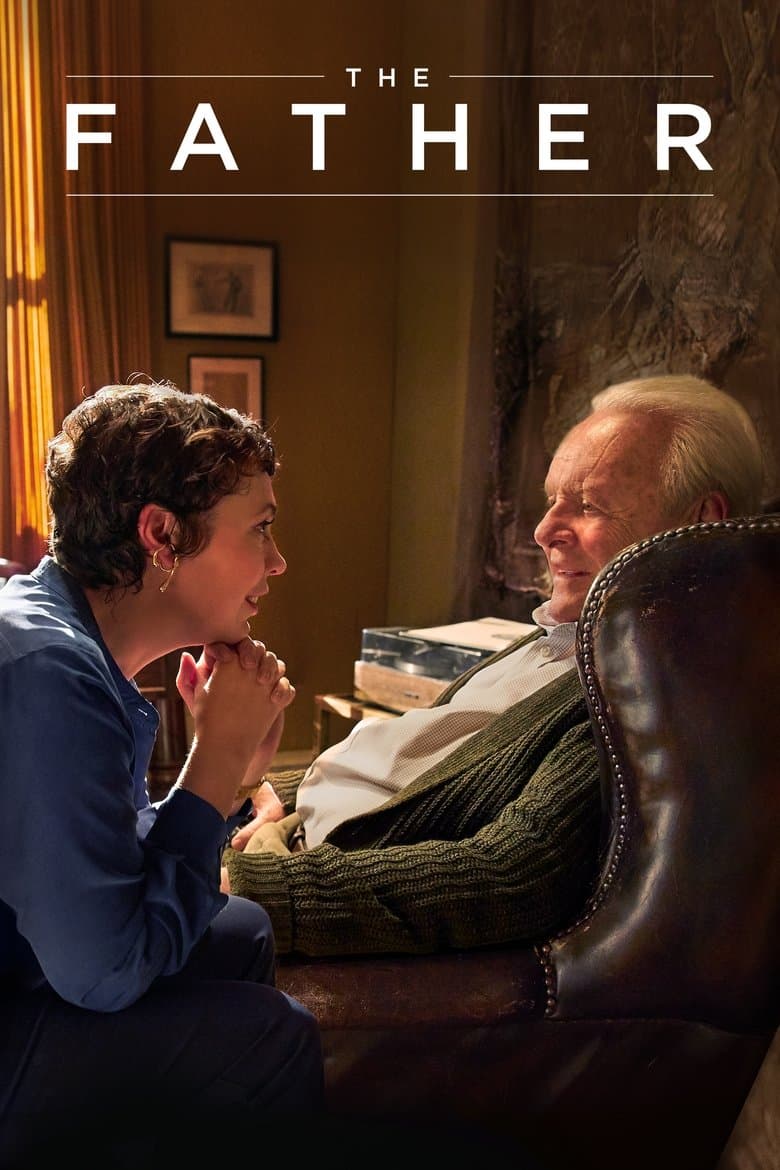
A man refuses all assistance from his daughter as he ages and, as he tries to make sense of his changing circumstances, he begins to doubt his loved ones, his own mind and even…
Movie · 2016
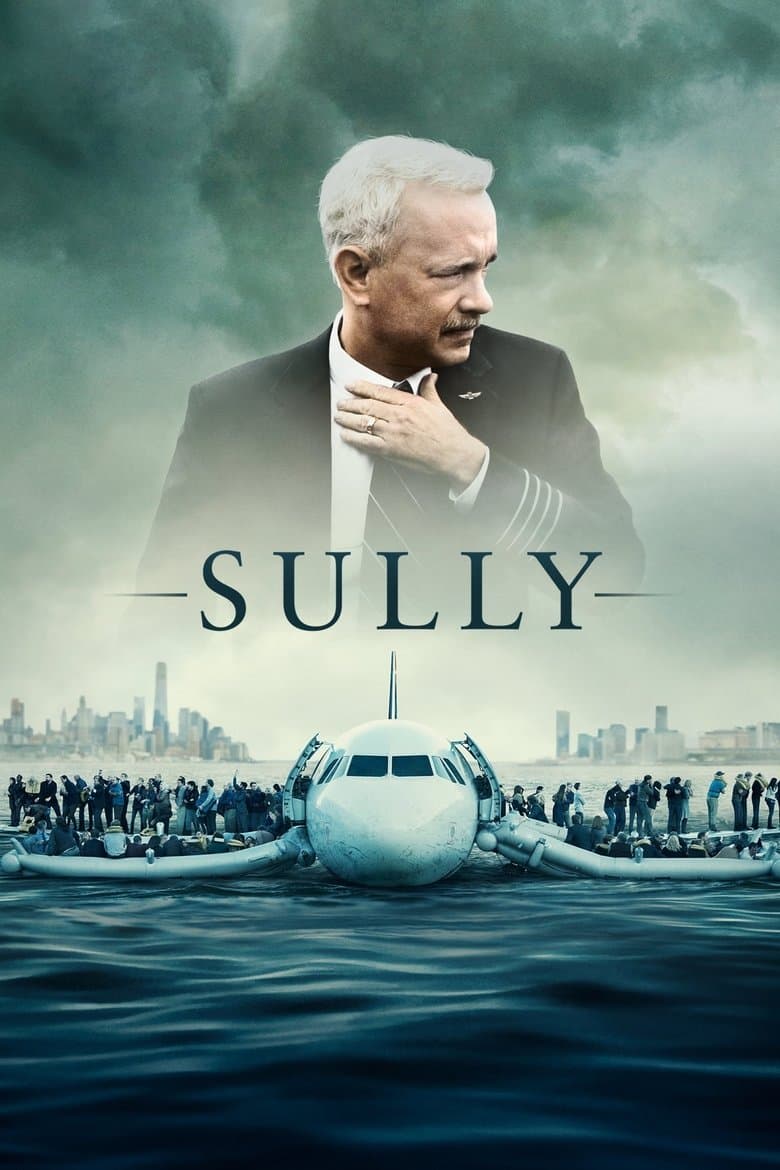
On 15 January 2009, the world witnessed the 'Miracle on the Hudson' when Captain 'Sully' Sullenberger glided his disabled plane onto the Hudson River, saving the lives of all 155…
Movie · 2016
In a desolate war zone where screams of the innocent echo, on the very line between disaster and valor, 7 Maroon Berets will dance with death.

Movie · 2016
After his older brother passes away, Lee Chandler is forced to return home to care for his 16-year-old nephew.
Movie · 2022
London, 1953. Mr. Williams, a veteran civil servant, is an important cog within the city's bureaucracy as it struggles to rebuild in the aftermath of World War II.
Movie · 2017
Members of the Granite Mountain Hotshots battle deadly wildfires to save an Arizona town.
Movie · 2025
Diagnosed with Tourette Syndrome at 15, John Davidson navigates his way against the odds through troubled teenage years and into adulthood, finding inspiration in the kindness of…

Movie · 2023
The true story of the inseparable Von Erich brothers, who made history in the intensely competitive world of professional wrestling in the early 1980s.
