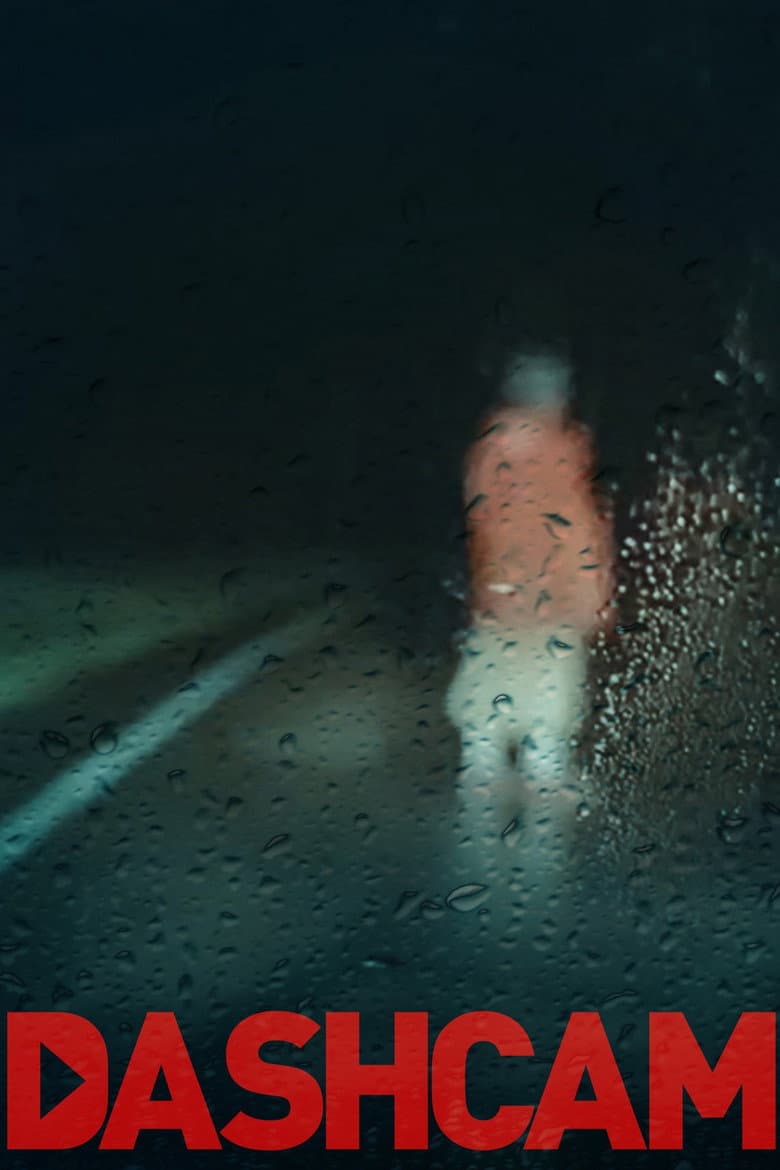
Dashcam follows Annie Hardy, a loud musician who streams improvised songs from her car. At the start of the COVID-19 pandemic, she leaves Los Angeles for England and visits Stretch, her former bandmate. After a fight with Stretch and his girlfriend, Annie steals Stretch’s car and takes a strange older woman named Angela to a remote address. The trip turns into a frantic horror chase through roads, woods, an abandoned fairground, and a hidden cult site.
The film makes politics part of Annie’s character through her MAGA hat, anti-mask and anti-vaccine claims, attacks on liberal people, and support from a hostile online crowd. The story treats her as selfish and reckless, but it still keeps her as the main survivor and gives her the final fight. The film also flips the usual horror heroine by making its final survivor rude, sexually crude, and openly cruel instead of innocent or virtuous. These ideas are clear in the opening and in Annie’s role, but the later story focuses more on gore, monsters, panic, and shock humor than on a political lesson.
Community feedback
Was our 44% Woke rating accurate?
Breakdown
These are the editorial factors and ratings behind our score for Dashcam.
Woke representation / casting
The film makes a woman the central horror survivor and gives her an unusual, openly cruel personality. Annie, Angela, and Angela’s mother also control most of the major action. The cast is not presented as a broader diversity message.
18%
Woke political dialogue
Annie repeatedly attacks masks, vaccines, lockdowns, and liberal people while she livestreams. She wears a MAGA hat and compares pandemic rules with Nazi Germany. Stretch supports Black Lives Matter, and Annie insults his girlfriend during their fight. The political talk fills much of the opening before the film shifts to monster horror.
38%
Identity-driven story themes
The film repeatedly puts women in the strongest positions. Annie controls the journey, takes Stretch’s car, survives repeated attacks, and kills the final creature. Angela and her mother create most of the danger, while Stretch mainly follows Annie and dies while trying to help her. The story clearly flips the usual innocent horror heroine.
50%
Western institutional / cultural critique
The film treats mask refusal, anti-vaccine claims, MAGA politics, and online conspiracy culture as signs of selfishness and danger. Stretch and Gemma push back because Annie’s choices harm their home and work. This is a short culture-war conflict rather than a full attack on Western institutions. The story does not target Christianity, family life, capitalism, or traditional society in a sustained way.
28%
Woke character or canon changes
Not relevant. The film is an original horror story built from Hardy’s Band Car livestream idea. It does not change an established fictional character or historical figure.
0%
Anti-woke backlash and complaints
Not present. Public debate focused on whether Annie Hardy really shared the character’s views and whether the film was too crude. Reliable reports do not show a clear anti-woke campaign saying the movie pushes DEI or identity politics.
0%
Creator track record context
Rob Savage is mainly known for provocative horror and has a low recorded woke score. Jed Shepherd and Gemma Hurley have little public record of activist or identity-driven work. Jason Blum has some political and inclusion-related context, while the other producers are mainly known for genre work. Heather Basten has taken part in industry diversity work. The group shows a low to mild woke pattern overall.
15%
Production
Movie · 2023
Still reeling from the tragic death of their mother, a teenage girl and her younger sister find themselves plagued by a sadistic presence in their house and struggle to get their…
Movie · 2020
Six friends hire a medium to hold a séance via Zoom during lockdown — but they get far more than they bargained for as things quickly go wrong.
Movie · 2024
A live broadcast of a late-night talk show in 1977 goes horribly wrong, unleashing evil into the nation's living rooms.
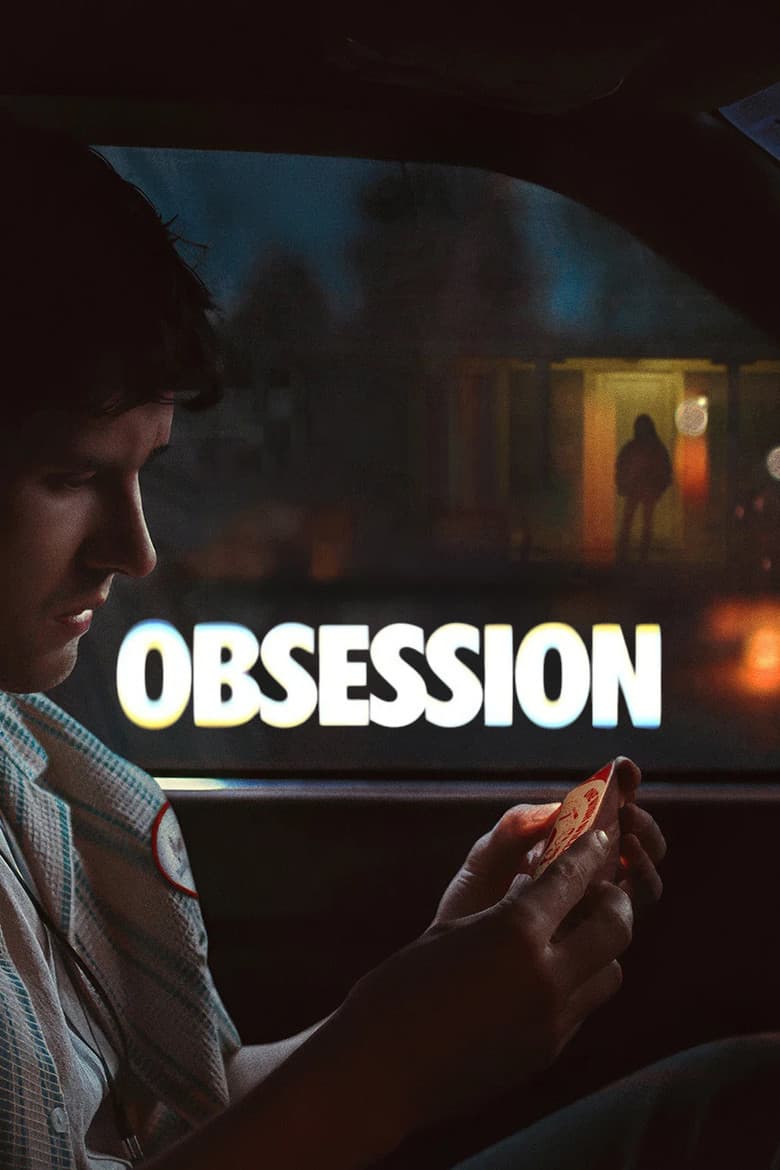
Movie · 2026
After breaking the mysterious "One Wish Willow" to win his crush's heart, a hopeless romantic finds himself getting exactly what he asked for but soon discovers that some desires…
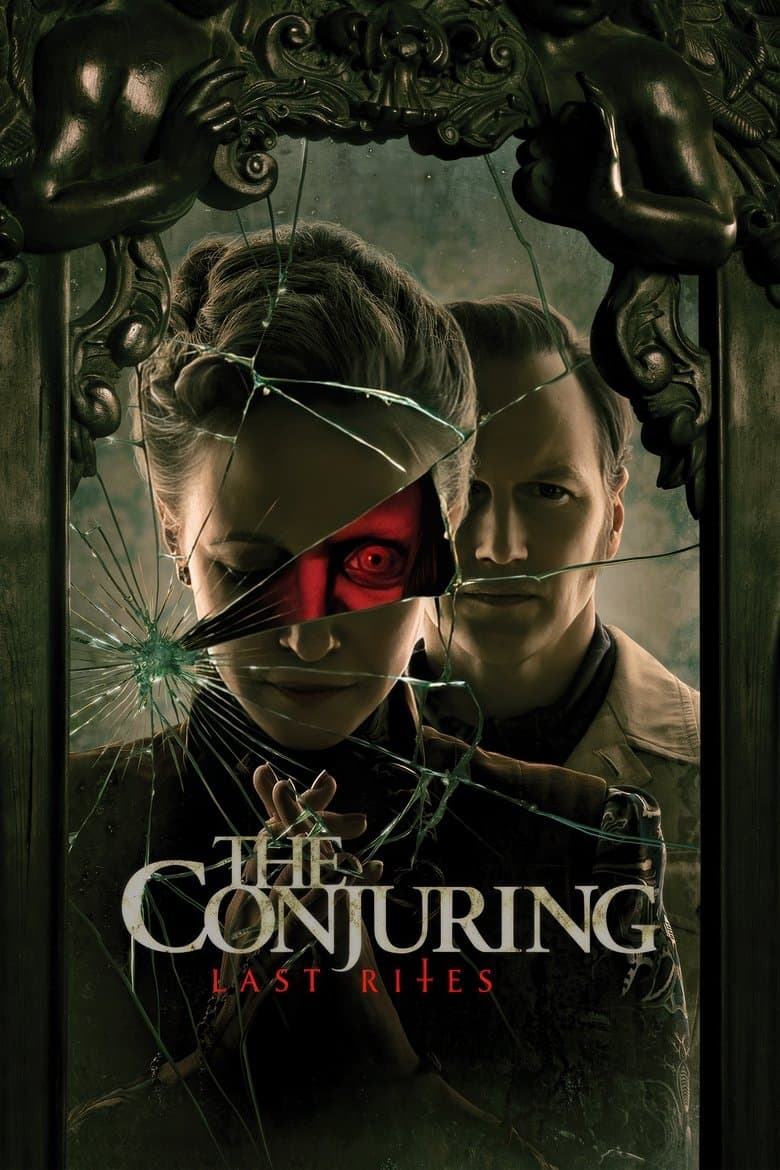
Movie · 2025
Paranormal investigators Ed and Lorraine Warren take on one last terrifying case involving mysterious entities they must confront.
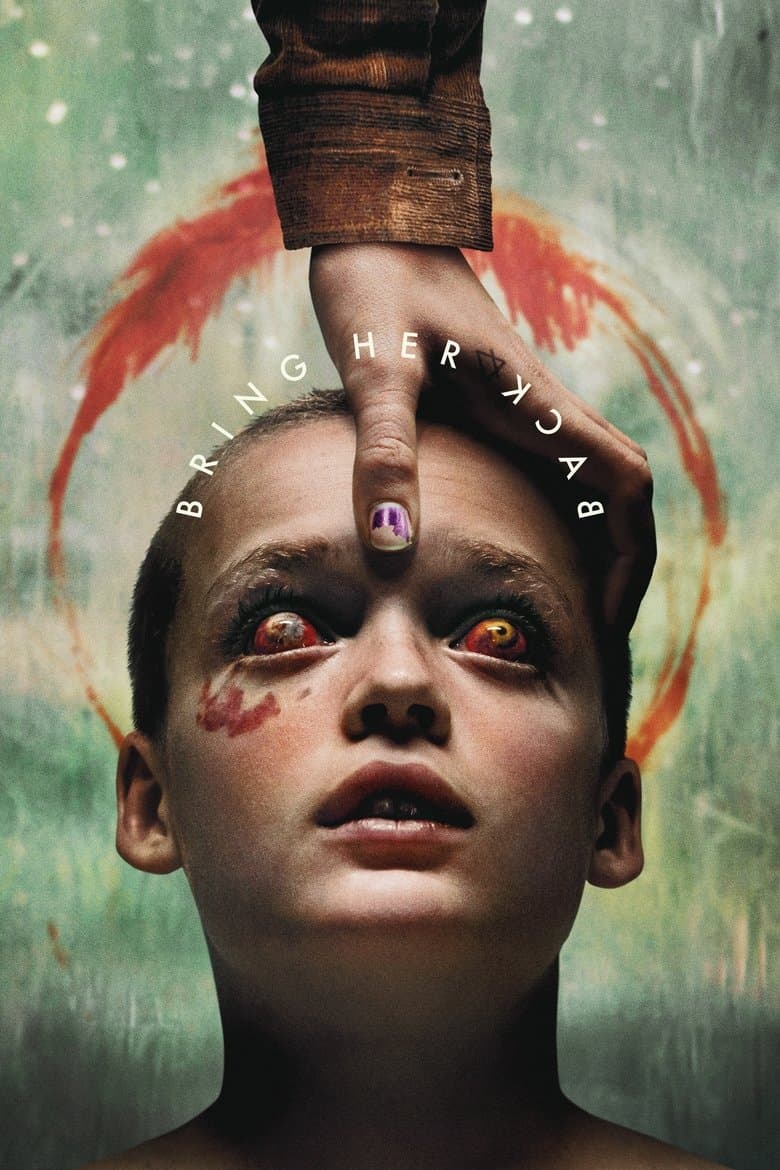
Movie · 2025
Following the death of their father, a brother and sister are sent to live with a foster mother, only to learn that she is hiding a terrifying secret.
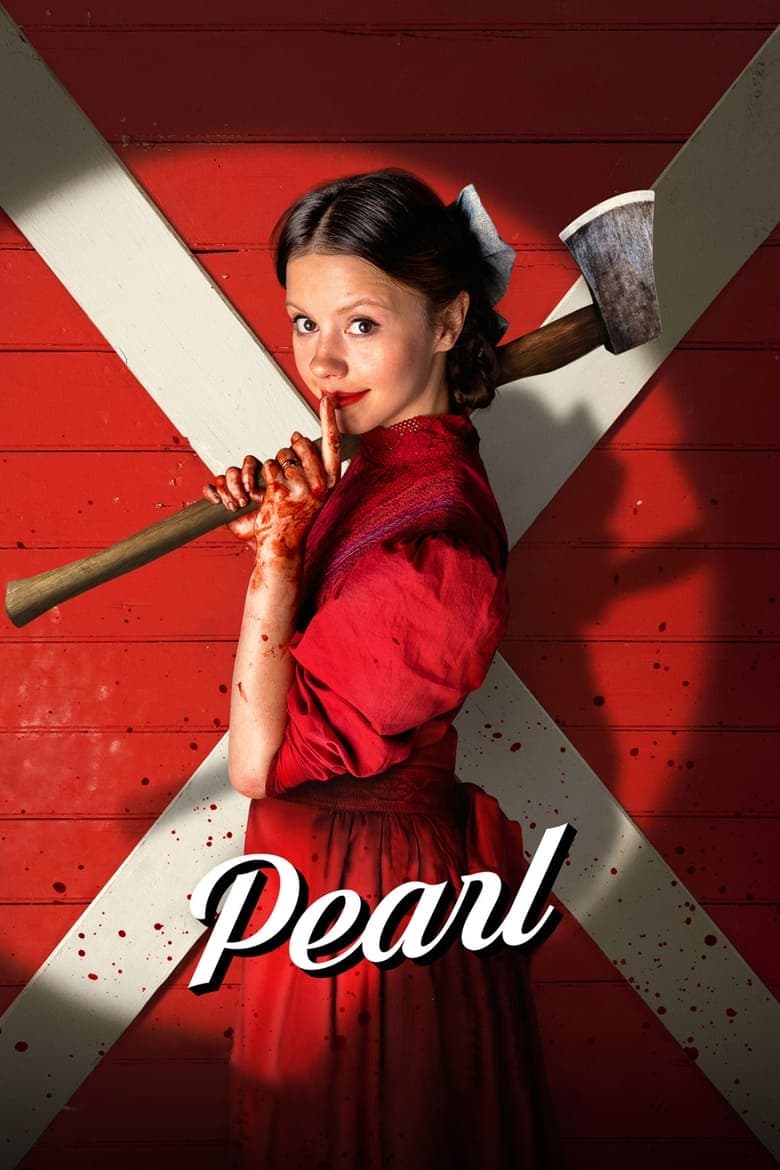
Movie · 2022
Trapped on her family’s isolated farm, Pearl must tend to her ailing father under the bitter and overbearing watch of her devout mother.
Movie · 2016
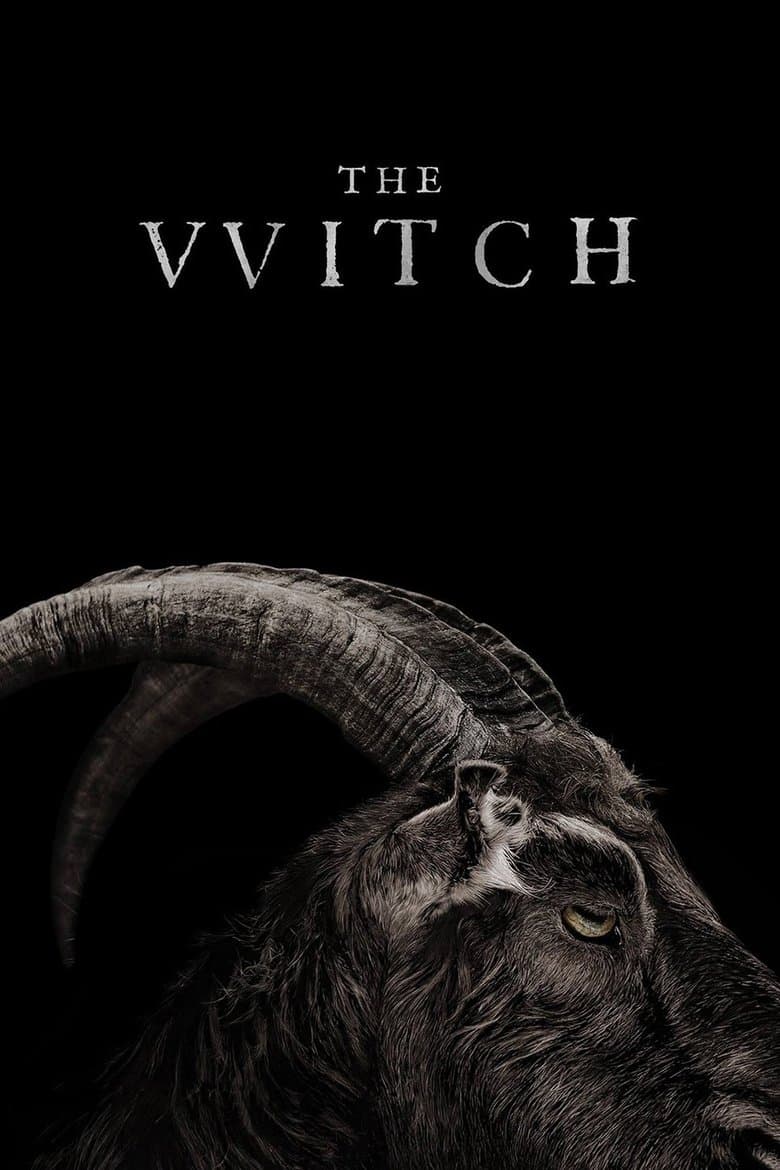
In 1630, a farmer relocates his family to a remote plot of land on the edge of a forest where strange, unsettling things happen.
