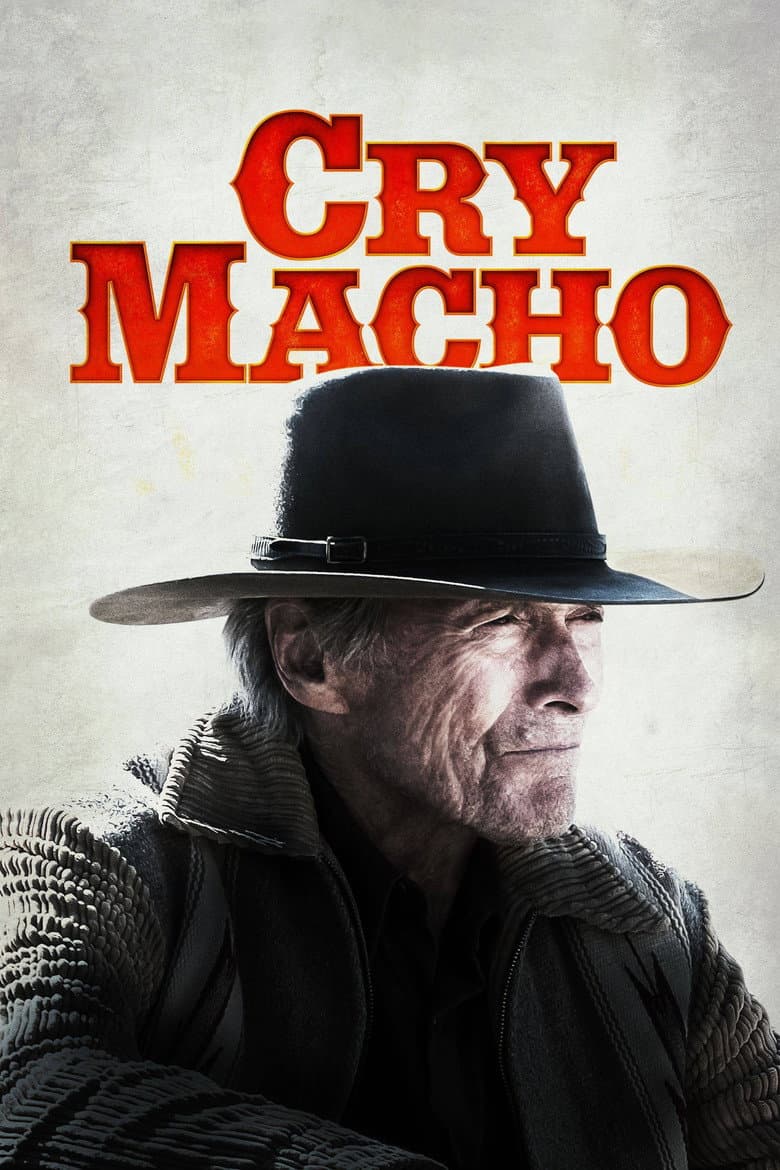
Mike Milo is a former rodeo star and horse trainer who has lost his job, his health, and much of his old fame. In 1979, his former boss sends him from Texas to Mexico to bring back Rafo, a teenage boy living with his troubled mother. Rafo travels with his fighting rooster, Macho, while Mike tries to avoid police, hired men, and a hard trip to the border. The movie uses a slow, gentle Western tone as the pair find safety, friendship, and a possible new home.
The film repeatedly questions the idea that a man must be hard, violent, and unable to show feelings. Mike tells Rafo that the macho way of life is overrated, and the story rewards patience, care for animals, family, and quiet work. The movie also treats poor Mexican villagers as kind people who help the pair, while it presents Rafo’s rich father and violent helpers as less trustworthy. These ideas are clear across the journey, but they stay personal and gentle rather than becoming a broad political campaign about race, sex, or class.
Community feedback
Was our 31% Woke rating accurate?
Breakdown
These are the editorial factors and ratings behind our score for Cry Macho.
Woke representation / casting
Not present. The main roles are filled by a white American lead and Mexican characters in a story set between Texas and Mexico. The casting matches the places and relationships shown, and no diversity-first casting message is part of the movie.
0%
Woke political dialogue
Mike tells Rafo that the macho way of life is overrated. The lesson says that a man can be caring and open instead of violent or silent. The film does not connect this idea to a party, campaign, or current political movement.
12%
Identity-driven story themes
The story keeps returning to the idea that macho toughness is not the same as real manhood. Mike changes by choosing care, family, and peace over pride and violence. Rafo learns that he does not need to copy hard men to earn respect. The film makes this personal lesson a main part of the road trip, but it does not build a wider identity campaign around it.
35%
Western institutional / cultural critique
The film directly questions traditional macho values through Mike’s repeated advice. The story treats violence, male posturing, and emotional silence as empty. Mike finds purpose in domestic life, kindness, and a gentle romance. The critique stays focused on personal behavior and does not attack Christianity or Western institutions.
32%
Woke character or canon changes
Not relevant. The movie adapts N. Richard Nash’s 1975 novel and changes details for a 1979 film, but no established character is given a new identity. No real historical event is reframed through identity politics.
0%
Anti-woke backlash and complaints
A few small social media accounts called the film woke for softening traditional masculinity and treating Mexican immigration and drug-trade themes with sympathy. Other small accounts called it pandering to a woke audience or said it weakened the macho ideal. The available reaction showed no sustained boycott, review-bomb drive, or large right-wing campaign. The bigger release-era culture fight concerned old comments by Eastwood, not the movie’s content.
15%
Creator track record context
The cached context gives Clint Eastwood a score of 2/100 and gives the two writers scores of 4/100 and 0/100. The cached producer scores range from 2/100 to 12/100. Albert S. Ruddy’s 12/100 score is the only listed signal above 4/100. The supplied context describes no broad activist or identity-first pattern.
3%
Production
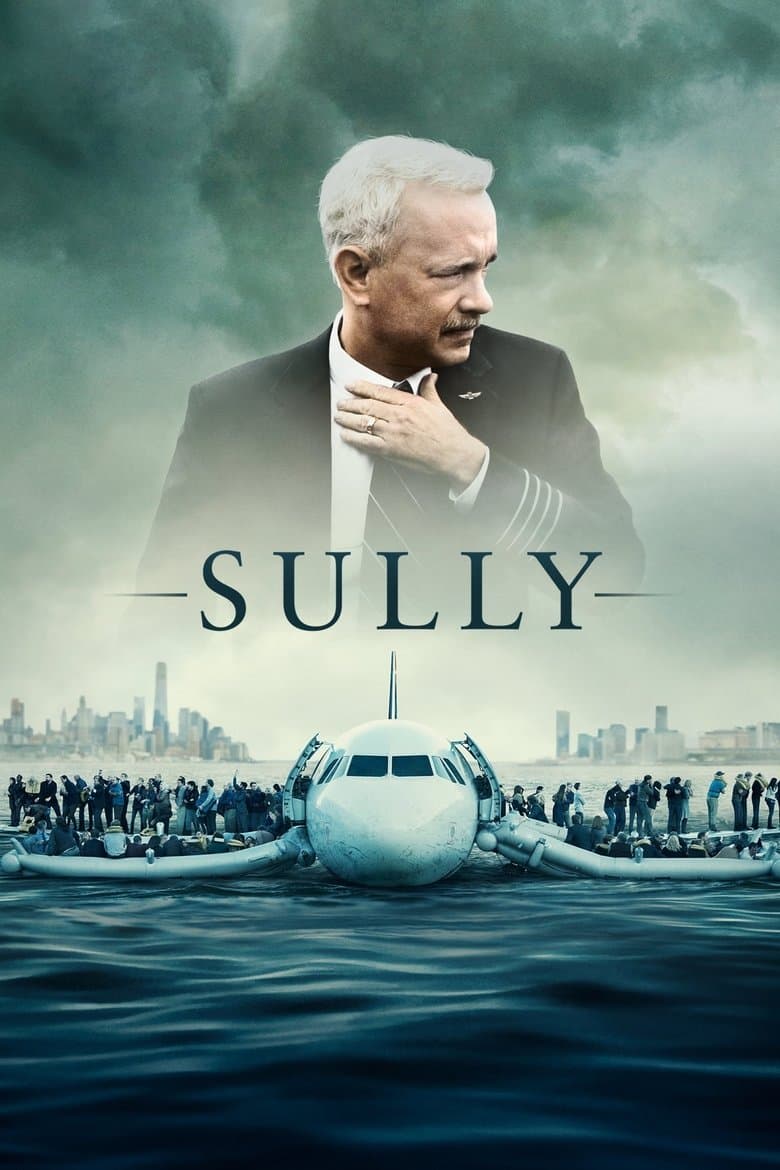
Movie · 2016
On 15 January 2009, the world witnessed the 'Miracle on the Hudson' when Captain 'Sully' Sullenberger glided his disabled plane onto the Hudson River, saving the lives of all 155…
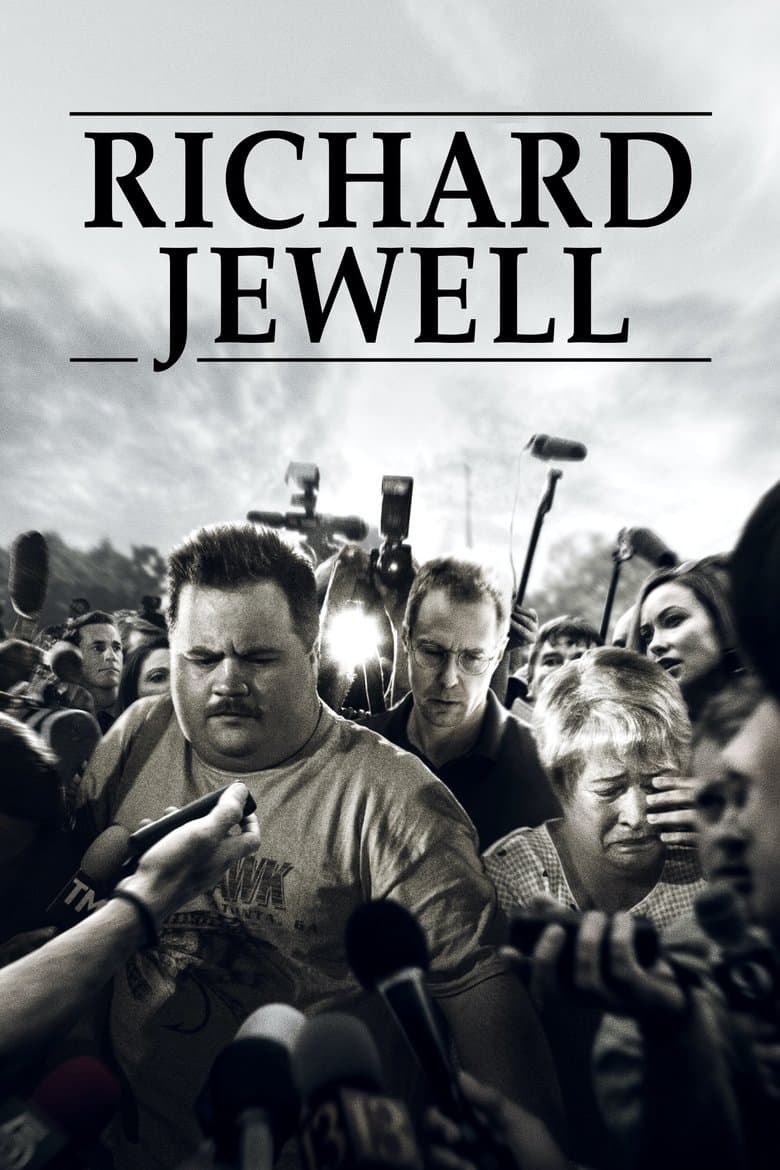
Movie · 2019
Richard Jewell thinks quick, works fast, and saves hundreds, perhaps thousands, of lives after a domestic terrorist plants several pipe bombs and they explode during a concert…
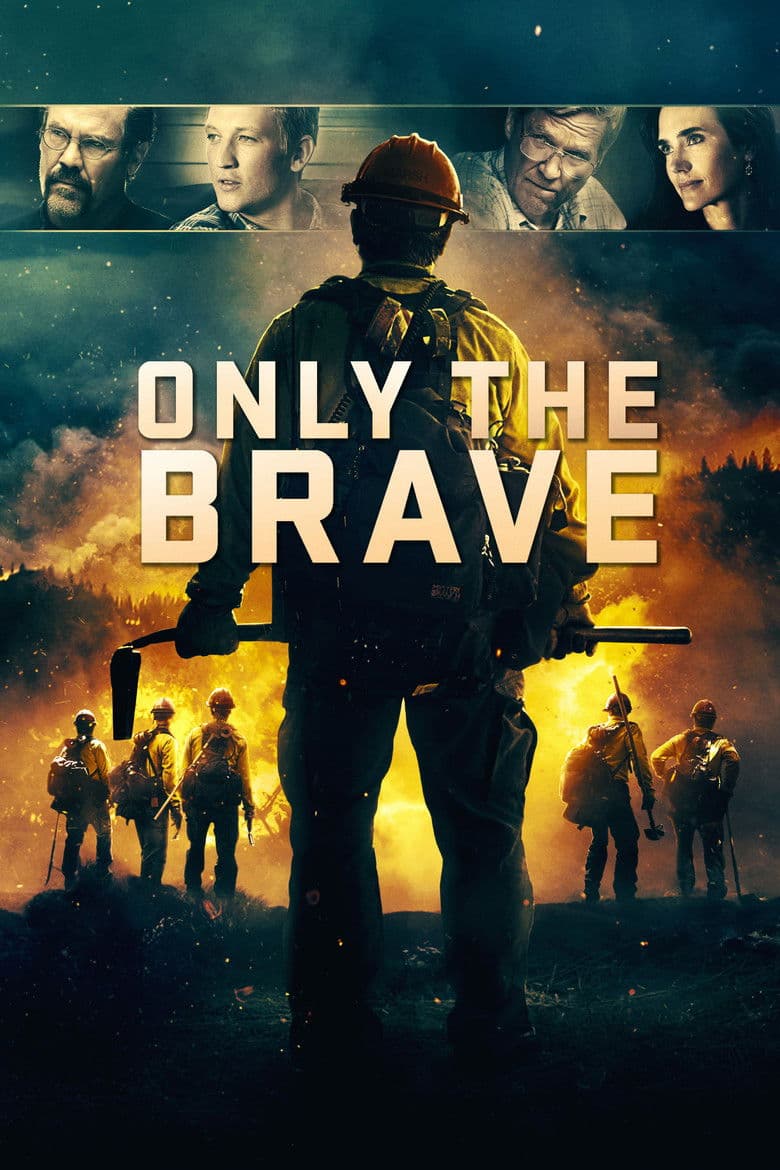
Movie · 2017
Members of the Granite Mountain Hotshots battle deadly wildfires to save an Arizona town.
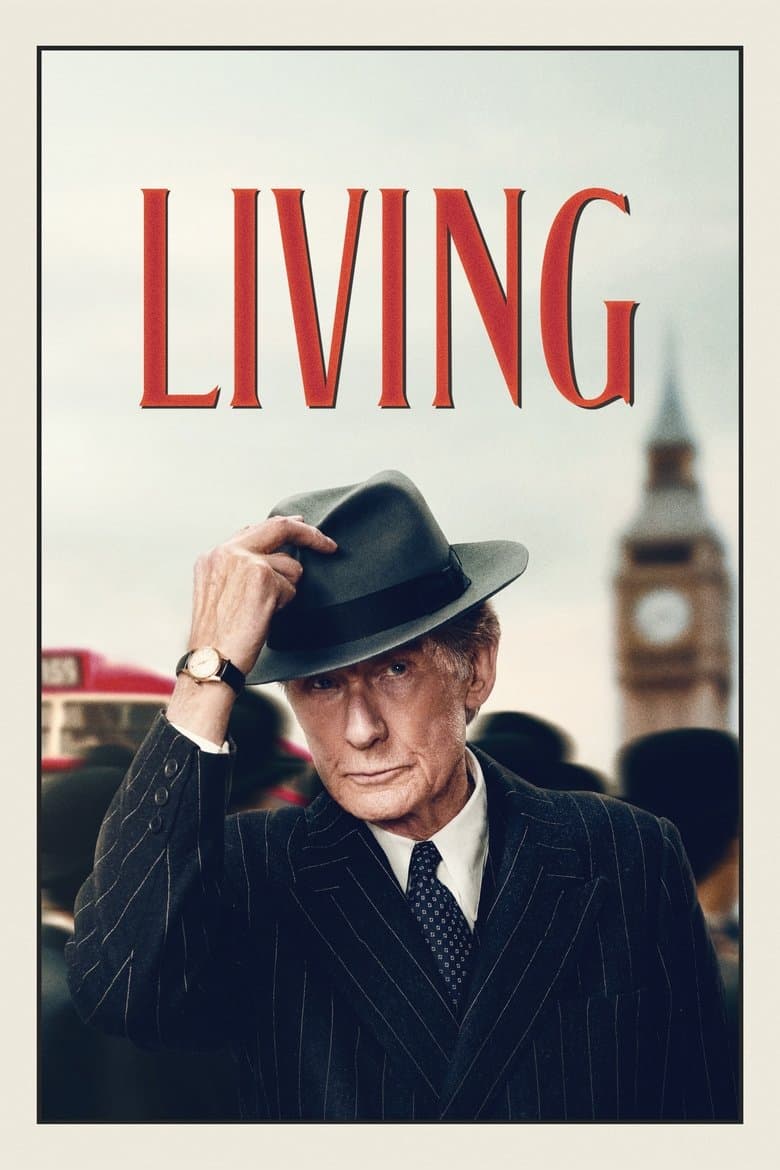
Movie · 2022
London, 1953. Mr. Williams, a veteran civil servant, is an important cog within the city's bureaucracy as it struggles to rebuild in the aftermath of World War II.
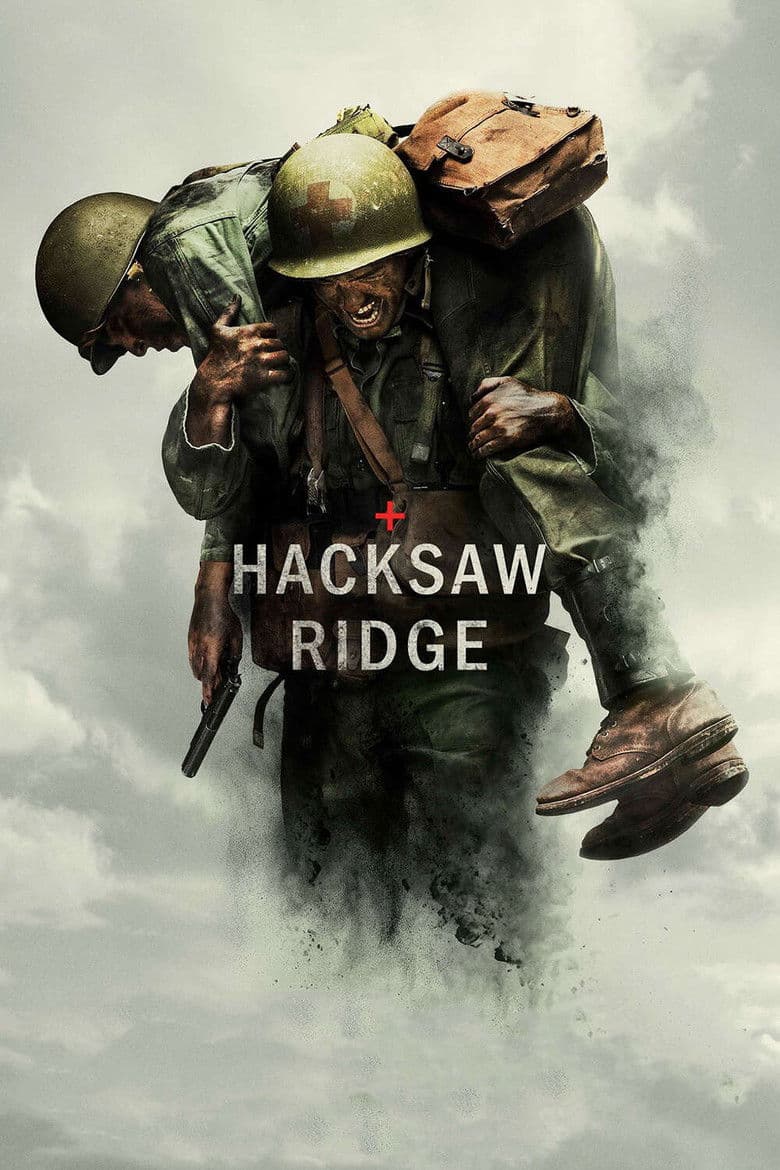
Movie · 2016
WWII American Army Medic Desmond T. Doss, who served during the Battle of Okinawa, refuses to kill people and becomes the first Conscientious Objector in American history to…
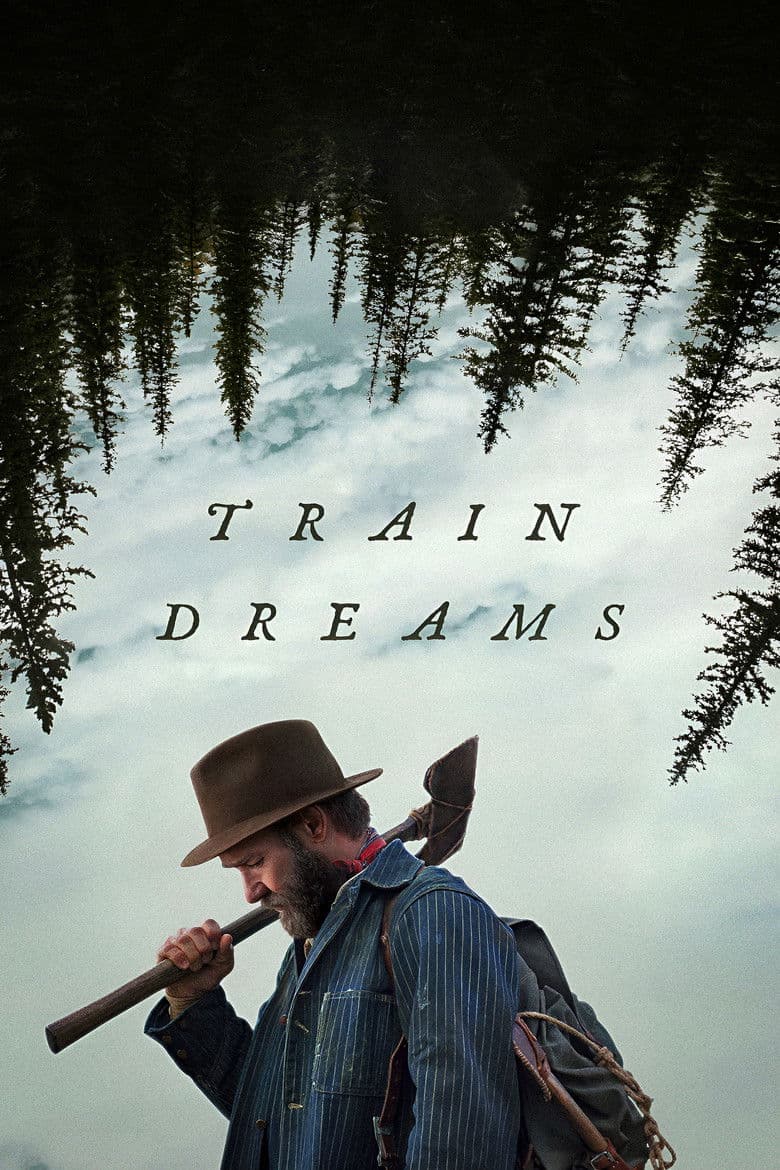
Movie · 2025
A logger leads a life of quiet grace as he experiences love and loss during an era of monumental change in early 20th-century America.
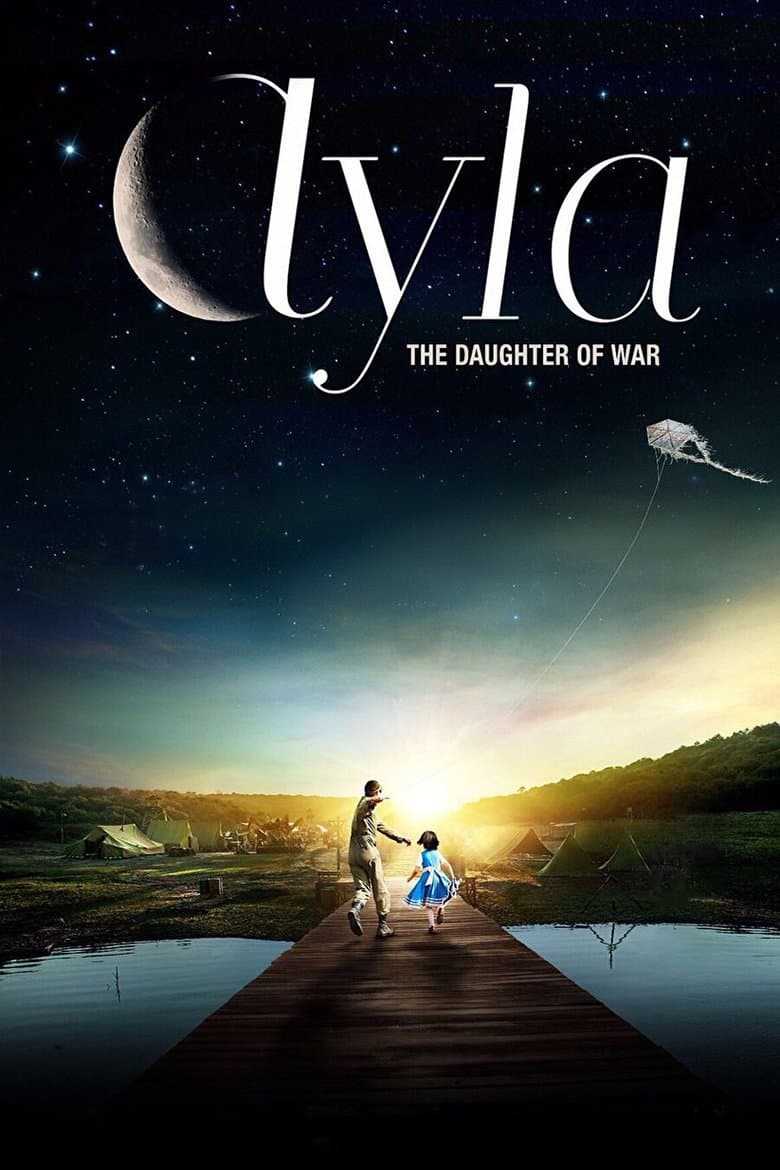
Movie · 2017
In 1950, amidst the ravages of the Korean War, Sergeant Süleyman stumbles upon a a half-frozen little girl, with no parents and no help in sight and he risks his own life to save…
Movie · 2026
While people across 1990s Iraq struggle to survive the war and food shortages, Saddam Hussein requires each school in the country to prepare a cake to celebrate his birthday.
