
Alice appears in New York as a calm scientist named Alice Manning, but Tom soon recognizes her as Jenny, the girlfriend who vanished from his life 15 years earlier. Tom is married to Ramina, who wants to move to California for a jewelry program, while Tom feels tied to his policy job and settled home. Alice leads Tom through a long night that brings old memories back and forces new choices. The film has a quiet and tense mood, then becomes a sad drama about two people who cannot agree on the past.
The film makes personal identity its main subject. Alice has taken many names, jobs, and homes, and she says that each new life lets her start again and become anyone she wants. The story treats that freedom as exciting, but it also shows the loneliness and damage caused when she leaves people behind. Tom must decide whether a safe life is worth more than a new beginning. The film asks whether a person can change without losing the people who know them.
Community feedback
Was our 27% Woke rating accurate?
Breakdown
These are the editorial factors and ratings behind our score for Complete Unknown.
Woke representation / casting
Not present. The modern New York friend group is mixed, but the film does not treat that mix as a message. Alice’s changing jobs are part of the plot, not a race or gender statement.
0%
Woke political dialogue
Not present. The characters discuss jobs, marriage, and personal freedom. Tom works on policy guidelines, but the film does not use that work to argue for a modern political cause. No DEI, activist, or gender-politics speech is confirmed.
0%
Identity-driven story themes
The story is built around Alice leaving one name, job, and home after another. Alice describes each new life as a chance to become anyone she wants and live many different lives. The film treats her freedom as exciting, but it also shows the hurt and loneliness caused by leaving people behind. Tom’s marriage and job make him question whether a settled life is enough. The film focuses on personal reinvention rather than race, gender, or queer politics.
42%
Western institutional / cultural critique
Not present. Tom’s policy job and his resistance to moving for Ramina’s design program create a personal marriage conflict. The film does not turn that conflict into an attack on men, marriage, family life, religion, or Western institutions. It also does not promote anti-capitalist or anti-conservative ideas.
0%
Woke character or canon changes
Not relevant. The film is an original story about Alice, Tom, and their friends. It does not adapt a known character, franchise, book, or real historical event.
0%
Anti-woke backlash and complaints
Not present. The X research pass found no anti-woke reaction. Web searches found no clear reports that viewers called the film woke, activist, DEI-driven, or left-wing. Audience comments mainly discuss the slow pace, the identity mystery, and the two lead actors.
0%
Creator track record context
Joshua Marston often makes stories about people caught between cultures, life on the edge, and questions about who they are. His public image is more about careful cultural detail than party politics. Some producers have worked on queer, black-led, or social-justice stories, but most have broad careers and little public activism. The writer has no documented woke or activist pattern.
30%
Production
Movie · 2017
Dr. Steven Murphy is a renowned cardiovascular surgeon who presides over a spotless household with his wife and two children.

Movie · 2016
When his girlfriend goes missing, David must track down her whereabouts after he realizes she's not who she was pretending to be.

Movie · 2017
Susan, a single mother of two, works as a waitress in a small town. Her son, Henry, is an 11-year-old genius who not only manages the family finances but acts as emotional support…
Movie · 2019
A woman grieving over the death of her daughter loses grip of reality when she begins to think her girl may still be alive.
Movie · 2019
Professor James Murray begins work compiling words for the first edition of the Oxford English Dictionary in the mid 19th century, and receives over 10,000 entries from a patient…
Movie · 2023
Following the brutal murder of a young real estate agent, a hardened detective attempts to uncover the truth in a case where nothing is as it seems, and by doing so dismantles the…

Movie · 2017
Paul is a down-on-his-luck screenwriter who picks up a drifter and offers him a place to stay. However, when the deranged stranger takes Paul hostage and forces him to write…
Movie · 2018
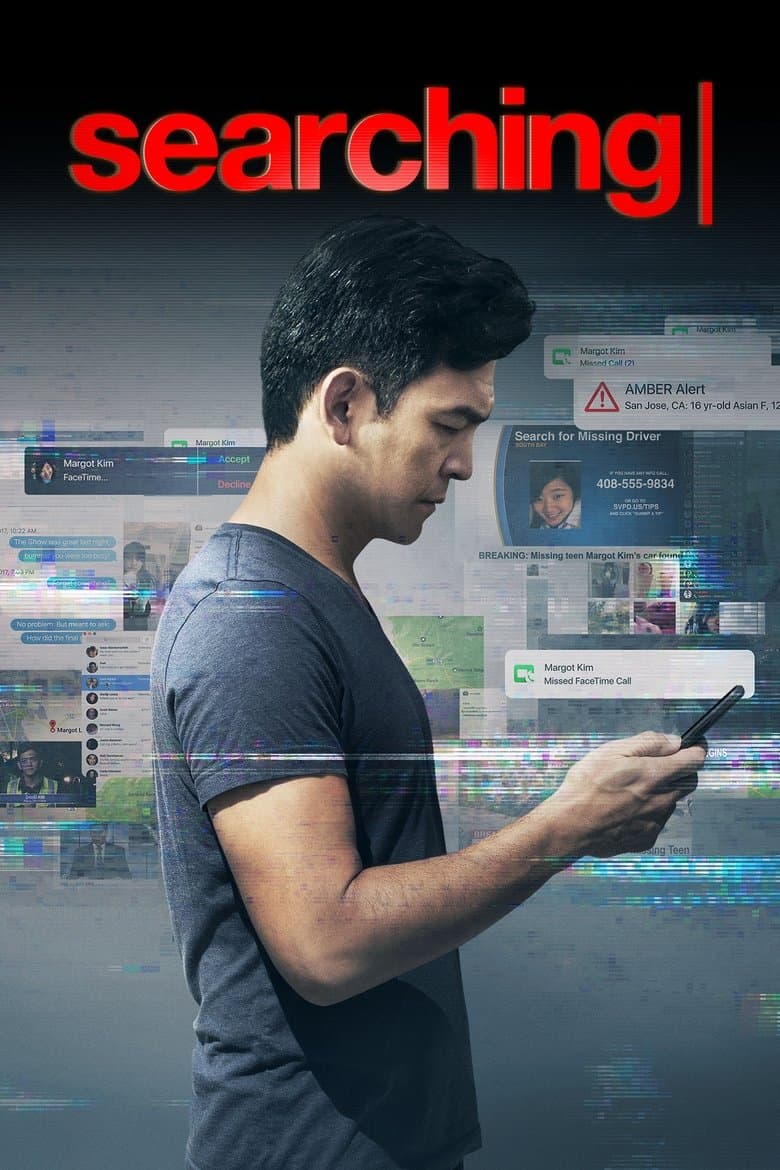
After David Kim's 16-year-old daughter goes missing, a local investigation is opened and a detective is assigned to the case.
