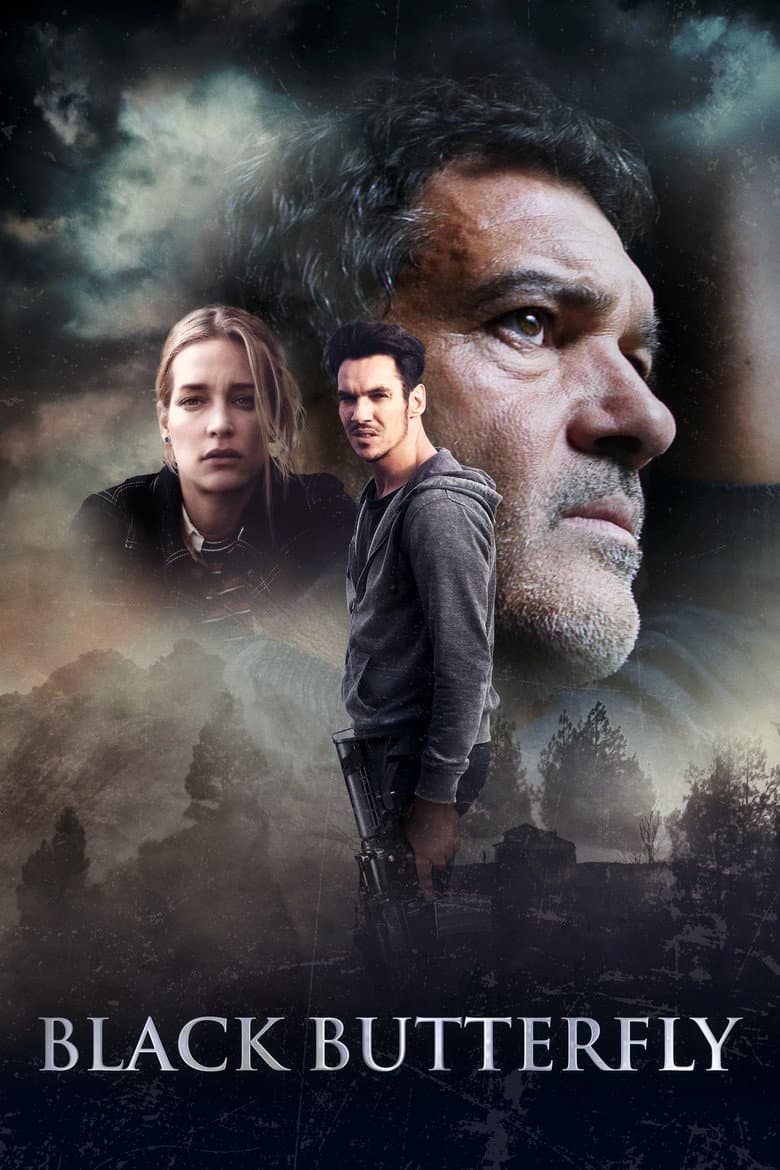
Paul Lopez is a broke, alcoholic writer who lives alone in a remote Colorado house. He has lost his success, his marriage, and his ability to write. After he meets a drifter named Jack during a roadside fight, Paul invites Jack home for the night. Jack soon takes control of the house and forces Paul to work on a story while a storm cuts off power and phone service. The movie is a tense thriller with a small cast and a dark, uneasy tone.
The story follows two men who keep changing roles as writer, guest, prisoner, killer, and detective. A nearby series of kidnappings and murders makes their private game more frightening. Their talks about screenwriting become a contest over truth, fear, and control. The film uses a story inside a story and several late twists to make the viewer question what really happened. Crime, shame, guilt, and the danger of turning violence into entertainment are its main ideas.
Community feedback
Was our 1% Woke rating accurate?
Breakdown
These are the editorial factors and ratings behind our score for Black Butterfly.
Woke representation / casting
Not present. The main cast presents a small thriller group of a writer, a drifter, a property agent, and law officers. The film does not make race, gender, sexuality, or diversity part of its casting message.
0%
Woke political dialogue
Not present. The dialogue deals with writing, threats, drinking, murder, guilt, and trust. It does not push modern identity, DEI, or activist ideas.
0%
Identity-driven story themes
Not present. The central conflict follows a writer and a possible killer who fight over a story and their freedom. The film does not build its message around race, sex, gender, sexuality, or group identity.
0%
Western institutional / cultural critique
Not present. The police and FBI appear as parts of a murder plot and a trap. The film does not frame modern Western institutions, family life, religion, or gender roles as systems that need activist correction.
0%
Woke character or canon changes
Not relevant. The film is a remake of the 2008 French television thriller Papillon Noir. Its move to an American setting and its plot changes are ordinary adaptation choices, not identity-driven changes to a known character or historical figure.
0%
Anti-woke backlash and complaints
Not present. The separate X research pass found no anti-woke posts or named complaints about this film. Web coverage and audience reviews focus on the twists, acting, and story logic rather than woke or DEI messaging.
0%
Creator track record context
Brian Goodman and the two writers have low creator scores of 0 to 11. Monika Bacardi is a higher-scoring producer at 34 because she supports environmental causes and women’s fair representation. Those causes do not shape this film’s story or marketing. The wider team has no clear identity-focused public pattern.
7%
Production
Movie · 2021
A truffle hunter who lives alone in the Oregon wilderness must visit Portland to find the mysterious person who stole his beloved foraging pig.

Movie · 2018
Looking to investigate recruitment techniques of ISIS to lure women into Syria, a journalist creates a Facebook profile of a Muslim convert.

Movie · 2018
After David Kim's 16-year-old daughter goes missing, a local investigation is opened and a detective is assigned to the case.
Movie · 2018
During a mysterious thunderstorm, Vera, a young mother, manages to save a life in danger, but her good deed causes a disturbing chain of unexpected consequences.
Movie · 2017
Susan, a single mother of two, works as a waitress in a small town. Her son, Henry, is an 11-year-old genius who not only manages the family finances but acts as emotional support…
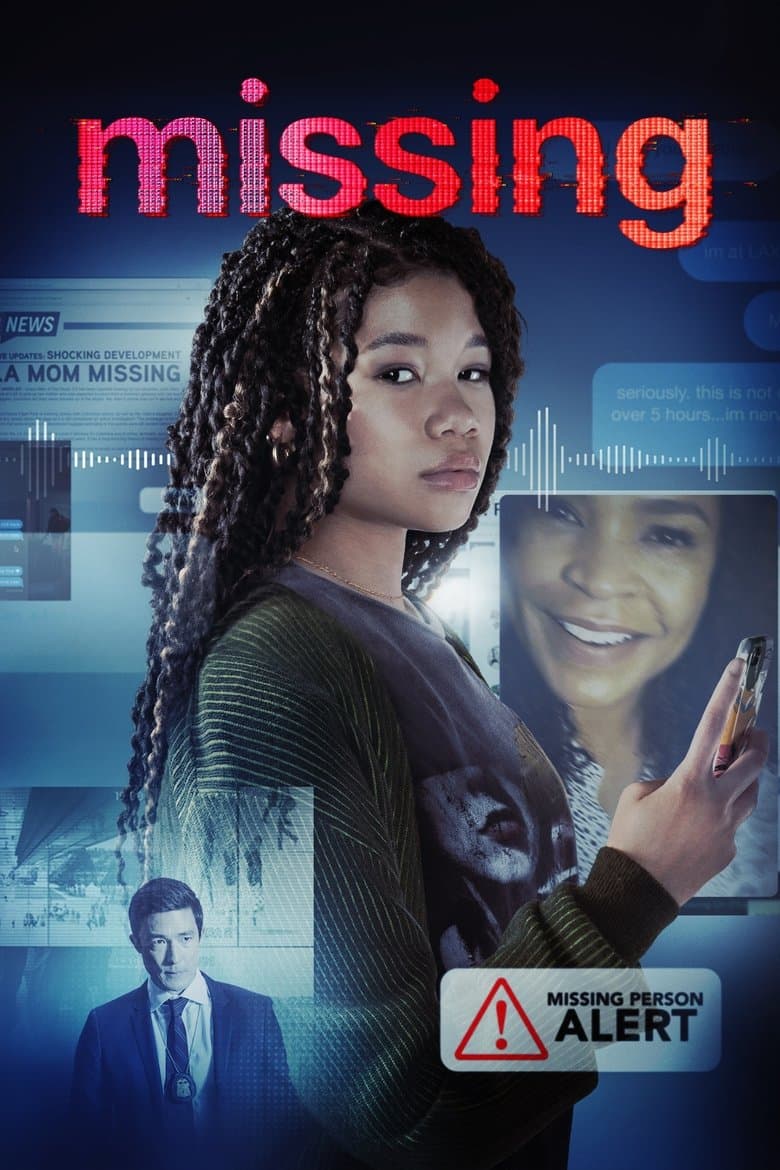
Movie · 2023
When her mother disappears while on vacation in Colombia with her new boyfriend, June’s search for answers is hindered by international red tape.

Movie · 2019
A woman grieving over the death of her daughter loses grip of reality when she begins to think her girl may still be alive.
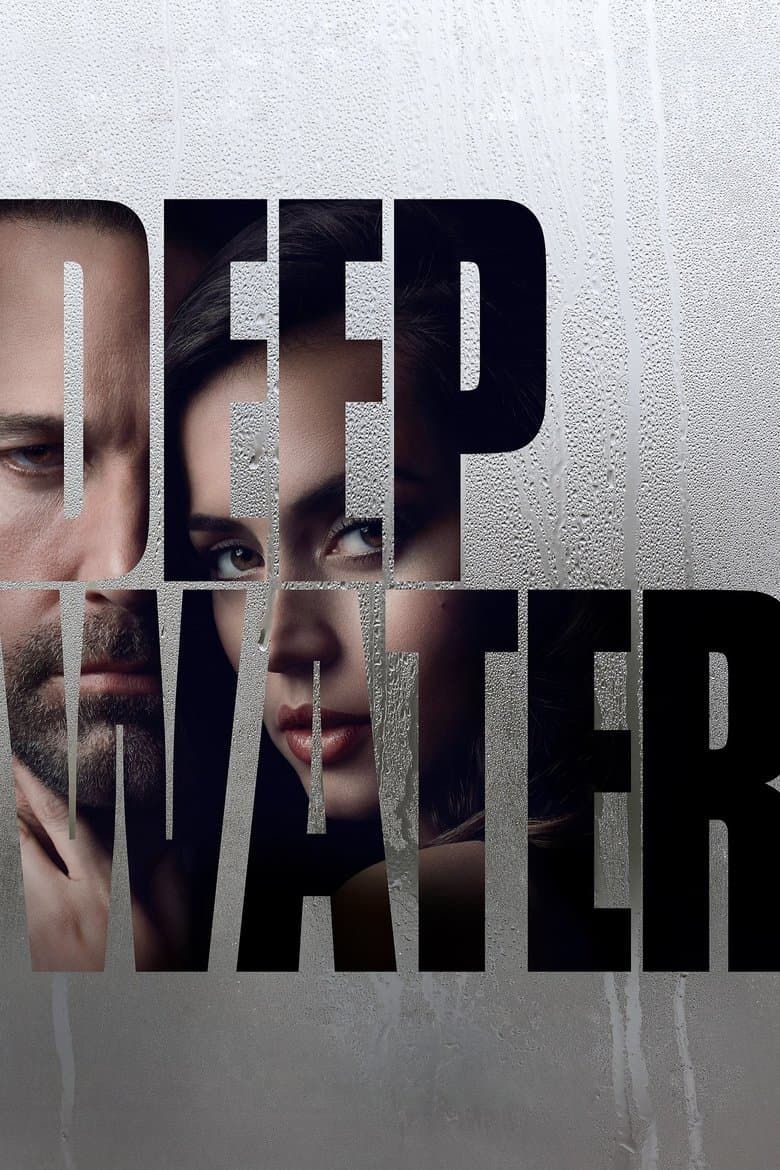
Movie · 2022
A well-to-do husband who allows his wife to have affairs in order to avoid a divorce becomes a prime suspect in the disappearance of her lovers.
