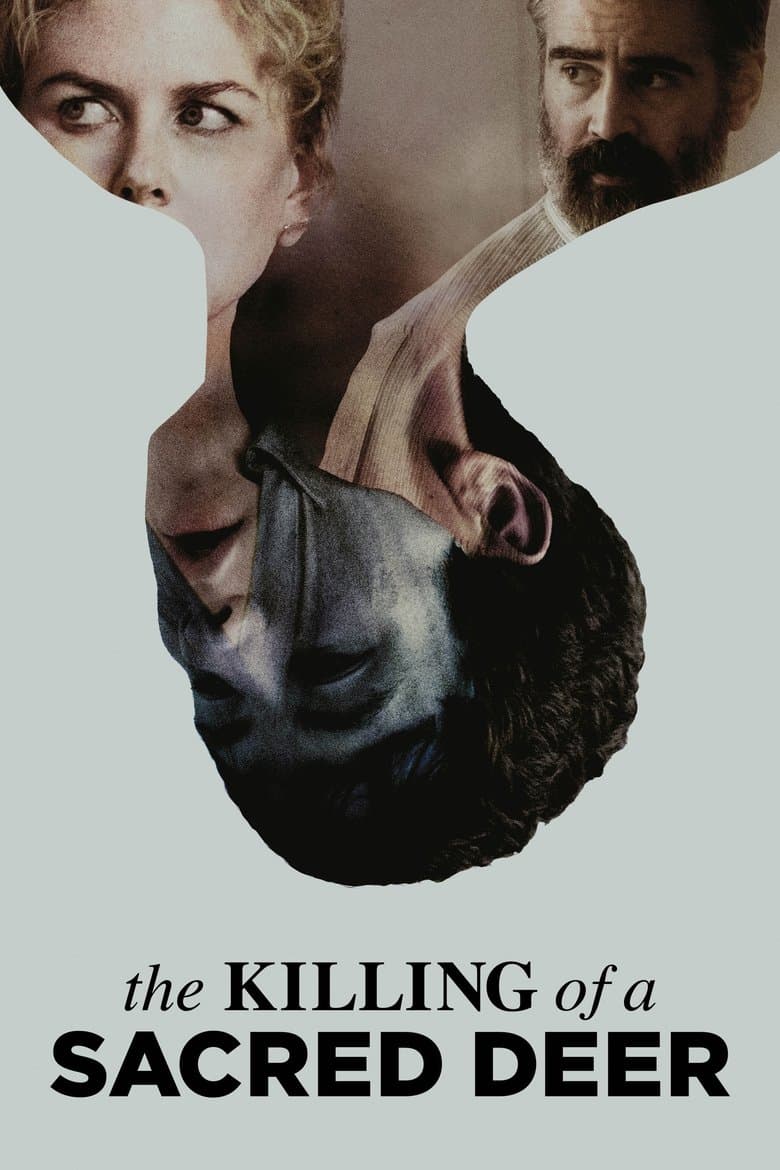
A successful heart surgeon named Steven Murphy lives a neat suburban life with his eye-doctor wife Anna and their two children. After a patient dies under Steven’s care, the dead man’s son Martin enters their world. Martin says a curse will destroy the family unless Steven kills one of them. If he refuses, they will all suffer paralysis, starvation, and bleeding eyes. The story follows a Greek tragedy model about guilt, pride, and an impossible choice.
The film shows almost no modern identity politics. The main cast is a rich white suburban family, and the talk stays cold and strange rather than activist. There is a light jab at male professional pride, the idea that doctors cannot fail, and the brittle perfect-family image. That critique stays inside the plot and does not push race, queer identity, or DEI messaging. Secondary critics sometimes call it an attack on patriarchal pride, but the film itself stays with classic hubris and revenge, not systemic oppression.
Community feedback
Was our 9% Woke rating accurate?
Breakdown
These are the editorial factors and ratings behind our score for The Killing of a Sacred Deer.
Woke representation / casting
Not present. The main cast is a normal rich white suburban family plus supporting players. It does not look like diversity-quota casting. Minor hospital roles, including an Asian doctor, feel like ordinary modern setting, not forced representation.
0%
Woke political dialogue
Not present. The talk is flat, strange, and absurdist. There are no race lectures, gender lectures, DEI slogans, or activist talking points.
0%
Identity-driven story themes
The story is Greek-tragedy justice and revenge about guilt and impossible choice. It is not about race, queer identity, or DEI. Any reading about male pride stays classic hubris, not modern identity politics.
5%
Western institutional / cultural critique
The film lightly mocks male professional pride, doctor invincibility myths, and the perfect suburban family surface. It is not an activist attack on Christianity, conservatism, or Western institutions as a whole.
8%
Woke character or canon changes
Not relevant. This is a loose modern take on a Greek myth. There are no identity-driven race, gender, or sexuality swaps of known characters.
0%
Anti-woke backlash and complaints
Not present. There was no real anti-woke campaign calling the film DEI propaganda. People argued about art-house style and horror discomfort, not that it was too woke.
0%
Creator track record context
Key creatives mostly score low to moderate for activism. Some casting directors score higher for inclusive casting, but that pattern does not show up in this film’s cast.
22%
Production
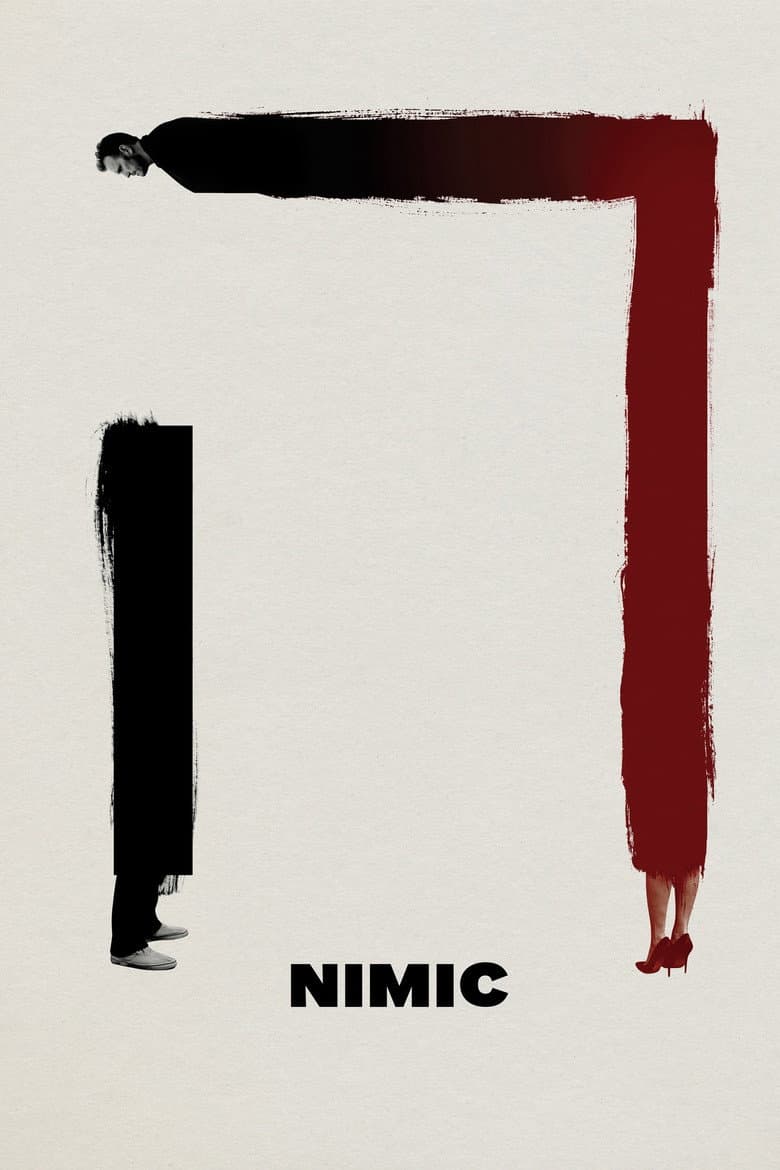
Movie · 2020
A professional cellist has an encounter with a stranger on the subway which has unexpected and far-reaching ramifications on his life.
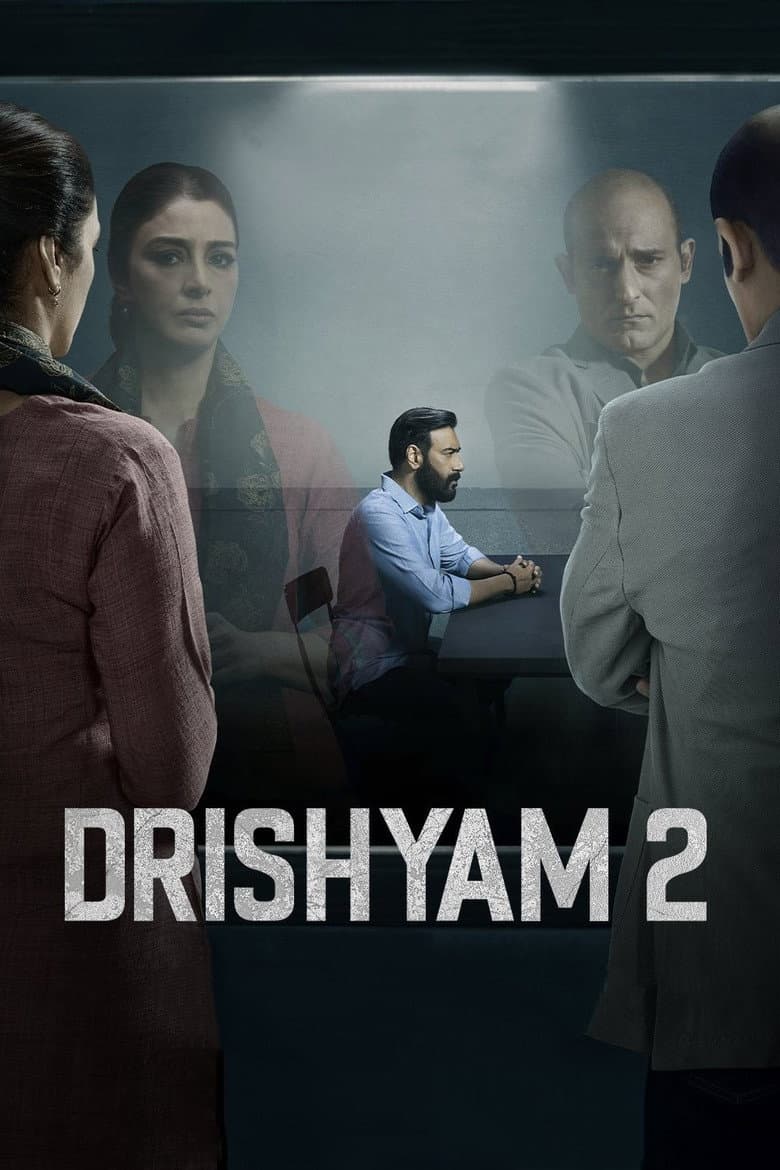
Movie · 2022
7 years after the case related to Vijay Salgaonkar and his family was closed, a series of unexpected events bring truth to light that threatens to change everything for the…
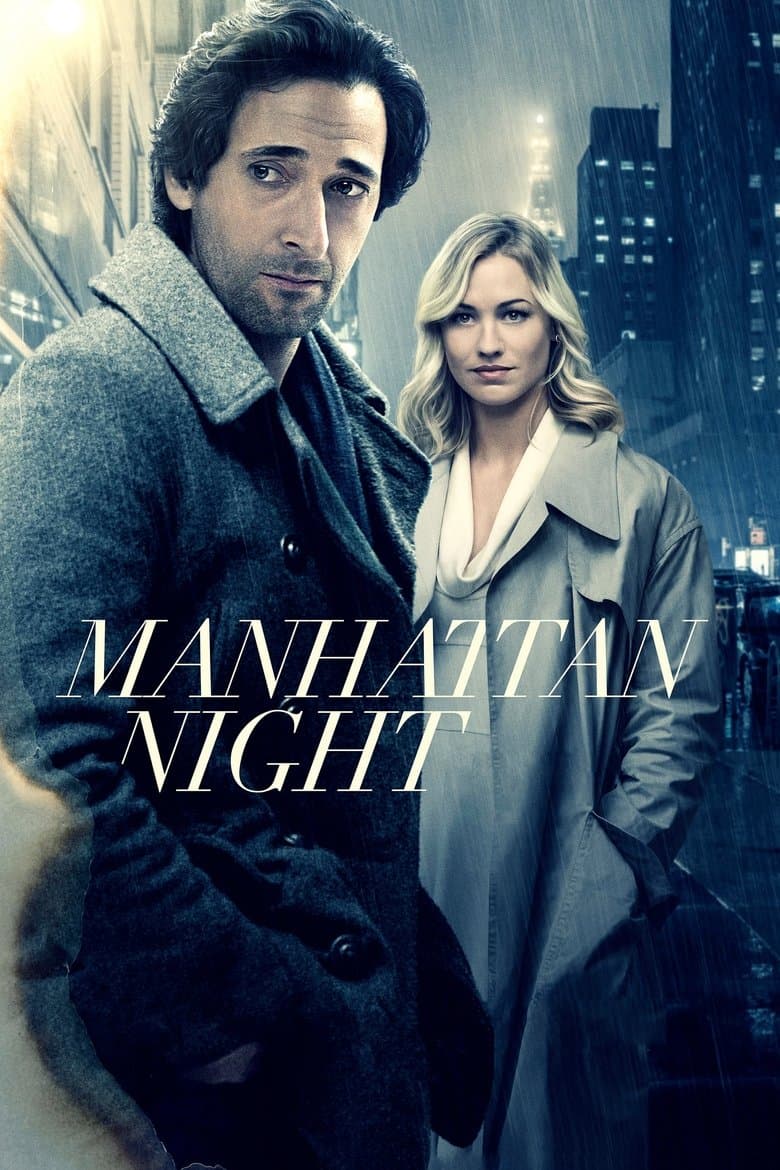
Movie · 2016
Porter Wren is a Manhattan tabloid writer with an appetite for scandal. On the beat he sells murder, tragedy, and anything that passes for the truth.
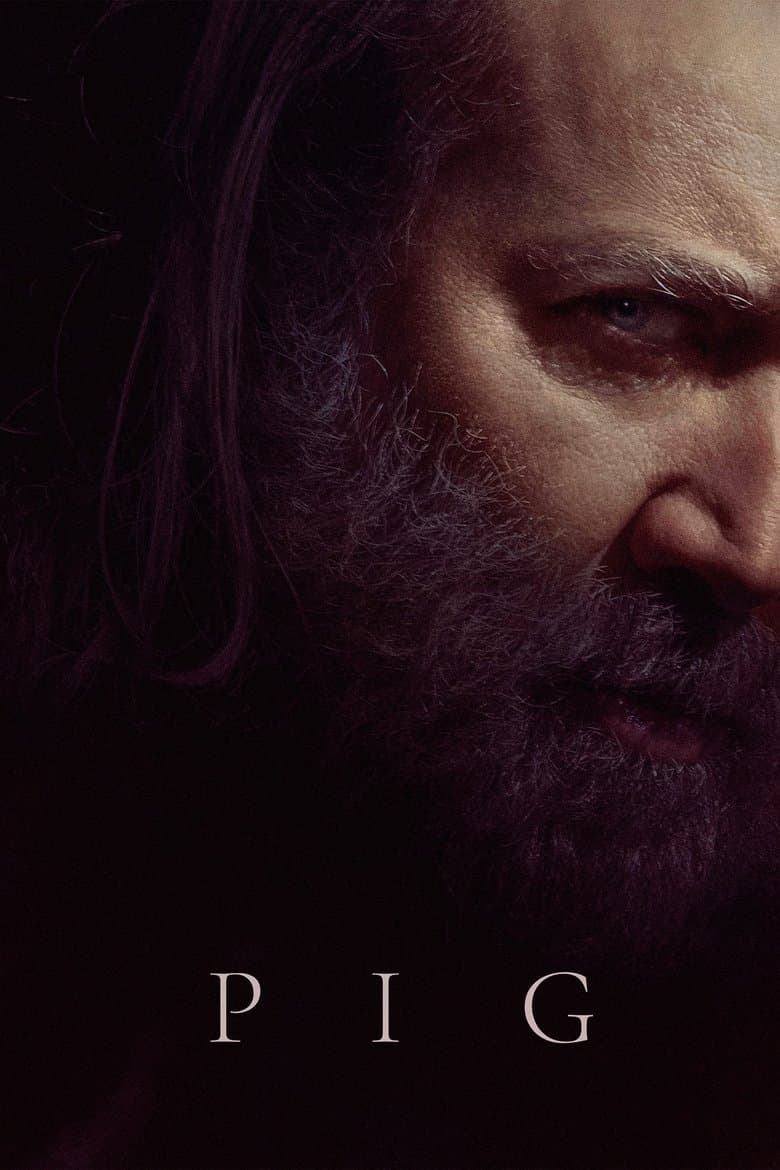
Movie · 2021
A truffle hunter who lives alone in the Oregon wilderness must visit Portland to find the mysterious person who stole his beloved foraging pig.
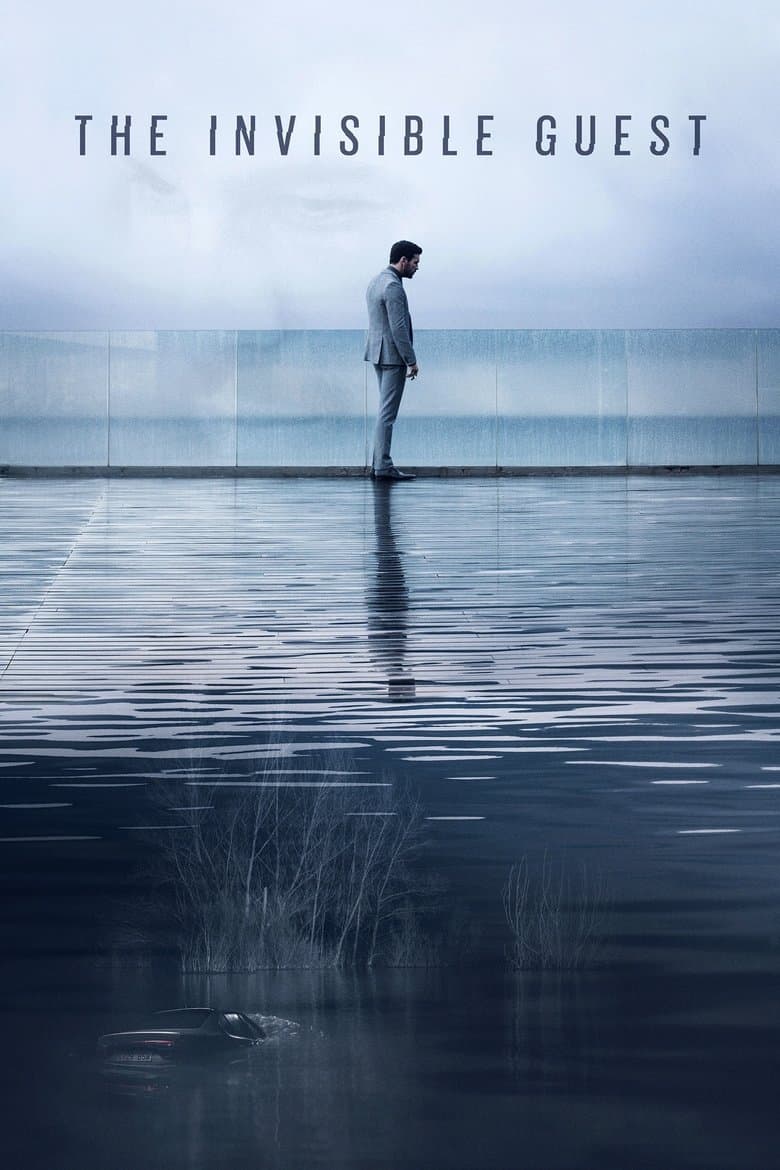
Movie · 2017
Barcelona, Spain. Adrián Doria, a young and successful businessman accused of murder, meets one night with Virginia Goodman, an expert interrogation lawyer, in order to devise a…
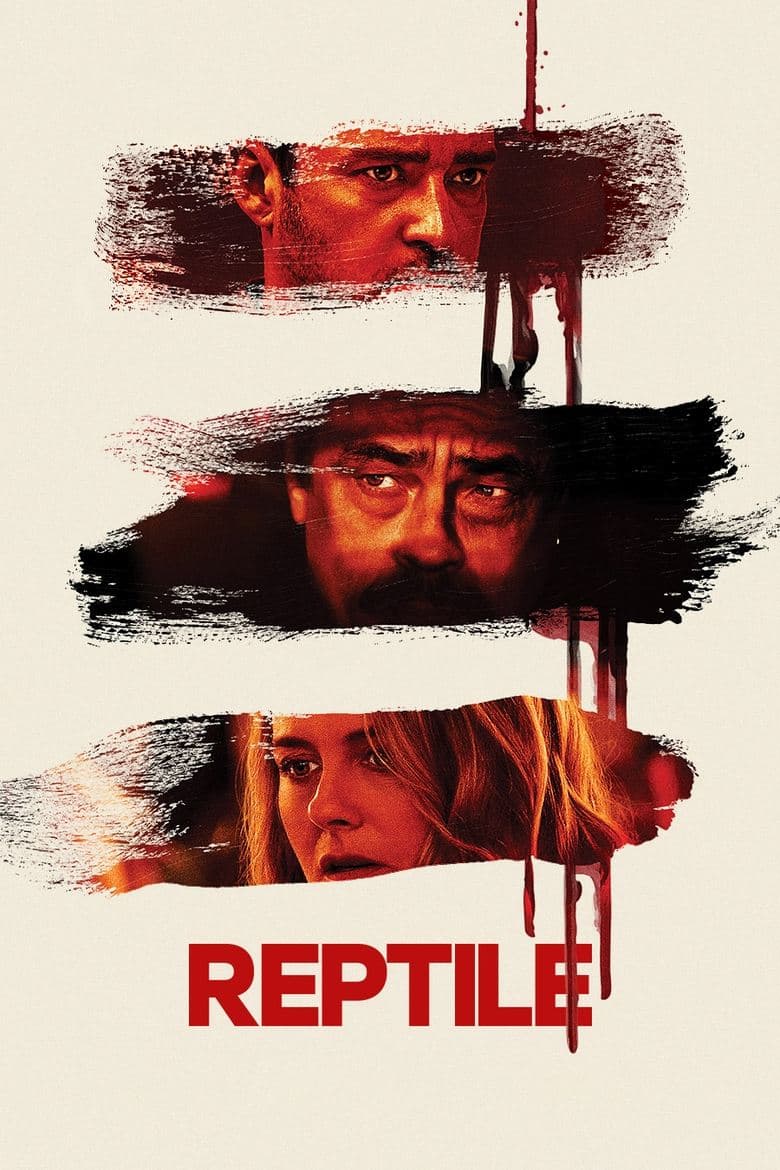
Movie · 2023
Following the brutal murder of a young real estate agent, a hardened detective attempts to uncover the truth in a case where nothing is as it seems, and by doing so dismantles the…
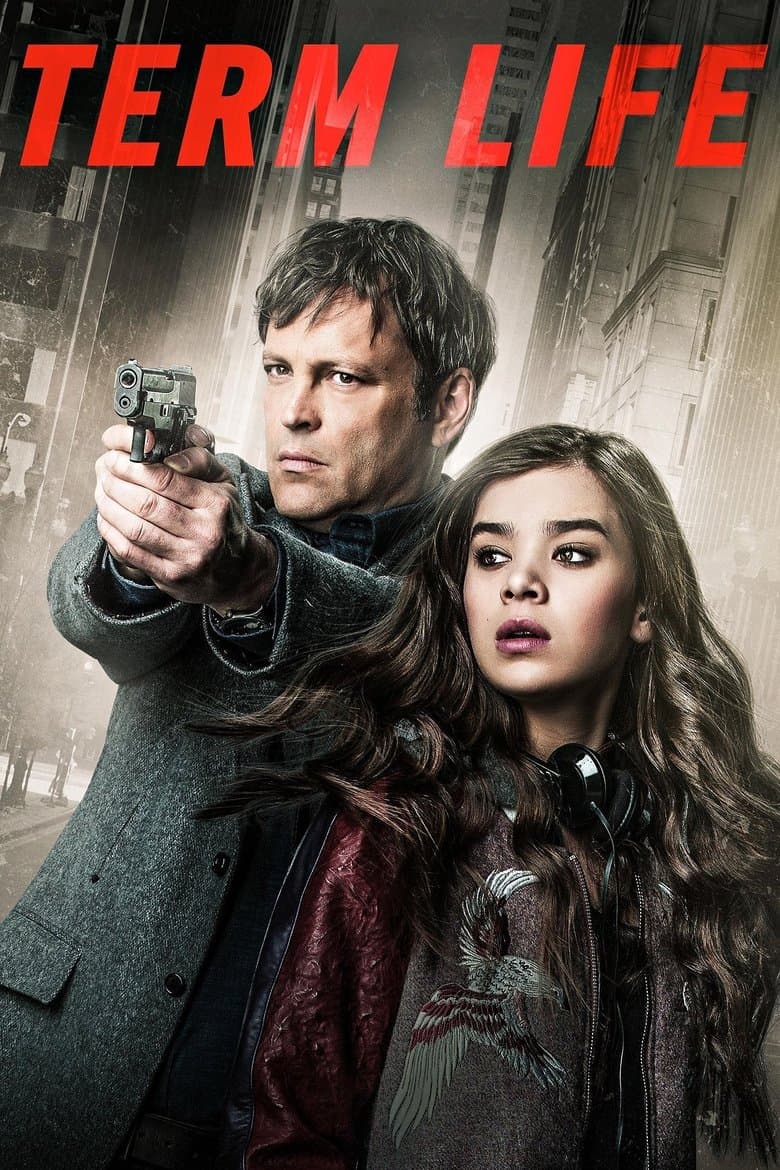
Movie · 2016
If Nick Barrow can stay alive for 21 days, he'll die happy. Everyone Nick knows wants him dead; Mob bosses, contract killers, and dirty cops.
Movie · 2017
Verena is a nurse who arrives at an old mansion in Italy to help a young boy who has fallen silent since the sudden passing of his mother.
