
Colonia follows Lena, a German Lufthansa flight attendant, after soldiers seize her and her boyfriend Daniel during Chile’s 1973 military coup. The soldiers release Lena but send Daniel to Colonia Dignidad, a closed German sect led by Paul Schäfer. Lena enters the compound by pretending to join the group, then searches for Daniel while workers face strict rules, beatings, torture, and separation from their families. The film uses romance, prison suspense, and an escape story to show a dark part of Chilean history.
The clearest identity-focused choice is Lena’s role as the active rescuer while Daniel becomes the captured partner she must find. The film presents this as a reversal of the usual story in which a man saves a woman. The story also includes short speeches and chants about Allende, the working class, justice, and the power of the rich, but these belong to the 1973 setting rather than modern identity politics. Most of the film centers on survival, religious control, political torture, family separation, and the couple’s escape.
Community feedback
Was our 33% Woke rating accurate?
Breakdown
These are the editorial factors and ratings behind our score for Colonia.
Woke representation / casting
Emma Watson plays Lena, a German flight attendant who becomes the main rescuer. The release notes call her a strong female hero and highlight that she saves her boyfriend. That makes the gender choice visible, but the cast is not built around a wider diversity message. The main roles fit the film’s German and Chilean setting, so the signal stays mild.
18%
Woke political dialogue
Daniel and other speakers support Salvador Allende and call for working-class power, justice, and shared wealth. The film repeats anti-dictatorship and socialist language during the opening and coup scenes. These ideas belong to the 1973 Chilean setting, and the film does not use modern identity or DEI language. The politics are visible but not the main message after Lena enters the colony.
18%
Identity-driven story themes
Lena drives the central rescue after Daniel is arrested and sent away. The film repeatedly shows her making the plan, entering the sect, finding Daniel, and helping Ursel escape. The story flips the familiar man-saves-woman pattern and makes female courage a major part of the story. Daniel still helps with the escape, and the film does not say that women are better than men.
42%
Western institutional / cultural critique
Not present. The film condemns a specific abusive sect, Pinochet’s dictatorship, and officials who protect them. It treats these as historical crimes rather than a modern attack on Christianity, family life, or Western culture.
0%
Woke character or canon changes
Not relevant. Lena and Daniel are fictional leads, and no race, gender, sexuality, or leadership swap involving an established character or real historical person is reported.
0%
Anti-woke backlash and complaints
A Slant review described the film as left-wing social-justice exploitation. That complaint came from one review and did not lead to a wider boycott, review-bombing wave, or news cycle. The supplied X pass found no anti-woke complaints. Other audience and news discussion focused on historical detail, tone, and the use of fictional foreign leads.
8%
Creator track record context
The director and listed writers have no sustained activist or DEI public profile. Nicolas Steil has a low political and identity signal in his public work. Benjamin Herrmann has supported diversity and anti-discrimination programs through the German Film Academy. This gives the creative team a mild context signal, but it is not tied to the film’s story.
15%
Production

Movie · 2017
Members of the Granite Mountain Hotshots battle deadly wildfires to save an Arizona town.

Movie · 2016
WWII American Army Medic Desmond T. Doss, who served during the Battle of Okinawa, refuses to kill people and becomes the first Conscientious Objector in American history to…
Movie · 2019
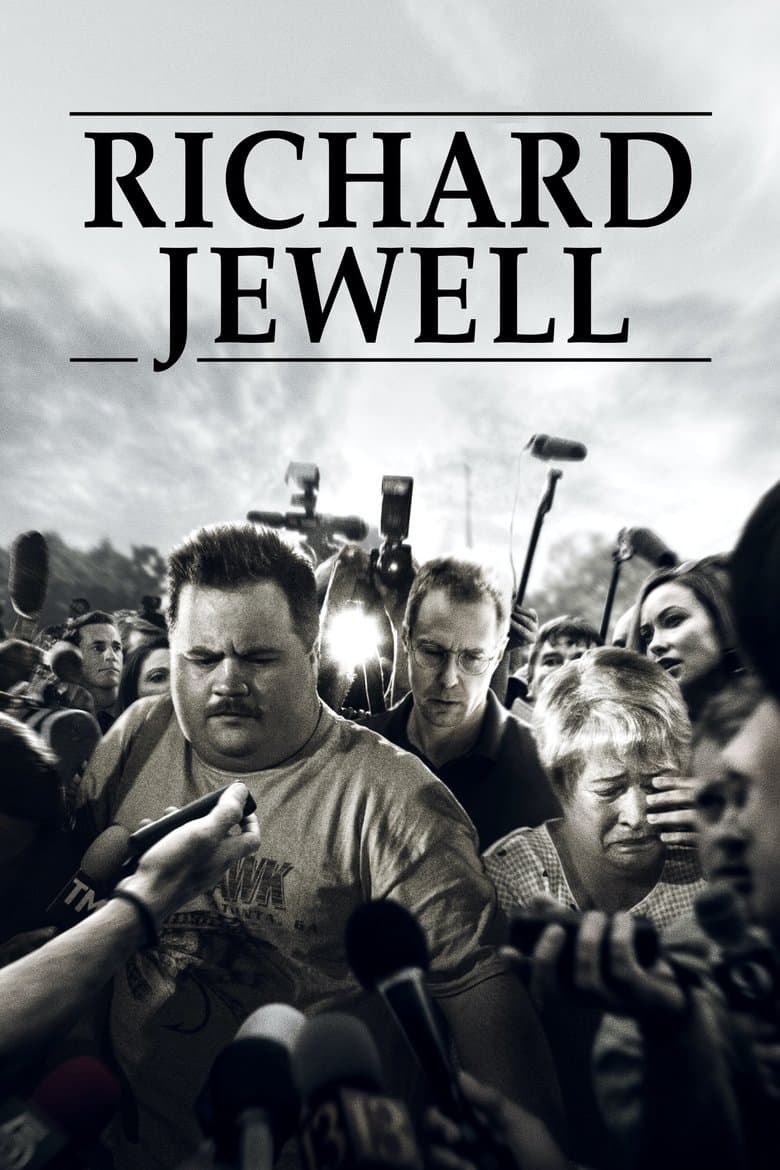
Richard Jewell thinks quick, works fast, and saves hundreds, perhaps thousands, of lives after a domestic terrorist plants several pipe bombs and they explode during a concert…

Movie · 2020
A man refuses all assistance from his daughter as he ages and, as he tries to make sense of his changing circumstances, he begins to doubt his loved ones, his own mind and even…

Movie · 2016
After his older brother passes away, Lee Chandler is forced to return home to care for his 16-year-old nephew.

Movie · 2023
The story of J. Robert Oppenheimer's role in the development of the atomic bomb during World War II.

Movie · 2022
London, 1953. Mr. Williams, a veteran civil servant, is an important cog within the city's bureaucracy as it struggles to rebuild in the aftermath of World War II.

Movie · 2025
Diagnosed with Tourette Syndrome at 15, John Davidson navigates his way against the odds through troubled teenage years and into adulthood, finding inspiration in the kindness of…
