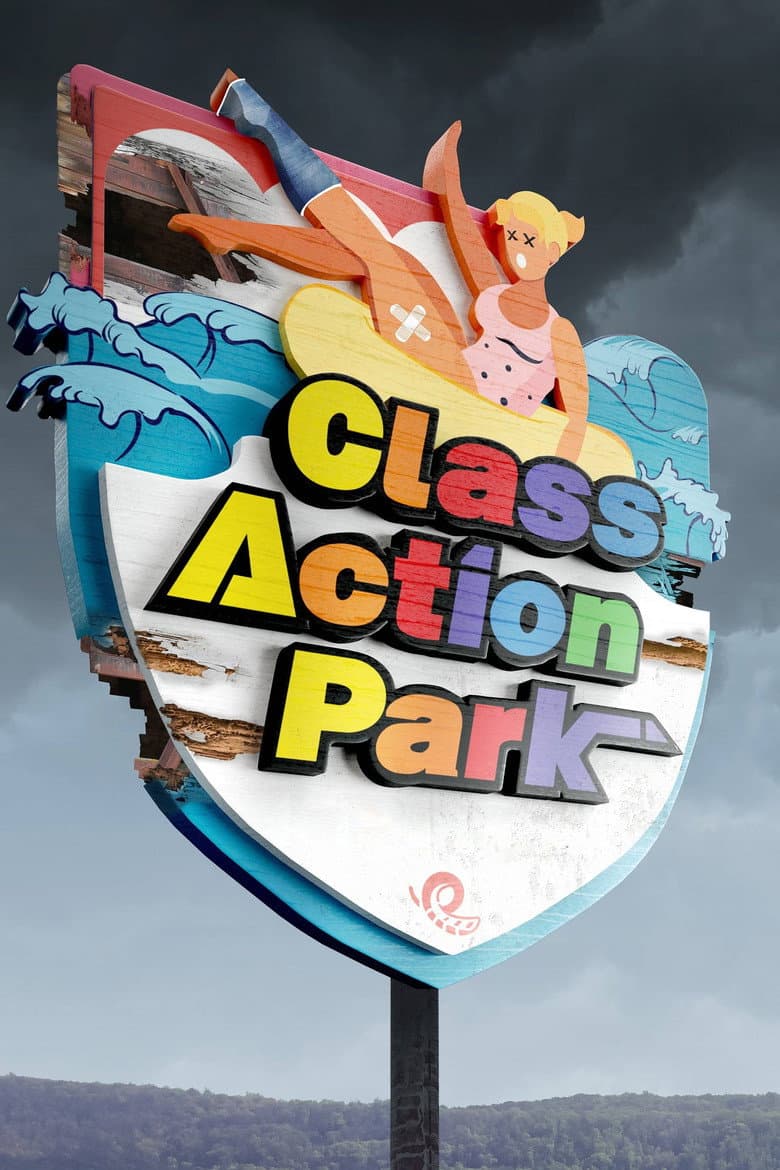
This 2020 documentary tells the true story of Action Park, a wild water park in Vernon, New Jersey, in the 1980s and 1990s. Owner Gene Mulvihill wanted a place with almost no rules. Rides were rough, often unsafe, and run by young staff. Guests got hurt a lot, and some people died. The film mixes old footage, new interviews, and simple animation. The tone starts fun and crazy, then turns serious when it covers the deaths and cover-ups.
The film’s main push is safety, greed, and how people still joke about a place that hurt real people. Viewers hear about fake insurance, broken rules, and a park boss who dodged the law. Mulvihill is likened to big-ego money men of the 1980s, and the film notes he was friends with Donald Trump, who looked at investing and walked away. Some talk frames the park as free-market “no rules” thinking gone wrong and as a product of that era’s loose oversight. A normal viewer notices the money-and-power critique and the Trump parallel more than any race, gender, or queer identity agenda. Those identity themes are not the story’s center.
Community feedback
Was our 28% Woke rating accurate?
Breakdown
These are the editorial factors and ratings behind our score for Class Action Park.
Woke representation / casting
This is a nonfiction doc built from real workers, guests, and a victim’s family. Faces match who lived the park story. There is no clear “diversity casting” plan or quota-style star casting for identity signaling.
0%
Woke political dialogue
Speakers and framing compare Mulvihill to Donald Trump and tag the park as extreme free-market / “Ayn Rand meets Lord of the Flies” chaos. Lines hit greed, fake insurance, and dodging rules. That is political color about power and money, not identity-politics speeches.
28%
Identity-driven story themes
Core themes are unsafe fun, cover-ups, fraud, and why people still miss a dangerous childhood. The film critiques blind nostalgia more than race, gender, or queer identity. Identity-politics plotlines are not the engine of the story.
0%
Western institutional / cultural critique
Clear critique of “no rules” business, weak oversight, fake insurance, and 1980s personal-responsibility talk used to blame riders. Press and the film tie Mulvihill’s style to Trump-era hustler energy and Reagan-era loose rules. That is modern liberal institutional critique of greed and deregulation, not a race/gender/whiteness/patriarchy sermon. Noticeable but not the whole movie.
38%
Woke character or canon changes
Not relevant. Nonfiction about a real park and real people; no identity-driven rewrites of legacy fiction characters or forced identity swaps of history.
0%
Anti-woke backlash and complaints
Public talk is about how nuts and deadly the park was. No major right-leaning campaign treating the film as woke, DEI, or identity propaganda turned up in research.
0%
Creator track record context
Scott’s cached profile is mildly political/cultural (22); Porges and the listed producers sit near 0. Overall crew signal for activist or identity-first work is light and only weakly linked to this park story.
12%
Production
Movie · 2017
An intimate journey through the formative years of David Lynch's life. From his idyllic upbringing in small town America to the dark streets of Philadelphia, we follow Lynch as he…
Movie · 2016
The Beatles stormed through Europe's music scene in 1963, and, in 1964, they conquered America. Their groundbreaking world tours changed global youth culture forever and…
Movie · 2023
A courageous pastor uses his underground network to rescue and aid North Korean families as they risk their lives to embrace freedom.
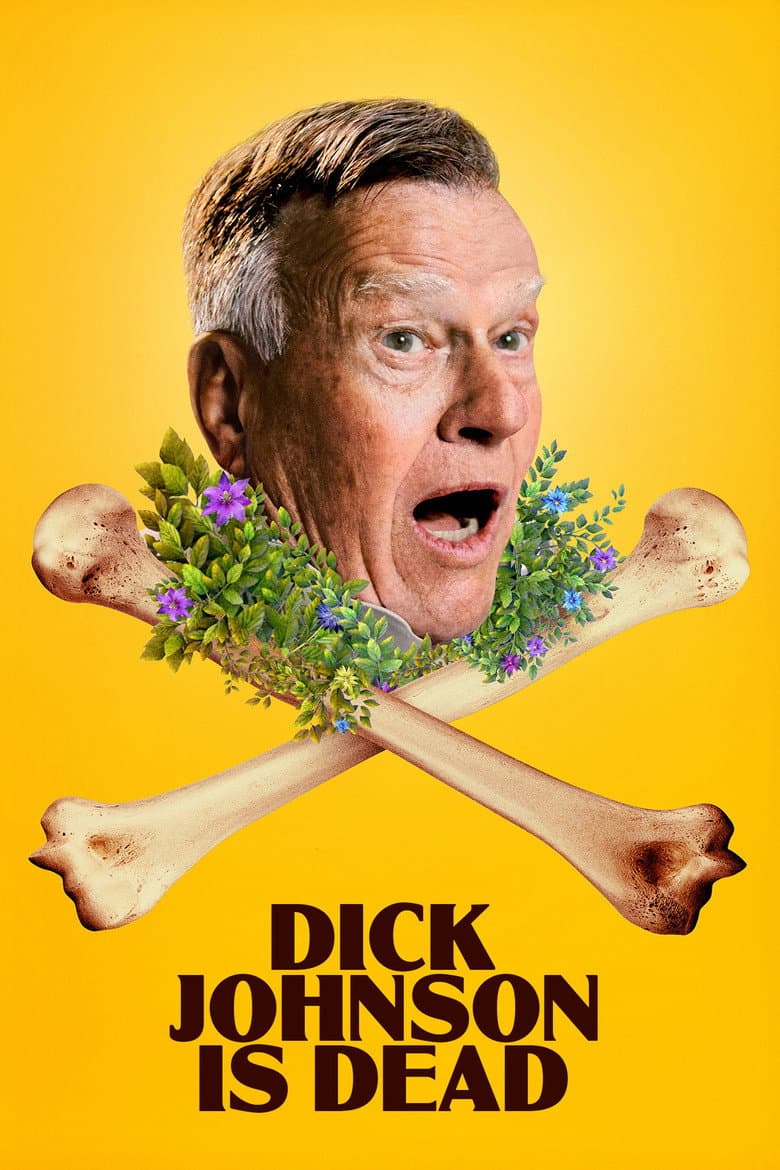
Movie · 2020
With this inventive portrait, director Kirsten Johnson seeks a way to keep her 86-year-old father alive forever.
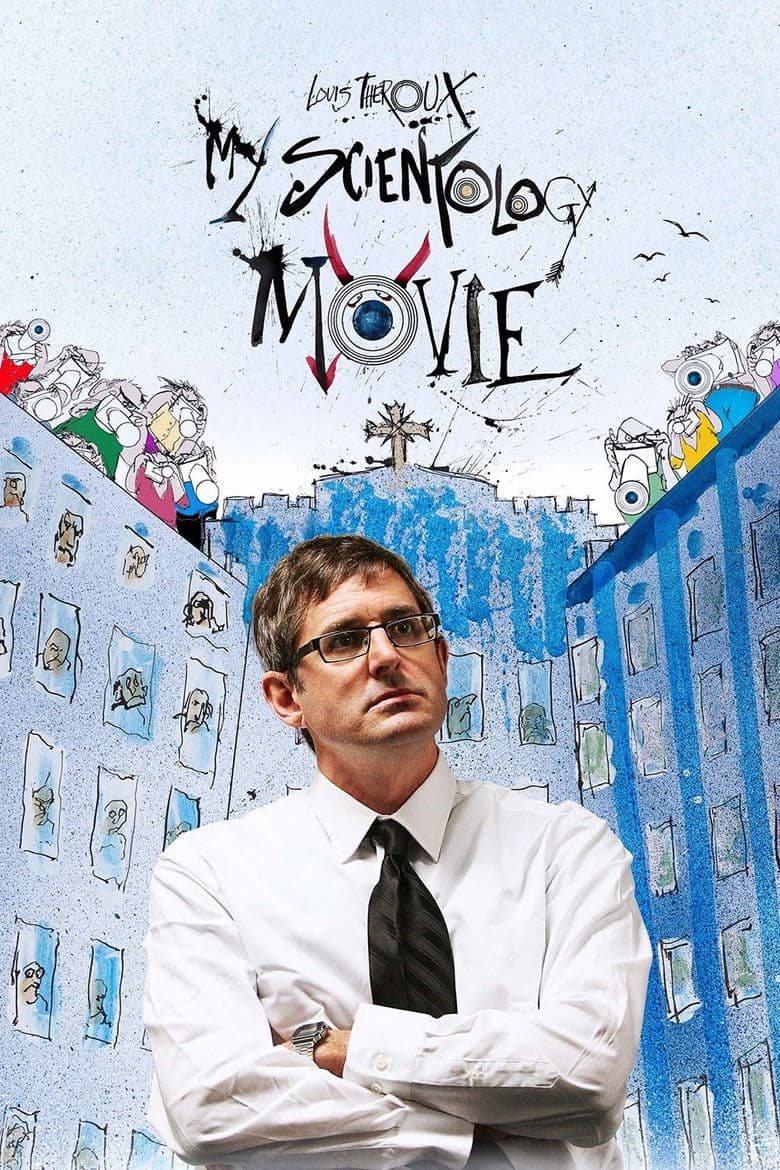
Movie · 2016
After being denied access to the Church of Scientology's headquarters, documentarian Louis Theroux teams up with ex-Scientology official Marty Rathbun to stage re-enactments of…
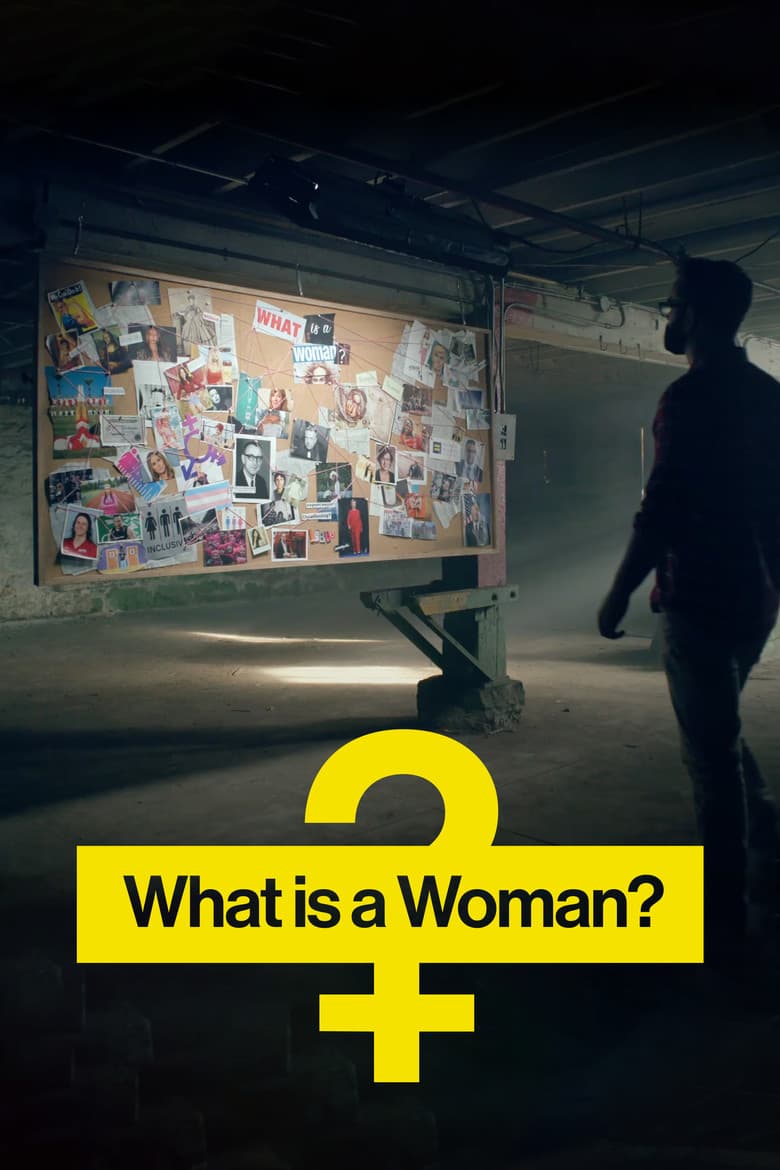
Movie · 2022
Matt Walsh's controversial doc challenges radical gender ideology through provocative interviews and humor.
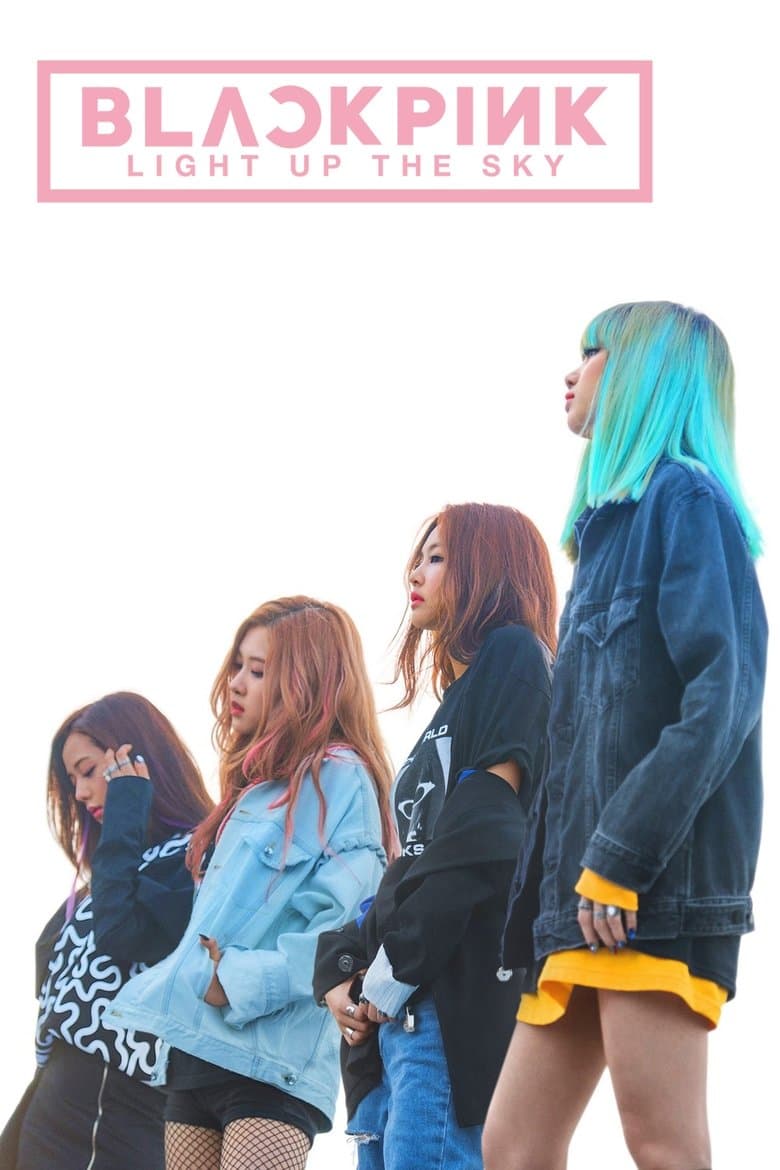
Movie · 2020
Record-shattering Korean girl band BLACKPINK tell their story — and detail the hard fought journey of the dreams and trials behind their meteoric rise.
Movie · 2025
Vulgar, taunting texts blow up the phones of a teen and her boyfriend. Who's sending them — and why? This twisty documentary reveals the shocking answer.
