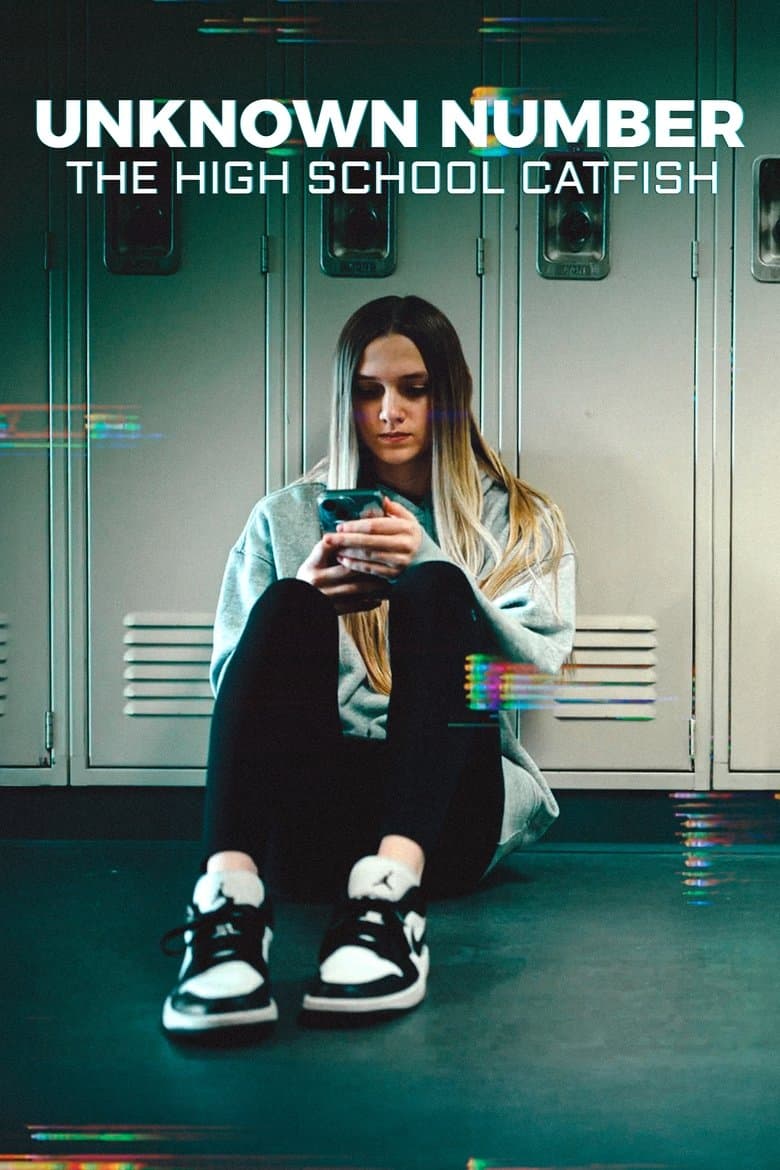
Unknown Number: The High School Catfish follows Lauryn Licari, a teenager in Beal City, Michigan, whose life is shaken by cruel texts from an unknown number. Her boyfriend Owen receives messages too, and the attacks spread fear through their small school and families. The texts claim that Owen wants another girl and later tell Lauryn to harm herself. The film has a tense, disturbing true-crime tone as the town tries to find the sender.
Police first suspect students and other people close to the teens, but the case grows until the FBI traces the messages to Lauryn’s mother, Kendra. The film shows the arrest, the family’s shock, and Kendra’s attempt to explain her actions after hiding behind fake numbers. Lauryn must face the loss of trust in her mother while also dealing with the end of her relationship with Owen. The story centers on cyberbullying, family control, trauma, and the damage that online messages can cause.
Community feedback
Was our 3% Woke rating accurate?
Breakdown
These are the editorial factors and ratings behind our score for Unknown Number: The High School Catfish.
Woke representation / casting
Not present. The documentary uses the real people from a small-town Michigan case. Their identities are not framed as a diversity message.
0%
Woke political dialogue
Not present. The spoken material concerns cyberbullying, family trust, police work, and trauma. The film does not present current activist or partisan political arguments.
0%
Identity-driven story themes
Not present. The story centers on online harassment, family abuse, broken trust, and the effect on a small town. Race, gender, sexuality, or group identity does not shape the story’s message.
0%
Western institutional / cultural critique
Not present. The film shows school staff, local police, and the FBI trying to solve the case. It does not frame those institutions through modern activist criticism of family, gender, religion, capitalism, or conservative culture.
0%
Woke character or canon changes
Not relevant. This is a standalone documentary about real people and a real case. It does not rewrite an established character, story, or historical event around identity politics.
0%
Anti-woke backlash and complaints
Not present. The reviewed public reaction focuses on the reveal, Kendra’s conduct, Lauryn’s safety, and the film’s structure. No clear complaint says the title pushes woke, DEI, identity politics, or left-wing messaging.
0%
Creator track record context
Skye Borgman has publicly supported hiring women and diverse voices, which gives a mild representation-first context signal. David Metzler is linked to Queer Eye, a show built around five gay male experts. Ross Girard worked on Hysterical, a documentary about women comedians facing barriers. The title-specific interviews describe this film as a cyberbullying story about trust, trauma, and listening to children.
15%
Production
Movie · 2022
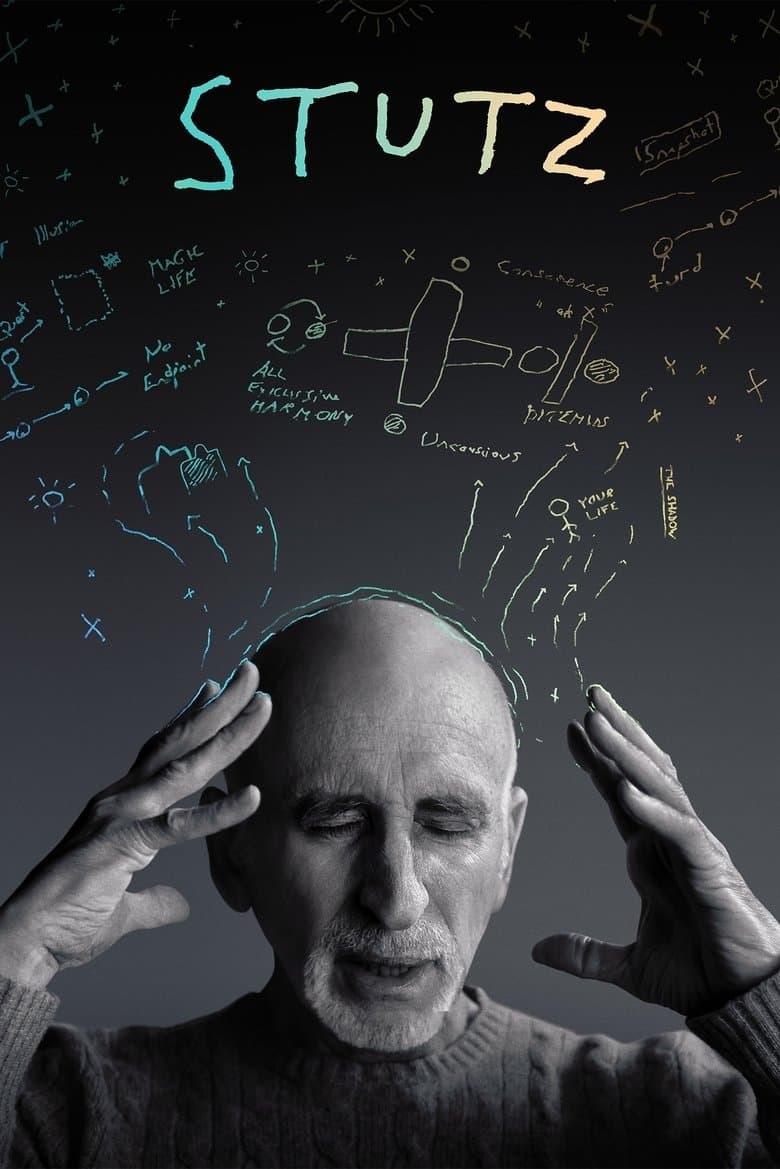
In candid conversations with actor Jonah Hill, leading psychiatrist Phil Stutz explores his early life experiences and unique, visual model of therapy.

Movie · 2022
A young mother’s mysterious death and her son’s subsequent kidnapping blow open a decades-long mystery about the woman’s true identity, and the murderous federal fugitive at the…

Movie · 2022
Follows the man who survived an assassination attempt by poisoning with a lethal nerve agent in August 2020. During his months-long recovery, he makes shocking discoveries about…

Movie · 2016
Supersonic charts the meteoric rise of Oasis from the council estates of Manchester to some of the biggest concerts of all time in just three short years.

Movie · 2022
The inspirational rise of SpaceX as well as Elon Musk's two-decade effort to resurrect America’s space travel ambitions.
Movie · 2021
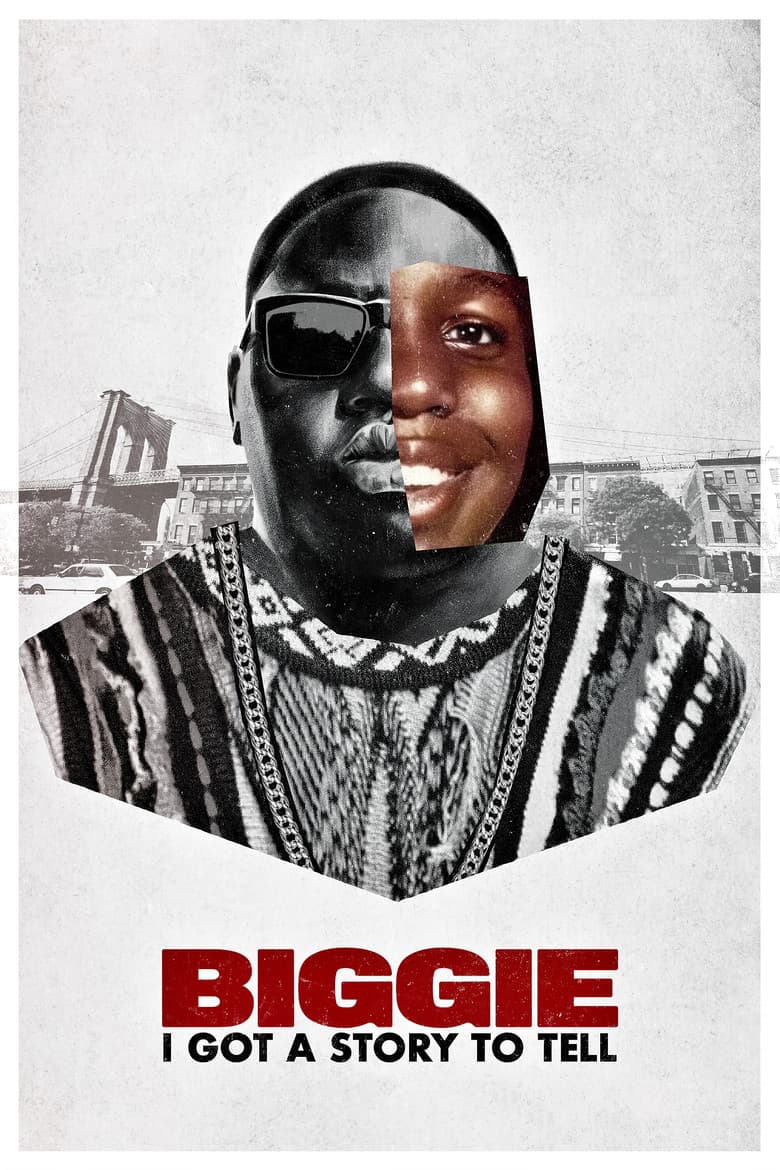
Christopher Wallace, AKA The Notorious B.I.G., remains one of Hip-Hop’s icons, renowned for his distinctive flow and autobiographical lyrics.

Movie · 2025
The individual journeys of the four members of the band, as they move through the music scene of the 1960s, playing small clubs throughout Britain and performing some of the…

Movie · 2021
Through exclusive interviews and archival footage, this documentary traces an intimate portrait of seven-time Formula 1 champion Michael Schumacher.
