
Andrew is a 22-year-old fresh out of college. He moves back to his New Jersey home with no clear plan. He starts working as a party starter at bar and bat mitzvahs. There he meets Domino, a young mom, and her teenage daughter Lola. The movie is warm, funny, and soft about growing up, friendship, and messy love.
The main social point viewers will notice is autism and real-life casting, not race or queer politics. Lola is autistic, and the role went only to autistic actors. Press and interviews talked a lot about “authentic” disability casting. The story is still about Andrew feeling lost, caring for people too hard, and learning limits. Domino has her own mind and turns down a young-man “rescue.” There is no big activist speech track. The tone is gentle family and romance drama, with disability treated as real life, not a protest film.
Community feedback
Was our 31% Woke rating accurate?
Breakdown
These are the editorial factors and ratings behind our score for Cha Cha Real Smooth.
Woke representation / casting
Lola is a major role played by autistic actress Vanessa Burghardt after a firm “autistic actors only” rule. That choice was loud in marketing and interviews as “authentic representation.” The rest of the lead cast is mostly white suburban; Raúl Castillo as Domino’s fiancé is normal modern casting, not a race-swap or girlboss-scientist pattern. Disability identity casting is the clear, audience-visible signal—not race or queer casting.
36%
Woke political dialogue
Talk is about parties, crushes, babysitting, bullying, autism social needs, and personal limits. No slogans about race, systemic “whiteness,” gender ideology, or party politics. A normal viewer hears life talk, not activist speeches.
0%
Identity-driven story themes
Autism shapes Lola’s life and how Domino and Andrew care for her, so disability is part of the story’s heart. Themes also include growing up, soft male “nice guy” habits, female choice (Domino will not be “saved”), and mental health. These read as personal drama more than modern identity politics. Queer identity is not part of the plot.
28%
Western institutional / cultural critique
Mild pushback on over-giving “nice guy” romance and on Domino needing a young man to fix her life. Step-dad friction and job-search drift stay personal, not a big attack on churches, the West, or capitalism. Soft relationship norms, not a culture-war sermon.
5%
Woke character or canon changes
Not relevant. Original story, not a remake of known characters, history, or canon.
0%
Anti-woke backlash and complaints
No major anti-woke or right-leaning campaign treating the film as DEI, race, gender, or queer propaganda. Complaints about sweetness, age gap, or wish fulfillment do not count here.
0%
Creator track record context
Key creative weight sits with Raiff (~25) and Johnson (~40); most other producers and the casting director are low. Raiff’s hard line on disabled casting matches this title. Overall crew track record is mild-to-moderate, not a heavy activist slate.
26%
Production
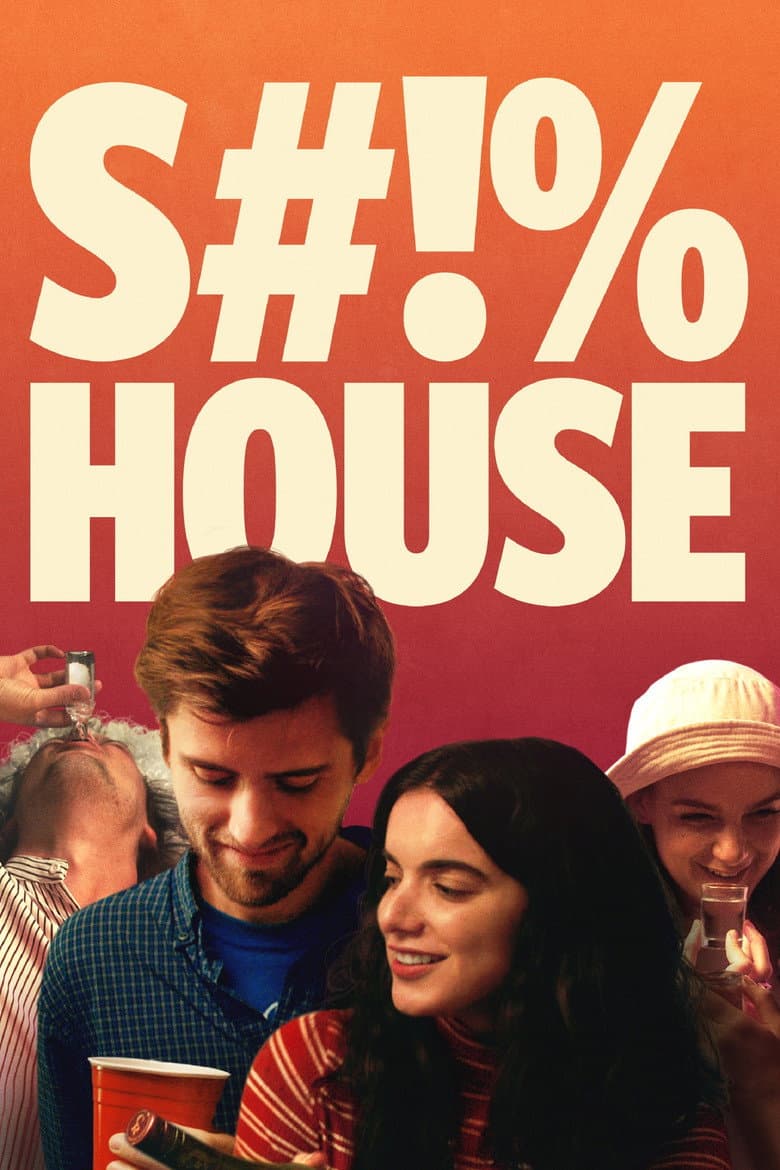
Movie · 2020
Lonely college freshman Alex has closed himself off from his peers, who all appear to have this whole "college thing" figured out.

Movie · 2023
College freshman Abby tries to distance herself from her dark past while resisting her attraction to bad boy Travis.
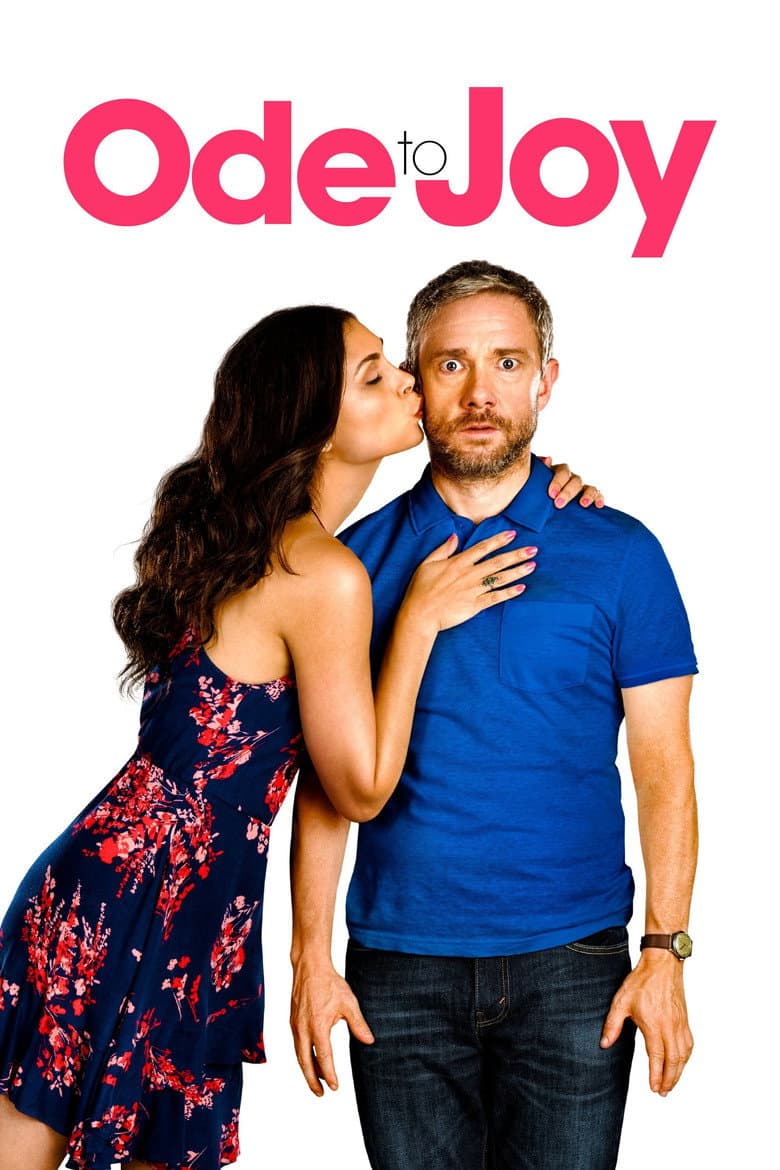
Movie · 2019
Charlie suffers from a serious disease that causes acute narcolepsy whenever he is happy. Although he develops a variety of techniques to deny himself pleasure and deal with his…

Movie · 2020
A teenager lives out the hilarious and often tragic consequences of being lethally attractive, until he meets a girl with a congenital defect.

Movie · 2023
Mira Ray, dealing with the loss of her fiancé, John, sends a series of romantic texts to his old cell phone number… not realizing the number was reassigned to Rob Burns' new work…
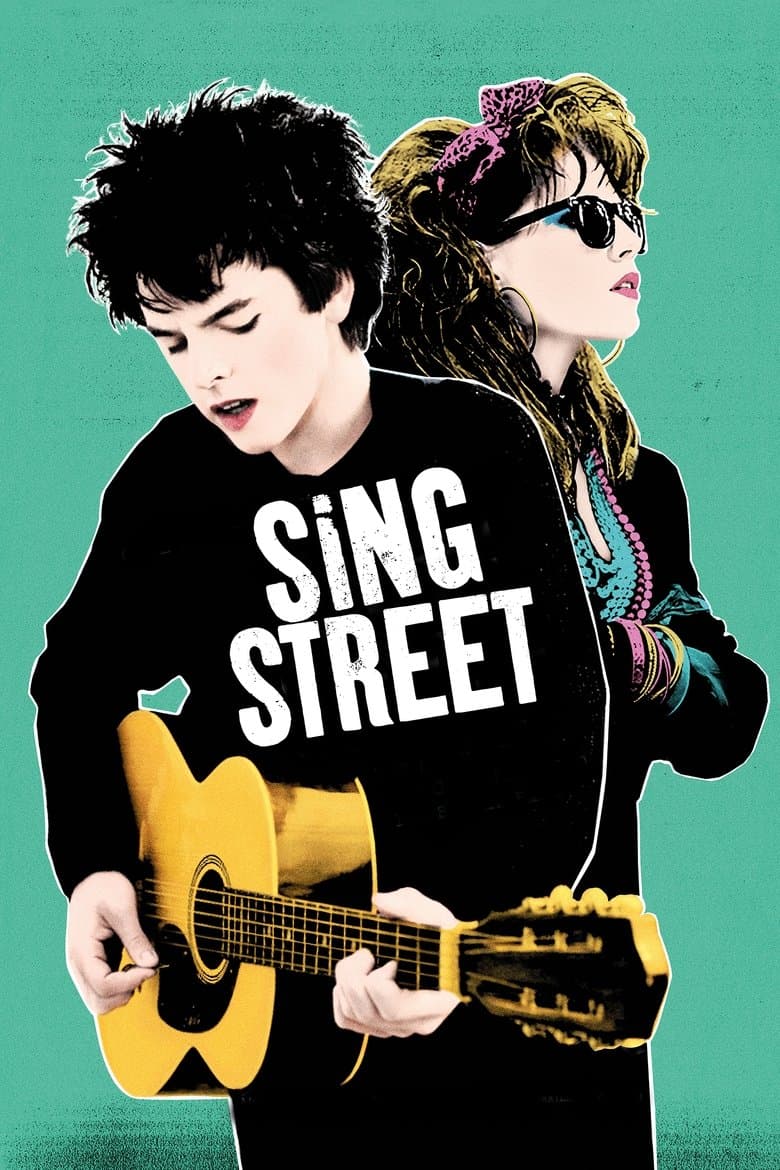
Movie · 2016
A boy growing up in Dublin during the 1980s escapes his strained family life by starting a band to impress the mysterious girl he likes.

Movie · 2023
Michelle and Allen, who have reached the point in their relationship where they are considering next steps, decide to invite their parents to finally meet and to offer some…

Movie · 2023
Two romantic burnouts, Jane and Will, are immediately drawn to each other at a mutual friend’s wedding. After a disastrous hookup in the coatroom, the two spend the next 24 hours…
