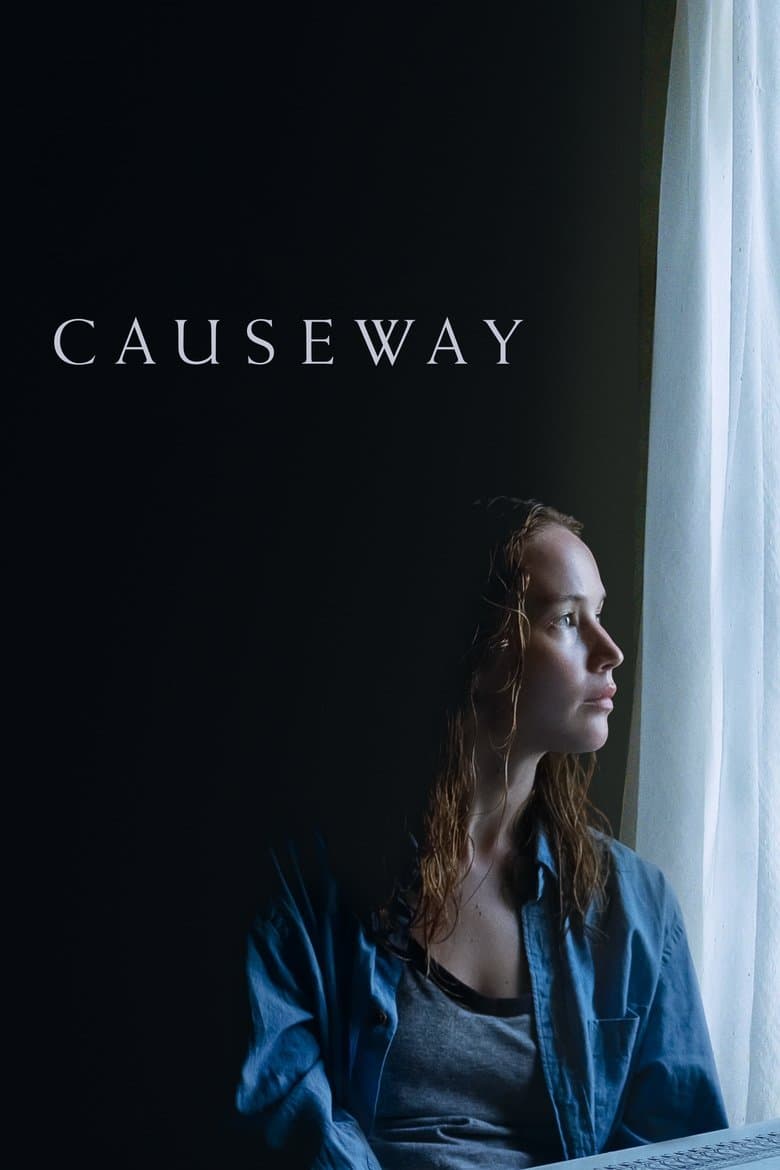
Lynsey is a U.S. soldier who comes home to New Orleans after a bomb in Afghanistan hurts her brain. Simple tasks are hard. She wants to get well and go back to the army. She meets James, a local mechanic who is also hurt and grieving. The film is quiet and sad, and it focuses on their careful friendship.
The clearest identity note is that Lynsey is a lesbian. She says so out loud when a man at a bar hits on her and when she sets clear lines with James. That detail is easy to notice, but the movie does not turn into a story about coming out, pride, or anti-gay hate. The big story is trauma, family strain, guilt, and two broken people helping each other heal. Lynsey is a woman veteran and James is a black man with a missing leg, and their bond sits at the center. There is little activist speech or anti-America lecturing. Some queer writers called it a queer military movie; many viewers still saw it mainly as a soft drama about recovery.
Community feedback
Was our 32% Woke rating accurate?
Breakdown
These are the editorial factors and ratings behind our score for Causeway.
Woke representation / casting
Lead is a woman veteran written as a lesbian, said clearly on screen. Co-lead is black mechanic Brian Tyree Henry in modern New Orleans; their friendship is the heart of the film. Deaf actor Russell Harvard plays Lynsey’s brother. Diversity is visible but not sold as a quota showpiece. Confirmed LGBTQ lead detail raises this from low into the lower noticeable range.
36%
Woke political dialogue
Almost no activist speeches. Talk is about injury, meds, family pain, guilt, and wanting to redeploy. The lesbian line is personal boundary-setting, not a political speech. Viewers will not hear a social-justice lecture track.
5%
Identity-driven story themes
Core themes are brain injury, PTSD, broken home life, and hard-won friendship. Sexuality sets that Lynsey will not date James and makes a late kiss messy, but the plot is not about queer rights or identity struggle. LGBTQ detail still adds weight under the scoring rules, yet it stays a side trait, not the engine of the story.
34%
Western institutional / cultural critique
The army is Lynsey’s escape and she fights to go back; the film does not run a modern anti-military or anti-West sermon. Some left reviews even called it too soft on war. Family mess and prison appear as personal pain, not a big lecture on systems, patriarchy, or colonial guilt.
0%
Woke character or canon changes
Not present in this title.
0%
Anti-woke backlash and complaints
No clear, wide anti-woke campaign treating the film as DEI propaganda or forced identity politics. Public debate was about acting quality, slow pace, and (on the left) war neutrality. Those do not score here.
0%
Creator track record context
Key writers score low on activist records. Director is mild. Star/producer Jennifer Lawrence and producer Joshua Bachove pull the crew average up a bit. Cached context supports a quiet progressive-leaning industry team, not a hard identity-agenda project for this title.
25%
Production
Movie · 2024
On the brink of the Second World War, a young Norwegian man's drive to resist the Nazis sets a new course for his future – and the future of his country.

Movie · 2016
After his older brother passes away, Lee Chandler is forced to return home to care for his 16-year-old nephew.
Movie · 2016
WWII American Army Medic Desmond T. Doss, who served during the Battle of Okinawa, refuses to kill people and becomes the first Conscientious Objector in American history to…
Movie · 2025
Diagnosed with Tourette Syndrome at 15, John Davidson navigates his way against the odds through troubled teenage years and into adulthood, finding inspiration in the kindness of…
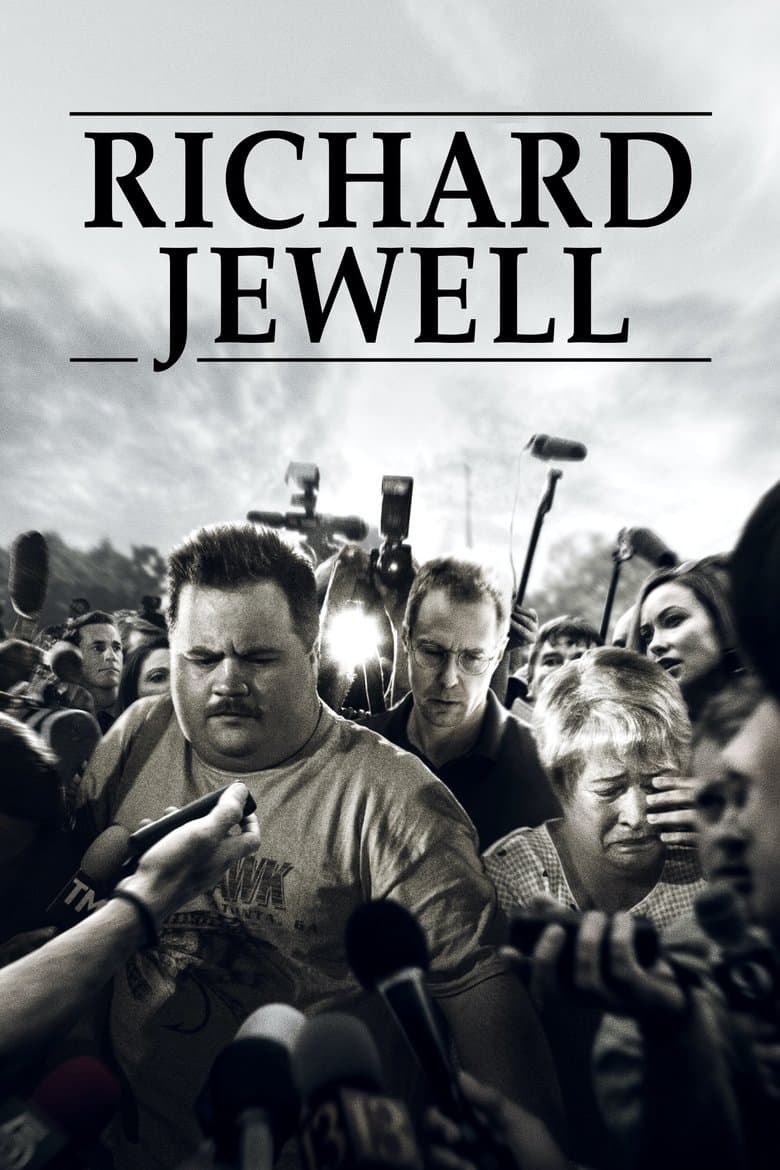
Movie · 2019
Richard Jewell thinks quick, works fast, and saves hundreds, perhaps thousands, of lives after a domestic terrorist plants several pipe bombs and they explode during a concert…
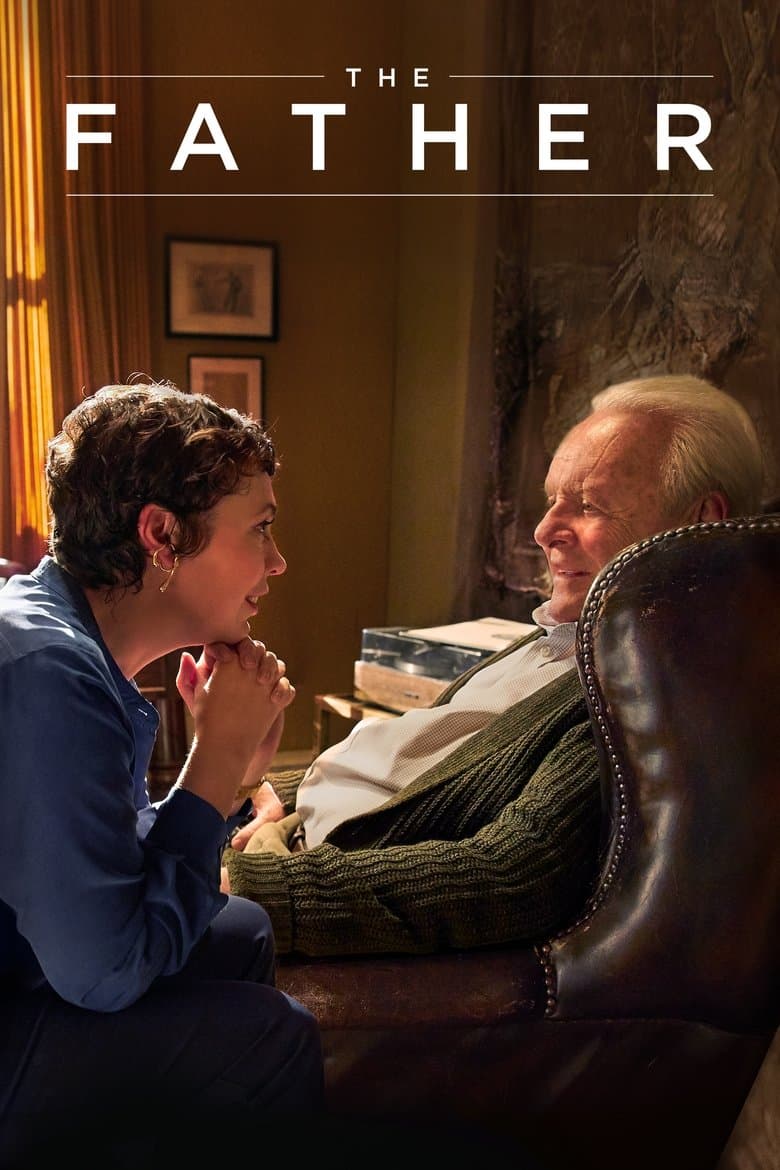
Movie · 2020
A man refuses all assistance from his daughter as he ages and, as he tries to make sense of his changing circumstances, he begins to doubt his loved ones, his own mind and even…
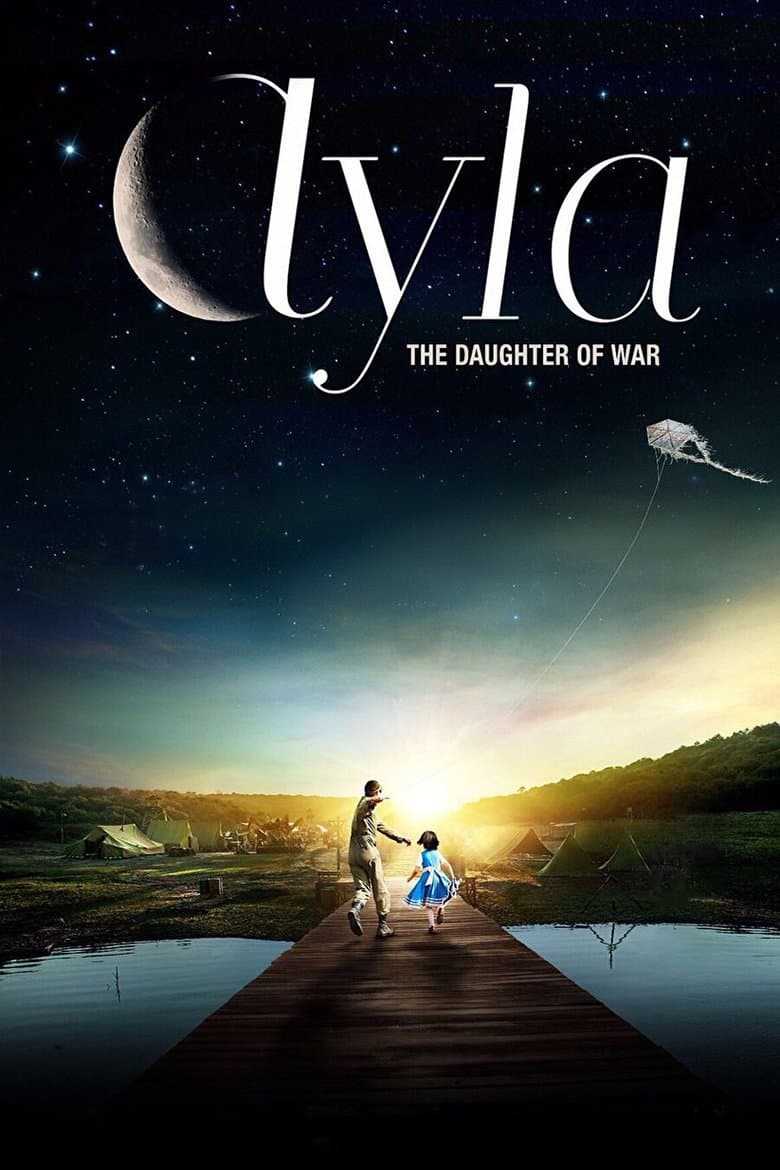
Movie · 2017
In 1950, amidst the ravages of the Korean War, Sergeant Süleyman stumbles upon a a half-frozen little girl, with no parents and no help in sight and he risks his own life to save…
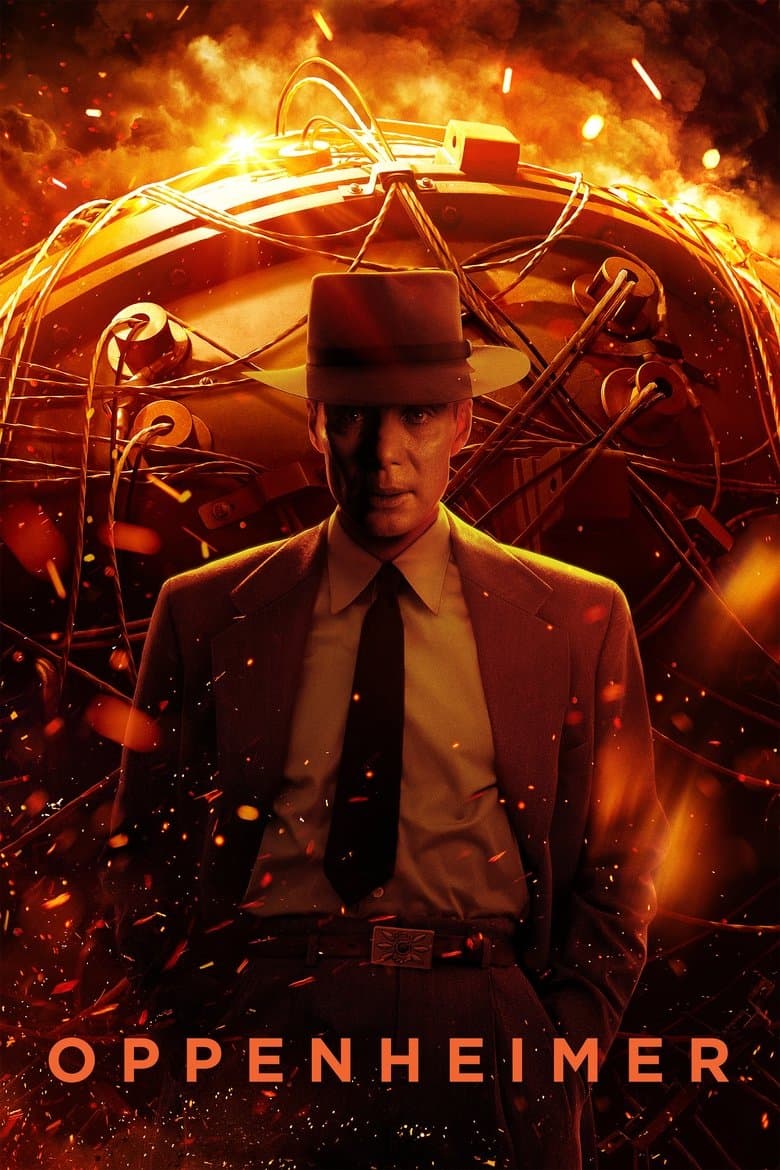
Movie · 2023
The story of J. Robert Oppenheimer's role in the development of the atomic bomb during World War II.
