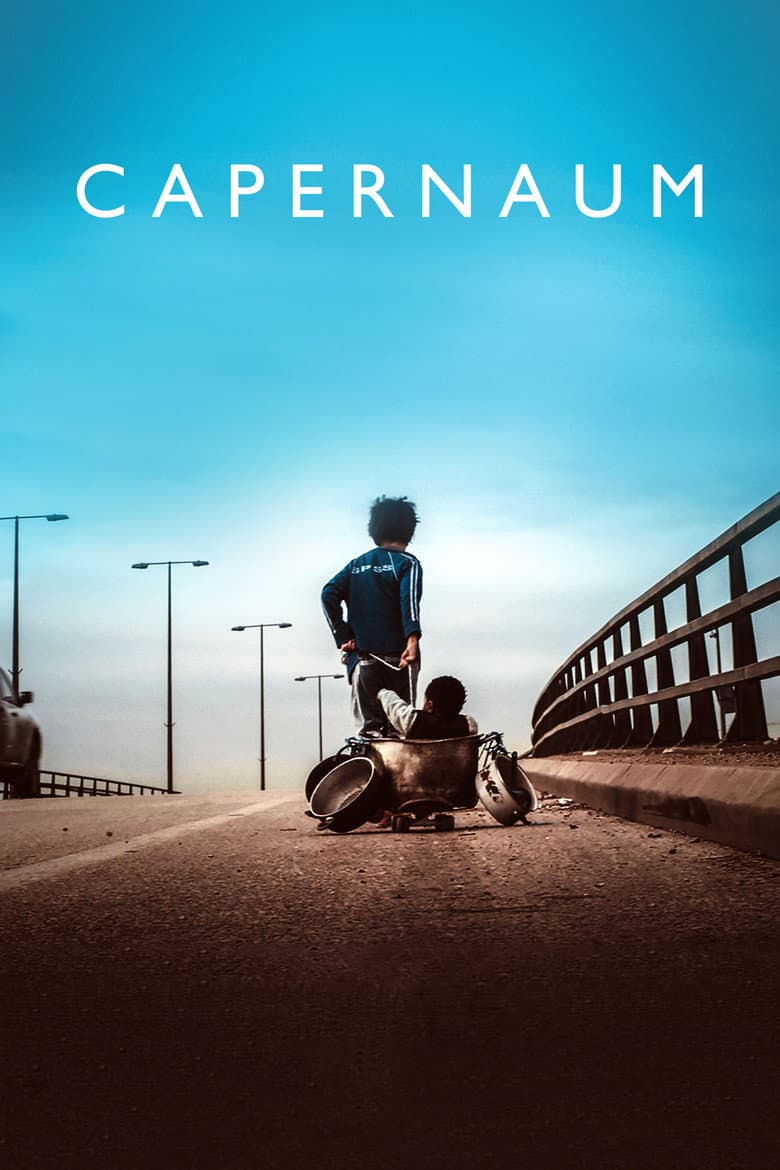
Capernaum follows Zain, a tough 12-year-old boy living in a poor part of Beirut. He runs away after his parents let his younger sister be married to an older man for food and household goods. He survives on the streets, cares for Rahil’s baby when Rahil is arrested, and later tells a judge that his parents should not have brought him into the world. The film feels harsh and urgent, but small moments of care give the story a little hope.
The film puts child poverty, refugee life, illegal work, missing birth papers, child marriage, trafficking, and neglect at the center of its story. It treats legal identity, safety, education, and loving care as basic rights that children and migrants are denied. Zain’s case turns a family crisis into a wider attack on the systems that leave poor children unseen. Rahil’s story also makes migration and the fear of police a major part of the middle section. These themes shape nearly every major event, so the film carries a strong social-justice message even though it uses personal drama instead of long political speeches.
Community feedback
Was our 59% Woke rating accurate?
Breakdown
These are the editorial factors and ratings behind our score for Capernaum.
Woke representation / casting
Not present. The film uses Lebanese, Syrian, and Ethiopian characters in a Beirut story about poverty and migration. Its nonprofessional performers were cast for close links to the roles, so the visible mix serves the story rather than a one-of-each diversity design.
0%
Woke political dialogue
Zain repeatedly says that adults failed him and that children should not be brought into a life without care. Court and prison scenes treat birth papers, legal identity, and protection from abuse as basic rights. Rahil’s scenes show the danger faced by an undocumented worker and refugee. The film uses these ideas throughout the story, but it does not stop for long speeches about modern political parties or identity groups.
34%
Identity-driven story themes
The story is built around a child who says his parents harmed him by bringing him into the world without food, safety, or love. It follows poor children, a Syrian refugee, and an Ethiopian migrant mother who lacks legal papers. It also gives major story space to child marriage, trafficking, neglect, and the struggle to prove that a person exists. The film asks viewers to judge the family and the wider system that leaves these people trapped. This rights-based view is a central message, not a short side issue.
68%
Western institutional / cultural critique
Not present. The film shows failed Lebanese family, court, police, and immigration systems. It does not target Western institutions or frame traditional Western culture as the main problem.
0%
Woke character or canon changes
Not relevant. Capernaum is an original story, not a remake or an adaptation with established characters. No real historical figure or event is recast through an identity change.
0%
Anti-woke backlash and complaints
One Reddit thread called the film leftist propaganda, but it gave no detailed argument and did not spread into a wider campaign. Other online and news criticism called the film poverty porn, which attacks its use of suffering rather than claims about woke or DEI content. The supplied X research found no anti-woke complaints. No boycott, review-bombing effort, or major anti-woke news cycle was found.
5%
Creator track record context
Director Nadine Labaki has a strong record of films about women, war, poverty, refugees, and social exclusion. She has said that filmmaking and activism are connected and that cinema can create social change. Writer Michelle Keserwany and several producers also have public records tied to social criticism, human rights, or inclusion. This film directly matches those interests through its focus on children, migrants, and failed social systems.
73%
Production

Movie · 2023
The true story of the inseparable Von Erich brothers, who made history in the intensely competitive world of professional wrestling in the early 1980s.

Movie · 2016
After his older brother passes away, Lee Chandler is forced to return home to care for his 16-year-old nephew.
Movie · 2025
Diagnosed with Tourette Syndrome at 15, John Davidson navigates his way against the odds through troubled teenage years and into adulthood, finding inspiration in the kindness of…

Movie · 2023
The story of J. Robert Oppenheimer's role in the development of the atomic bomb during World War II.

Movie · 2016
In a desolate war zone where screams of the innocent echo, on the very line between disaster and valor, 7 Maroon Berets will dance with death.

Movie · 2016
WWII American Army Medic Desmond T. Doss, who served during the Battle of Okinawa, refuses to kill people and becomes the first Conscientious Objector in American history to…

Movie · 2024
On the brink of the Second World War, a young Norwegian man's drive to resist the Nazis sets a new course for his future – and the future of his country.
Movie · 2019
Richard Jewell thinks quick, works fast, and saves hundreds, perhaps thousands, of lives after a domestic terrorist plants several pipe bombs and they explode during a concert…
