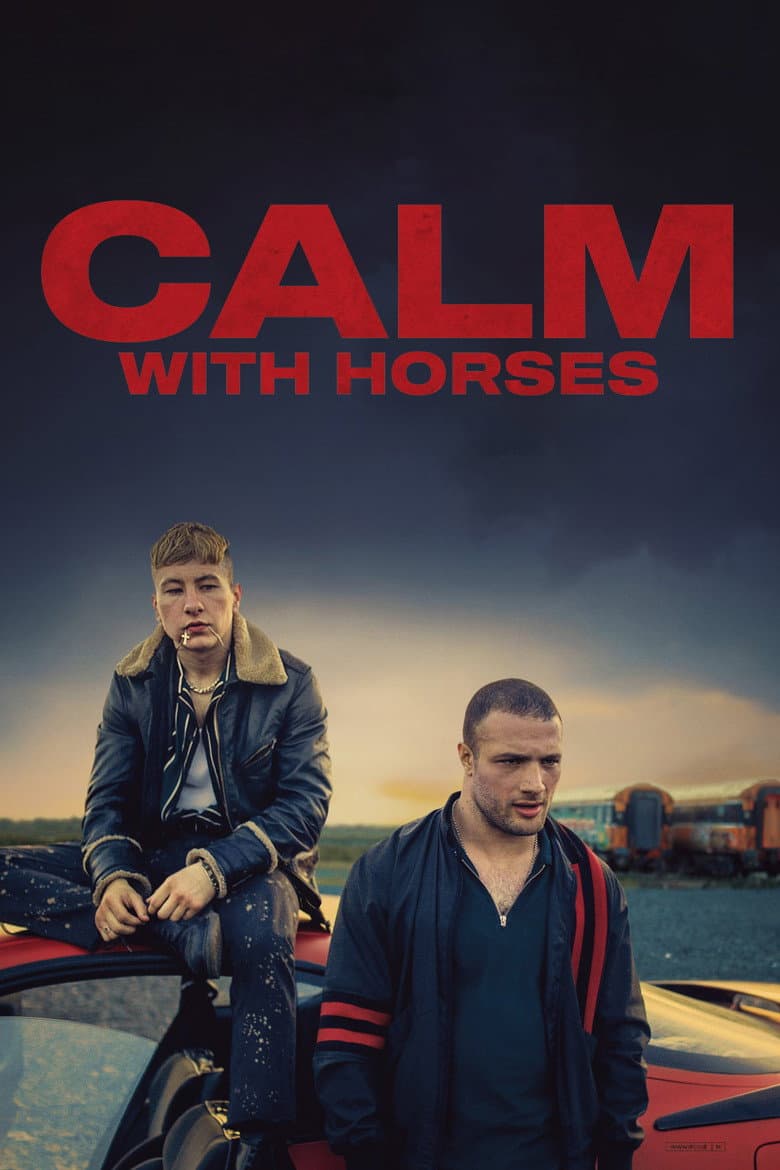
Douglas “Arm” Armstrong is a former boxer who works as the feared enforcer for the Devers drug family. He lives in a bleak rural town in western Ireland, where crime, poverty, and family loyalty keep people trapped. Arm wants to help his former partner Ursula and their five-year-old son Jack, but his violent work keeps pulling him away from them. The film has a grim, tense tone, with sudden brutality mixed with quiet scenes of care and regret.
Jack’s autism is a major part of the family story because his care, schooling, and move to Cork shape Arm and Ursula’s choices. The film shows Ursula facing blame from local people and shows Arm struggling to understand Jack’s distress. Horses give father and son a calm place to connect, while Arm’s violent male world makes a safe home hard to build. The story treats love, fatherhood, disability, and the chance to break a cycle of violence as personal problems, not as a debate about current politics.
Community feedback
Was our 25% Woke rating accurate?
Breakdown
These are the editorial factors and ratings behind our score for Calm with Horses.
Woke representation / casting
Cosmo Jarvis is an English actor who was born in the United States and plays the central Irish character. The film uses an almost entirely Irish cast, so this is a small setting mismatch rather than a broad diversity pattern. No interview or marketing coverage frames the casting as a representation goal.
10%
Woke political dialogue
Not present. The film has no recurring modern lines about DEI, identity politics, or activist causes. Its spoken conflict centers on crime, family, violence, and loyalty.
0%
Identity-driven story themes
Jack’s autism drives the family’s need for special schooling and a possible move to Cork. Ursula faces blame from local people, and Arm struggles to understand his son’s distress. The horse yard gives father and son a place to connect outside the violent gang world. These themes are important to the family plot, but the film presents them as a personal story about care and violence rather than a modern activist campaign.
27%
Western institutional / cultural critique
Arm and Dympna use aggression to hide fear and hurt. The film repeatedly shows their violent male world as a trap that harms families and controls vulnerable men. Arm’s wish to be a father conflicts with the role the gang gives him. The story criticizes destructive masculinity, but it does not turn that criticism into a broad attack on Western institutions or current politics.
30%
Woke character or canon changes
Not relevant. The film is based on a short story, but it does not change a character’s race, sex, sexuality, or role in an identity-based way. Its main adaptation changes expand Jack and Ursula’s family plot.
0%
Anti-woke backlash and complaints
Not present. The supplied X research found no anti-woke reaction, and web discussions did not show complaints that the movie pushes woke or DEI ideas. Audience comments mainly discuss the bleak mood, pace, violence, and acting.
0%
Creator track record context
Nick Rowland, Joseph Murtagh, and Colin Barrett have public records focused on crime, family, and regional stories. The producers also have low stored scores and no clear activist record. Casting director Shaheen Baig has a stronger inclusive-casting background, which is a limited context signal. The film itself does not add activist framing to that background.
12%
Production
Movie · 2025
Two of New York's most notorious organized crime bosses, Frank Costello and Vito Genovese, vie for control of the city's streets.
Movie · 1994
Imprisoned in the 1940s for the double murder of his wife and her lover, upstanding banker Andy Dufresne begins a new life at the Shawshank prison, where he puts his accounting…
Movie · 2016
A student at a private school uses his connections to establish a drug trafficking network.
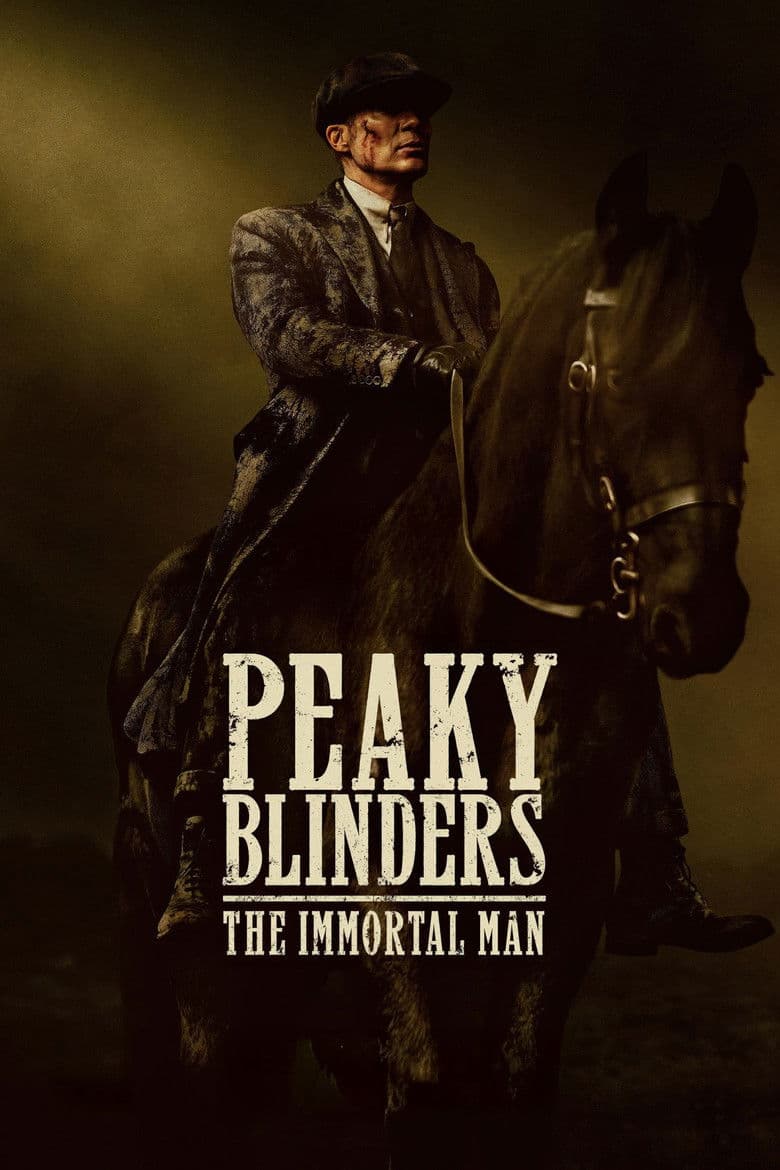
Movie · 2026
After his estranged son gets embroiled in a Nazi plot, self-exiled gangster Tommy Shelby must return to Birmingham to save his family — and his nation.
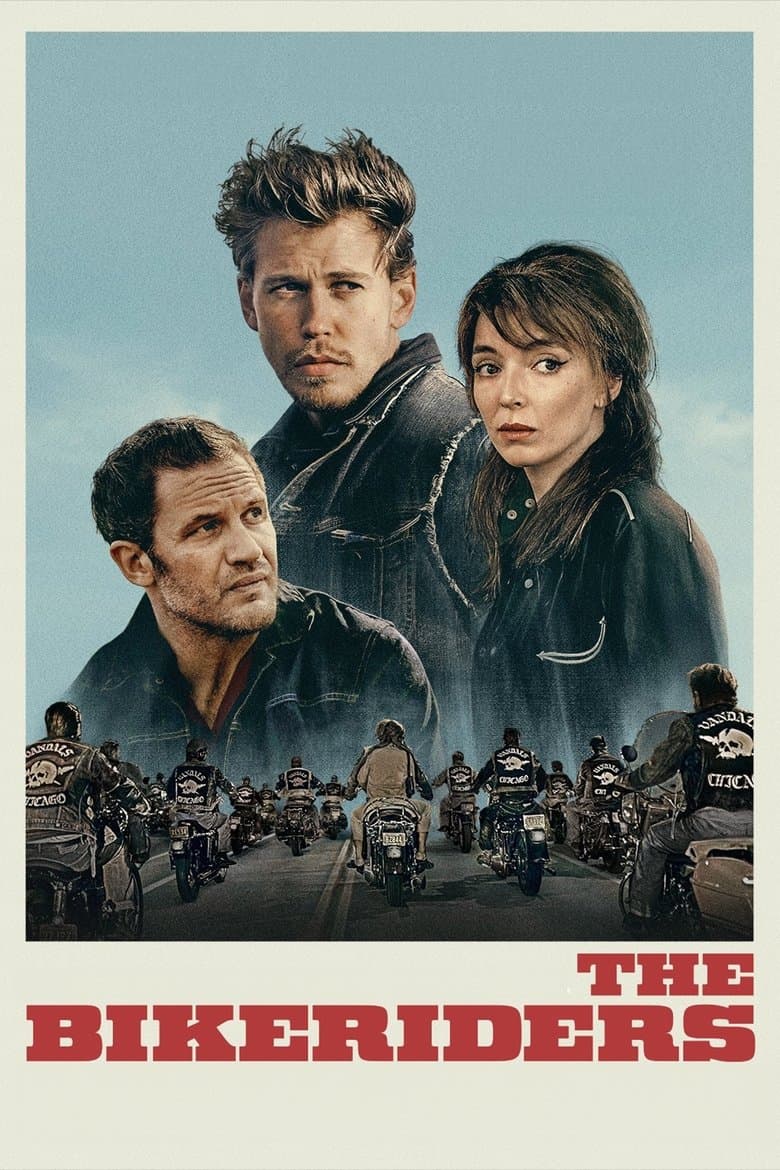
Movie · 2024
After a chance encounter, headstrong Kathy is drawn to Benny, member of Midwestern motorcycle club the Vandals.
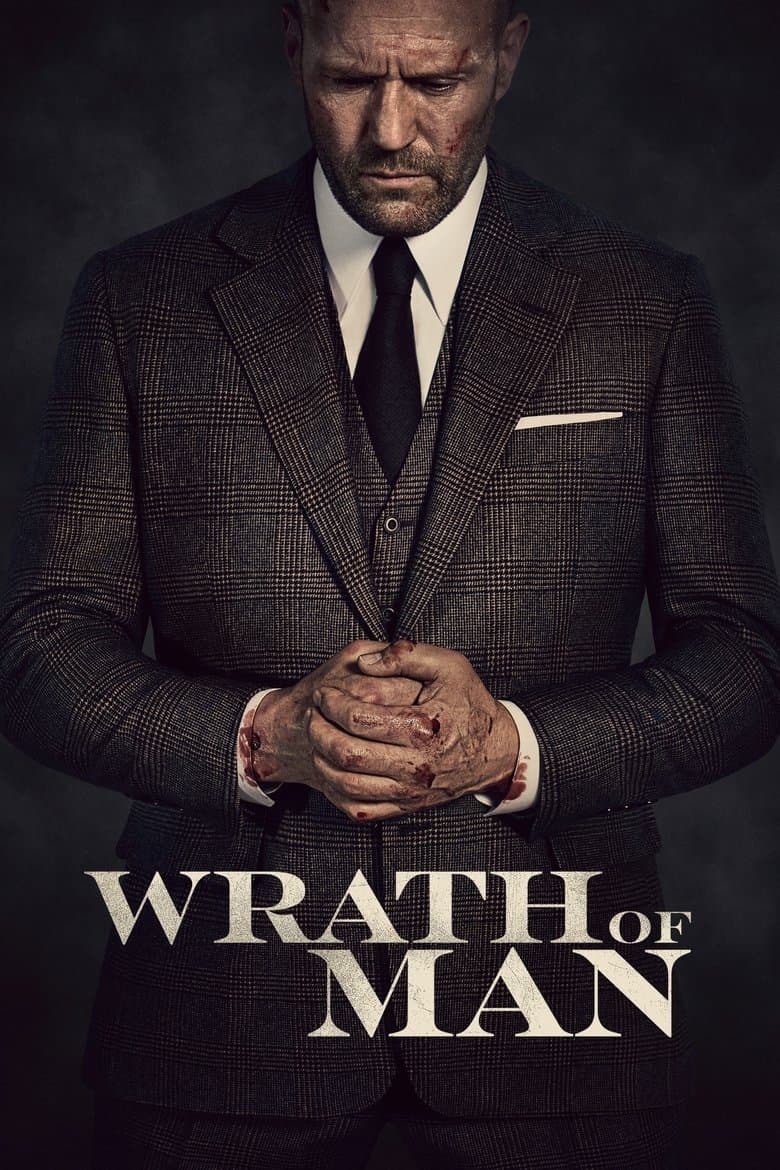
Movie · 2021
A cold and mysterious new security guard for a Los Angeles cash truck company surprises his co-workers when he unleashes precision skills during a heist.
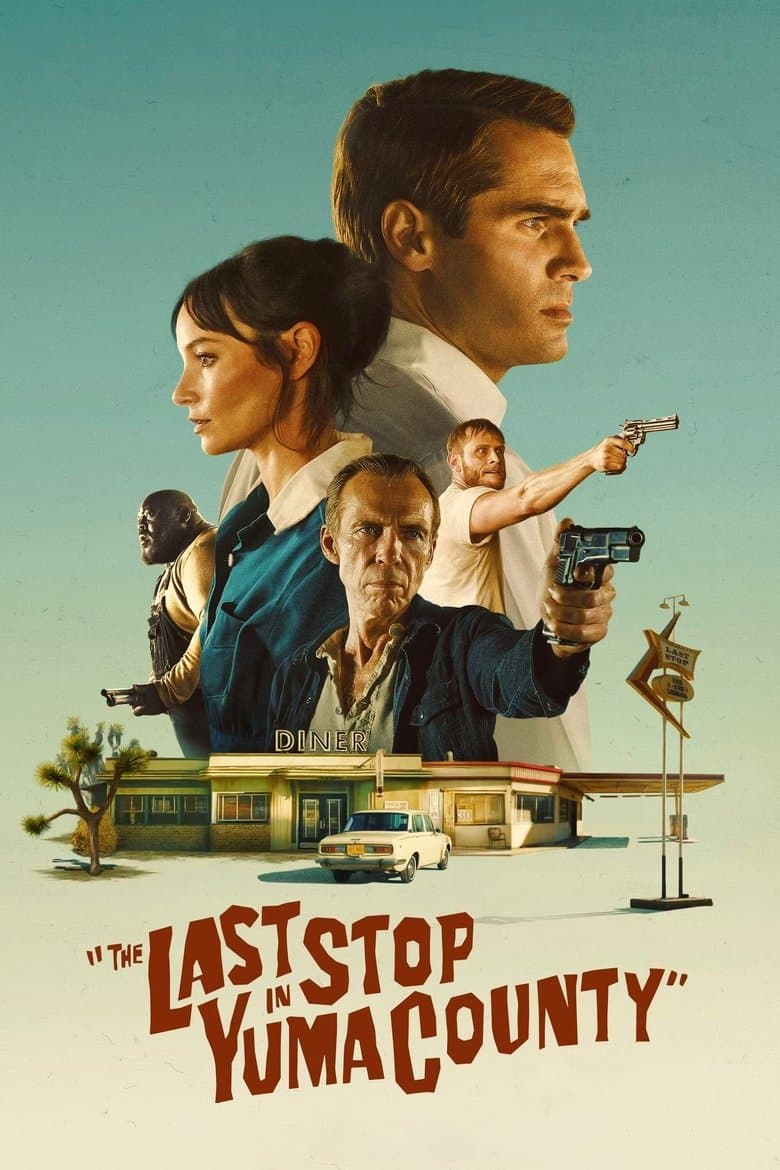
Movie · 2024
While awaiting the next fuel truck at a middle-of-nowhere Arizona rest stop, a traveling young knife salesman is thrust into a high-stakes hostage situation by the arrival of two…

Movie · 2016
Nate Foster, a young, idealistic FBI agent, goes undercover to take down a radical white supremacy terrorist group.
