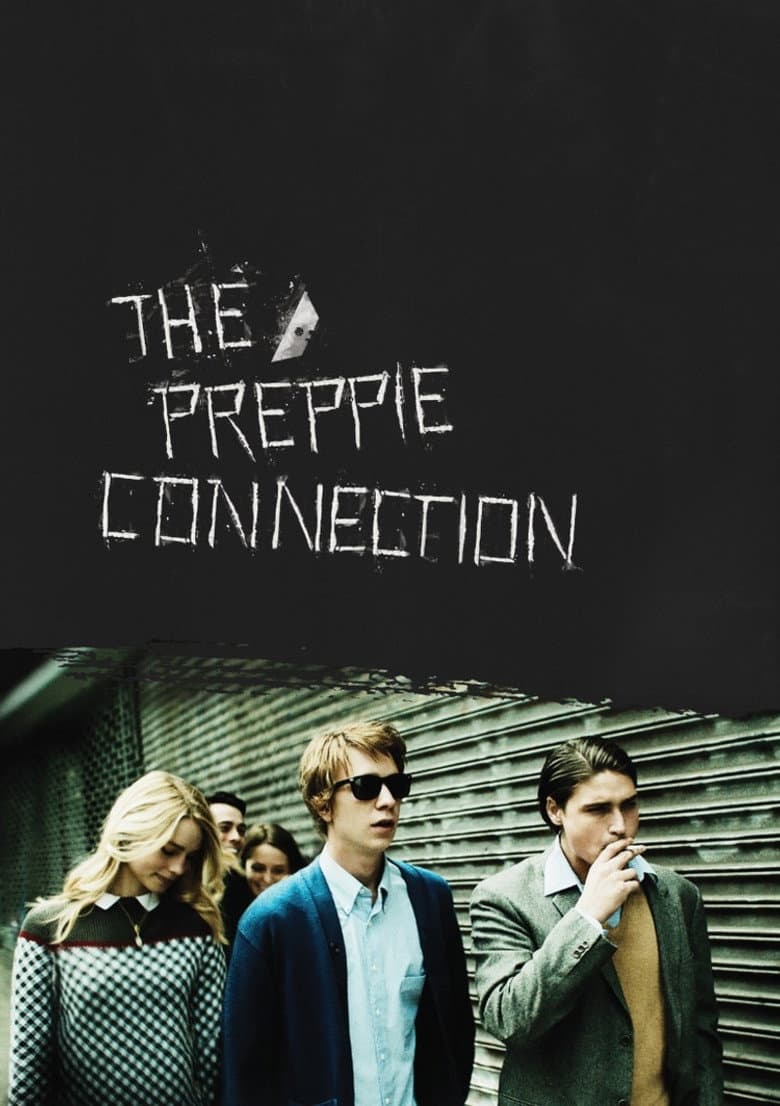
The Preppie Connection follows Toby Hammel, a working-class teenager who wins a scholarship to the wealthy Sage Hall boarding school in 1984 Connecticut. Toby feels shut out by classmates who already have money, status, and a place in the world. He tries to win their respect and the attention of Alex Hayes by bringing cocaine from Colombia and selling it at school. The film has a dark, dreamy crime-drama tone, with a slow rise from teenage longing to danger, betrayal, and arrest.
The film shows class privilege, social climbing, and the pressure to copy a rich group in order to belong. Toby sees the school as a closed world where family names and money matter more than his effort. Alex uses Toby's desire for love and status, while Ellis protects his place among the school's leaders. The story keeps these ideas tied to the 1980s drug scandal and the characters' bad choices, so its main themes are belonging, greed, betrayal, and moral failure.
Community feedback
Was our 2% Woke rating accurate?
Breakdown
These are the editorial factors and ratings behind our score for The Preppie Connection.
Woke representation / casting
Not present. The main prep-school group is mostly white, which fits the story's 1980s New England setting. Colombian and Latino characters appear in the Colombia and drug-trade parts of the plot, with no clear diversity-first casting message.
0%
Woke political dialogue
Not present. The dialogue centers on drugs, money, school status, romance, and peer pressure. It contains no clear modern identity, DEI, or activist message.
0%
Identity-driven story themes
Not present. The story follows a scholarship student trying to enter a wealthy social group. His struggle concerns money, status, love, and fear of rejection, while the director's use of “identity” refers to personal self-image.
0%
Western institutional / cultural critique
Not present. The film shows wealthy students, social exclusion, and a school that protects its image. The conflict stays tied to class, drugs, and personal choices rather than a modern activist attack on Western institutions.
0%
Woke character or canon changes
Not relevant. The film changes names and compresses storylines from a 1984 case, but no race, gender, sexuality, or hero-role change is reported. It does not rewrite an established fictional canon around identity.
0%
Anti-woke backlash and complaints
Not present. The X search found no anti-woke reaction. Other reviewed comments focus on drug crime, class, style, and whether the 1980s details feel real.
0%
Creator track record context
Most of the credited creators have no clear record of DEI advocacy or identity politics. Producer Joseph Mensch has spoken about representation and meaningful human stories. Producer Billy Raftery has made social-issue documentaries and supported a gun-violence campaign. This gives the creator context a small progressive signal, but it does not show a repeated woke pattern tied to this film.
8%
Production
Movie · 2019
Pennsylvania, 1956. Frank Sheeran, a war veteran of Irish origin who works as a truck driver, accidentally meets mobster Russell Bufalino.
Movie · 2024
While awaiting the next fuel truck at a middle-of-nowhere Arizona rest stop, a traveling young knife salesman is thrust into a high-stakes hostage situation by the arrival of two…
Movie · 2017
A newly-released prison gangster is forced by the leaders of his gang to orchestrate a major crime with a brutal rival gang on the streets of Southern California.
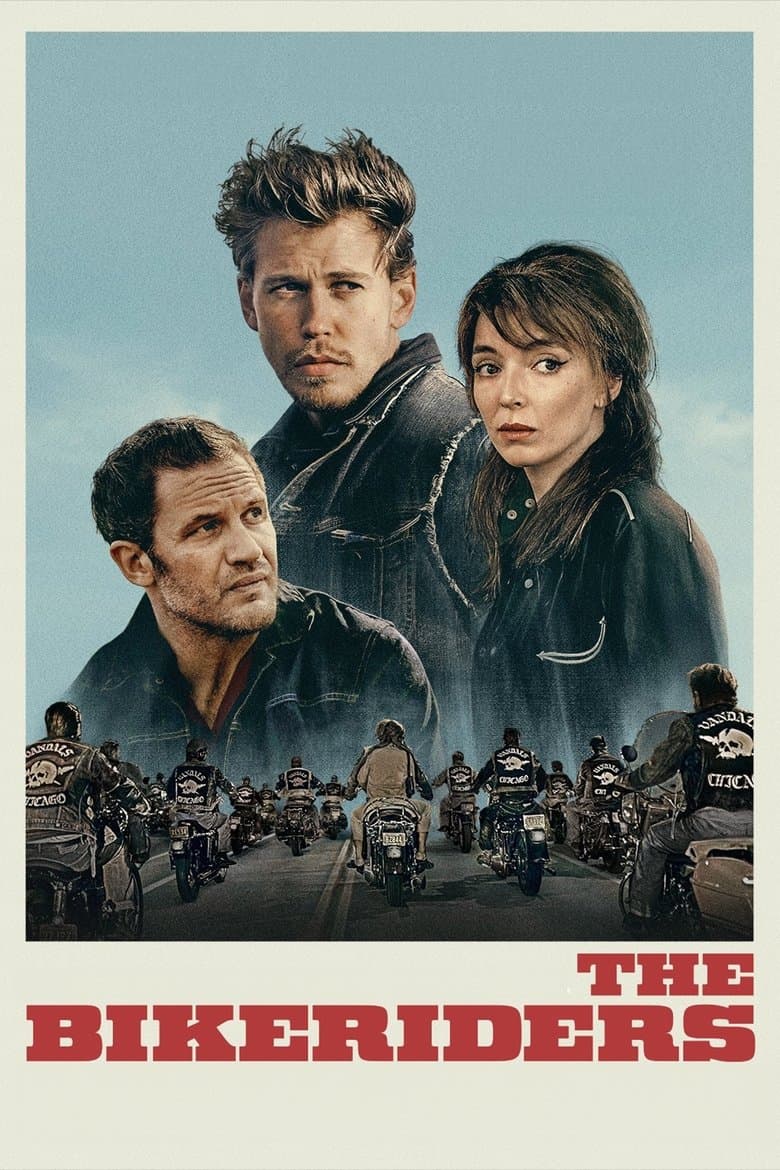
Movie · 2024
After a chance encounter, headstrong Kathy is drawn to Benny, member of Midwestern motorcycle club the Vandals.
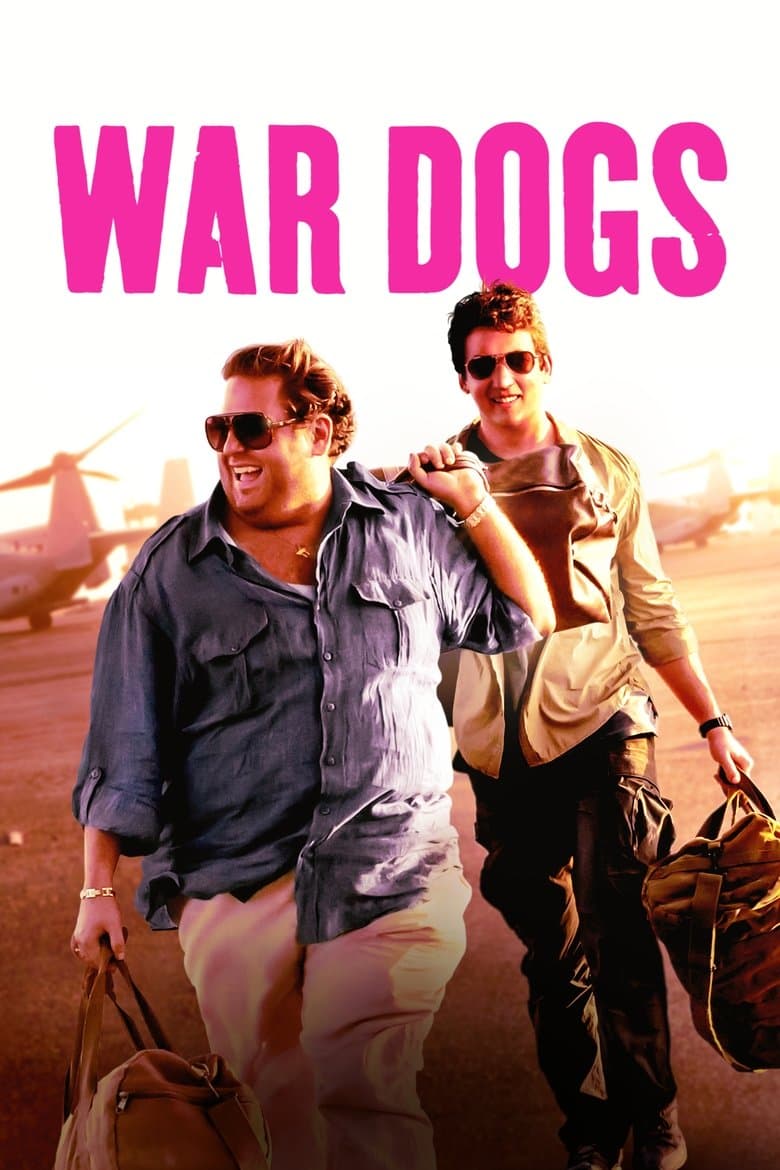
Movie · 2016
Based on the true story of two young men, David Packouz and Efraim Diveroli, who won a $300 million contract from the Pentagon to arm America's allies in Afghanistan.
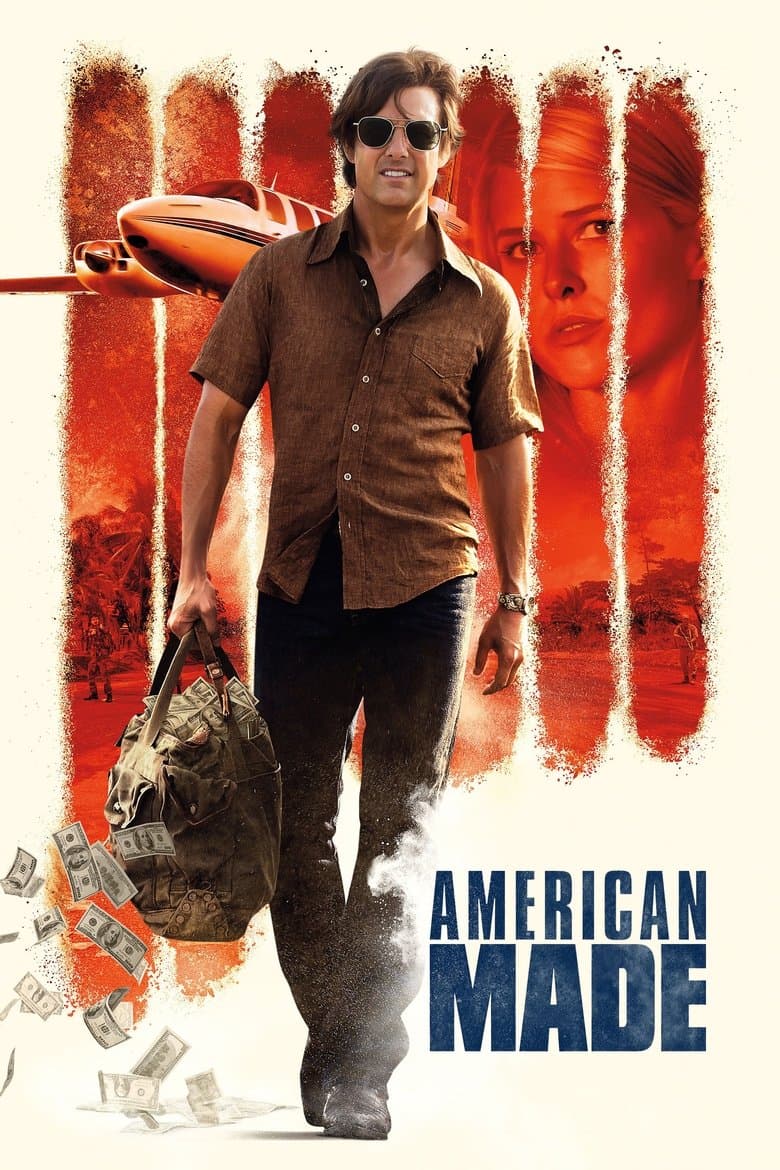
Movie · 2017
The true story of pilot Barry Seal, who transported contraband for the CIA and the Medellin cartel in the 1980s.
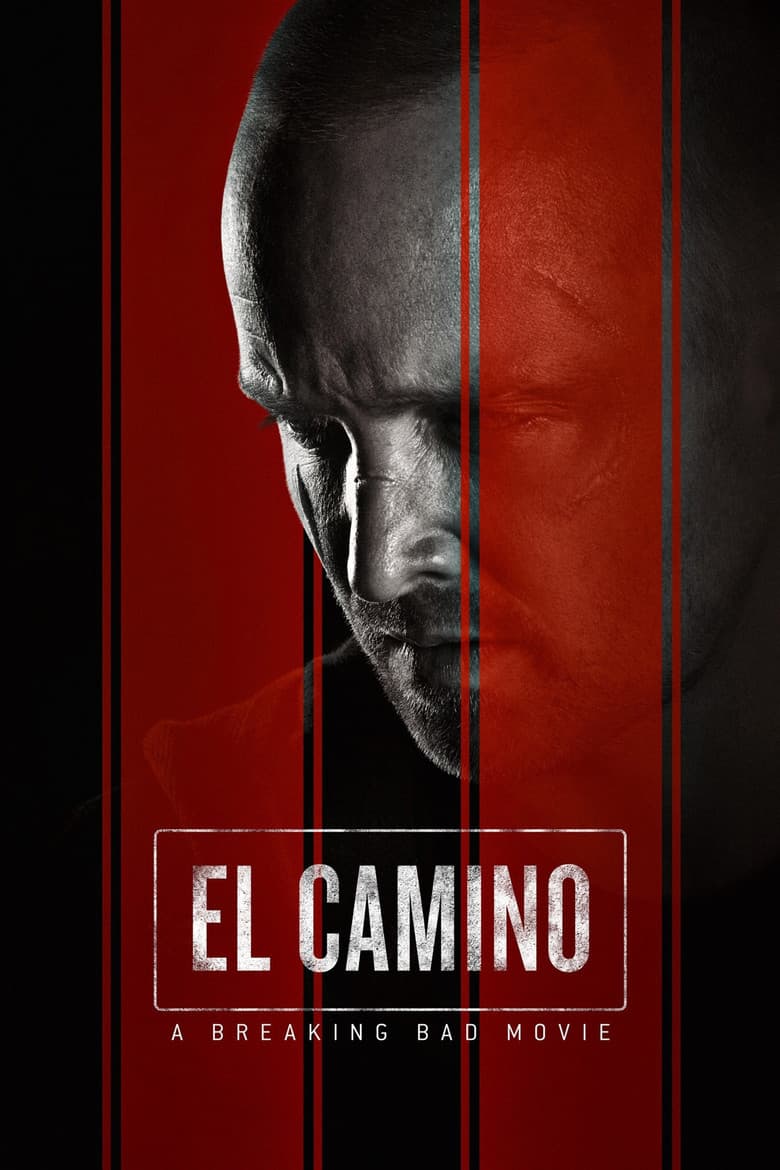
Movie · 2019
In the wake of his dramatic escape from captivity, Jesse Pinkman must come to terms with his past in order to forge some kind of future.
Movie · 2016
Based on the journal entries of Rachel Joy Scott, the first student killed in the Columbine High School shooting in 1999.
