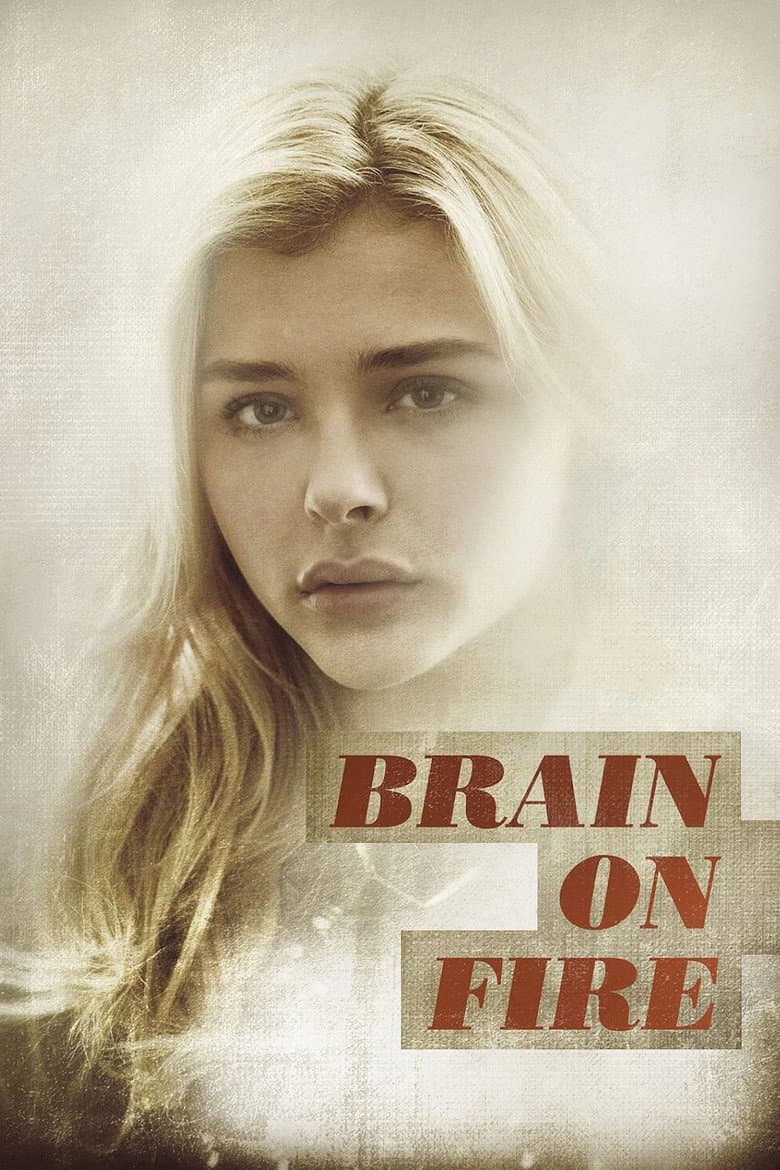
Susannah Cahalan is a young reporter at the New York Post who seems to have her life under control. She starts hearing voices, losing time, having seizures, and acting in ways that frighten her family, boyfriend, and co-workers. Doctors treat her as if she has a mental illness, but her condition keeps getting worse until a neurologist searches for another answer. Set in modern New York and hospitals, the film has a tense, sad, and sometimes frightening tone.
Susannah’s struggle is told as a medical mystery about fear, memory, and the danger of quick labels. The film shows her parents, boyfriend, co-workers, and one determined neurologist trying to protect her while doctors search for answers. Her recovery leads her back to journalism and gives her a reason to tell other people about the illness. The ending treats knowledge, family support, and patient care as the way forward.
Community feedback
Was our 4% Woke rating accurate?
Breakdown
These are the editorial factors and ratings behind our score for Brain on Fire.
Woke representation / casting
Not present. Chloë Grace Moretz plays the real Susannah Cahalan, and Navid Negahban plays the real Dr. Souhel Najjar. The supporting cast fits a modern New York story and is not framed as a diversity statement.
0%
Woke political dialogue
Not present. The dialogue deals with illness, diagnosis, work, and family. It does not push identity politics, DEI, or activist ideas.
0%
Identity-driven story themes
Not present. The story centers on a rare brain disease and a fight to understand it. Susannah’s sex is part of her real-life story, but the film does not build a gender or identity campaign around it.
0%
Western institutional / cultural critique
Not present. The film shows doctors making mistakes and a hospital system missing a rare illness. It does not turn that failure into a modern attack on capitalism, patriarchy, religion, or conservative culture.
0%
Woke character or canon changes
Not relevant. The movie changes some details for a short adaptation, but no race, gender, or sexuality change to a real person is clear.
0%
Anti-woke backlash and complaints
Not present. Public discussion focused on health, misdiagnosis, and the film’s weak reviews. The supplied X pass and broader searches found no clear anti-woke complaints.
0%
Creator track record context
Charlize Theron has a public record of feminist views and support for #MeToo. Gerard Barrett and Susannah Cahalan are mainly linked to personal drama and health research, not DEI or identity politics. The other cached producers have little or no public activist record.
18%
Production
Movie · 2020
A man refuses all assistance from his daughter as he ages and, as he tries to make sense of his changing circumstances, he begins to doubt his loved ones, his own mind and even…
Movie · 2022
London, 1953. Mr. Williams, a veteran civil servant, is an important cog within the city's bureaucracy as it struggles to rebuild in the aftermath of World War II.
Movie · 2017
Members of the Granite Mountain Hotshots battle deadly wildfires to save an Arizona town.

Movie · 2025
A logger leads a life of quiet grace as he experiences love and loss during an era of monumental change in early 20th-century America.

Movie · 2022
Based on a true tragedy, the emotionally triggering film sheds light on the plight of Kashmiri Pandits (Hindus), a religious minority in the 1990s Kashmir valley, who were…
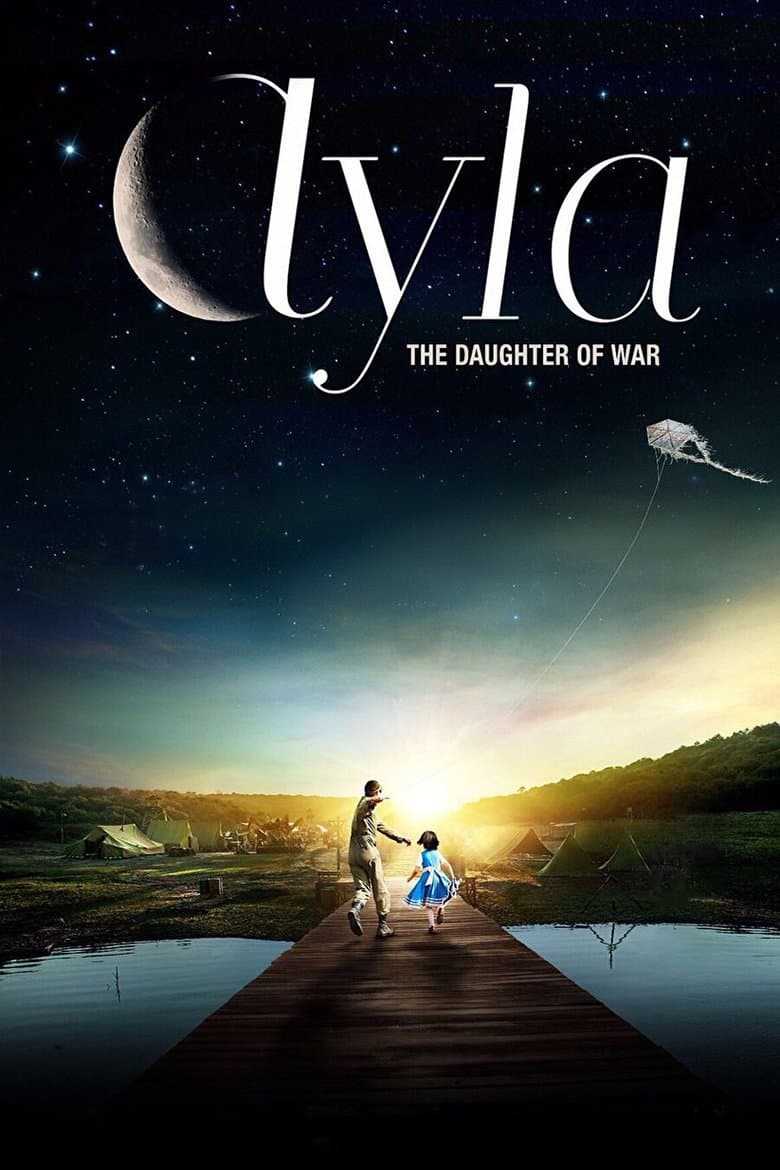
Movie · 2017
In 1950, amidst the ravages of the Korean War, Sergeant Süleyman stumbles upon a a half-frozen little girl, with no parents and no help in sight and he risks his own life to save…
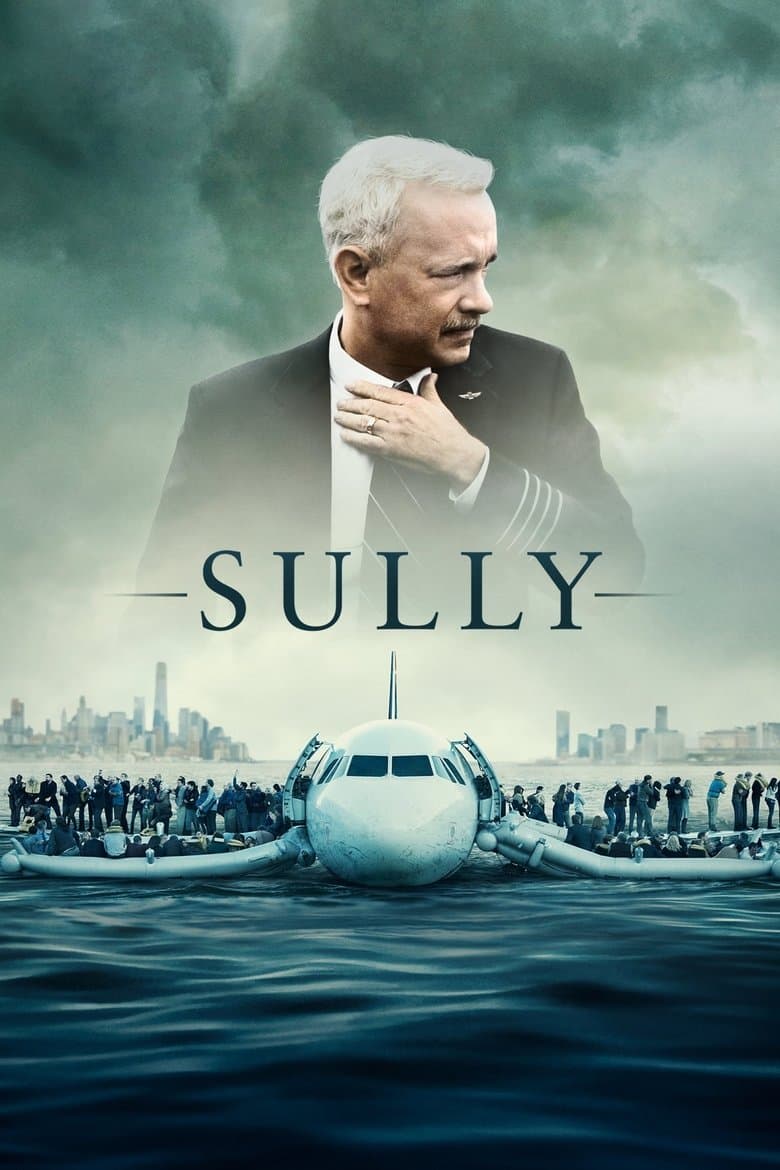
Movie · 2016
On 15 January 2009, the world witnessed the 'Miracle on the Hudson' when Captain 'Sully' Sullenberger glided his disabled plane onto the Hudson River, saving the lives of all 155…
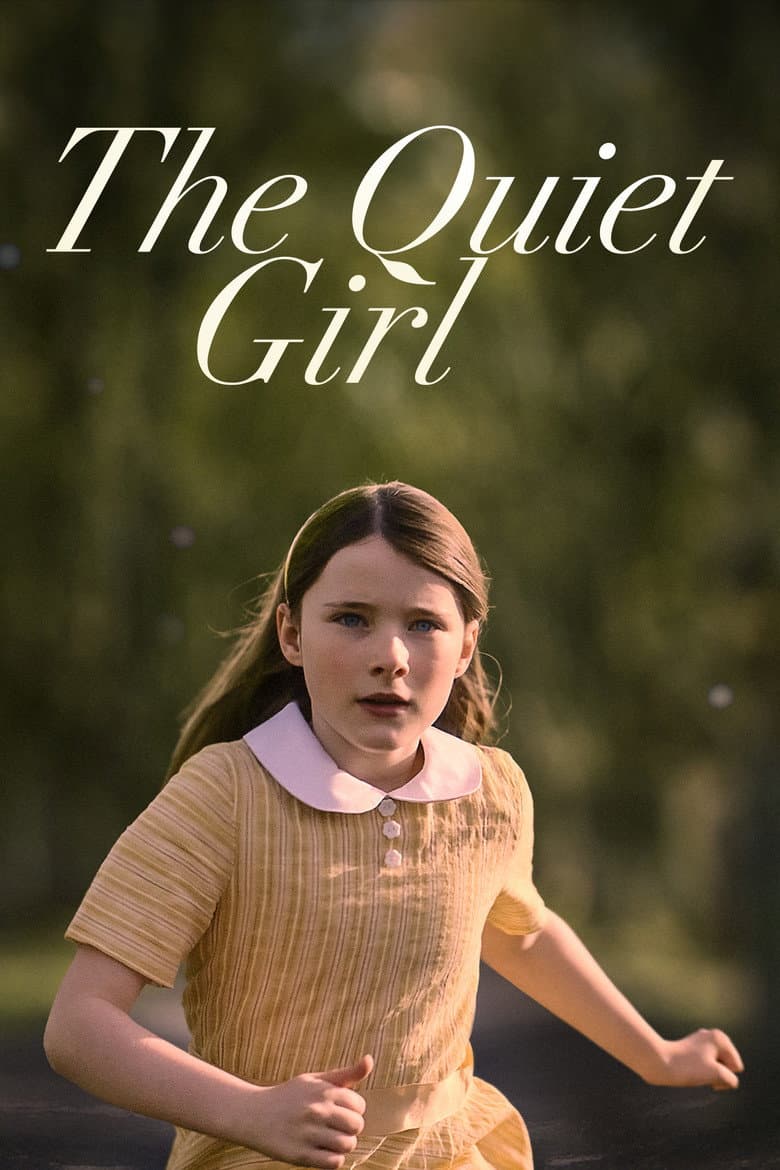
Movie · 2022
A quiet, neglected girl is sent away from her dysfunctional family to live with relatives for the summer. She blossoms in their care, but in this house where there are meant to be…
