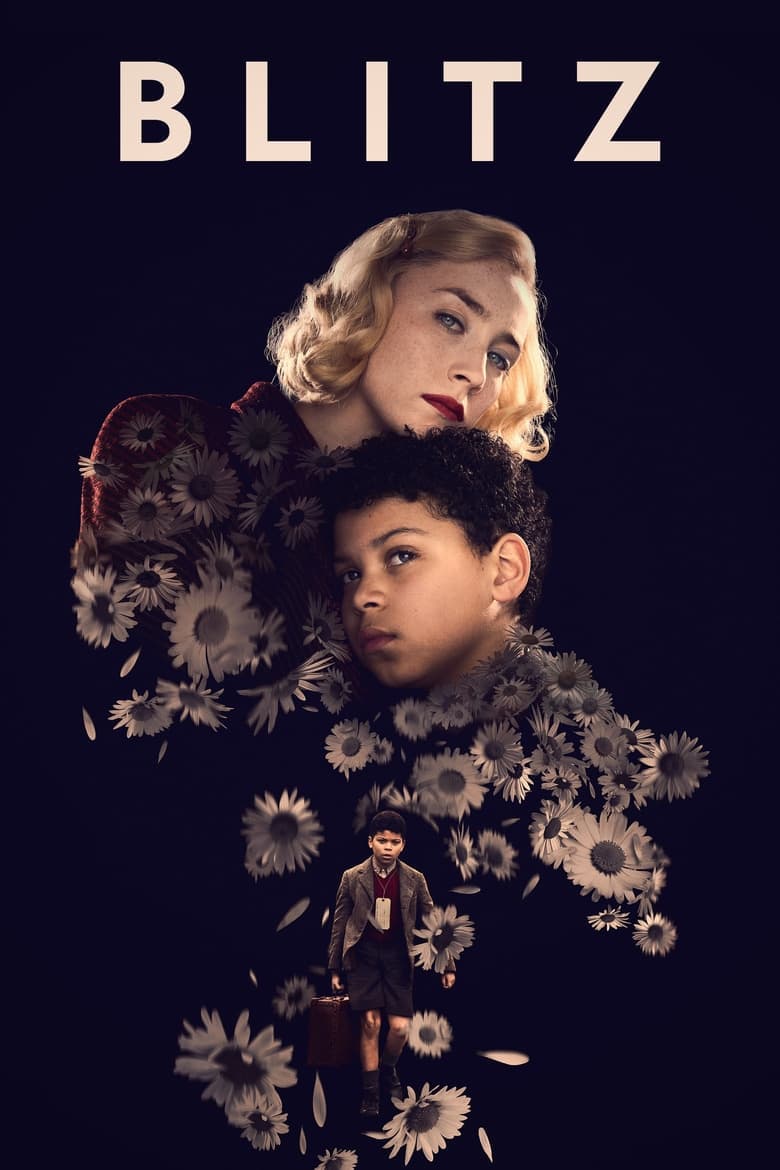
Nine-year-old George lives with his mother Rita and grandfather Gerald in East London during the German bombing raids of 1940. Rita sends him to the country for safety, but George jumps from the train and tries to get home. He crosses a ruined city, meets both kind helpers and cruel thieves, and faces deadly attacks while Rita searches for him. The film mixes a warm mother-and-son story with dark scenes of fear, loss, and sudden violence.
George is mixed-race, and his struggle with being black becomes a major part of his trip. White children mock him, his black father is attacked and sent away by the police, and a Nigerian air-raid warden teaches George to take pride in who he is. The story also shows Jewish and Sikh families facing hate, women workers demanding safe shelters, and poor Londoners fighting closed government gates. These ideas return across the movie, but George's need to reach his mother remains the main force behind the plot.
Community feedback
Was our 79% Woke rating accurate?
Breakdown
These are the editorial factors and ratings behind our score for Blitz.
Woke representation / casting
The film centers a mixed-race boy and his white mother in 1940 London. His Black Grenadian father and the heroic Nigerian warden Ife hold important roles. The shelters, clubs, and streets also feature Jewish, Sikh, Chinese, and Black Londoners in a very clear pattern. The story ties several of these people to wartime records, but it still makes the wide mix a major part of what viewers see.
43%
Woke political dialogue
The women at Rita's factory seize a live BBC broadcast to demand that the government open Underground stations as shelters. Mickey gives a warm speech about equal care, working-class unity, socialism, communism, and Jesus. Ife gives a long speech that links shelter segregation to Hitler's use of racial division. These direct messages appear in several major scenes, though most of the film follows George's danger and Rita's search.
46%
Identity-driven story themes
George's race and mixed family are a major part of his story. White children insult him, strangers touch his hair, and racist men attack his black father before police send the father away. George first denies that he is black, but Ife helps him say it with pride. The film also shows racist shop displays and a white couple trying to separate Jewish and Sikh families in a shelter.
72%
Western institutional / cultural critique
The film shows soldiers and officials locking poor Londoners out of Underground shelters during bombing raids. The police arrest George's innocent black father and help cause his removal from Britain, while later officers dismiss George. The evacuation office hides behind rules after losing him, and Rita's male boss cares more about her shift than her missing son. The story repeatedly questions the clean public story of British unity, fair rule, and the Blitz spirit.
57%
Woke character or canon changes
Not relevant. The film tells an original family story set around real wartime events and people.
0%
Anti-woke backlash and complaints
Right-leaning writer Peter Hitchens called the film propaganda that puts racism on every street and treats communists as heroes. Some Reddit and audience reviewers called its wide casting blackwashing, its race story preachy, and its view of Britain a left-wing rewrite. An anti-woke review site also called it a woke trap built around racial blame. These complaints were easy to find, but they did not become a large or lasting public campaign.
45%
Creator track record context
Writer and director Steve McQueen has a cached score of 57 and often makes stories about racial oppression and unequal treatment. Casting director Nina Gold has a cached score of 45 and has spoken about valuing diversity. Producer Anna Smith Tenser has a cached score of 65 and backs black-history and women-led work. Most other listed producers have cached scores from 0 to 23, so the stronger pattern comes from a few key leaders.
47%
Production
Movie · 2022
London, 1953. Mr. Williams, a veteran civil servant, is an important cog within the city's bureaucracy as it struggles to rebuild in the aftermath of World War II.
Movie · 2026
While people across 1990s Iraq struggle to survive the war and food shortages, Saddam Hussein requires each school in the country to prepare a cake to celebrate his birthday.
Movie · 2025
A logger leads a life of quiet grace as he experiences love and loss during an era of monumental change in early 20th-century America.

Movie · 2022
A quiet, neglected girl is sent away from her dysfunctional family to live with relatives for the summer. She blossoms in their care, but in this house where there are meant to be…
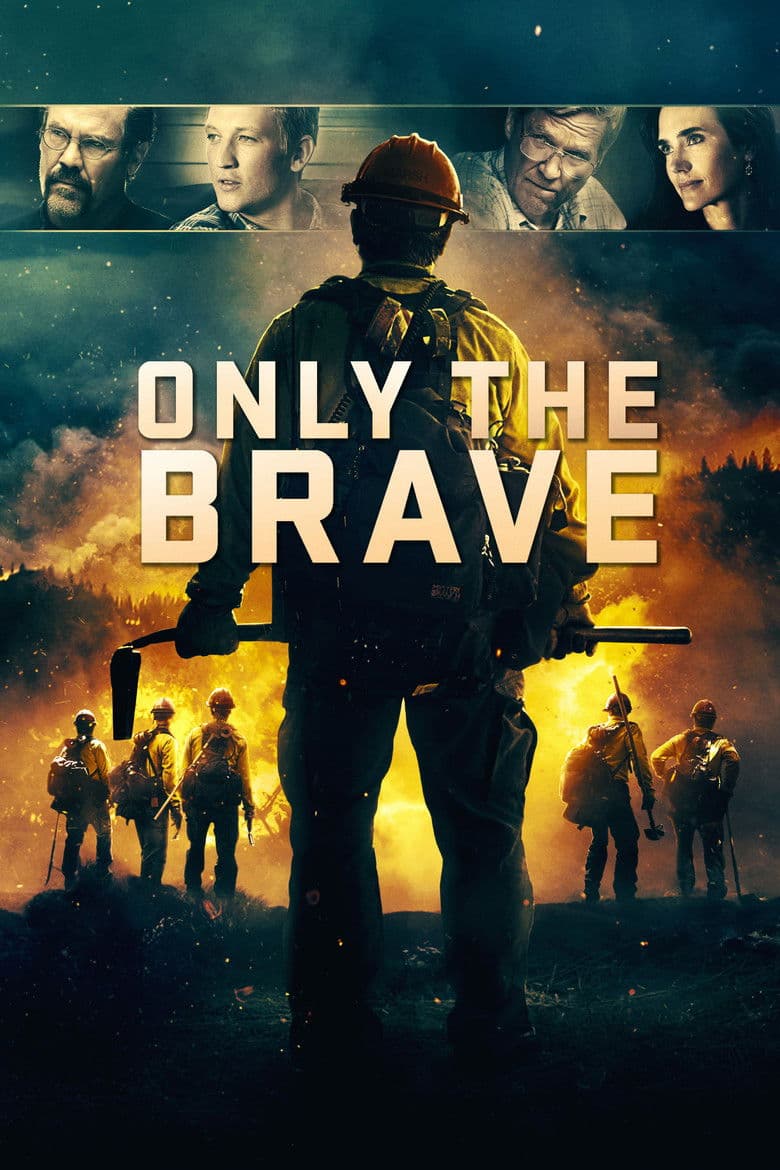
Movie · 2017
Members of the Granite Mountain Hotshots battle deadly wildfires to save an Arizona town.
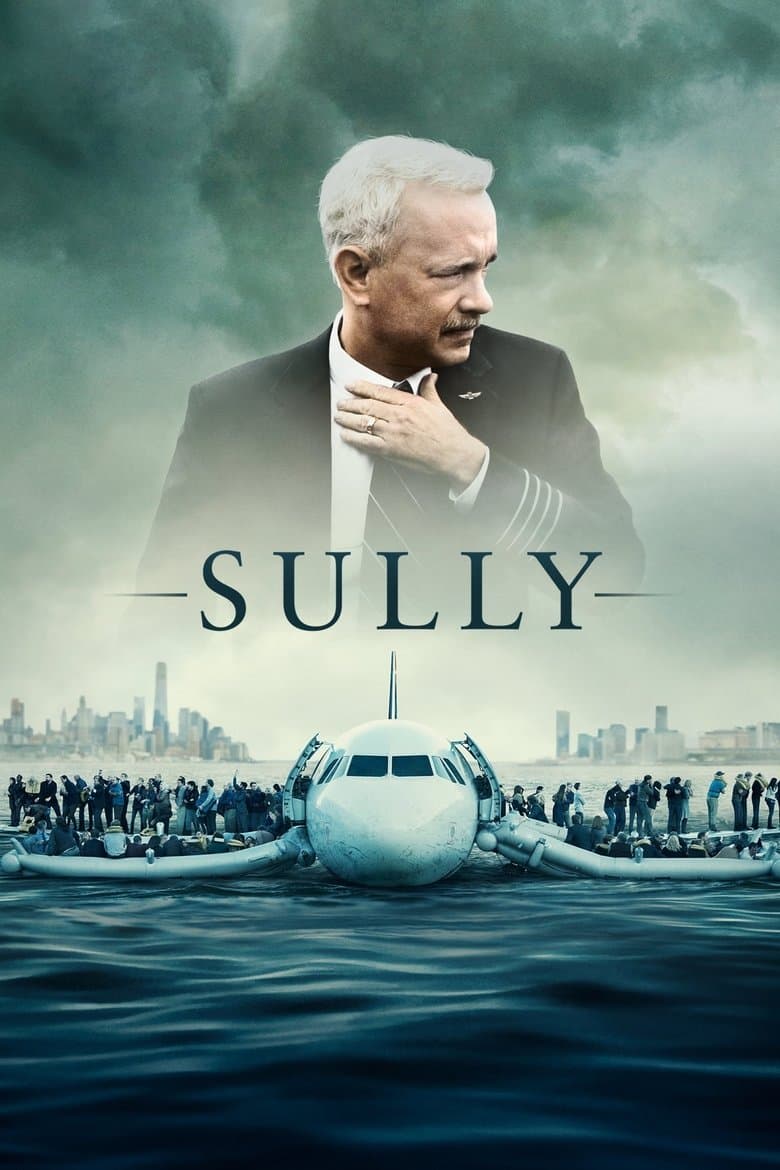
Movie · 2016
On 15 January 2009, the world witnessed the 'Miracle on the Hudson' when Captain 'Sully' Sullenberger glided his disabled plane onto the Hudson River, saving the lives of all 155…
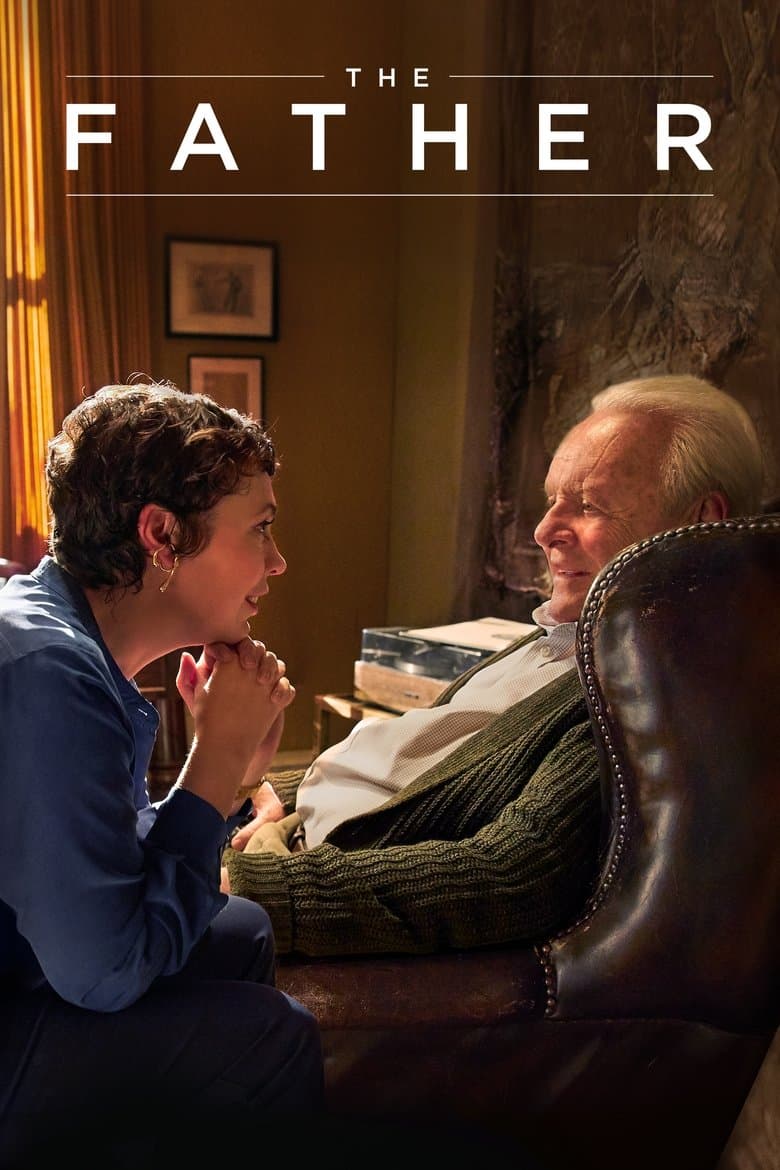
Movie · 2020
A man refuses all assistance from his daughter as he ages and, as he tries to make sense of his changing circumstances, he begins to doubt his loved ones, his own mind and even…

Movie · 2025
Diagnosed with Tourette Syndrome at 15, John Davidson navigates his way against the odds through troubled teenage years and into adulthood, finding inspiration in the kindness of…
