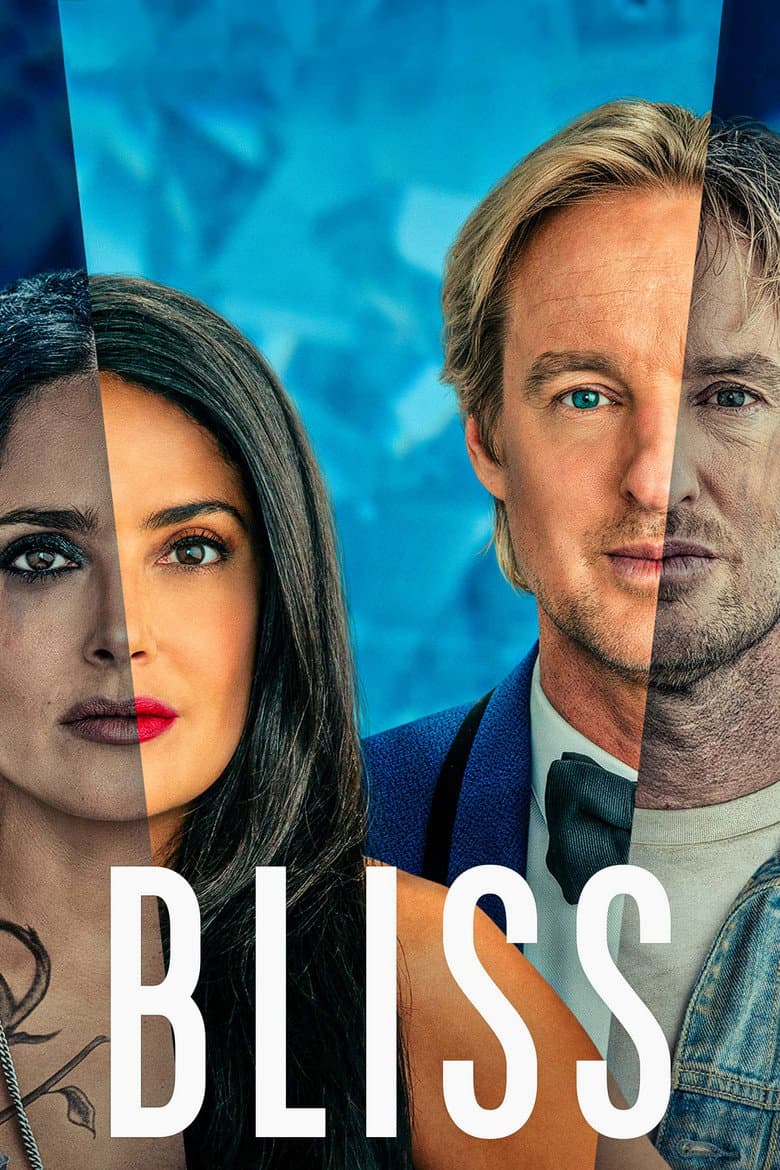
Bliss follows Greg Wittle, a divorced man who loses his job and begins to lose his grip on daily life. He meets Isabel, a homeless woman who says their gray and polluted city is only a computer simulation. Drugs and strange glitches make Greg believe her story, while his daughter Emily tries to bring him back. The movie mixes romance, science fiction, family drama, and a dark story about addiction.
Isabel is a woman scientist who controls the Brain Box and often leads Greg, but the film does not make her sex a political cause. The movie also contrasts a polluted city with a future world where automation and universal income have ended poverty. Protest signs about the 99 percent add a brief wealth-gap message. These ideas stay behind the main story about addiction, mental illness, romance, and a father's bond with his daughter.
Community feedback
Was our 26% Woke rating accurate?
Breakdown
These are the editorial factors and ratings behind our score for Bliss.
Woke representation / casting
Salma Hayek plays Isabel, the story's main science expert and most forceful lead. Isabel creates the Brain Box, directs Greg, and holds the key knowledge while he is confused and dependent. The film does not frame her gender or ethnicity as a diversity cause, and the modern setting makes the choice plausible. This creates a mild representation signal, not a clear pattern.
14%
Woke political dialogue
Isabel explains that automation, synthetic biology, and asteroid mining created a world with a huge universal income. The street world contains protest signs about the 99 percent, poverty, pollution, and unequal wealth. These points give the film some modern left-leaning political dialogue. The movie does not hold long political debates, and Greg's family and addiction story take most of the focus.
18%
Identity-driven story themes
Not present. The main themes are addiction, mental illness, reality, romance, and a father's bond with his children. No race, sex, queer, or identity-politics conflict drives the plot.
0%
Western institutional / cultural critique
The film shows a polluted and crime-filled city with homeless camps and protests about the 99 percent. It contrasts that world with a future where automation, science, asteroid mining, and universal basic income have ended poverty. This gives the story a mild modern critique of wealth gaps, pollution, and work-centered life. The movie does not make that critique its main conflict because Greg ultimately chooses family and recovery.
31%
Woke character or canon changes
Not relevant. Bliss is an original screenplay about Greg and Isabel. It does not change an established character, canon, or real historical figure.
0%
Anti-woke backlash and complaints
One Reddit audience review called the future utopia a leftist idea because it includes universal basic income and a wealth-gap theme. Most audience debate focused on drug addiction, mental illness, or misleading marketing. The complaint was isolated, and no broad anti-woke backlash was found.
5%
Creator track record context
Mike Cahill's known work centers on science fiction, human behavior, redemption, and the mind. The available records for the producers and casting directors show no high-confidence activist, DEI, or identity-politics platform. Cahill's title interviews discuss automation and universal income, which adds a mild context signal, but his overall record remains low.
15%
Production

Movie · 2024
Remi and Barnes, two very different teenagers, meet by chance in the winter of their senior year, then spend four days together over the course of a year that will change their…

Movie · 2017
Nothing is as it seems in this riveting World War 2 thriller as a wary soldier goes to investigate a mysterious German monarch at his secluded mansion, leading him into a web of…
Movie · 2021
A couple fights to hold their relationship together as a memory loss virus spreads and threatens to erase the history of their love and courtship.
Movie · 2017
A young man raised by scientists on Mars returns to Earth to find his father.

Movie · 2025
Laura and Simon have been best friends since college. Over the years, they've realized their bond is more than platonic.
Movie · 2017
Thirty years after the events of the first film, a new blade runner, LAPD Officer K, unearths a long-buried secret that has the potential to plunge what's left of society into…

Movie · 2018
A man and a woman meet in the ruins of post-war Poland. With vastly different backgrounds and temperaments, they are fatally mismatched and yet drawn to each other.

Movie · 2020
2038: George Almore is working on a true human-equivalent AI, and his latest prototype is almost ready. This sensitive phase is also the riskiest as he has a goal that must be…
