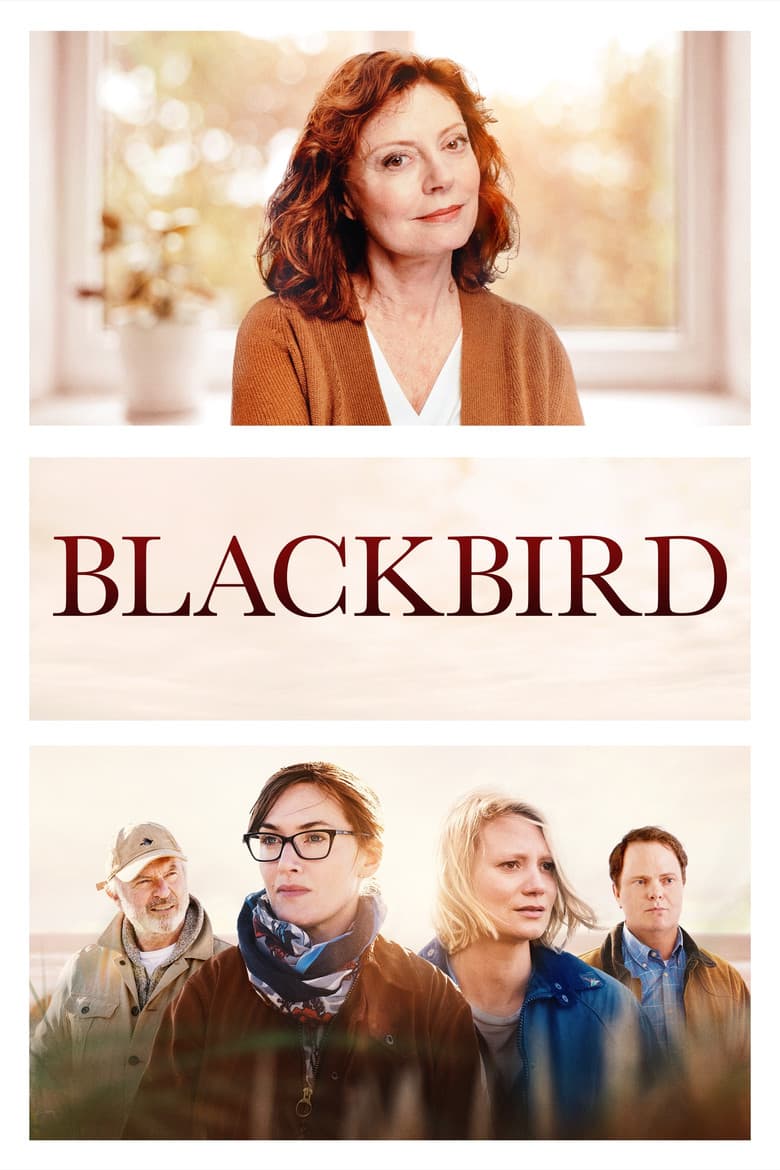
Lily is a mother with ALS, a disease that slowly takes away movement. She brings her husband, two daughters, grandson, best friend, and their partners to the family’s coastal country home for one last weekend. Lily plans to end her life with her husband’s help after the weekend, but her daughters cannot agree with her choice. The film uses a serious but sometimes funny family-drama tone as old anger, secrets, and fear come out.
Anna arrives with Chris, her on-and-off queer partner, and their relationship becomes part of the family’s tension. The film also reveals that Lily and her best friend Liz had sex when they were younger, so same-sex relationships appear in more than one generation. The remake changes Chris from a male partner in the Danish source story into a queer partner played by nonbinary actor Bex Taylor-Klaus. These choices make LGBTQ themes clear in a supporting family subplot, while the main story stays focused on assisted death, mental illness, family control, forgiveness, and the wish to die with dignity.
Community feedback
Was our 50% Woke rating accurate?
Breakdown
These are the editorial factors and ratings behind our score for Blackbird.
Woke representation / casting
The main cast is a mostly white family that fits a present-day American setting. The film gives a recurring queer-partner role to Chris, played by nonbinary actor Bex Taylor-Klaus. The role was changed from a man in the source story, and the press material presented the change as a chance to show people like Taylor-Klaus. That makes the choice identity-focused, but it affects a supporting subplot rather than most major roles.
42%
Woke political dialogue
Not present. The family talks about assisted death, sex, mental illness, and family pain, but no character gives modern identity, DEI, or activist lines.
0%
Identity-driven story themes
Anna is a lesbian who brings her on-and-off partner Chris to the last family weekend. Their relationship is a recurring part of Anna’s conflict with her family. Lily and Liz also reveal a past sexual relationship, which puts same-sex desire in two generations. The film treats these relationships as part of family life instead of making them a call for political action.
40%
Western institutional / cultural critique
Lily chooses assisted death before ALS removes more of her control. Her husband, a doctor, helps her plan it, and the family finally accepts the decision. The film presents the death as calm, loving, and right for Lily. This challenges traditional views about preserving life, but the film does not attack churches, men, families, or Western institutions.
25%
Woke character or canon changes
Blackbird remakes the Danish film Silent Heart. The remake changes Anna’s partner from a man into Chris, a queer partner played by Bex Taylor-Klaus. The filmmakers said the change was made before casting and gave Taylor-Klaus a role that felt like representation. The change continues through the family subplot, but it does not change Lily’s main assisted-death story.
48%
Anti-woke backlash and complaints
One Letterboxd review said the LGBT characters were there to earn “brownie points.” One Romanian audience review called the film part of an LGBT agenda and said it made assisted suicide seem normal. These comments are specific anti-woke complaints, but they are isolated audience posts rather than a broad campaign. The separate X check found no anti-woke reaction.
10%
Creator track record context
Christian Torpe is openly gay and has written queer stories, including a gay coming-of-age story treated as ordinary life. Roger Michell is linked mainly to mainstream character dramas and has no stored record of DEI activism. The casting director and producers also have low stored scores and no clear activist pattern. This background supports the film’s queer subplot, but the film is mainly about family and assisted death.
18%
Production
Movie · 2025
Diagnosed with Tourette Syndrome at 15, John Davidson navigates his way against the odds through troubled teenage years and into adulthood, finding inspiration in the kindness of…
Movie · 2023
The story of J. Robert Oppenheimer's role in the development of the atomic bomb during World War II.

Movie · 2023
The true story of the inseparable Von Erich brothers, who made history in the intensely competitive world of professional wrestling in the early 1980s.
Movie · 2023
American ballet dancer Joy Womack is accepted into Moscow's infamously tough Bolshoi Ballet Academy, with the dream of becoming a great ballerina.

Movie · 2016
WWII American Army Medic Desmond T. Doss, who served during the Battle of Okinawa, refuses to kill people and becomes the first Conscientious Objector in American history to…

Movie · 2024
On the brink of the Second World War, a young Norwegian man's drive to resist the Nazis sets a new course for his future – and the future of his country.

Movie · 2016
After his older brother passes away, Lee Chandler is forced to return home to care for his 16-year-old nephew.
Movie · 2017
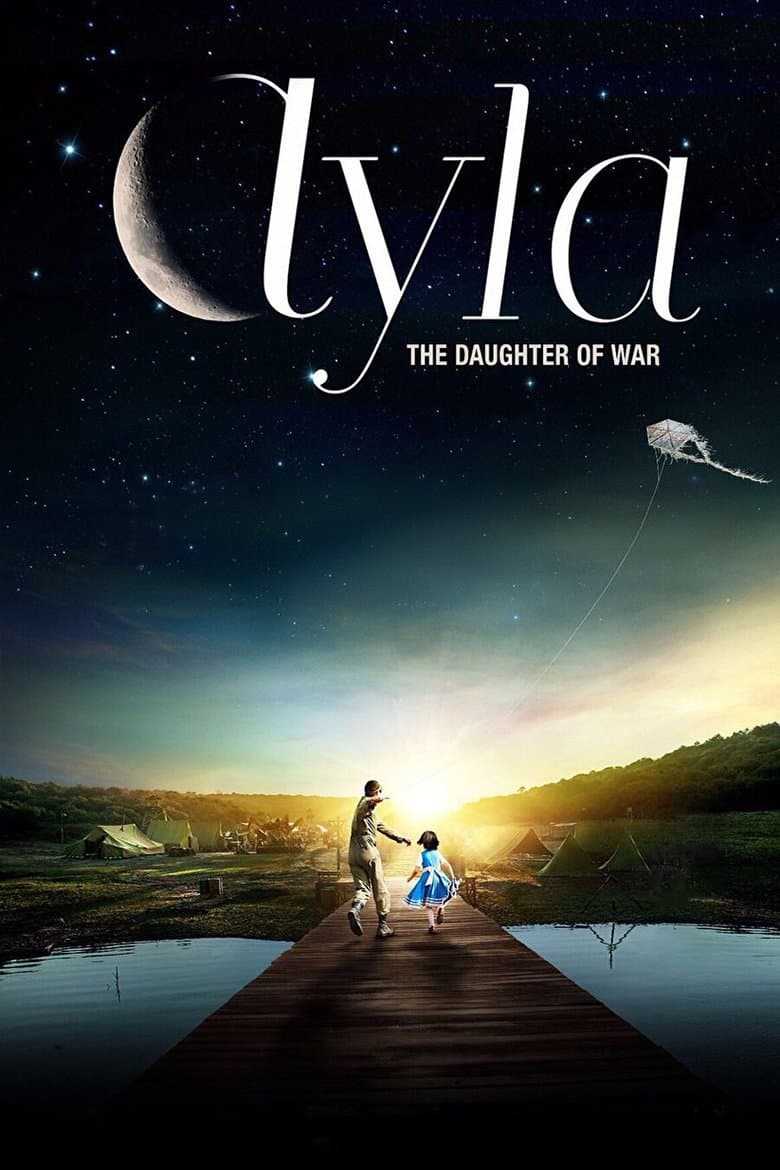
In 1950, amidst the ravages of the Korean War, Sergeant Süleyman stumbles upon a a half-frozen little girl, with no parents and no help in sight and he risks his own life to save…
