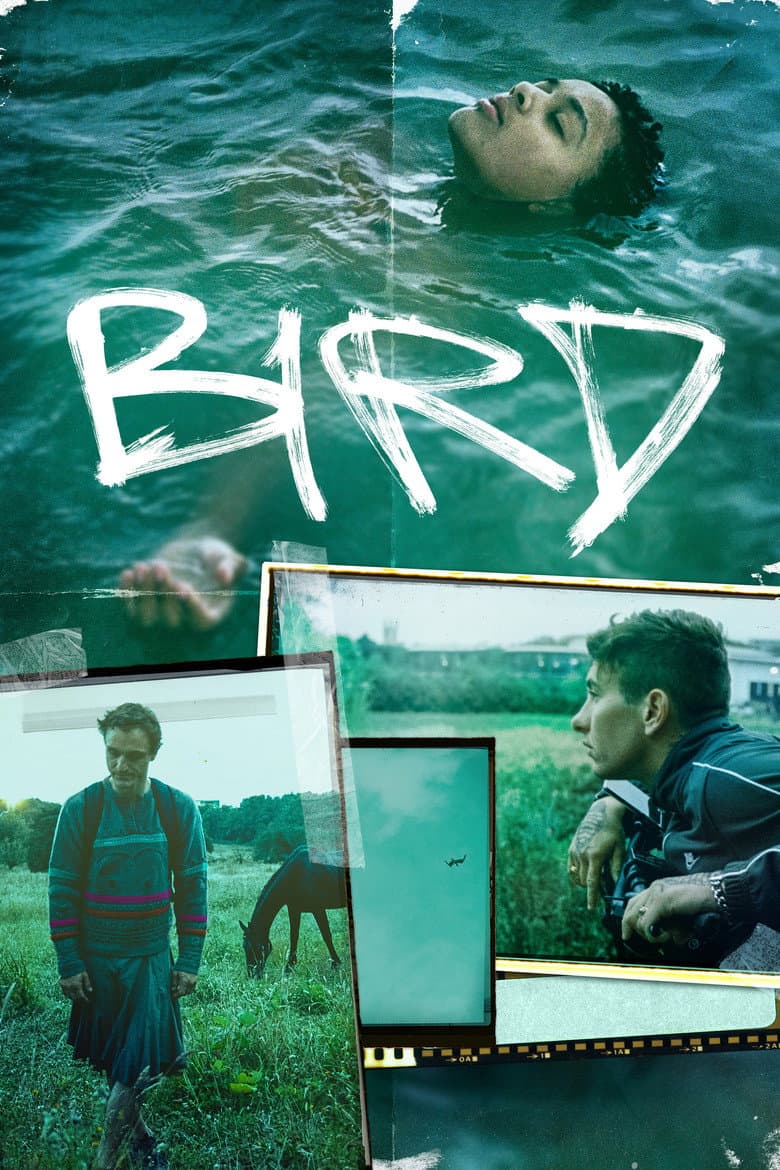
Bird is a coming-of-age movie about a twelve-year-old girl named Bailey who lives in a poor neighborhood with her single father and brother. She struggles to find her place and ends up befriending an eccentric, gentle stranger who calls himself Bird. The film features strong, visible themes about gender roles and identity. These include the main character rejecting traditional feminine dresses and a male character who wears skirts and challenges traditional ideas of being a man.
Community feedback
Was our 82% Woke rating accurate?
Breakdown
These are the editorial factors and ratings behind our score for Bird.
Woke representation / casting
The movie casts a biracial young actress named Nykiya Adams as the main character, Bailey. It also casts German actor Franz Rogowski as Bird, a very unusual man who wears a long skirt. This casting choice actively puts focus on diverse and non-traditional identities. Bird's clothing and soft personality give the viewer a clear, queer-style representation of masculinity. It shows a strong focus on putting non-traditional identities into major roles.
65%
Woke political dialogue
There are no preachy, direct political speeches or modern social-justice buzzwords in the dialogue. The characters speak in gritty, realistic, and everyday language about their lives. However, the dialogue does lightly challenge traditional expectations of how girls and men should act, specifically during Bailey's arguments with her father about her refusal to wear a feminine dress.
Production
5%
Identity-driven story themes
The story heavily focuses on gender identity and breaking traditional roles. Bailey's main conflict is that she rebels against her father's feminine expectations. She cuts her hair, acts like the boys, and finds comfort in the gender-fluid presence of Bird, who openly wears a skirt. These themes of exploring queer and non-conforming identities are highly visible. This is why the movie was nominated for the Queer Palm at the Cannes Film Festival.
75%
Western institutional / cultural critique
The movie presents a very strong critique of traditional masculinity and gender roles. It shows almost all standard working-class men as abusive, angry, or highly irresponsible. Traditional family expectations are shown as flawed and suffocating for young girls. In contrast, the gender-fluid character Bird is presented as a gentle, positive savior. This frames traditional Western social norms and masculinity in a bad light.
70%
Woke character or canon changes
Not relevant. The movie is an original story and screenplay, so there are no changes to existing characters or established legacy material.
0%
Anti-woke backlash and complaints
The film did not face any major coordinated conservative or anti-woke backlash because of its small, independent release. There are only very minor, fringe complaints from everyday viewers on social media. Some people found the queer themes, gender-fluid clothing, and strange behavior of the character Bird to be odd or unnecessary.
20%
Creator track record context
The creative team behind the movie is heavily filled with producers who have strong track records of supporting progressive and activist films. Jessamine Burgum's company Pinky Promise specifically funds films by underrepresented voices, while producers Claude Amadeo, Michael D'Alto, Randal Sandler, and Tessa Ross have a long history of backing feminist and LGBTQ+ projects.
68%
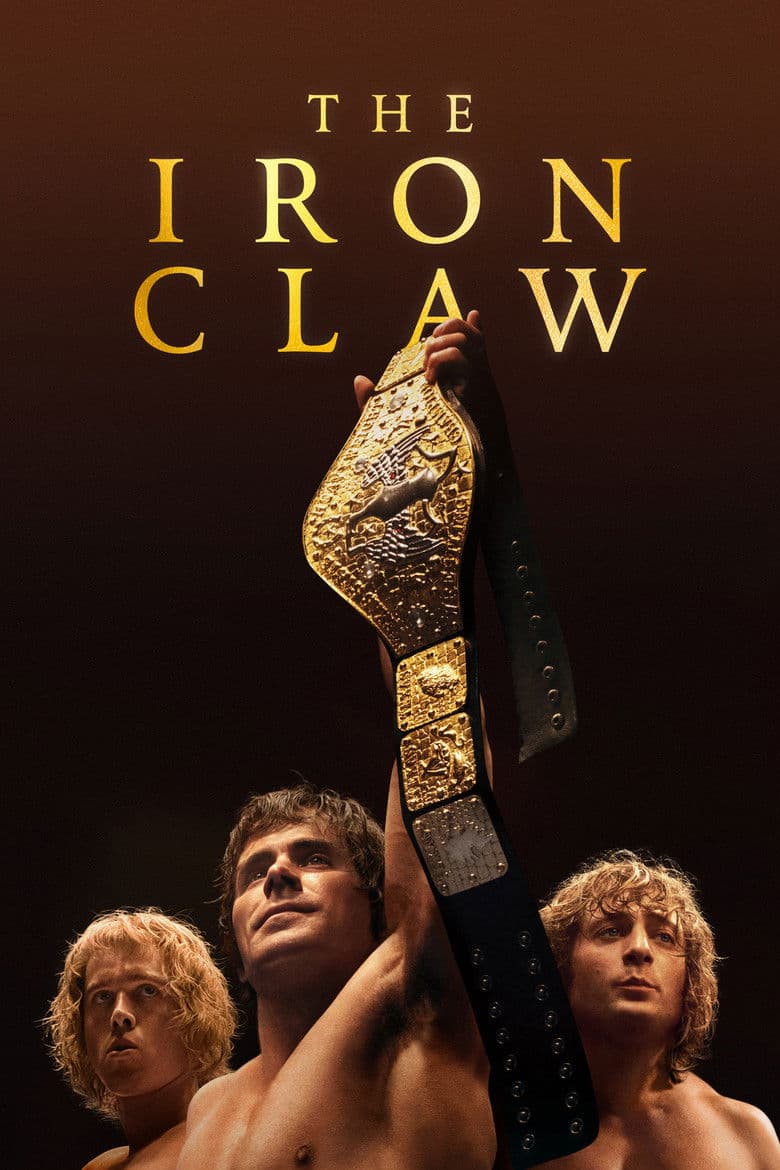
Movie · 2023
The true story of the inseparable Von Erich brothers, who made history in the intensely competitive world of professional wrestling in the early 1980s.
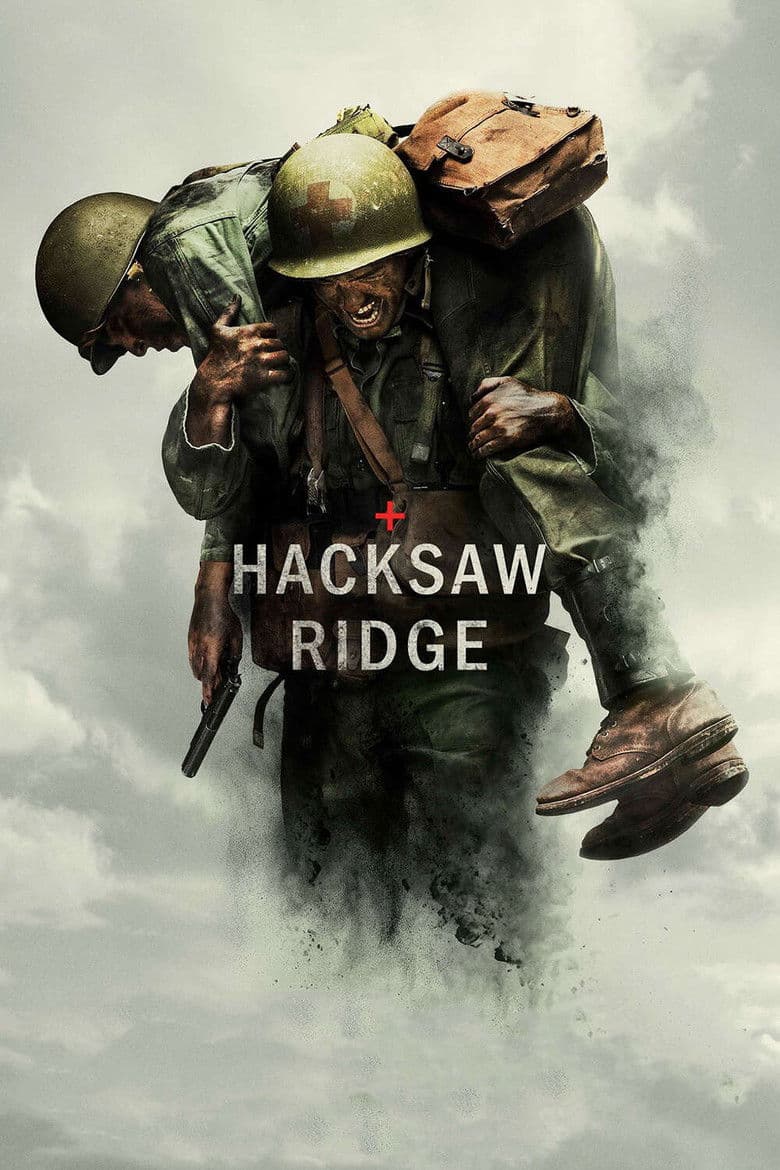
Movie · 2016
WWII American Army Medic Desmond T. Doss, who served during the Battle of Okinawa, refuses to kill people and becomes the first Conscientious Objector in American history to…
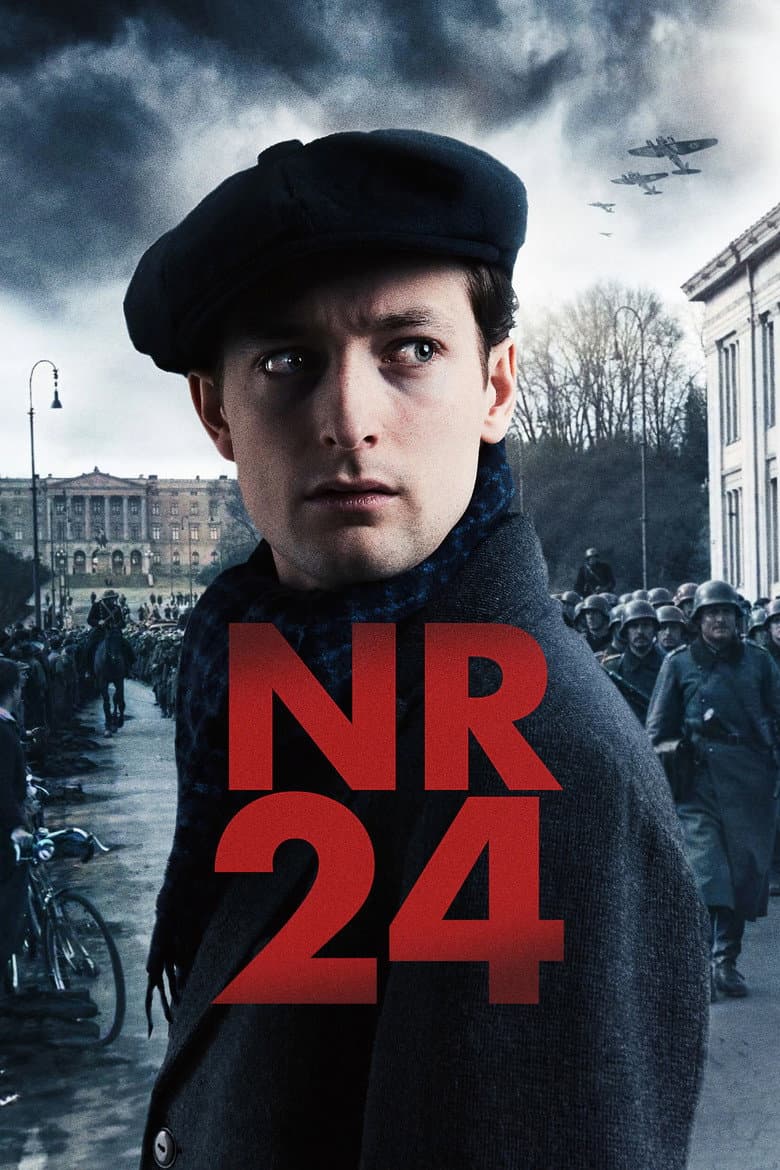
Movie · 2024
On the brink of the Second World War, a young Norwegian man's drive to resist the Nazis sets a new course for his future – and the future of his country.
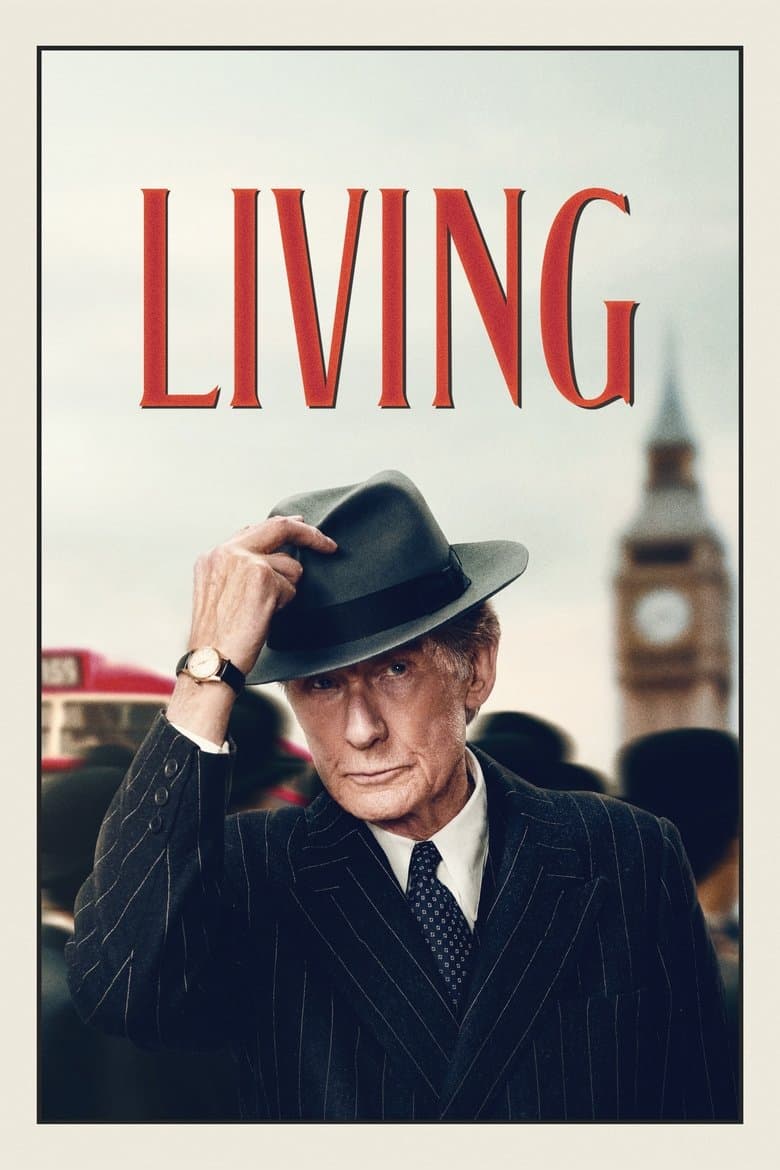
Movie · 2022
London, 1953. Mr. Williams, a veteran civil servant, is an important cog within the city's bureaucracy as it struggles to rebuild in the aftermath of World War II.
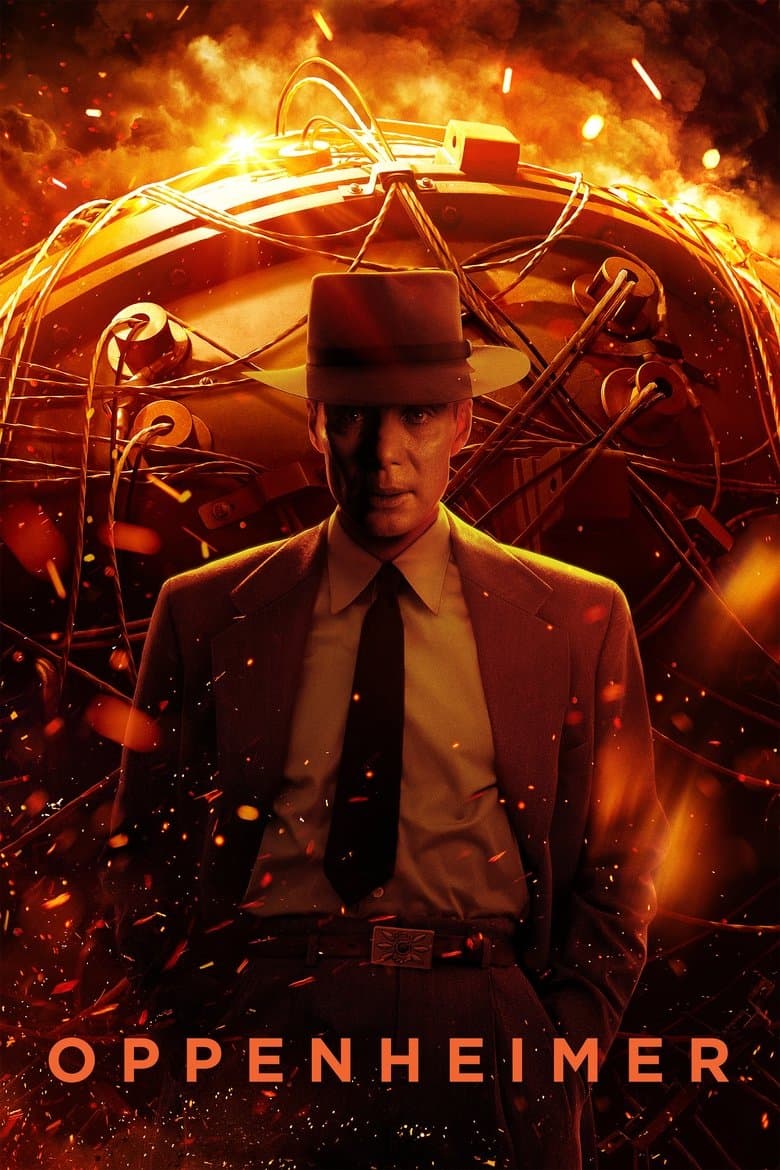
Movie · 2023
The story of J. Robert Oppenheimer's role in the development of the atomic bomb during World War II.
Movie · 2016
In a desolate war zone where screams of the innocent echo, on the very line between disaster and valor, 7 Maroon Berets will dance with death.
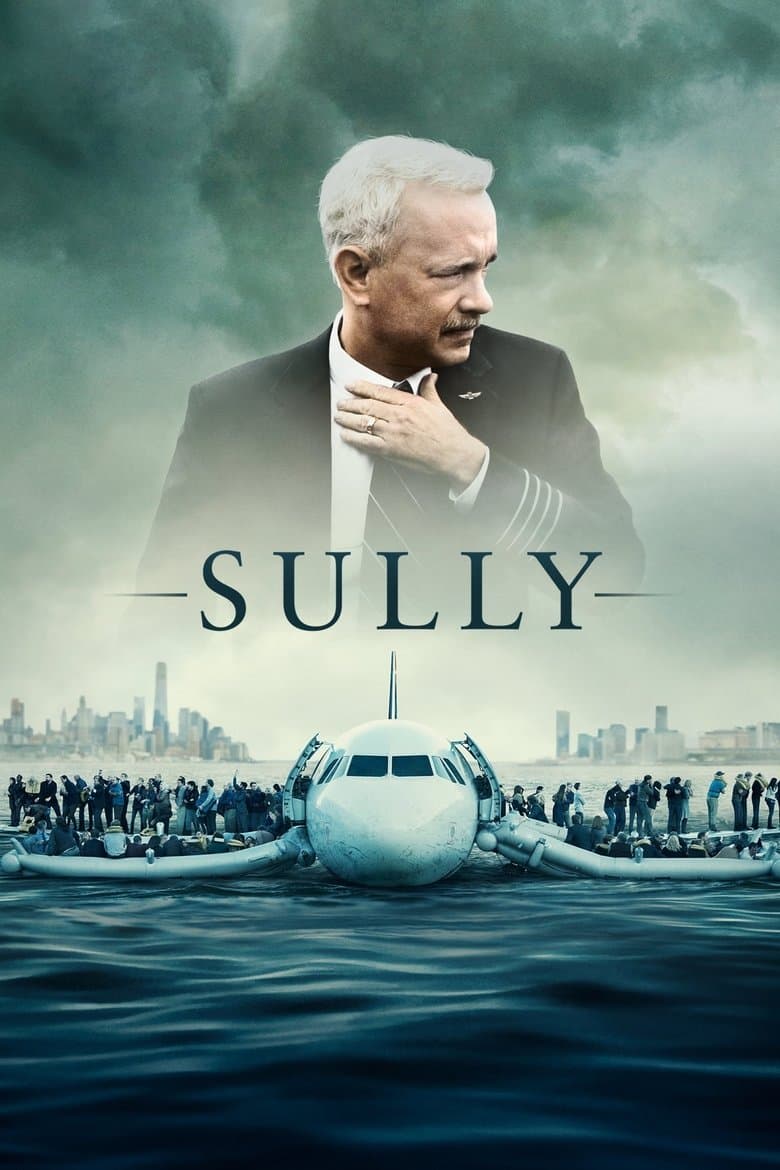
Movie · 2016
On 15 January 2009, the world witnessed the 'Miracle on the Hudson' when Captain 'Sully' Sullenberger glided his disabled plane onto the Hudson River, saving the lives of all 155…
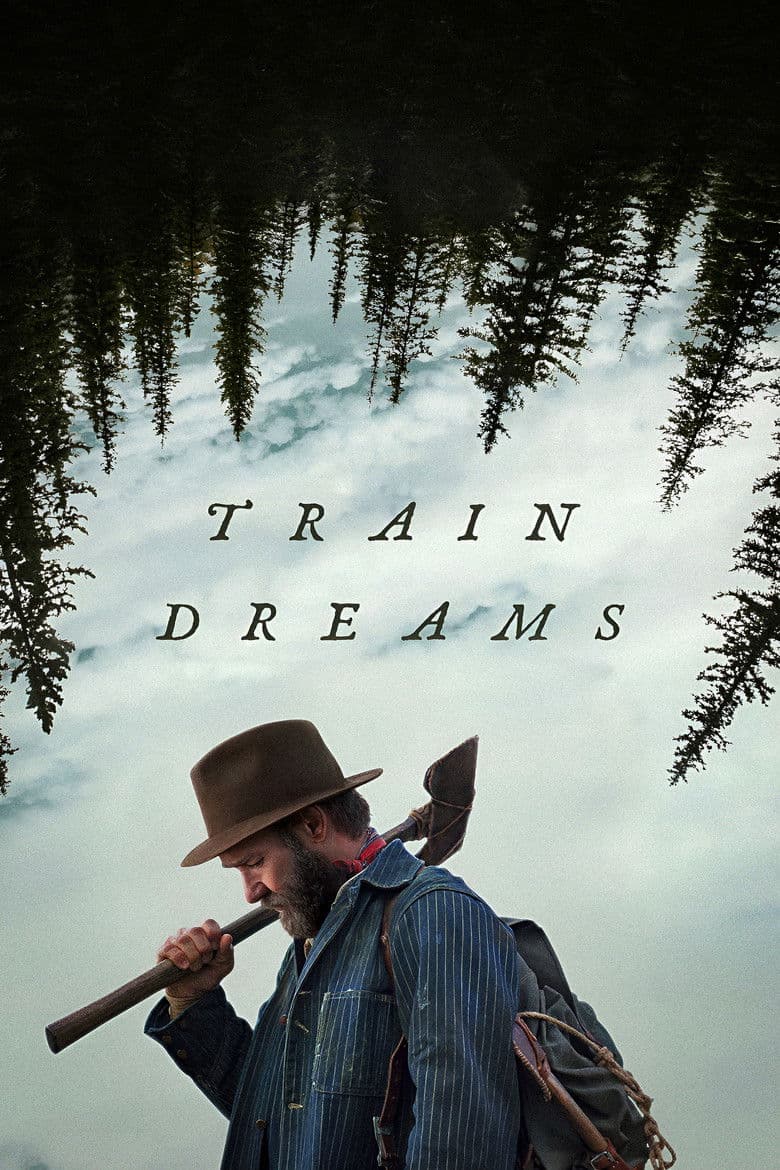
Movie · 2025
A logger leads a life of quiet grace as he experiences love and loss during an era of monumental change in early 20th-century America.
