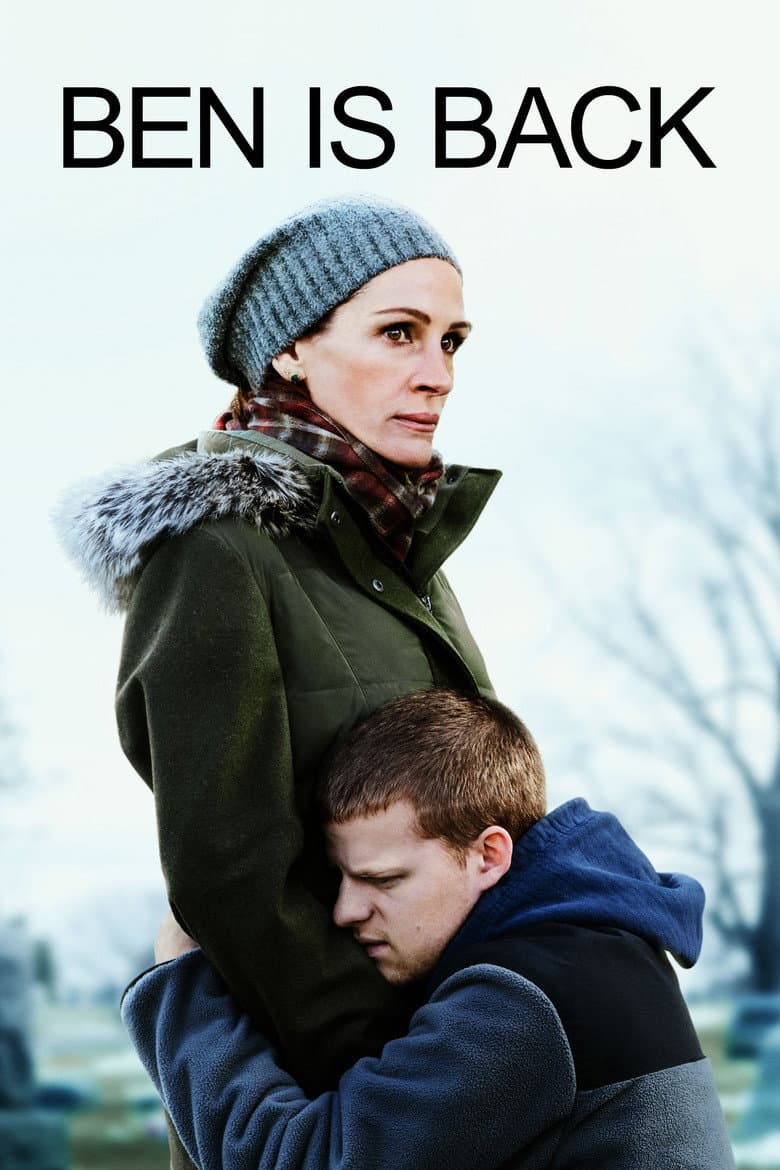
Ben Burns is a 19-year-old recovering from heroin and painkiller addiction. He leaves his rehab center and arrives at his family’s suburban house on Christmas Eve. His mother, Holly, wants to believe that he is ready to come home, while his stepfather and sister fear that he will lie, steal, or use again. When the family dog is taken, Holly and Ben spend the night searching for it and meet people from Ben’s troubled past. The film begins as a sad family drama and turns into a tense search through the town.
The main social message comes from the film’s treatment of addiction as an illness that can hurt a whole family, not just the person using drugs. One brief exchange adds a race-based point when Neal says Ben might already be in jail if he were black, linking Ben’s freedom to unequal treatment in the justice system. The film also questions a doctor who gave Ben strong pain pills and a pharmacy policy that makes overdose medicine hard to get. These points are clear but small compared with the central story about trust, family love, guilt, and the hard work of recovery.
Community feedback
Was our 27% Woke rating accurate?
Breakdown
These are the editorial factors and ratings behind our score for Ben Is Back.
Woke representation / casting
Not present. The family includes a white mother and son, a black stepfather, and children in a modern American suburb. The film does not frame the cast’s identities or diversity as a main message.
0%
Woke political dialogue
Neal says Ben might be in jail if he were black. Holly argues that a doctor helped start Ben’s drug problem by giving him stronger pain pills. She also argues with a pharmacy worker who refuses to refill overdose medicine. These lines bring race and public health into the story, but most talk concerns addiction, trust, and family fear.
24%
Identity-driven story themes
Ben’s stepfather links Ben’s freedom from jail to his being white. The film uses that brief point to raise unequal treatment of black and white people. The rest of the story follows addiction, guilt, and family trust. Identity is a small side point rather than the main reason for the conflict.
13%
Western institutional / cultural critique
The film blames a childhood doctor for raising Ben’s painkiller doses until he became addicted. It shows a pharmacy refusing to give Holly overdose medicine because staff fear it will support drug use. Neal also points to unequal treatment of white and black people by the justice system. These scenes criticize health and justice systems, but they do not attack family life, faith, capitalism, or traditional gender roles.
24%
Woke character or canon changes
Not relevant. The film is an original story about a fictional family. It does not change an established character, canon, or historical event.
0%
Anti-woke backlash and complaints
Not present. No reported review, news story, or public post found accused the film of pushing woke, DEI, or identity politics. The limited audience discussion focused on addiction, realism, acting, and the ending.
0%
Creator track record context
Peter Hedges has a mild inclusive-storytelling record. Nina Jacobson and Bernard Telsey have stronger public diversity records, and Brad Simpson has worked with Jacobson on inclusive projects. Most other listed producers and the script supervisor have little public activist record, so the background signal is mixed.
37%
Production

Movie · 2016
After his older brother passes away, Lee Chandler is forced to return home to care for his 16-year-old nephew.
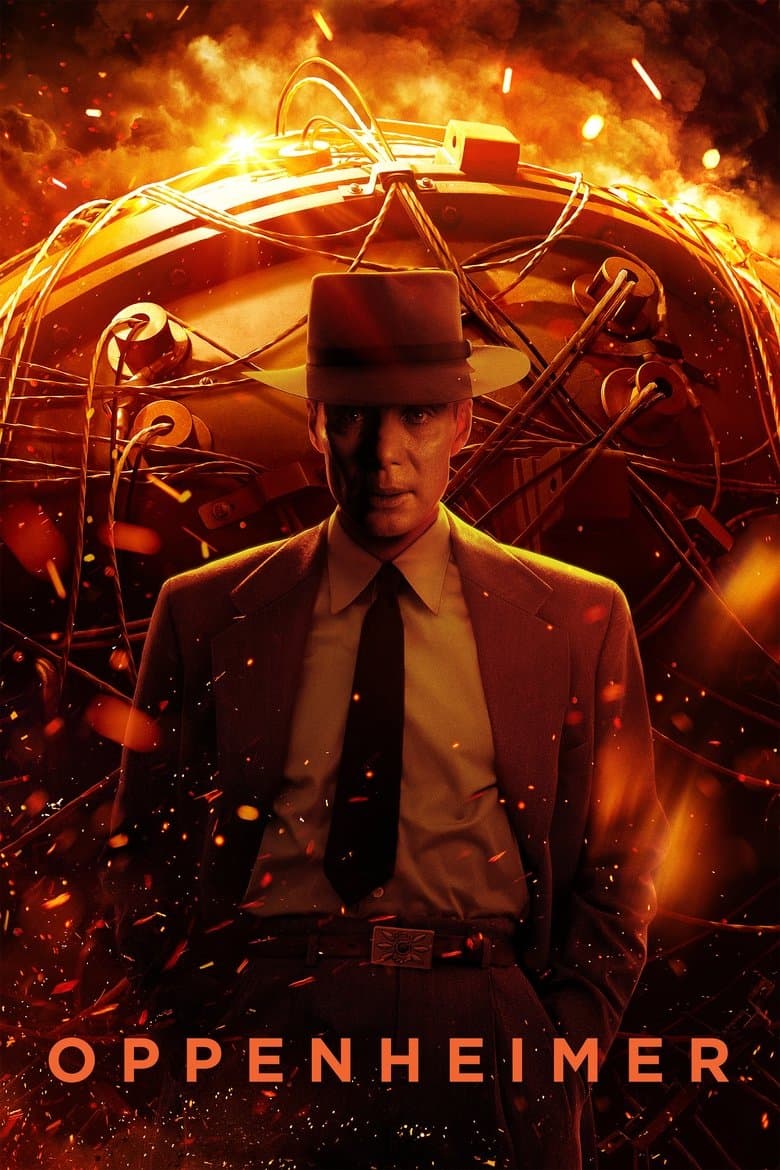
Movie · 2023
The story of J. Robert Oppenheimer's role in the development of the atomic bomb during World War II.

Movie · 2024
On the brink of the Second World War, a young Norwegian man's drive to resist the Nazis sets a new course for his future – and the future of his country.

Movie · 2023
The true story of the inseparable Von Erich brothers, who made history in the intensely competitive world of professional wrestling in the early 1980s.
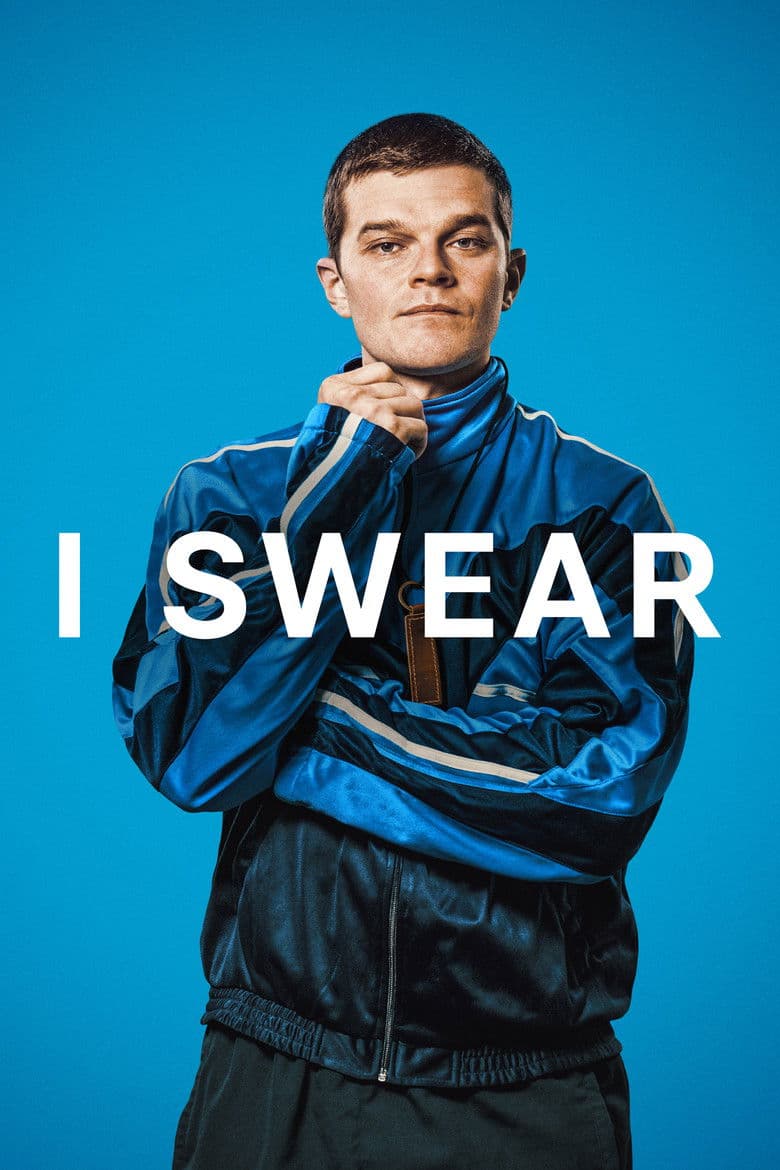
Movie · 2025
Diagnosed with Tourette Syndrome at 15, John Davidson navigates his way against the odds through troubled teenage years and into adulthood, finding inspiration in the kindness of…
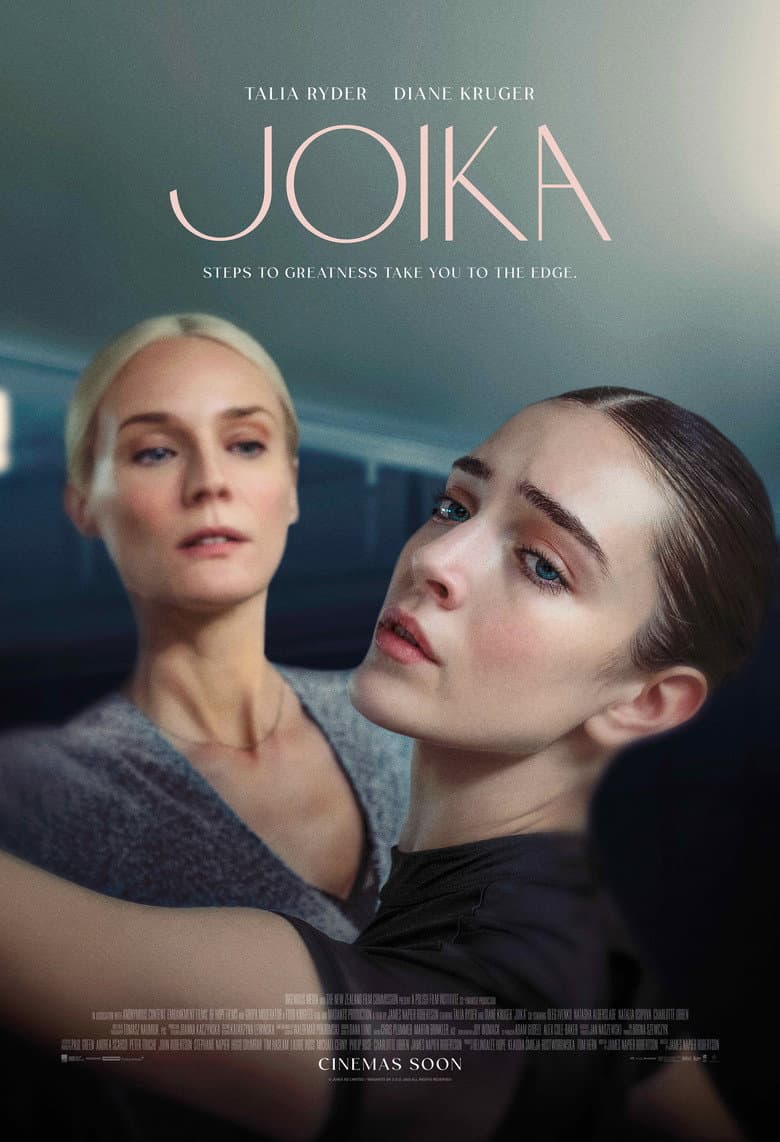
Movie · 2023
American ballet dancer Joy Womack is accepted into Moscow's infamously tough Bolshoi Ballet Academy, with the dream of becoming a great ballerina.
Movie · 2019
Richard Jewell thinks quick, works fast, and saves hundreds, perhaps thousands, of lives after a domestic terrorist plants several pipe bombs and they explode during a concert…
Movie · 2026
While people across 1990s Iraq struggle to survive the war and food shortages, Saddam Hussein requires each school in the country to prepare a cake to celebrate his birthday.
