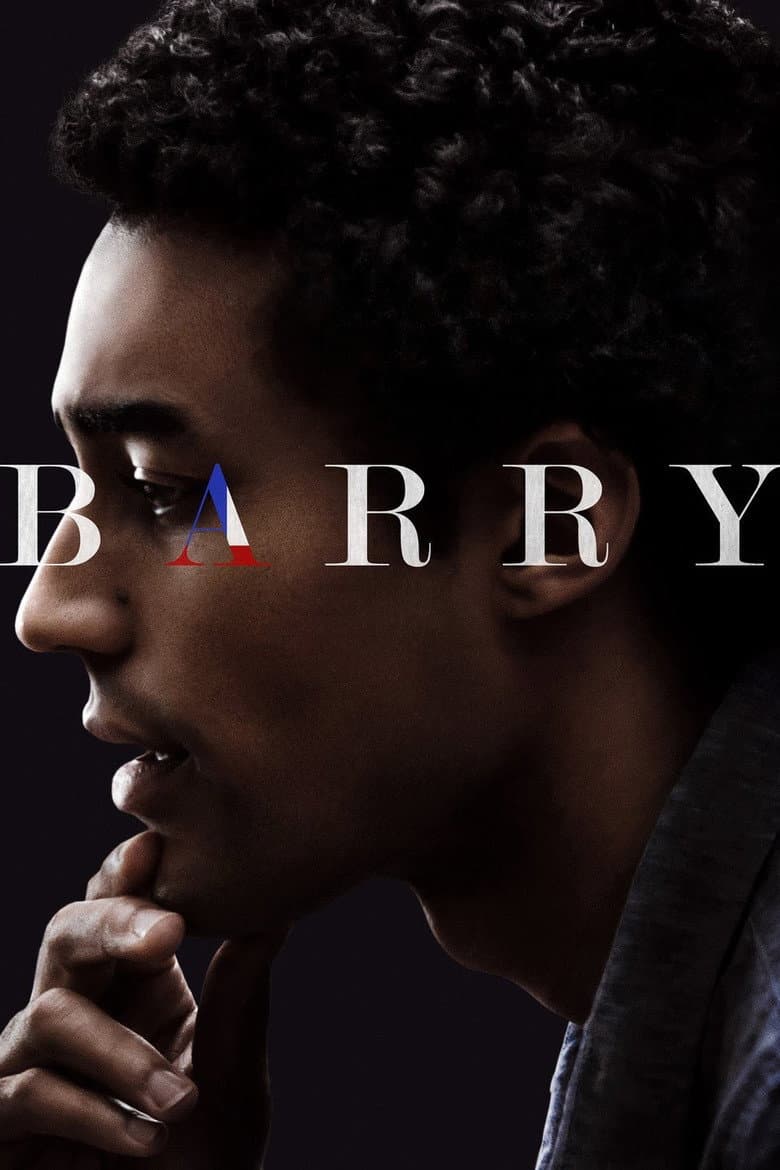
Barry follows 20-year-old Barack Obama, who uses the name Barry while he studies at Columbia University in New York in 1981. He is a mixed-race young man with a white mother, a Kenyan father, and a childhood spread across Hawaii, Indonesia, and California. He feels caught between his white college world and Black life in Harlem while he builds friendships and dates Charlotte. The film has a quiet, serious, and sometimes awkward tone, with basketball, parties, books, family grief, and a search for belonging.
Race and personal identity are the main story, not a small side issue. Barry faces a campus guard who treats him as suspicious, a white classmate who brushes aside slavery, and a wealthy family that mistakes him for a bathroom worker. The film also shows him visiting public housing with PJ and hearing that government choices hurt Black residents. These scenes support a message about racism, class, mixed heritage, and shared American identity, but the film does not center queer themes or repeated female-power messaging.
Community feedback
Was our 62% Woke rating accurate?
Breakdown
These are the editorial factors and ratings behind our score for Barry.
Woke representation / casting
Not present. Barry is about the real mixed-race Barack Obama, so his identity is part of the story. The other visible identities fit the Columbia, Harlem, and family settings rather than a diversity-first casting design.
0%
Woke political dialogue
Barry's political science class includes a white student who says everything comes back to slavery. Charlotte tells Barry that caring about politics is his civic duty. PJ says the government has harmed the people living in the projects. Barry and other characters keep discussing race, belonging, and America's treatment of black people.
41%
Identity-driven story themes
Barry's search for a racial and cultural identity drives the whole movie. He feels shut out of both white college life and Black neighborhood life because he is mixed race and has lived in many places. His romance, friendship with PJ, trip through the projects, family grief, and meeting with civil rights activists all push him to ask where he belongs. The ending lets him accept his many backgrounds without choosing only one group.
68%
Western institutional / cultural critique
Barry is stopped and questioned by a campus guard who treats him as suspicious even though he is a student. A white classmate mocks the repeated mention of slavery, and Charlotte's liberal parents fail to see the insult in mistaking Barry for a bathroom worker. PJ links the poor housing project to government choices and class hardship. These scenes criticize racism, elite blindness, and public institutions, but the film does not attack Christianity or all Western culture.
43%
Woke character or canon changes
Not relevant. The film fictionalizes some college events and combines several girlfriends into Charlotte, but it does not make a woke identity or role change to an established character or real figure.
0%
Anti-woke backlash and complaints
One small review said the movie pushes a race agenda and makes race the defining feature of every character. That complaint was limited and did not lead to a visible boycott, review bomb, or large news fight. The supplied X research also found no anti-woke complaints about Barry.
8%
Creator track record context
Director Vikram Gandhi has a record of work about race, cultural identity, and social power. Writer Adam Mansbach has written and spoken about racial injustice, hip-hop, and political dissent. Their past work supports the movie's identity focus. The listed producers and casting director have little public record of activism on these issues, so the context is mixed.
48%
Production
Movie · 2020
A man refuses all assistance from his daughter as he ages and, as he tries to make sense of his changing circumstances, he begins to doubt his loved ones, his own mind and even…
Movie · 2016
In a desolate war zone where screams of the innocent echo, on the very line between disaster and valor, 7 Maroon Berets will dance with death.
Movie · 2025
A logger leads a life of quiet grace as he experiences love and loss during an era of monumental change in early 20th-century America.
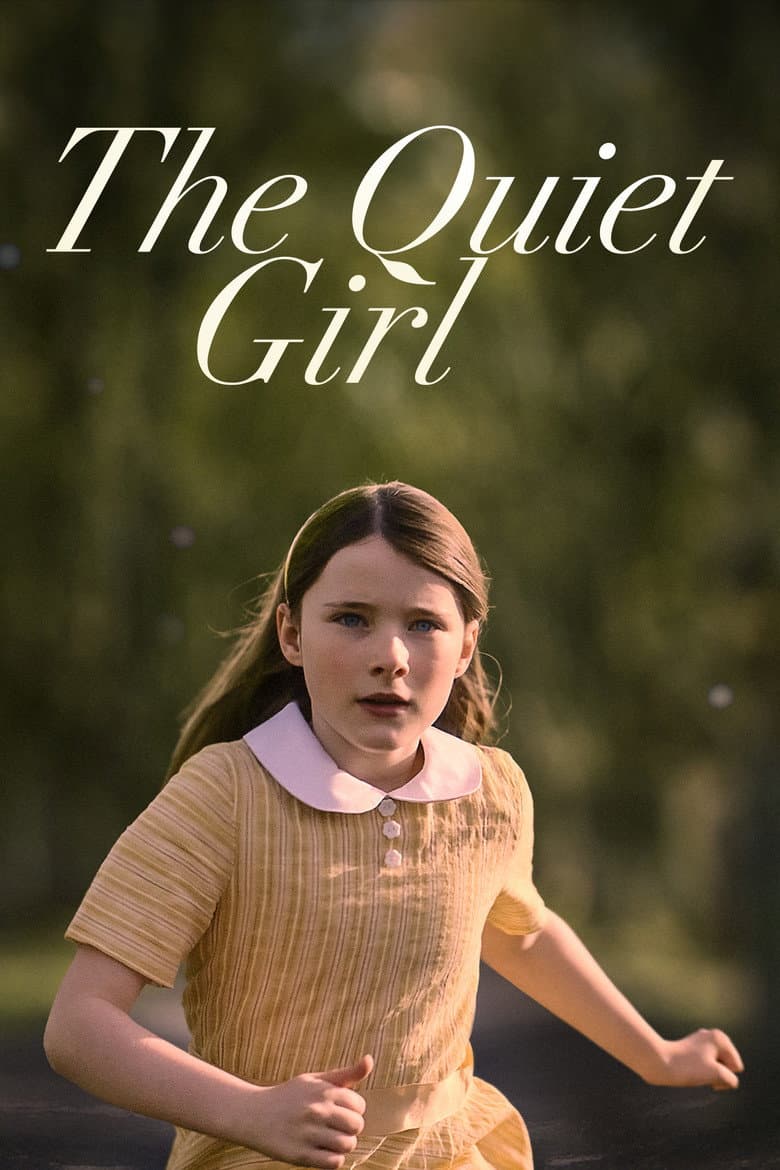
Movie · 2022
A quiet, neglected girl is sent away from her dysfunctional family to live with relatives for the summer. She blossoms in their care, but in this house where there are meant to be…
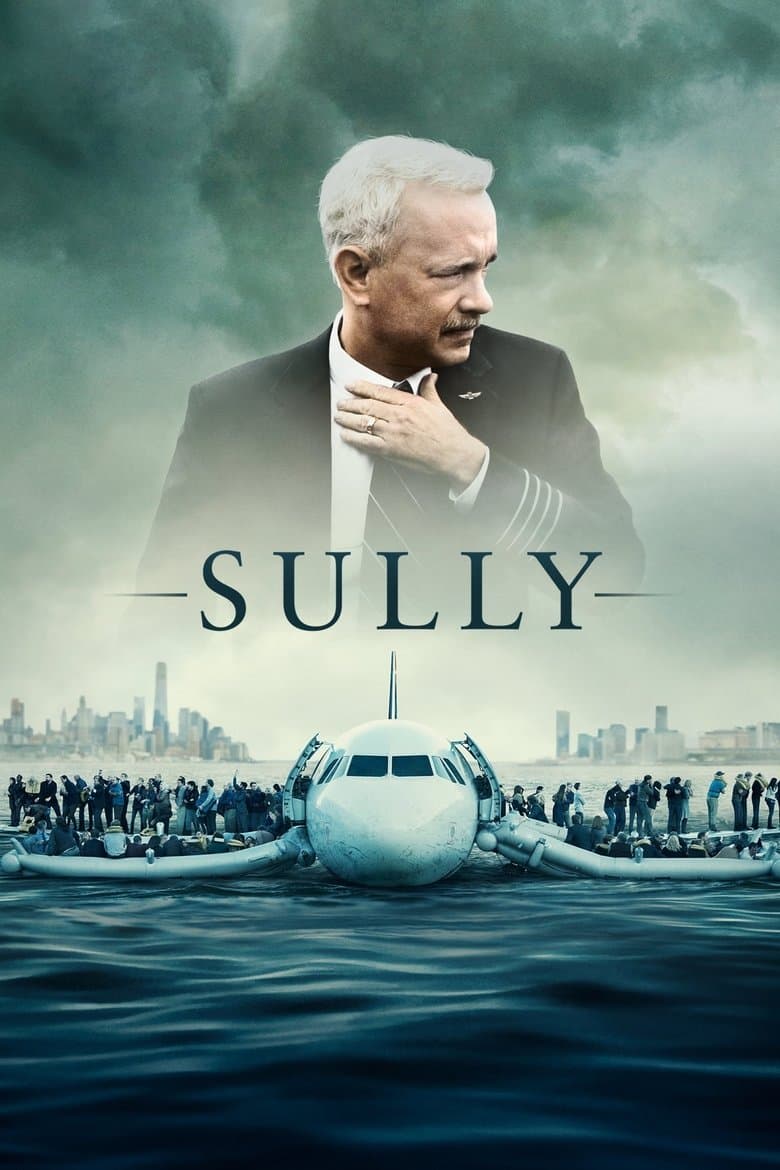
Movie · 2016
On 15 January 2009, the world witnessed the 'Miracle on the Hudson' when Captain 'Sully' Sullenberger glided his disabled plane onto the Hudson River, saving the lives of all 155…
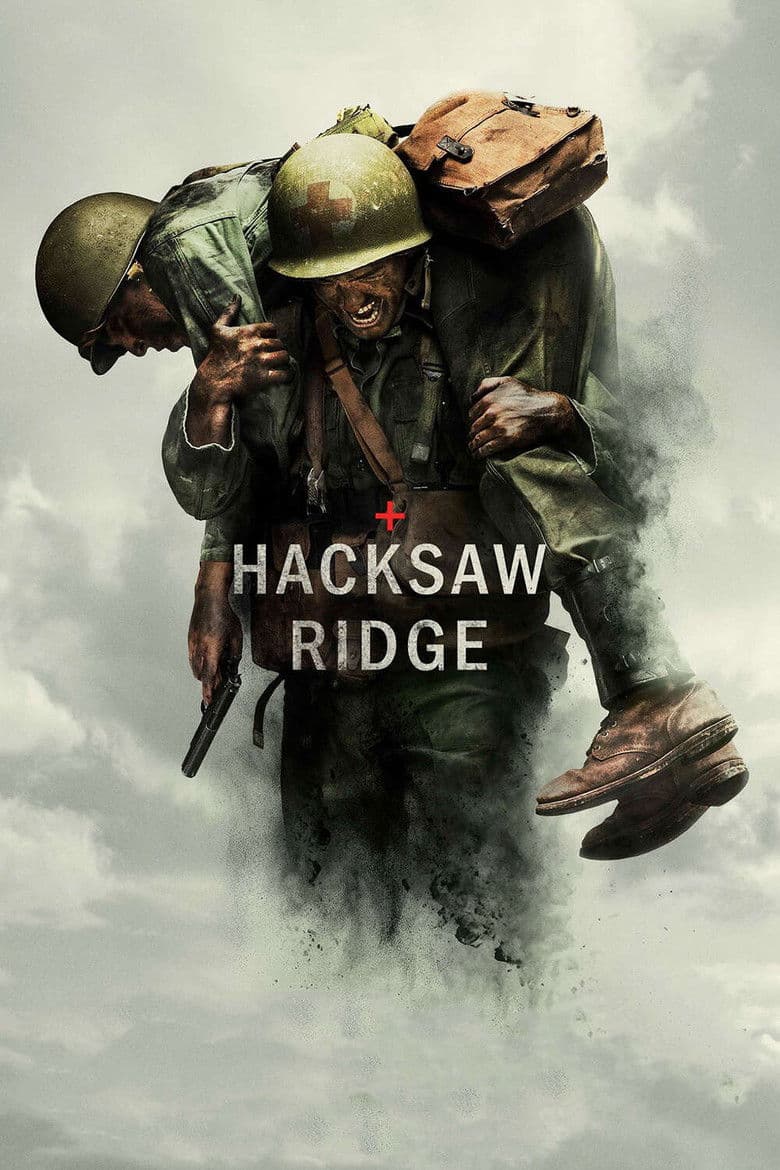
Movie · 2016
WWII American Army Medic Desmond T. Doss, who served during the Battle of Okinawa, refuses to kill people and becomes the first Conscientious Objector in American history to…
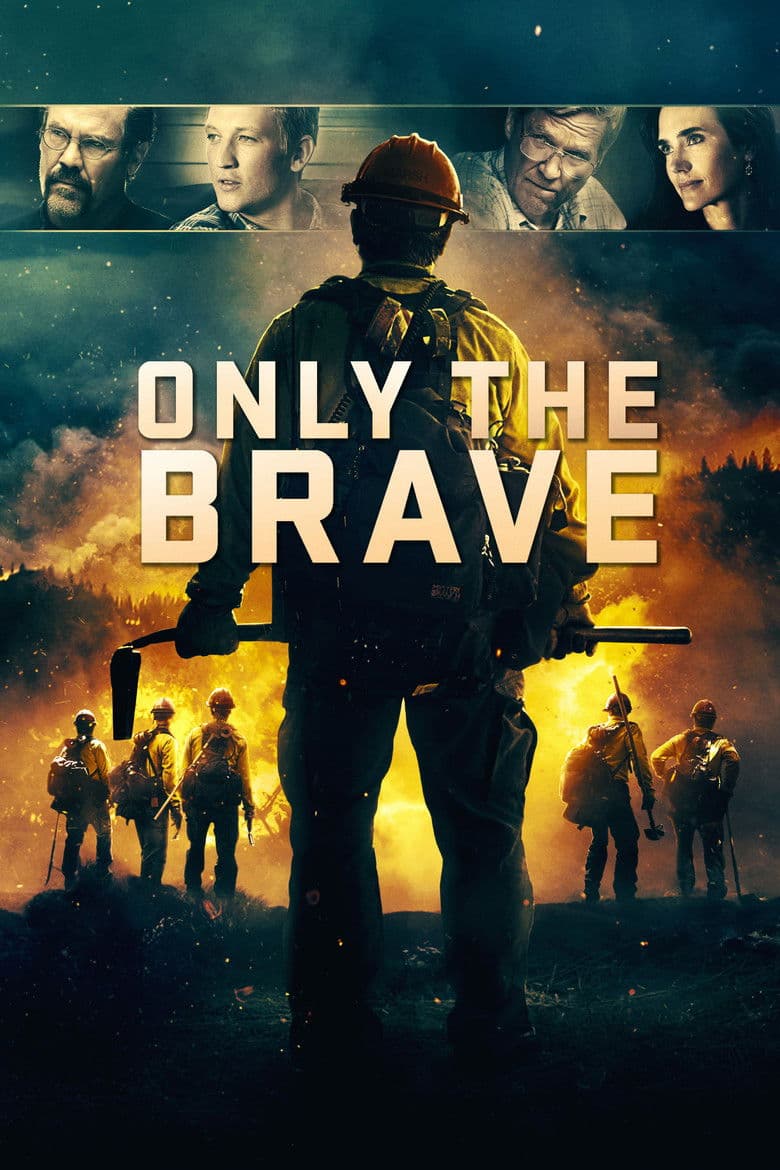
Movie · 2017
Members of the Granite Mountain Hotshots battle deadly wildfires to save an Arizona town.
Movie · 2024
On the brink of the Second World War, a young Norwegian man's drive to resist the Nazis sets a new course for his future – and the future of his country.
