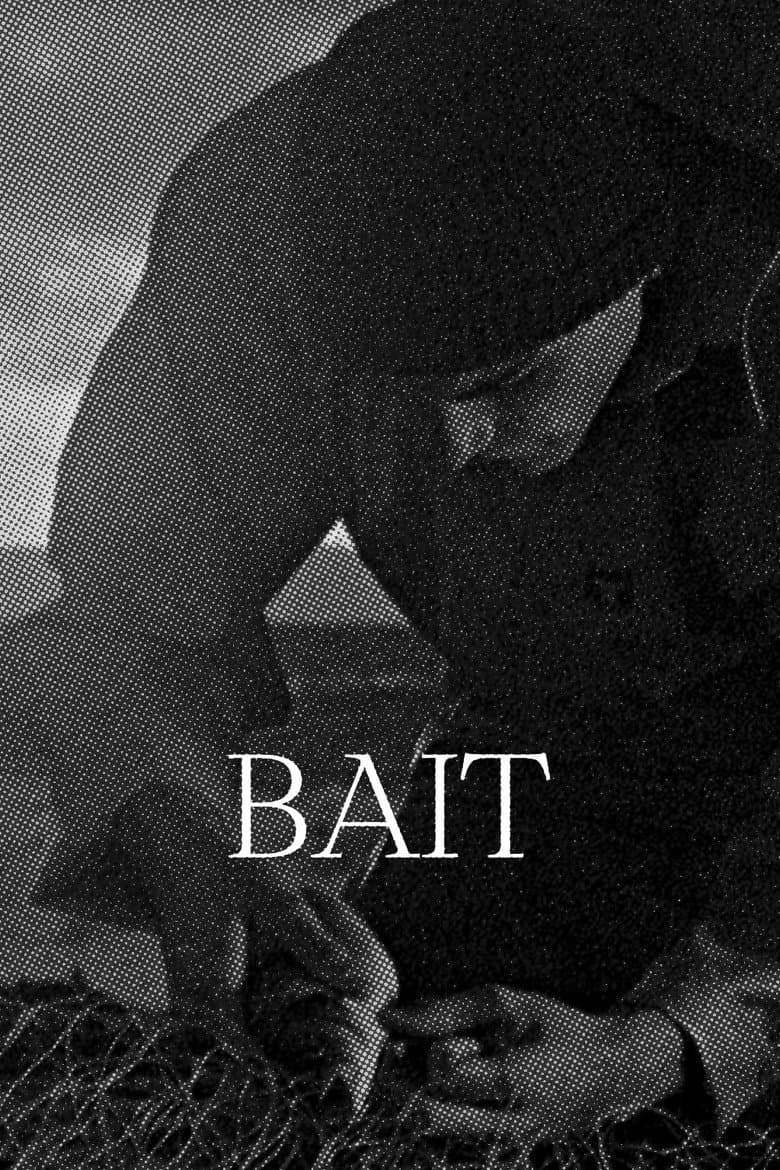
Martin Ward is a Cornish fisherman who has no boat and struggles to earn enough money from small catches. His brother Steven uses their late father’s boat to take tourists around the harbor, while wealthy London visitors have bought the family home and turned it into a holiday rental. Martin’s anger grows as tourists crowd the village and old fishing work loses its place. The tense, rough black-and-white drama follows family fights, a young romance between a local boy and a visitor’s daughter, and a death that forces the brothers to face what they have lost.
The film gives most of its attention to class, money, tourism, and the loss of a local way of life. It treats wealthy newcomers and holiday businesses as major causes of the village’s trouble, while it shows local fishing as hard work tied to family and belonging. A short radio report brings Brexit and trade arguments into the background, and a pub fight blames low wages and outside profits for local hardship. Its main message favors local working people and questions an economy that lets money reshape a community, although it also shows that both locals and visitors are caught in the conflict.
Community feedback
Was our 50% Woke rating accurate?
Breakdown
These are the editorial factors and ratings behind our score for Bait.
Woke representation / casting
Not present. The main roles are local and London white British characters that fit the modern Cornish setting. The film does not present casting as a diversity message or an identity focus.
0%
Woke political dialogue
Characters argue that tourism brings low wages and sends profits away from the village. A short radio report discusses Brexit, trade talks, and fishing rights. The film gives these ideas a clear place in one long pub argument and one background scene. The dialogue is political and mildly activist, but it does not use identity, gender, or DEI slogans.
28%
Identity-driven story themes
The story centers on local identity and the loss of a traditional way of life. Martin sees fishing as part of his family and community, while tourism and outside money push that life aside. The film asks who has the right to belong and treats local working people as the more wronged side. The theme returns through the home sale, the tourist boat, the pub fights, and the final family choice.
42%
Western institutional / cultural critique
The film repeatedly blames a money-first economy for pushing locals out of homes and jobs. Tourists, second-home owners, a holiday rental, parking control, and low-paid seasonal work all show this pressure. A pub argument says tourism profits leave the area while local workers receive little. The film also admits that locals depend on tourist money, so the criticism is strong but not a simple attack on every visitor.
48%
Woke character or canon changes
Not relevant. Bait is an original story about a Cornish fishing village. It does not change known characters, a source story, or a real historical event.
0%
Anti-woke backlash and complaints
Not present. No confirmed anti-woke complaints were found. The separate X search found no anti-woke reaction, and wider discussion focused on style, class, tourism, and Brexit rather than DEI or identity politics.
0%
Creator track record context
Mark Jenkin’s cached creator score is 54/100. His work often centers on Cornish identity, working-class life, tourism, rising prices, and local culture. The producers’ cached scores are 51/100 each and reflect a focus on regional voices and wider access for new creators. This context fits Bait’s local and class concerns, but it does not show that Bait is a broad diversity-first or party-political project.
54%
Production

Movie · 2023
American ballet dancer Joy Womack is accepted into Moscow's infamously tough Bolshoi Ballet Academy, with the dream of becoming a great ballerina.
Movie · 2020
A man refuses all assistance from his daughter as he ages and, as he tries to make sense of his changing circumstances, he begins to doubt his loved ones, his own mind and even…
Movie · 2016
On 15 January 2009, the world witnessed the 'Miracle on the Hudson' when Captain 'Sully' Sullenberger glided his disabled plane onto the Hudson River, saving the lives of all 155…
Movie · 2022
London, 1953. Mr. Williams, a veteran civil servant, is an important cog within the city's bureaucracy as it struggles to rebuild in the aftermath of World War II.

Movie · 2016
After his older brother passes away, Lee Chandler is forced to return home to care for his 16-year-old nephew.
Movie · 2019
Richard Jewell thinks quick, works fast, and saves hundreds, perhaps thousands, of lives after a domestic terrorist plants several pipe bombs and they explode during a concert…

Movie · 2016
In a desolate war zone where screams of the innocent echo, on the very line between disaster and valor, 7 Maroon Berets will dance with death.
Movie · 2025
A logger leads a life of quiet grace as he experiences love and loss during an era of monumental change in early 20th-century America.
