
Back to Black follows Amy Winehouse, a young singer from Camden, London, as her sharp songs carry her from small clubs to world fame. Her close bond with her grandmother and father sits beside a stormy marriage to Blake Fielder-Civil. Amy turns the pain of that love into the songs on her album Back to Black. The tone moves from warm family scenes and lively music to a sad story about addiction, public shame, and loss.
The film tells Amy’s story through her own songs and gives her a clear woman-centered point of view. It presents Amy as Blake’s equal in their love, fights, and bad choices, rather than only as his victim. It also shows gossip papers and photographers treating her pain as paid entertainment. These ideas support the personal story, while the main themes stay focused on music, family, love, addiction, fame, grief, and the cost of public attention.
Community feedback
Was our 14% Woke rating accurate?
Breakdown
These are the editorial factors and ratings behind our score for Back to Black.
Woke representation / casting
Not present. Amy and her family are portrayed as Jewish because that matches the real people and the setting. The film does not make diversity or identity-first casting part of its story or marketing.
0%
Woke political dialogue
Not present. The dialogue is about music, family, love, addiction, and fame. It does not deliver a modern political or activist message.
0%
Identity-driven story themes
The film repeatedly tells Amy’s story through her own point of view and songs. The director said she wanted to give Amy control over her own story and avoid making her only a victim. The film presents Amy and Blake as emotional equals, and it shows her making strong choices in their relationship. This creates a mild woman-centered identity framing, but it is not the film’s main subject.
15%
Western institutional / cultural critique
The film repeatedly shows paparazzi chasing Amy and turning her private pain into paid news. Amy tells Blake that newspapers profit from the photographers’ work. This creates a mild critique of the news business. It does not turn the press, family, religion, or Western culture into a broad modern activist target.
10%
Woke character or canon changes
Not relevant. The film leaves out or reshapes some real-life events, including Amy’s later relationship with Reg Traviss. Those choices narrow the biopic to her rise, Blake, and the Back to Black album rather than changing a character’s identity or adding a DEI message.
0%
Anti-woke backlash and complaints
Not present. Public complaints focused on exploitation, accuracy, Mitch Winehouse, and the film’s soft treatment of Blake and Mitch. The separate X research found no anti-woke or identity-politics complaints about the movie.
0%
Creator track record context
The key creators have a mixed but mostly low woke track record. Nina Gold has a diversity-minded casting record, and Alison Owen has a feminist, women-centered work history. Sam Taylor-Johnson has no clear activist record, while Matt Greenhalgh and most producers have little public political record. This gives the title a mild creator-context signal, not a strong one.
20%
Production
Movie · 2019
Richard Jewell thinks quick, works fast, and saves hundreds, perhaps thousands, of lives after a domestic terrorist plants several pipe bombs and they explode during a concert…

Movie · 2016
WWII American Army Medic Desmond T. Doss, who served during the Battle of Okinawa, refuses to kill people and becomes the first Conscientious Objector in American history to…

Movie · 2024
On the brink of the Second World War, a young Norwegian man's drive to resist the Nazis sets a new course for his future – and the future of his country.
Movie · 2016
On 15 January 2009, the world witnessed the 'Miracle on the Hudson' when Captain 'Sully' Sullenberger glided his disabled plane onto the Hudson River, saving the lives of all 155…
Movie · 2025
Diagnosed with Tourette Syndrome at 15, John Davidson navigates his way against the odds through troubled teenage years and into adulthood, finding inspiration in the kindness of…
Movie · 2023
The story of J. Robert Oppenheimer's role in the development of the atomic bomb during World War II.
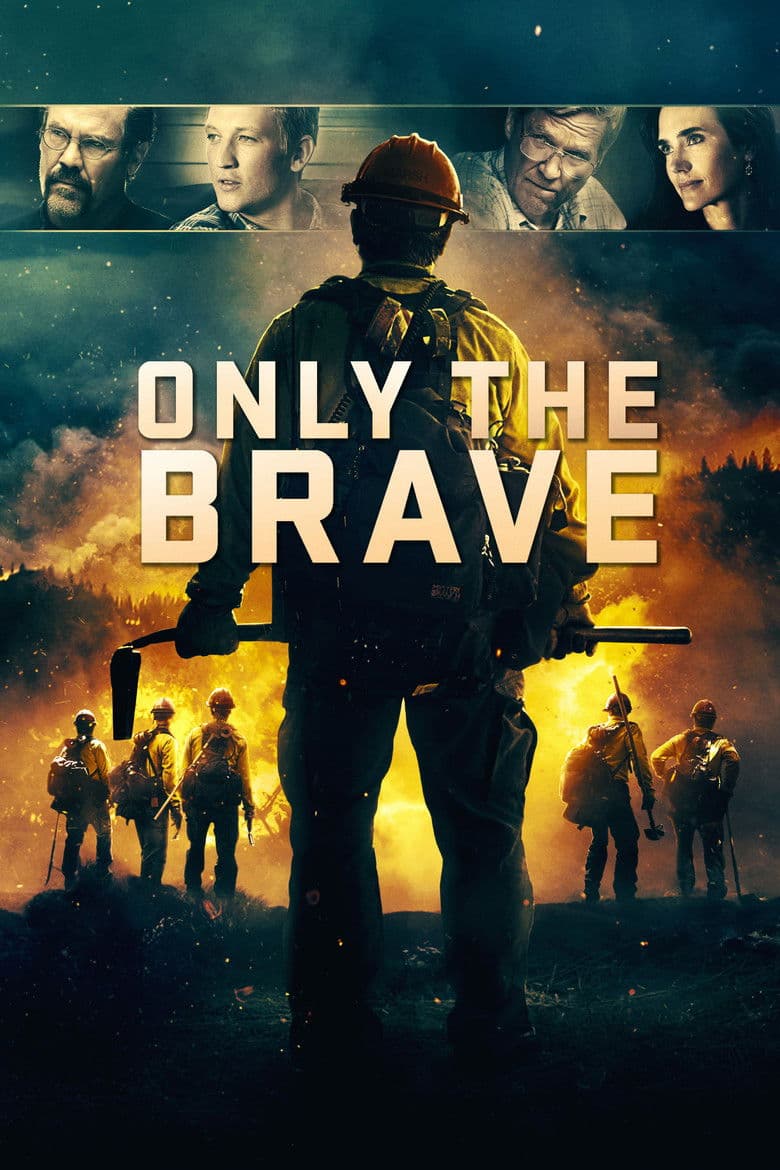
Movie · 2017
Members of the Granite Mountain Hotshots battle deadly wildfires to save an Arizona town.
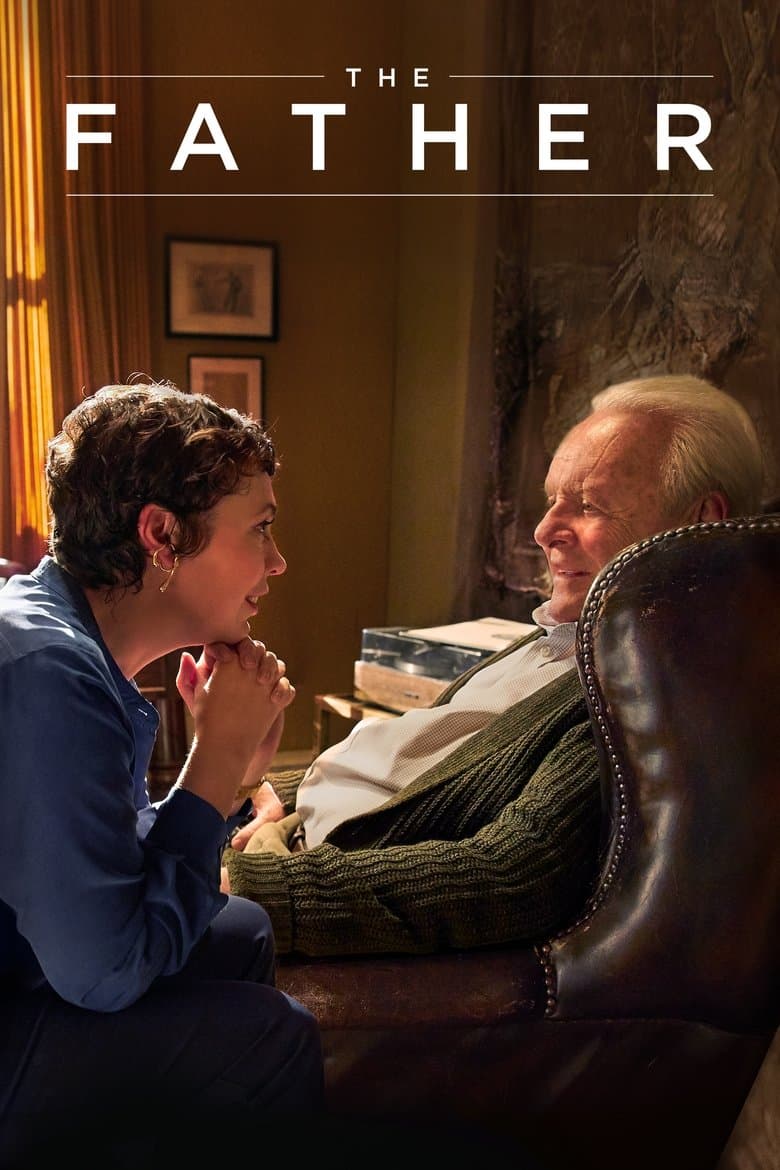
Movie · 2020
A man refuses all assistance from his daughter as he ages and, as he tries to make sense of his changing circumstances, he begins to doubt his loved ones, his own mind and even…
