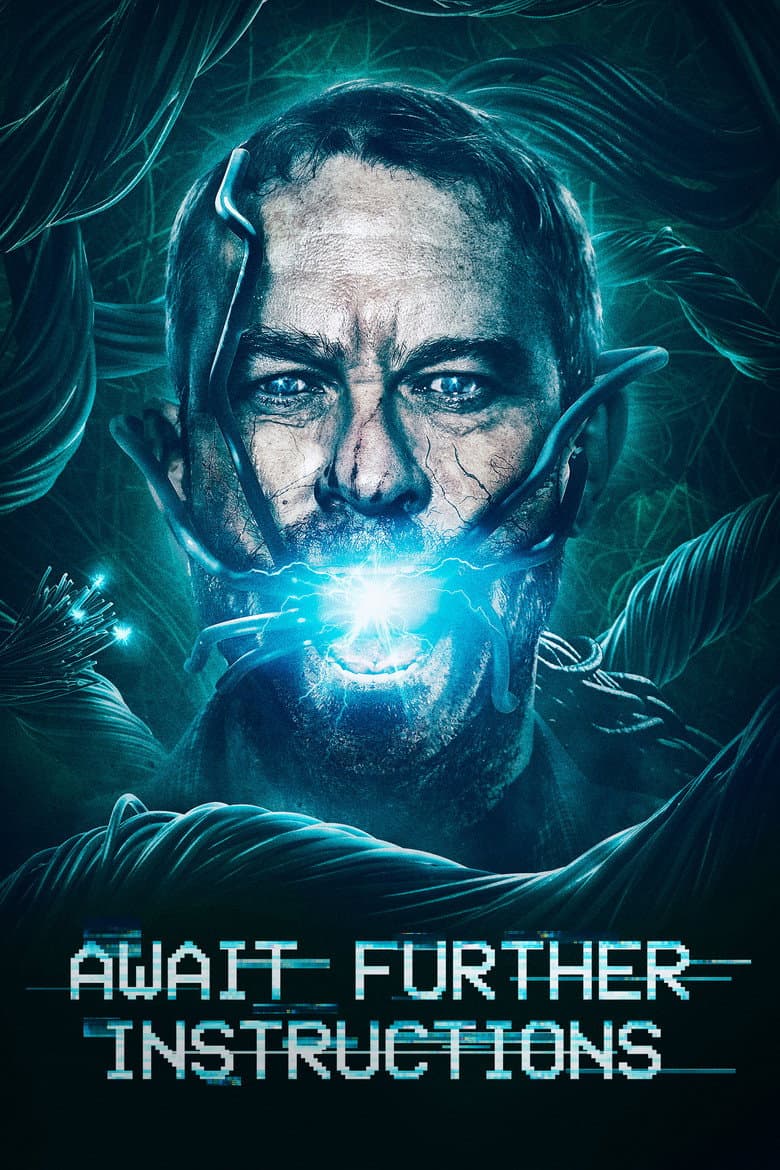
Nick Milgram returns to his family home for Christmas after years away and brings his girlfriend, Annji. His father, grandfather, pregnant sister, and her husband already have old fights and hard feelings. The family wakes to find a black metal-like substance covering the doors and windows, while the television gives them orders. The trapped group argues, obeys, and turns on one another as the horror grows from family drama into bloody science fiction.
Annji is a British-Indian paramedic, and the film makes the family’s racism toward her a major source of conflict. The television uses messages about contamination, cleaning, isolation, vaccines, and obedience to test whether the family will think for itself. The story treats the older men’s control, fear of outsiders, and blind trust in authority as harmful, while Annji and Nick often question them. The final body-horror turn links the family’s violence to a larger force that wants control and worship, but the movie keeps its social message mixed with grim jokes, panic, and monster horror.
Community feedback
Was our 59% Woke rating accurate?
Breakdown
These are the editorial factors and ratings behind our score for Await Further Instructions.
Woke representation / casting
Annji is a prominent British-Indian paramedic and often serves as the calm voice of reason. Her background is central because the family judges and attacks her for it. The casting fits a modern British setting and the story gives her a clear reason to be present. The identity signal is visible but limited to one major character.
18%
Woke political dialogue
Annji faces repeated remarks about immigrants and her Indian background. Nick and Annji answer those remarks and reject the family’s fear of outsiders. The family also argues about terrorism, infection, authority, and who should control the house. The television’s orders create repeated arguments about quarantine, obedience, and trust in official messages.
42%
Identity-driven story themes
The story makes racism toward Annji and fear of outsiders a major family conflict. The film presents Annji as the calm medical voice while older relatives treat her as a threat because of her background. The story links male control, family abuse, and social division. These themes shape the horror, but the film also spends much of its time on monster scares and obedience to the television.
55%
Western institutional / cultural critique
The film makes the father and grandfather’s control of the family a source of danger. It shows old family rules and fear of outsiders as part of the family’s collapse. It also attacks public messages, television, and government-style orders that demand obedience without proof. The final demand to worship the screen sits beside a Christian cross, which gives the ending a small religious echo. The critique targets many kinds of authority rather than only Western institutions.
45%
Woke character or canon changes
Not relevant. The movie is an original story and does not change an established character, canon, or real event.
0%
Anti-woke backlash and complaints
The supplied X pass found no anti-woke reaction and gives X a volume of zero. A Reddit discussion called the film pro-left and complained that it presents the Indian female paramedic as sensible while making the conservative family racist and foolish. Other viewers mainly complained about the ending, weak effects, and poor writing. The anti-woke reaction is real but limited.
28%
Creator track record context
Cached context gives Johnny Kevorkian a score of 32 and Gavin Williams a score of 34. Their work includes themes about outsiders, race, control, and unfair systems, but neither has a strong public record as an activist or DEI campaigner. Interviews about this film directly discuss racism, authority, media control, Brexit, and Trumpism. The wider producing team adds only a mild signal.
33%
Production
Movie · 2026
After breaking the mysterious "One Wish Willow" to win his crush's heart, a hopeless romantic finds himself getting exactly what he asked for but soon discovers that some desires…
Movie · 2016
In 1630, a farmer relocates his family to a remote plot of land on the edge of a forest where strange, unsettling things happen.

Movie · 2024
A live broadcast of a late-night talk show in 1977 goes horribly wrong, unleashing evil into the nation's living rooms.

Movie · 2022
Trapped on her family’s isolated farm, Pearl must tend to her ailing father under the bitter and overbearing watch of her devout mother.
Movie · 2017
Several years after the tragic death of their little girl, a doll maker and his wife welcome a nun and several girls from a shuttered orphanage into their home, soon becoming the…
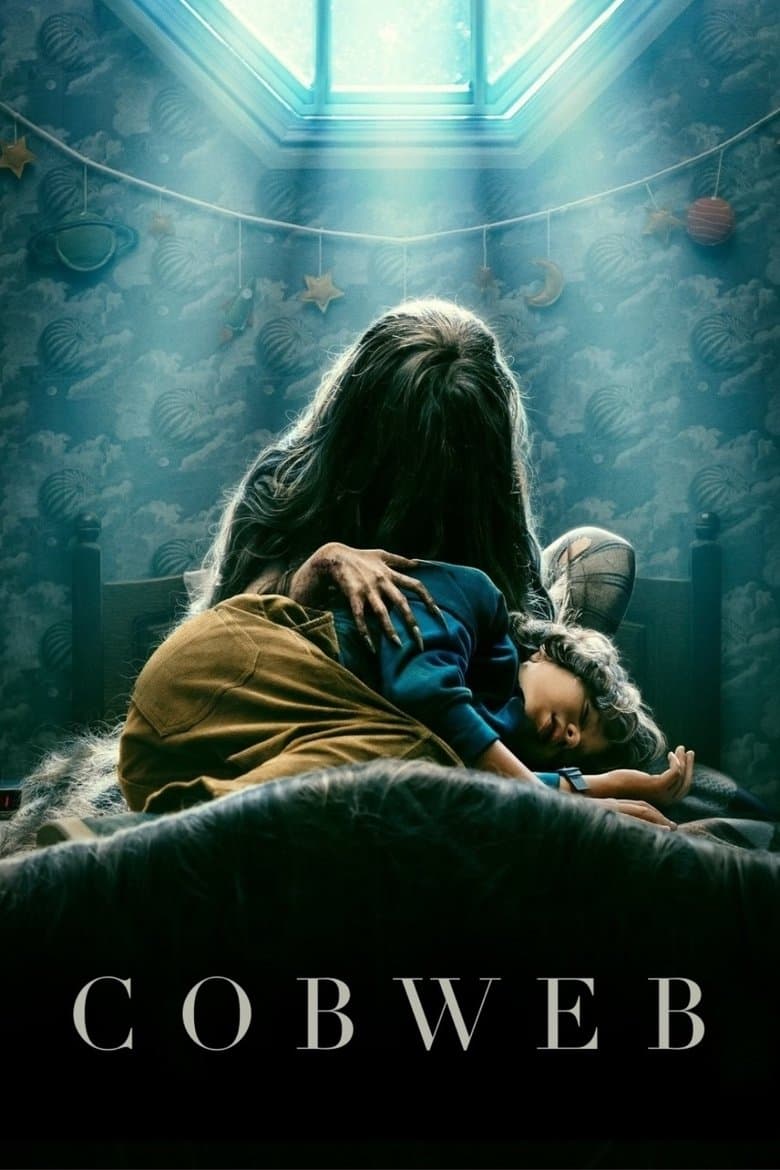
Movie · 2023
Eight year old Peter is plagued by a mysterious, constant tapping from inside his bedroom wall—one that his parents insist is all in his imagination.
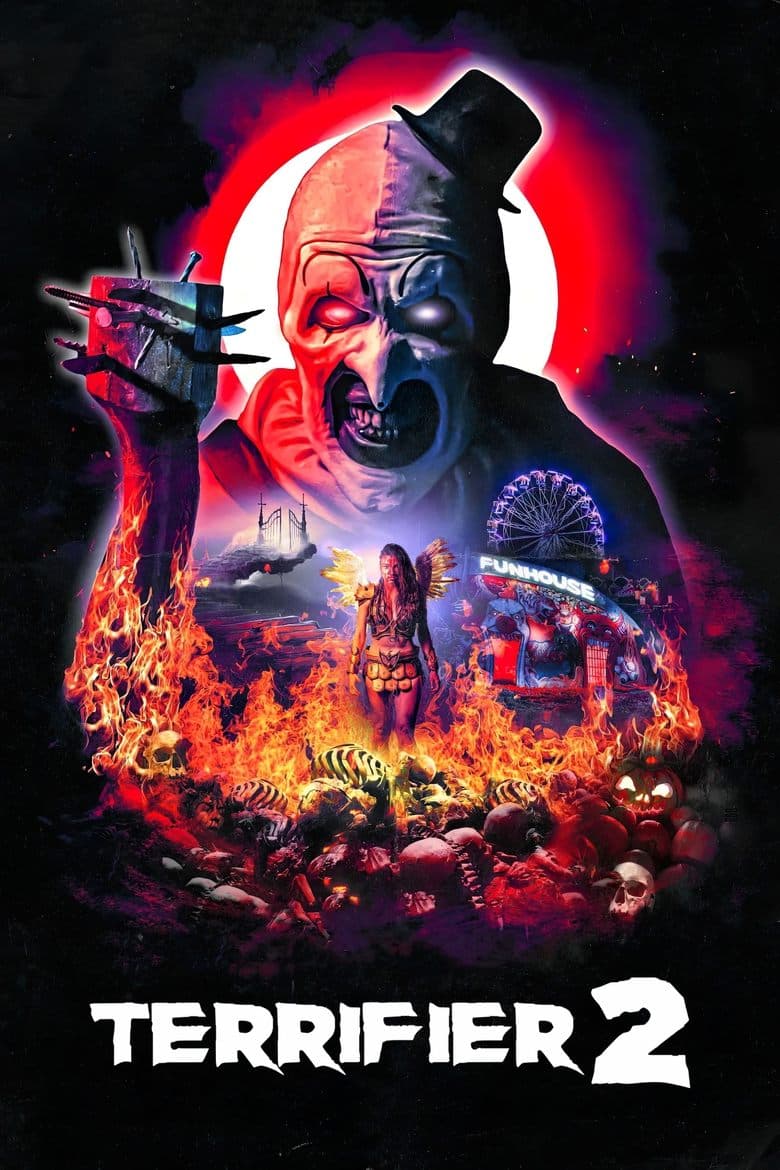
Movie · 2022
A year after the Miles County massacre, Art the Clown is resurrected by a sinister entity. Art returns home, where he must hunt down and destroy teenage Sienna and her younger…
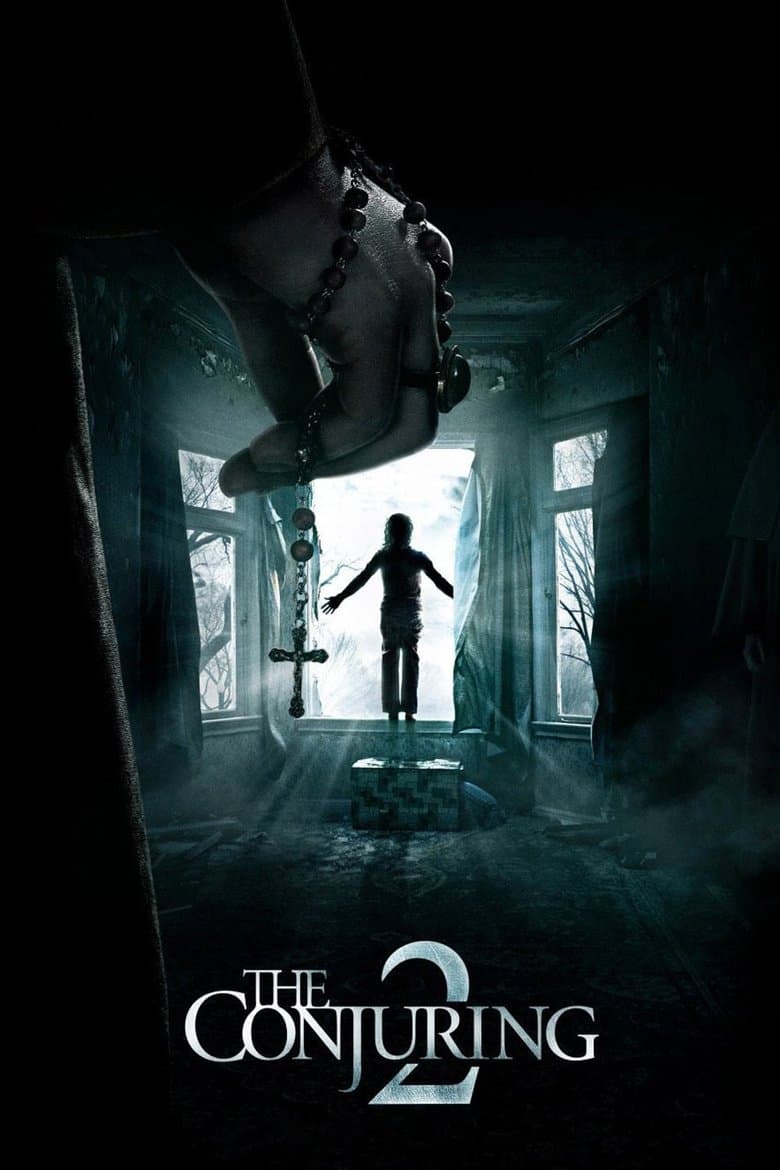
Movie · 2016
Lorraine and Ed Warren travel to north London to help a single mother raising four children alone in a house plagued by malicious spirits.
