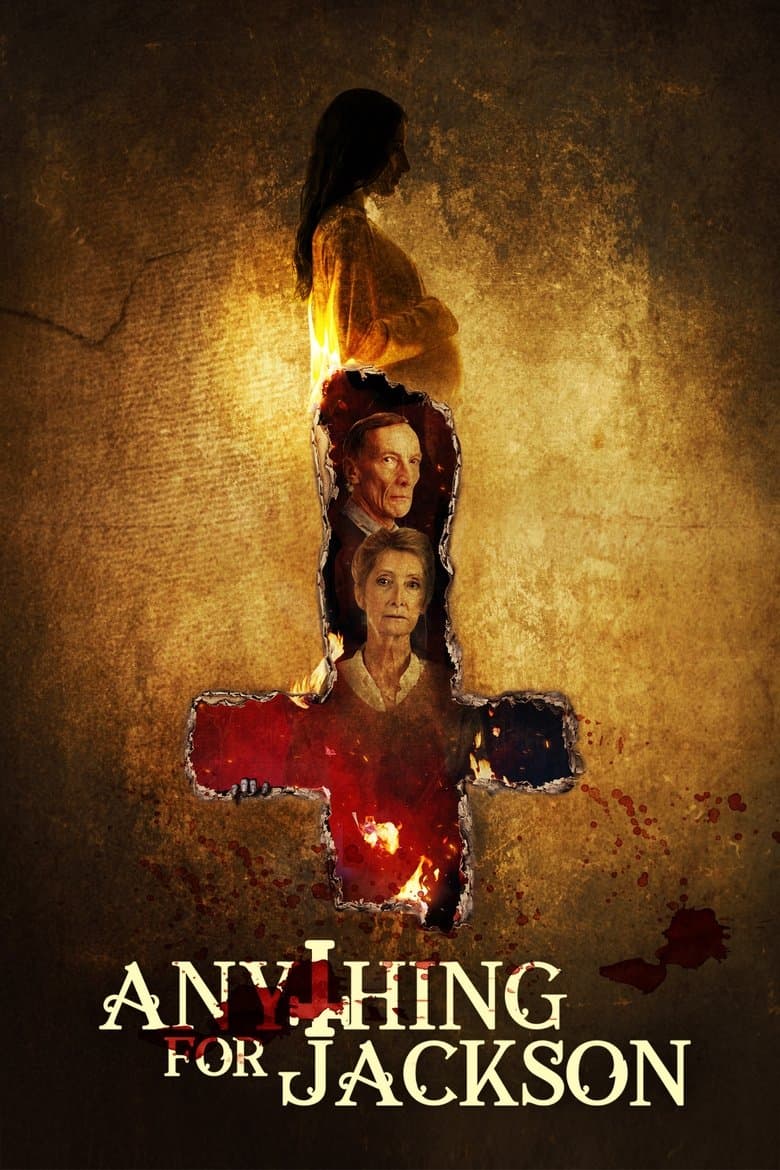
Anything for Jackson is a Canadian supernatural horror movie with dark humor. Audrey and Henry Walsh are wealthy older grandparents who cannot accept the death of their grandson, Jackson. They kidnap Becker, a pregnant patient of Henry, and use a Satanic spell to place Jackson’s spirit in her unborn child. The ritual opens a path for other spirits, so the couple’s snowbound home becomes a trap filled with fear, blood, and strange jokes.
The story gives Audrey control over the plan while Henry follows her lead and tries to protect their marriage. Becker is a young single mother who fights to escape and protect her baby, and the film treats her as smart and active rather than helpless. The couple’s wealth lets them take control of another person’s body, so the story links grief with privilege, selfishness, and harm between older and younger people. A brief male-on-male kiss appears during a ghost attack, but it is not a developed queer storyline. These ideas stay tied to the kidnapping and the fight over the unborn child, while grief, family loss, and supernatural horror remain the main focus.
Community feedback
Was our 33% Woke rating accurate?
Breakdown
These are the editorial factors and ratings behind our score for Anything for Jackson.
Woke representation / casting
Not present. The movie uses an older couple and a pregnant woman as its main roles. The unusual age choice refreshes a horror setup, but the interviews present it as a genre idea rather than a diversity message. No clear representation-first casting pattern appears in the title.
0%
Woke political dialogue
Not present. The characters talk about grief, the occult, pregnancy, and survival. The film does not give a modern identity, DEI, or activist speech, slogan, or argument.
0%
Identity-driven story themes
The story repeatedly gives Audrey control over the plan while Henry follows her lead. Becker uses her own judgment to resist the couple and protect her unborn child, and the film treats her as more than a helpless victim. The plot also centers single motherhood, pregnancy, and harm between older and younger people. A brief male-on-male kiss appears during a ghost attack, but it is not developed into a queer story. These ideas are noticeable, but grief, family loss, and supernatural horror remain the main focus.
34%
Western institutional / cultural critique
The film makes Henry and Audrey’s wealth and social standing part of the danger. Henry uses his position as Becker’s doctor to reach her, and the couple treats her body as a tool for their family. The story links their selfishness to older people harming younger people, and Dyck described exploring privilege and baby boomers versus millennials. This critique recurs through the kidnapping and ritual, but the film does not become a broad attack on all Western culture.
45%
Woke character or canon changes
Not relevant. The movie is an original story and does not change a known character, franchise, book, or historical figure. Its older Satanist couple changes a horror setup, not established canon.
0%
Anti-woke backlash and complaints
Not present. The separate X pass found no anti-woke reaction. Reddit and other audience posts focused on scares, the ending, grief, and the occult story. No verified complaints called the film woke, DEI-driven, or identity-political.
0%
Creator track record context
Dyck’s public work centers family, Christmas, and horror films rather than activism. Cooper’s work centers comedy, family stories, and horror rather than identity politics. Most producers have similar industry records, while Audrey Cummings has a moderate pattern of female-led genre work. The creators therefore add only a small amount of woke context to this title.
10%
Production
Movie · 2022
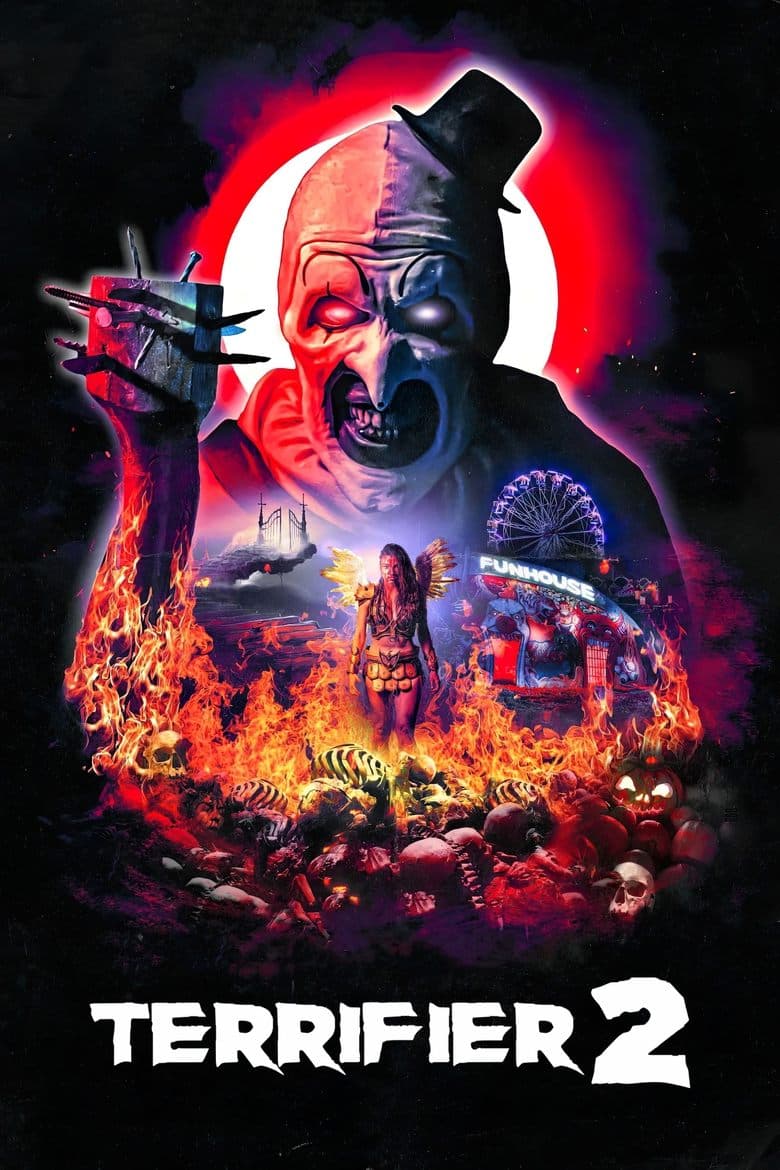
A year after the Miles County massacre, Art the Clown is resurrected by a sinister entity. Art returns home, where he must hunt down and destroy teenage Sienna and her younger…
Movie · 2020
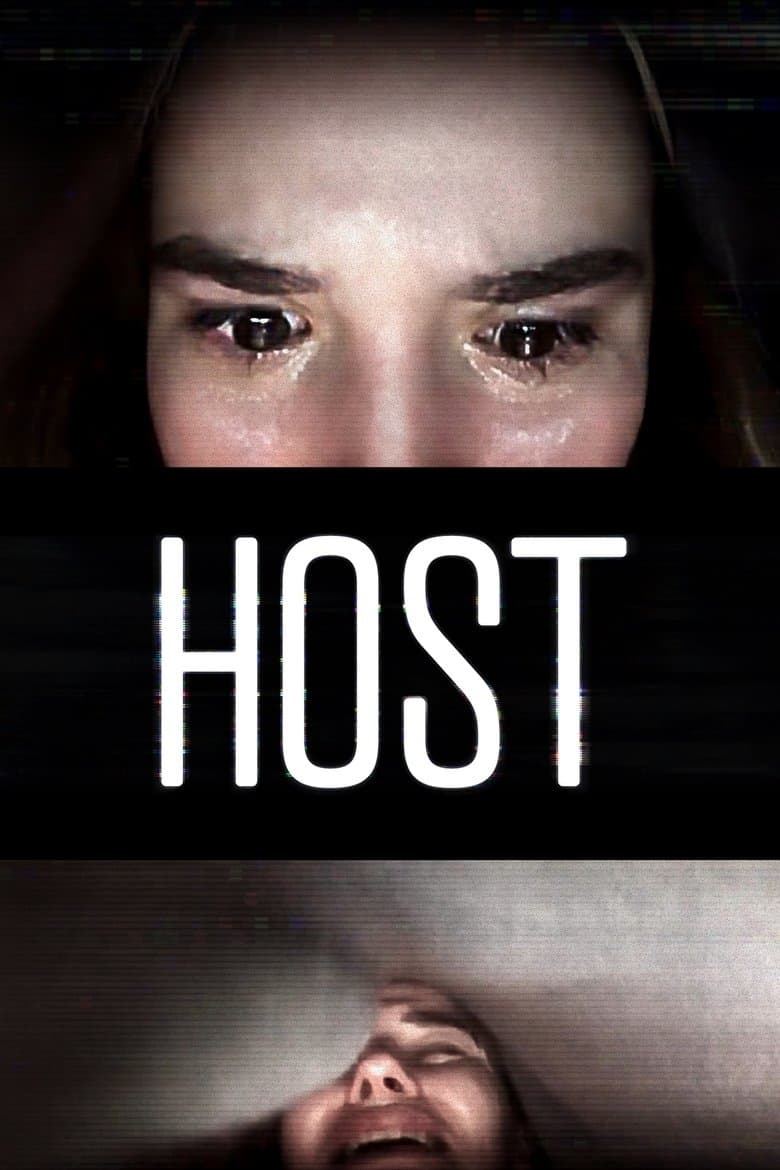
Six friends hire a medium to hold a séance via Zoom during lockdown — but they get far more than they bargained for as things quickly go wrong.
Movie · 2023
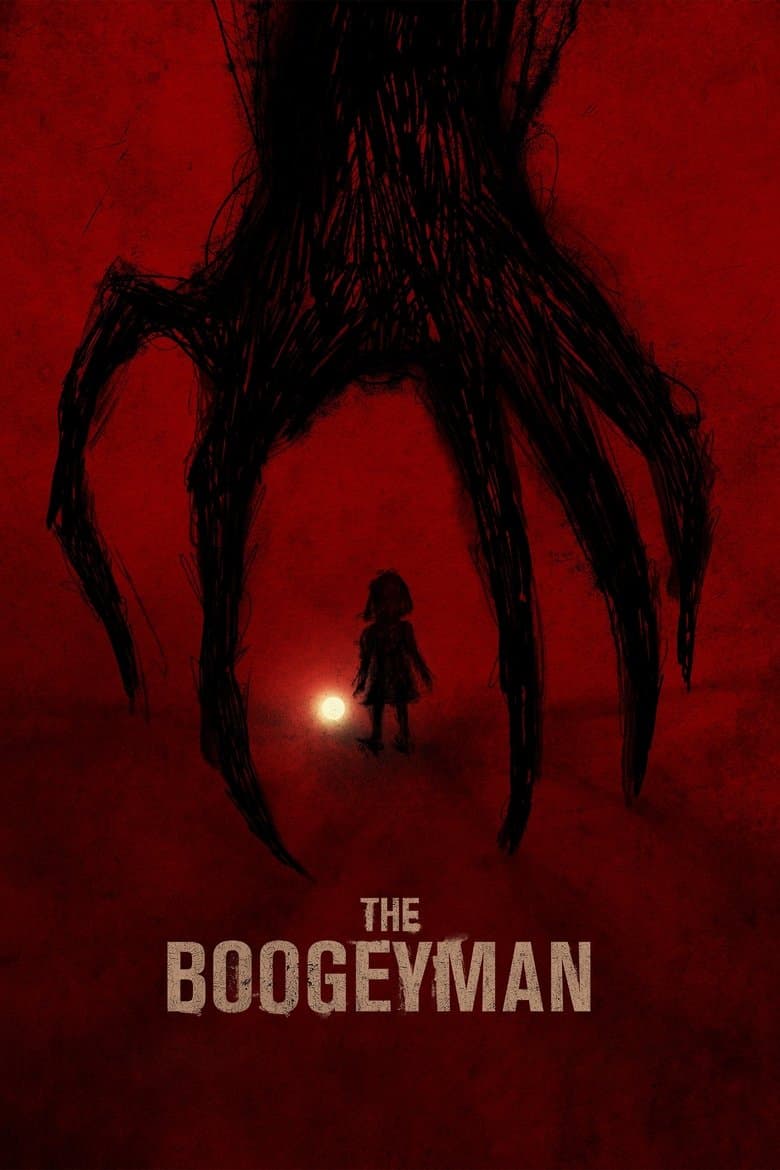
Still reeling from the tragic death of their mother, a teenage girl and her younger sister find themselves plagued by a sadistic presence in their house and struggle to get their…
Movie · 2024
A boy and his stepmother fear for their safety after an eerie creature resembling the boy's recently deceased father visits them.
Movie · 2025
Paranormal investigators Ed and Lorraine Warren take on one last terrifying case involving mysterious entities they must confront.
Movie · 2025
Following the death of their father, a brother and sister are sent to live with a foster mother, only to learn that she is hiding a terrifying secret.
Movie · 2026
After breaking the mysterious "One Wish Willow" to win his crush's heart, a hopeless romantic finds himself getting exactly what he asked for but soon discovers that some desires…
Movie · 2016
Rebecca must unlock the terror behind her little brother's experiences that once tested her sanity, bringing her face to face with a supernatural spirit attached to their mother.
