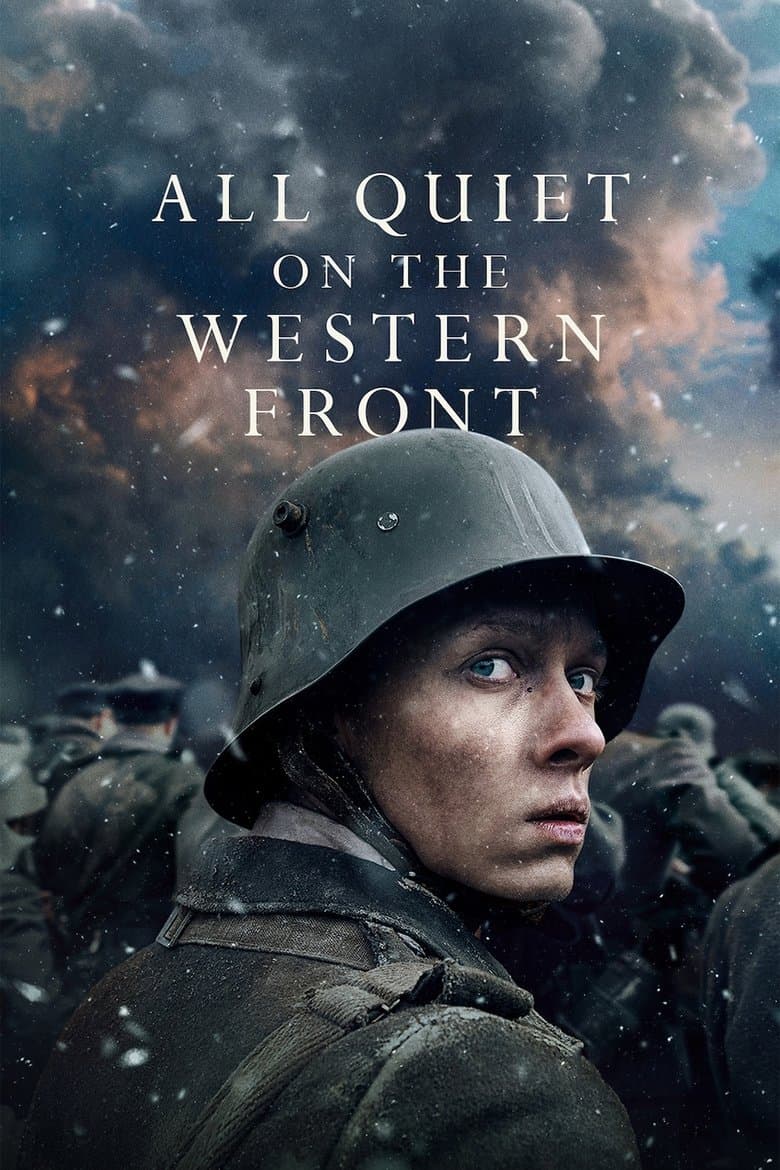
Paul Bäumer is a 17-year-old German student who joins the army with his school friends. The boys expect adventure and victory, but the Western Front turns their excitement into fear, pain, and numbness. The film moves through muddy trenches, ruined fields, crowded shelters, and cold French villages during the final years of World War I. Paul tries to stay alive while the soldiers around him are wounded, killed, or changed by the fighting. The mood is grim, harsh, and deeply anti-war.
The film gives most of its attention to young German men who are pushed into battle by patriotic speeches and false promises. It shows generals and politicians living safely while common soldiers face tanks, guns, hunger, and gas. The added armistice story presents nationalist pride and military power as forces that keep the killing going after defeat is clear. Paul also sees a French soldier as a husband and father, which turns an enemy death into a human loss. These ideas are strong and repeated, and they shape the film’s view of war and power.
Community feedback
Was our 28% Woke rating accurate?
Breakdown
These are the editorial factors and ratings behind our score for All Quiet on the Western Front.
Woke representation / casting
Not present. The main soldiers and officials are German or French characters in a World War I setting. The film does not build a diversity-first cast or use casting as an identity message.
0%
Woke political dialogue
Not present. The dialogue uses period speeches about the Kaiser, duty, obedience, nationalism, and peace. The film does not use modern identity, DEI, gender, or activist slogans.
0%
Identity-driven story themes
The film treats patriotic manhood and military glory as traps that turn boys into tools. The story repeatedly shows young men losing their innocence while leaders protect their own power. The message challenges the old idea that war proves a man’s worth. The theme stays inside the World War I story and does not make modern identity groups its subject.
19%
Western institutional / cultural critique
The film repeatedly contrasts soldiers in mud with generals and politicians in comfort. The added armistice plot shows military leaders continuing the killing to protect pride after defeat is clear. The story presents nationalist power and distant command as threats to ordinary people. The target is the wartime German command, so the critique has a historical focus instead of a broad attack on modern Western institutions.
26%
Woke character or canon changes
Not relevant. The film adds political scenes and changes the ending, but those are plot changes. It does not change a character’s race, gender, sexuality, or identity.
0%
Anti-woke backlash and complaints
One Reddit discussion repeated a social-media complaint that Netflix had turned the story into liberal anti-war propaganda. That complaint objected to the film’s political message. The larger reaction focused on awards, war realism, and changes from the novel. The anti-woke backlash found here is narrow and mostly fringe.
14%
Creator track record context
The supplied creator record rates Edward Berger and the casting directors low for woke context. Erich Maria Remarque and Lesley Paterson are mainly linked to anti-war and anti-authoritarian work, while Ian Stokell and Malte Grunert show little evidence of a broad identity-driven brand. Daniel Brühl and Daniel Marc Dreifuss bring stronger human-rights and representation-focused backgrounds. The overall record is mixed, with humanitarian and anti-fascist work more common than modern identity politics.
38%
Production
Movie · 2024
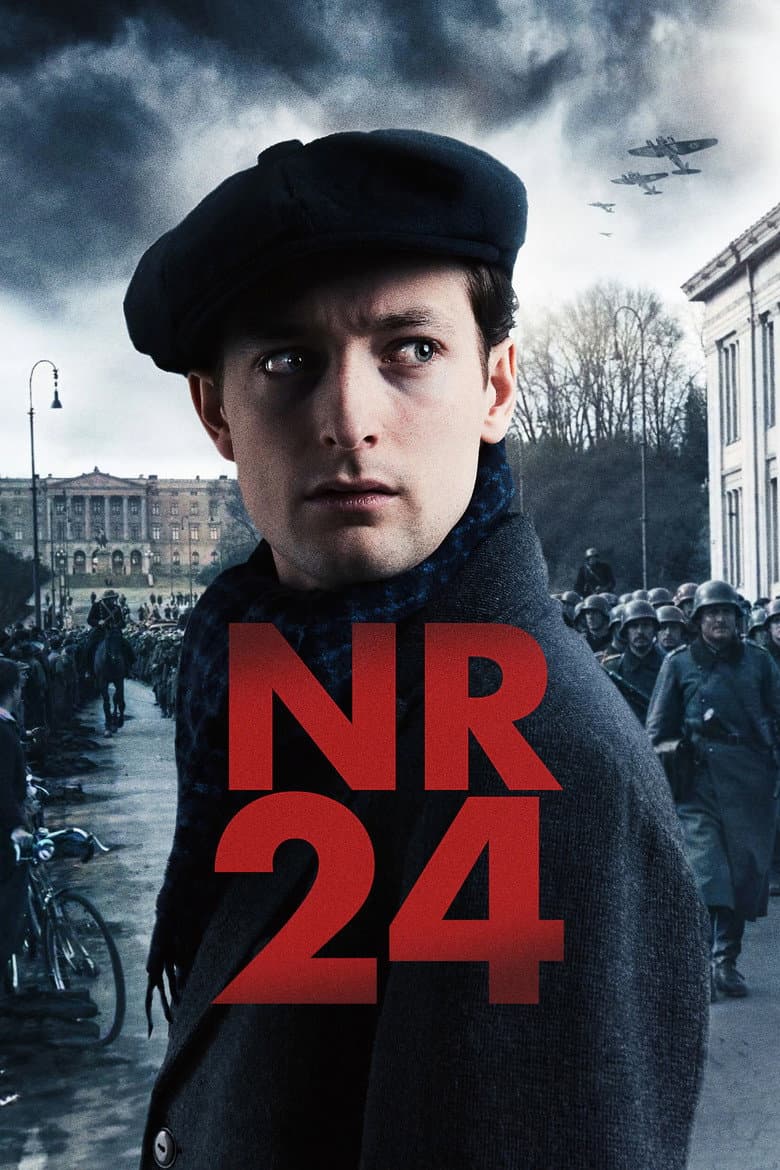
On the brink of the Second World War, a young Norwegian man's drive to resist the Nazis sets a new course for his future – and the future of his country.
Movie · 2025
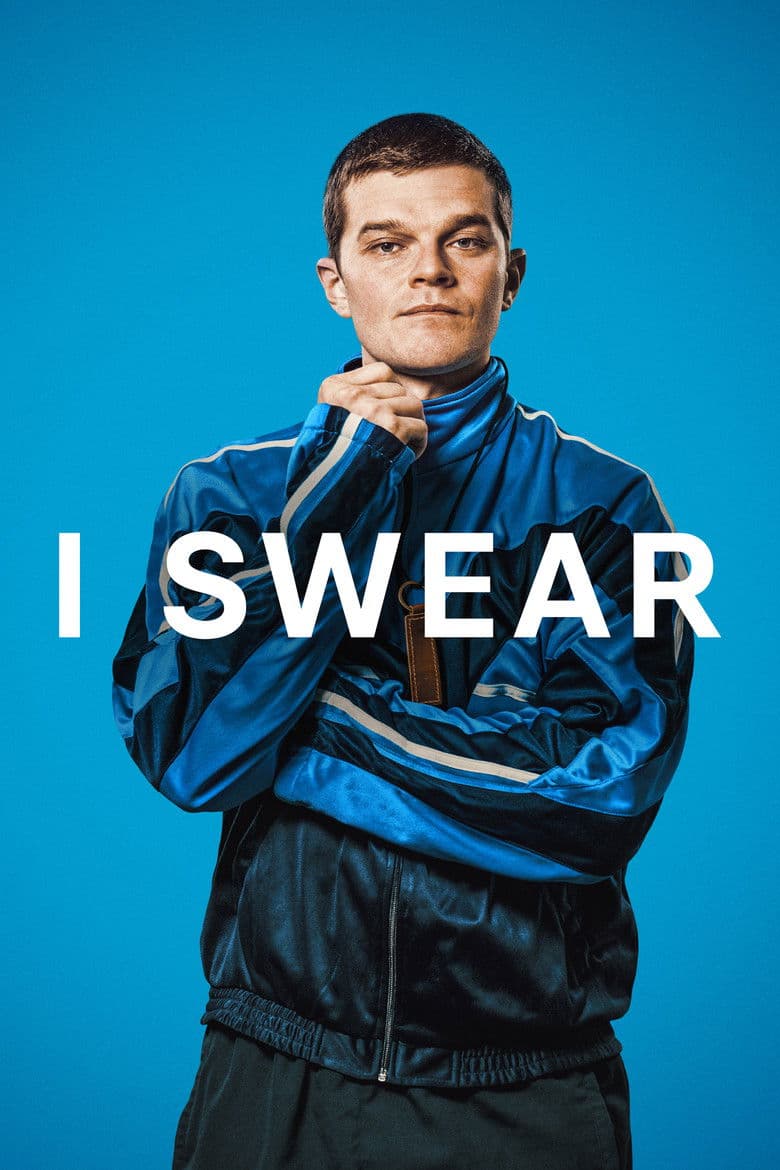
Diagnosed with Tourette Syndrome at 15, John Davidson navigates his way against the odds through troubled teenage years and into adulthood, finding inspiration in the kindness of…

Movie · 2023
The true story of the inseparable Von Erich brothers, who made history in the intensely competitive world of professional wrestling in the early 1980s.
Movie · 2023
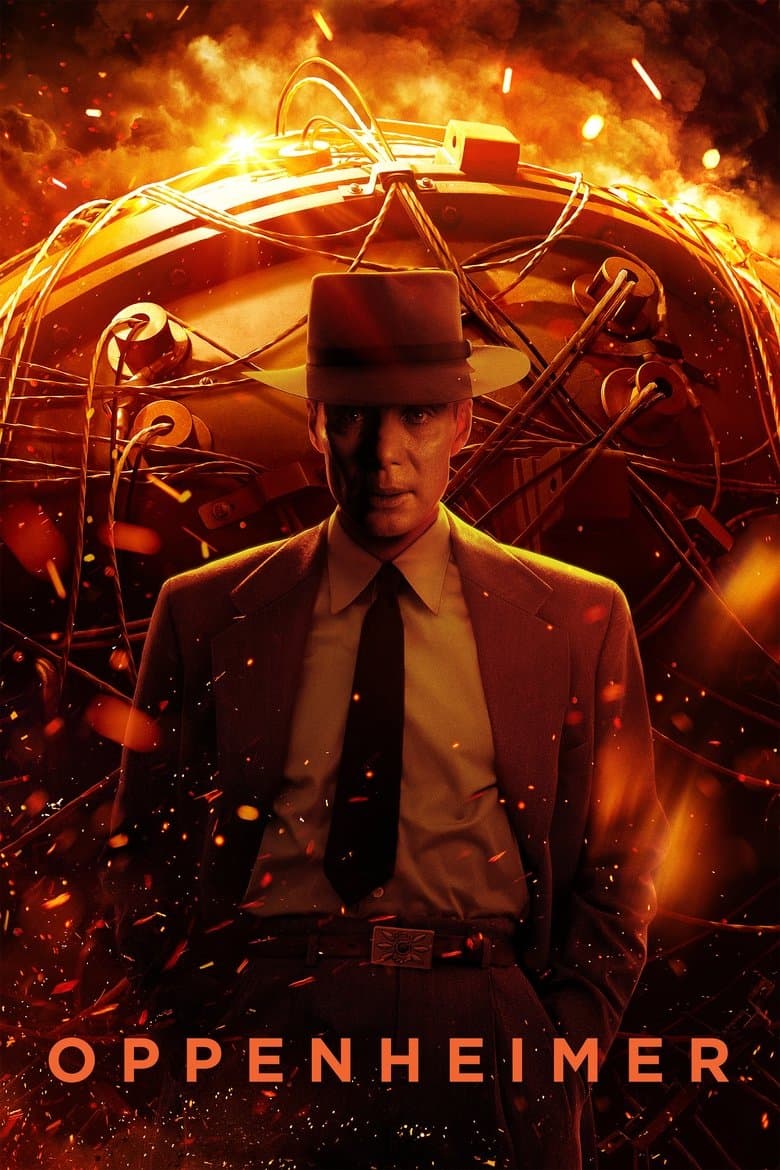
The story of J. Robert Oppenheimer's role in the development of the atomic bomb during World War II.
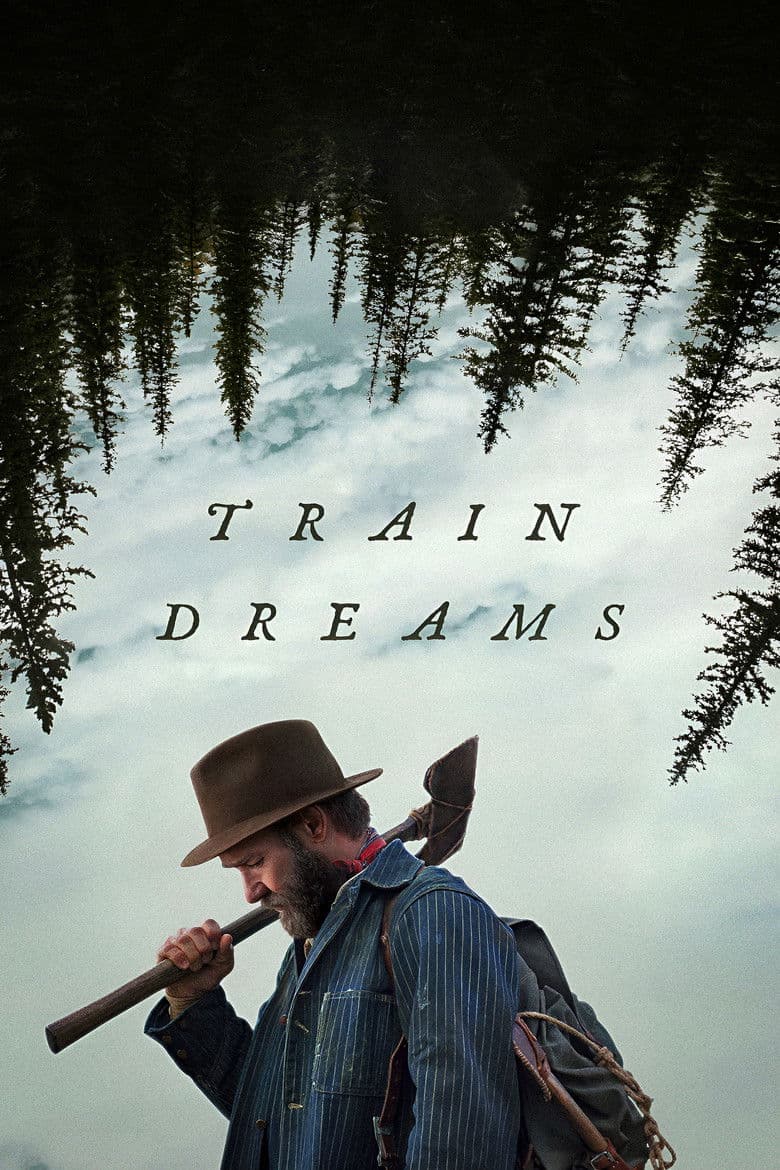
Movie · 2025
A logger leads a life of quiet grace as he experiences love and loss during an era of monumental change in early 20th-century America.
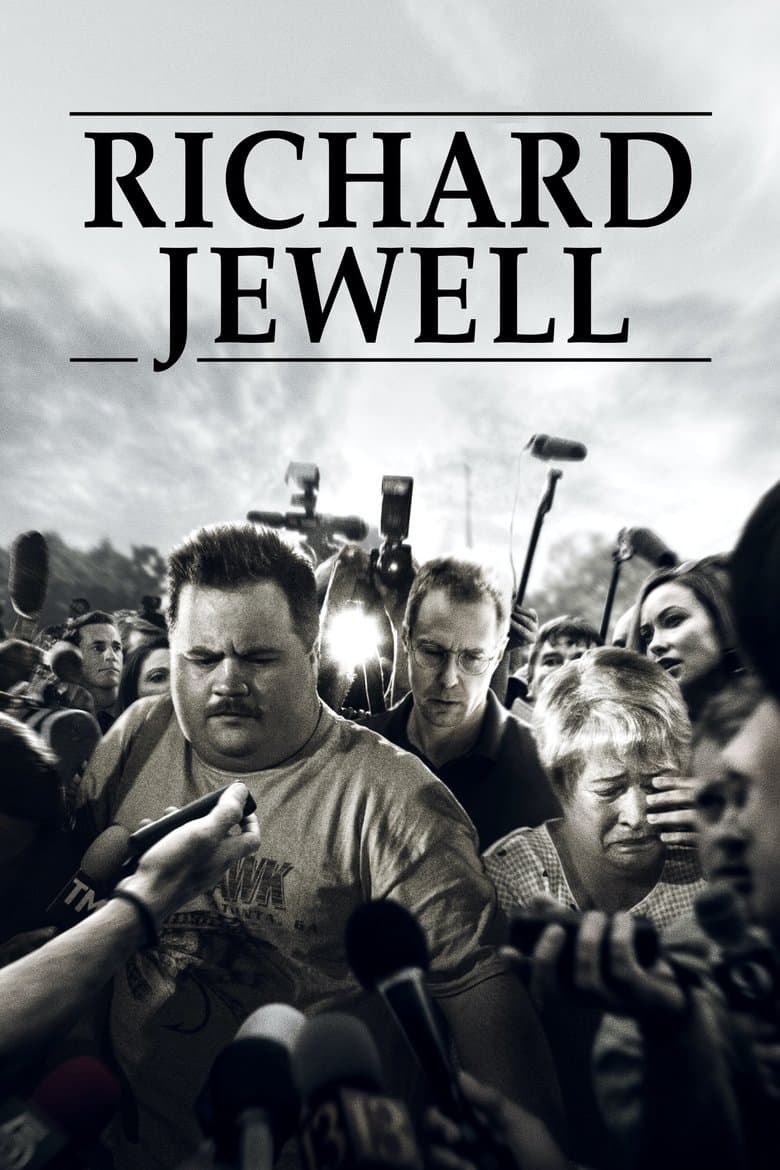
Movie · 2019
Richard Jewell thinks quick, works fast, and saves hundreds, perhaps thousands, of lives after a domestic terrorist plants several pipe bombs and they explode during a concert…
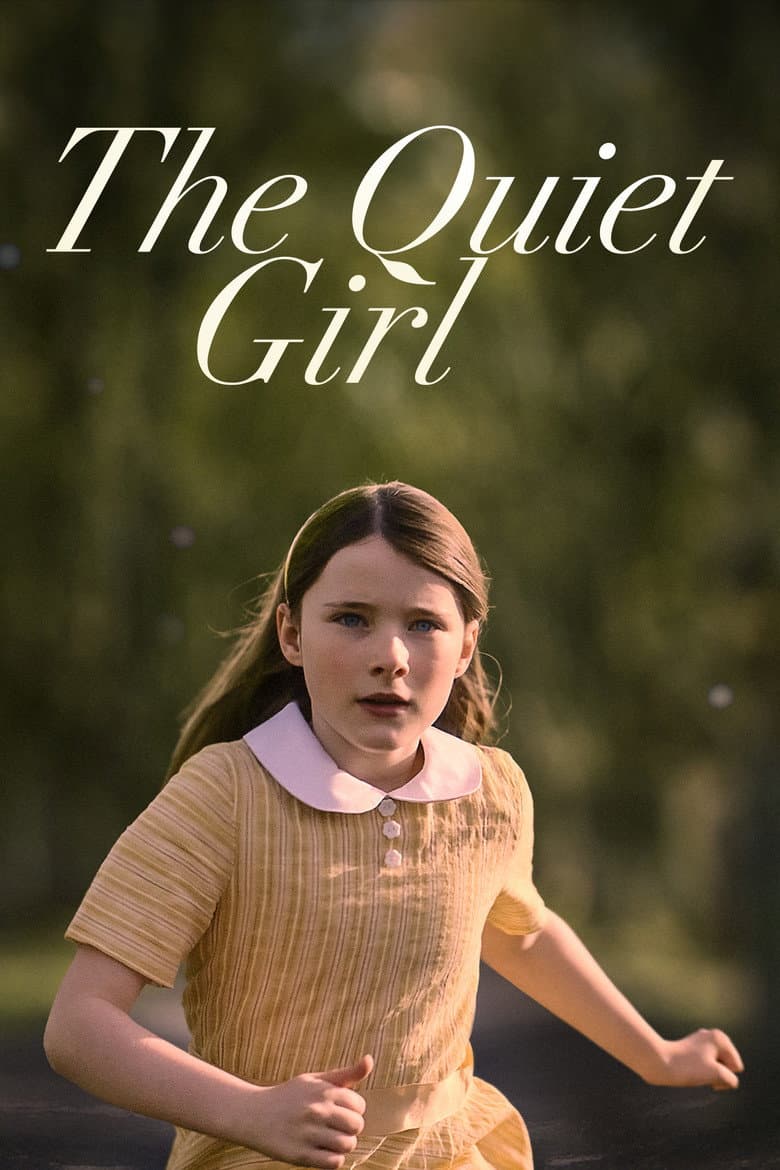
Movie · 2022
A quiet, neglected girl is sent away from her dysfunctional family to live with relatives for the summer. She blossoms in their care, but in this house where there are meant to be…
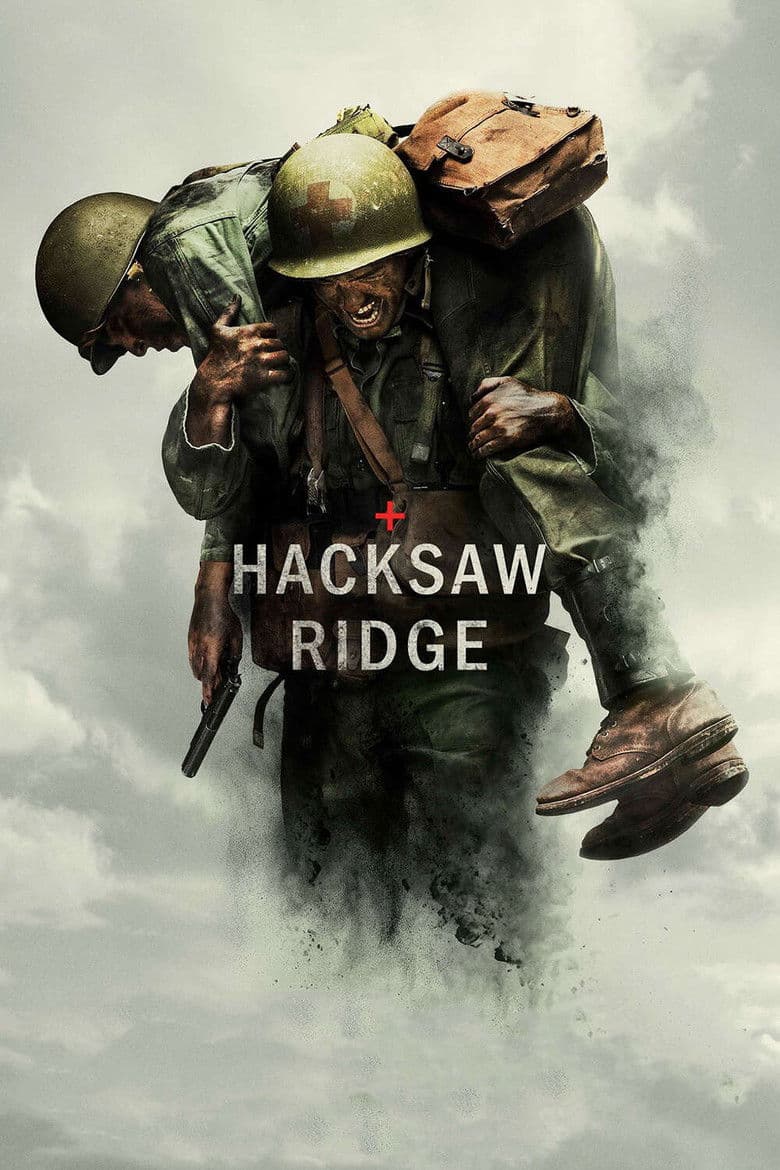
Movie · 2016
WWII American Army Medic Desmond T. Doss, who served during the Battle of Okinawa, refuses to kill people and becomes the first Conscientious Objector in American history to…
