
William Shakespeare returns to Stratford in 1613 after a fire destroys the Globe Theatre in London. He wants to retire, but his wife Anne and daughters Susanna and Judith do not welcome him as a loving homecoming. The family still carries the pain of Hamnet’s death, and William must face the years he spent away from them. The drama is quiet, sad, and sometimes dryly funny.
The film gives much of its attention to the women in Shakespeare’s family. Judith says that women are expected to marry and have children, and she reveals that she wrote poems that the family credited to Hamnet. Susanna is also shown fighting a public charge against her honor, while Anne and the daughters later learn to read and write. The film also presents William’s romantic feelings for the Earl of Southampton, so gender roles, women’s chances, and same-sex romance form clear but separate parts of the family story.
Community feedback
Was our 69% Woke rating accurate?
Breakdown
These are the editorial factors and ratings behind our score for All Is True.
Woke representation / casting
Not present. The main family and major supporting roles are white English people in a 1613 English setting. A black actor appears briefly as an African actor, and the film does not frame that role as a diversity statement.
0%
Woke political dialogue
Judith repeatedly speaks about women being denied education, forced toward marriage, and treated as property. Shakespeare says women should be allowed to play female roles. The film also has him say a woman is put on earth for one reason before he changes his view. These lines are tied to a major family argument, but they do not fill the whole film.
47%
Identity-driven story themes
The story makes Judith’s denied education and her hidden writing a central family secret. Judith’s father favors the dead son and expects her to marry and have children, while Susanna faces control from her Puritan husband. The women later learn to read and write, and the ending gives them the main voice at Shakespeare’s funeral. The film also gives a serious romantic meaning to Shakespeare’s feelings for the Earl of Southampton.
58%
Western institutional / cultural critique
The film treats the period’s male rules as harmful when Judith is denied schooling and called future property of a husband. Susanna’s husband and the local church are shown policing her behavior and public reputation. Shakespeare’s neglect and belief in a male heir are also blamed for the family’s pain. The story uses these period conflicts to question traditional gender roles, but it does not attack capitalism or Western society as a whole.
42%
Woke character or canon changes
The film rewrites the lives of real historical people in identity-focused ways. It presents Shakespeare as having romantic feelings for the Earl of Southampton, though the real relationship is uncertain. It makes Judith the hidden writer of poems credited to Hamnet and gives her a direct fight against limits placed on women. These inventions drive the family mystery and shape the ending.
58%
Anti-woke backlash and complaints
A few faith-based and conservative reviewers called the film politically correct, feminist, or a modern gender story. One reviewer objected to its suggestion that Shakespeare had romantic feelings for Southampton. These complaints came from small review outlets and an individual user review rather than a large campaign. The supplied X research found no anti-woke posts, boycott effort, or specific complaint.
30%
Creator track record context
Kenneth Branagh has a mild record of supporting tolerance and mainly makes classical or personal stories. Ben Elton has a clear left-wing satirical background, but the supplied context does not show a representation-first career. The casting directors have some inclusion-related work, while the other listed producers have little or no public activist profile. This gives the film some supporting context, but not a strong creator-driven woke signal.
23%
Production
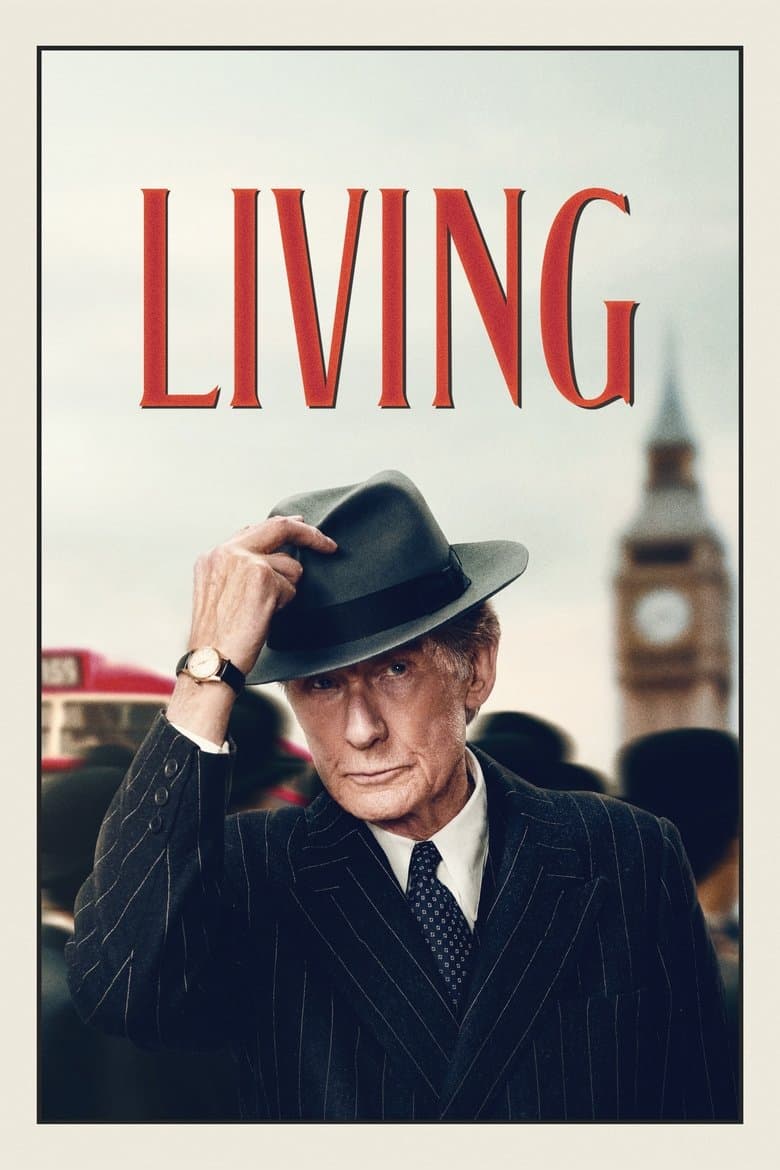
Movie · 2022
London, 1953. Mr. Williams, a veteran civil servant, is an important cog within the city's bureaucracy as it struggles to rebuild in the aftermath of World War II.
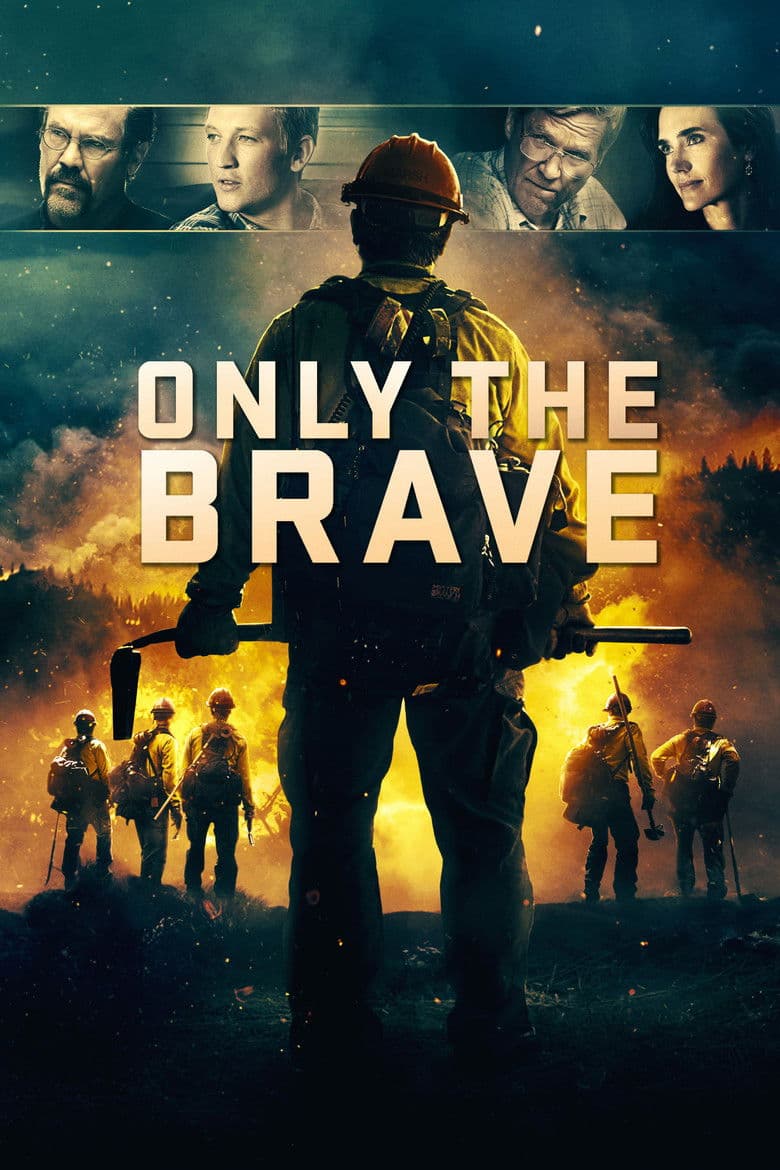
Movie · 2017
Members of the Granite Mountain Hotshots battle deadly wildfires to save an Arizona town.
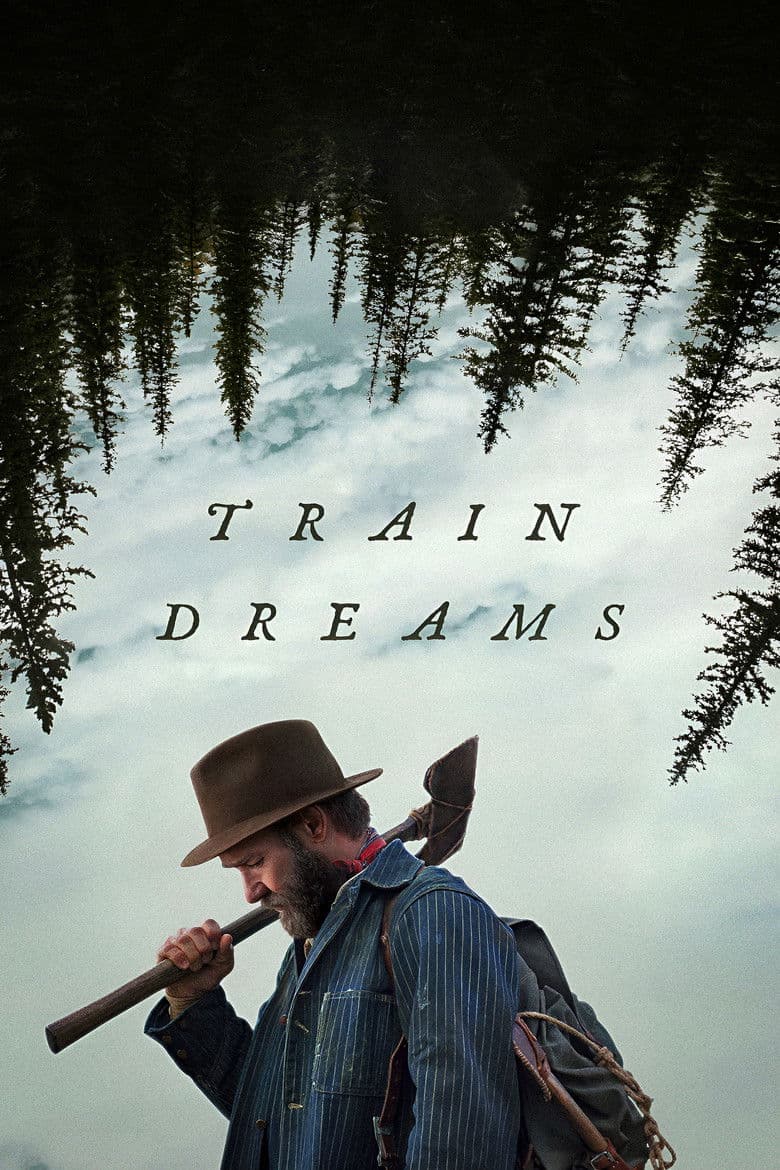
Movie · 2025
A logger leads a life of quiet grace as he experiences love and loss during an era of monumental change in early 20th-century America.
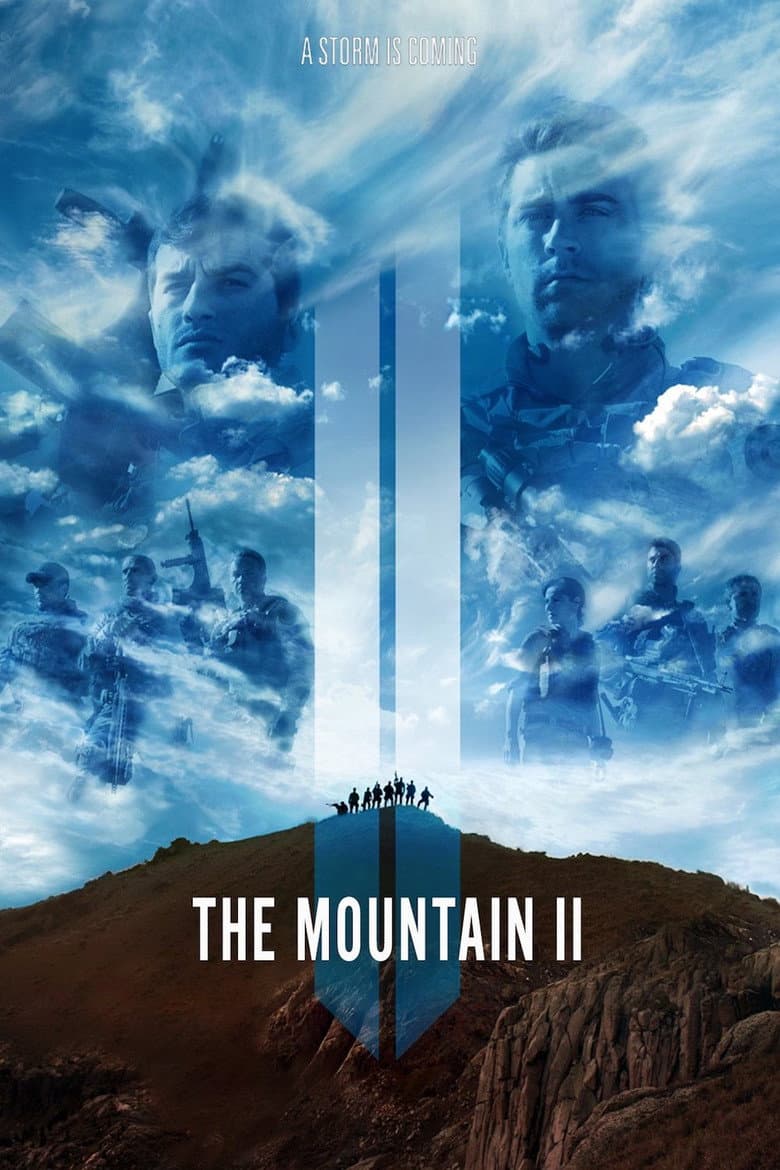
Movie · 2016
In a desolate war zone where screams of the innocent echo, on the very line between disaster and valor, 7 Maroon Berets will dance with death.

Movie · 2017
The story of the miraculous evacuation of Allied soldiers from Belgium, Britain, Canada and France, who were cut off and surrounded by the German army from the beaches and harbour…

Movie · 2023
The true story of the inseparable Von Erich brothers, who made history in the intensely competitive world of professional wrestling in the early 1980s.
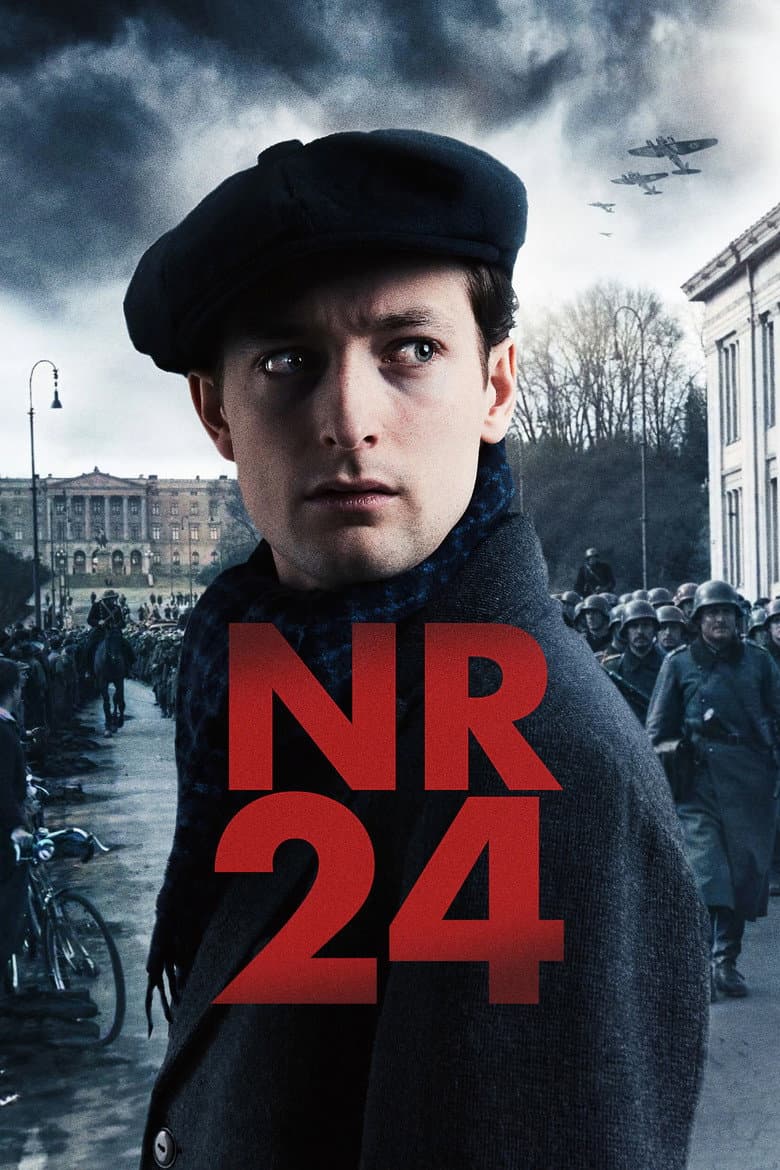
Movie · 2024
On the brink of the Second World War, a young Norwegian man's drive to resist the Nazis sets a new course for his future – and the future of his country.
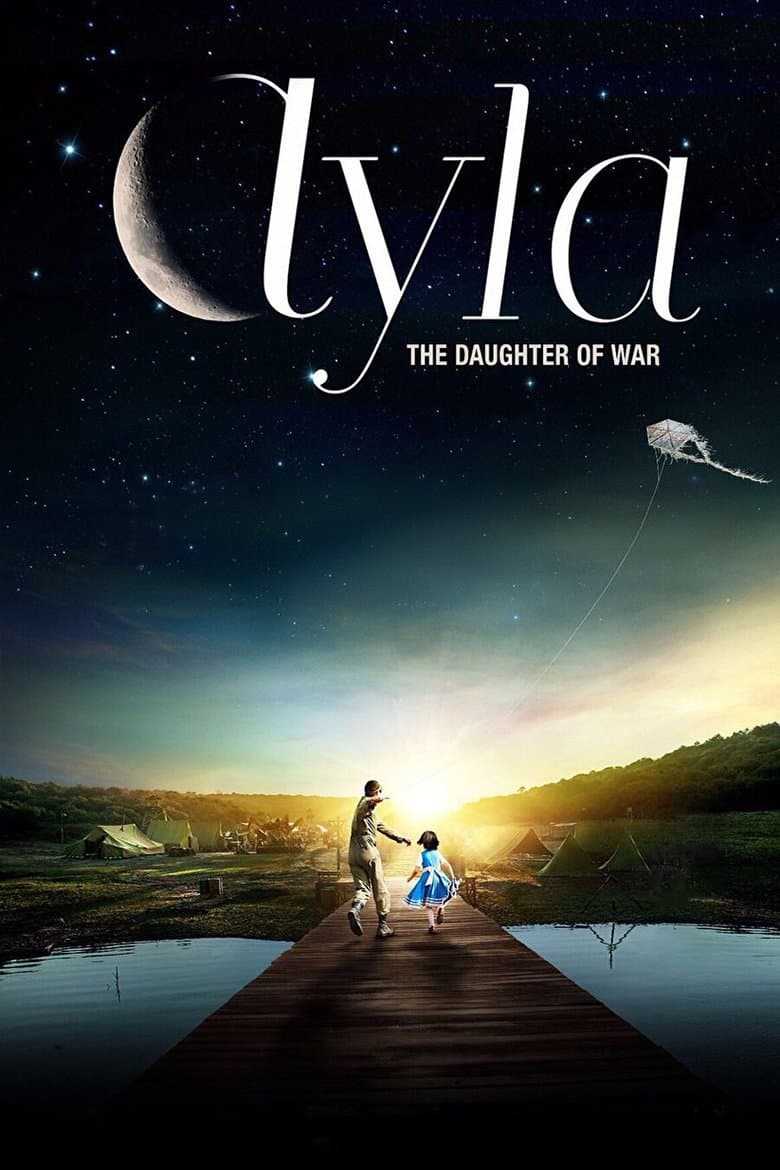
Movie · 2017
In 1950, amidst the ravages of the Korean War, Sergeant Süleyman stumbles upon a a half-frozen little girl, with no parents and no help in sight and he risks his own life to save…
