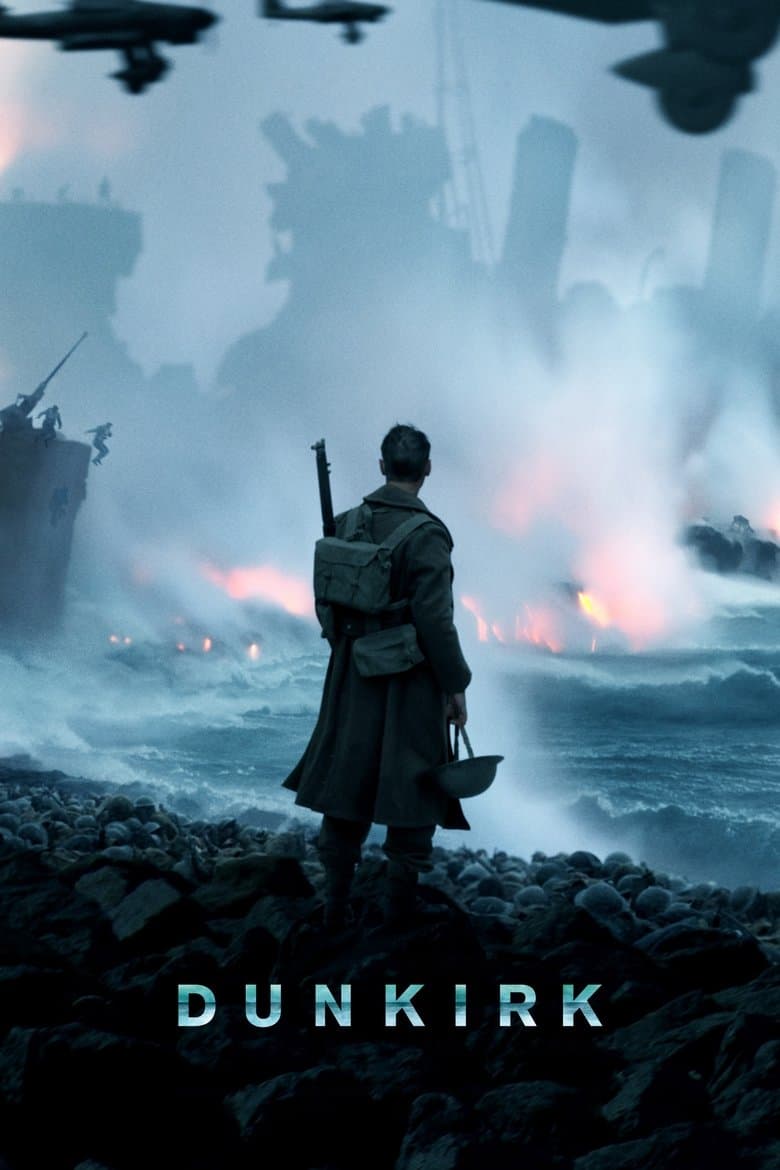
Dunkirk follows Tommy, a young British soldier who tries to escape a beach in France while German forces move closer. The film also follows Mr. Dawson, a civilian boat owner who crosses the English Channel to help, and Farrier, a British pilot who fights enemy planes in the sky. These three stories take place over a week, a day, and an hour before they come together. The film keeps danger close and gives its characters little time to rest or explain their pasts. The story focuses on fear, duty, survival, courage, sacrifice, and the rescue of a defeated army.
The film shows soldiers, sailors, civilians, and pilots working together during the evacuation. Tommy, Dawson, Peter, George, Farrier, and the other men face pressure without making long political speeches. The story does not center on identity politics, queer themes, or criticism of Western culture. The film shows frightened people making difficult choices as enemy planes and sinking ships threaten them. Its main idea is that a community can help trapped people even after a military defeat. The visible themes concern shared duty and survival, so the lack of woke content matters very little to the story.
Community feedback
Was our 3% Woke rating accurate?
Breakdown
These are the editorial factors and ratings behind our score for Dunkirk.
Woke representation / casting
Not present. The film does not present woke representation or casting.
0%
Woke political dialogue
Not present. The film does not contain woke political dialogue.
0%
Identity-driven story themes
Not present. The film does not build its story around identity-driven themes.
0%
Western institutional / cultural critique
Not present. The film does not criticize Western institutions or culture in this way.
0%
Woke character or canon changes
Not relevant. The film does not make woke character or canon changes.
0%
Anti-woke backlash and complaints
Not present. The film does not show strong evidence of a major anti-woke backlash campaign.
0%
Creator track record context
Christopher Nolan has a low recorded creator score of 16/100, with no clear record of identity-driven work. Producer Greg Silverman has a recorded score of 25/100 because he backed a workshop for underrepresented directors. That gives the wider team a mild representation-related context signal. The title is not framed around that context.
16%
Production
Movie · 2023
The story of Tim Ballard, a former US government agent, who quits his job in order to devote his life to rescuing children from global sex traffickers.
Movie · 2020
A first-time captain leads a convoy of allied ships carrying thousands of soldiers across the treacherous waters of the "Black Pit" to the front lines of WWII.

Movie · 2019
American car designer Carroll Shelby and the British-born driver Ken Miles work together to battle corporate interference, the laws of physics, and their own personal demons to…
Movie · 2021
Haunted by his mysterious past, a devoted high school football coach leads a scrawny team of orphans to the state championship during the Great Depression and inspires a broken…

Movie · 2017
In the near future, Major is the first of her kind: a human saved from a terrible crash, then cyber-enhanced to be a perfect soldier devoted to stopping the world's most dangerous…
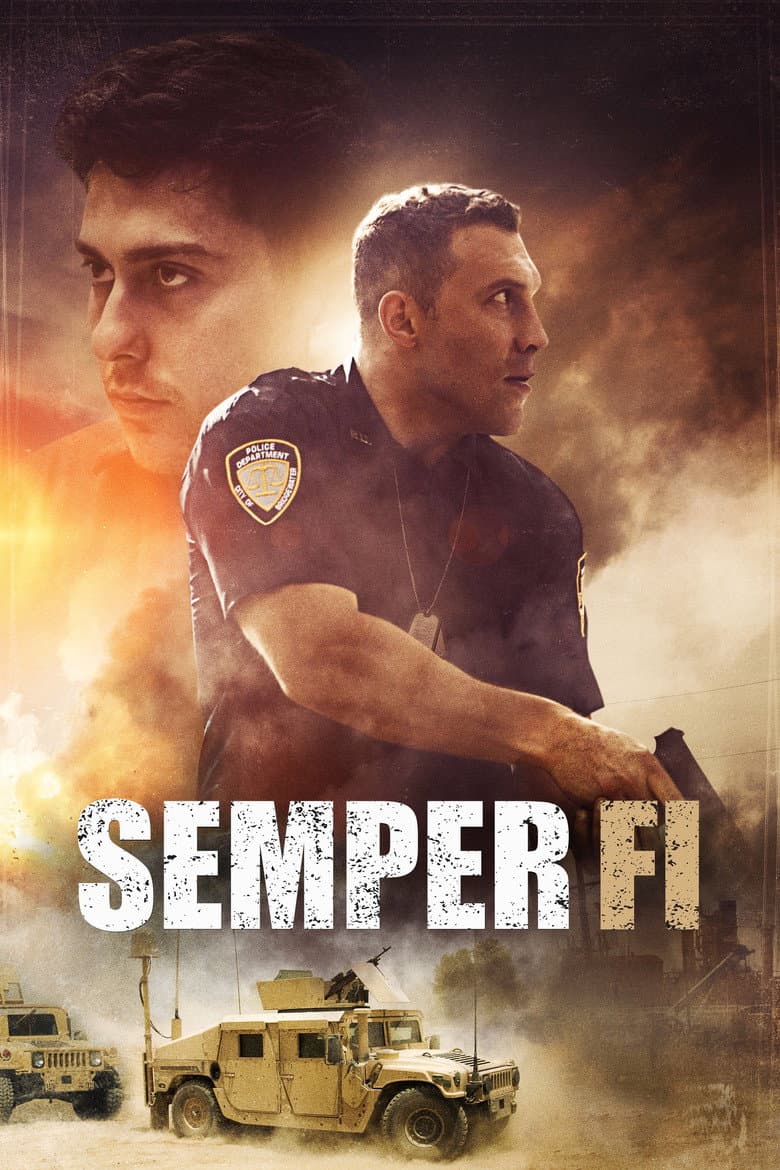
Movie · 2019
Cal is a dedicated cop who also serves as a sergeant in the Marine Corps Reserve. When his reckless half brother lands in jail for accidentally killing a man, Cal and his buddies…
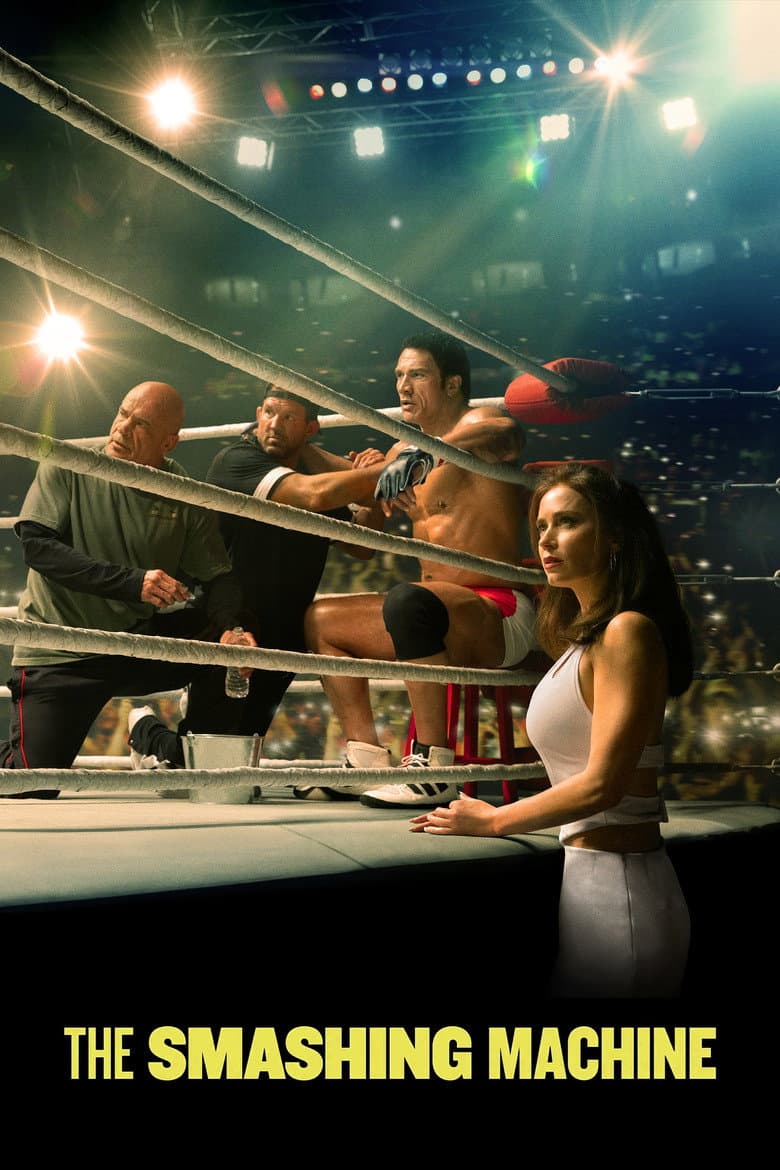
Movie · 2025
In the late 1990s, up-and-coming mixed martial artist Mark Kerr aspires to become the greatest fighter in the world.
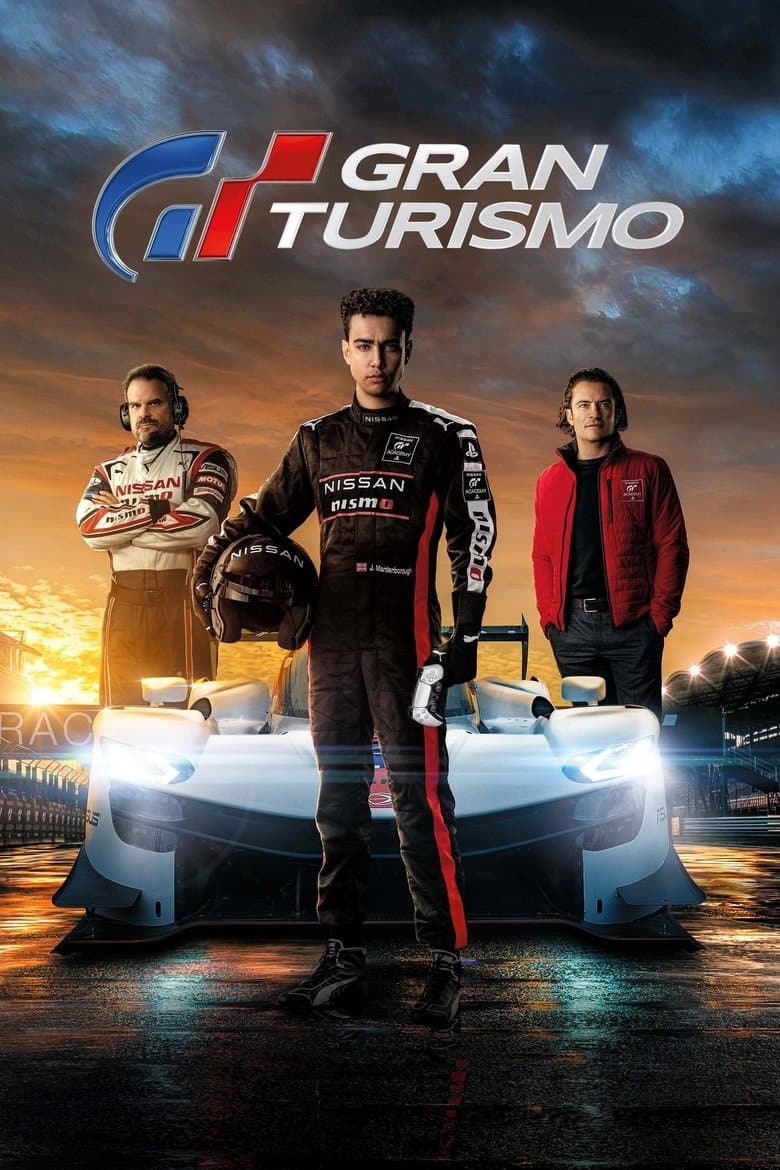
Movie · 2023
The ultimate wish-fulfillment tale of a teenage Gran Turismo player whose gaming skills won him a series of Nissan competitions to become an actual professional racecar driver.
