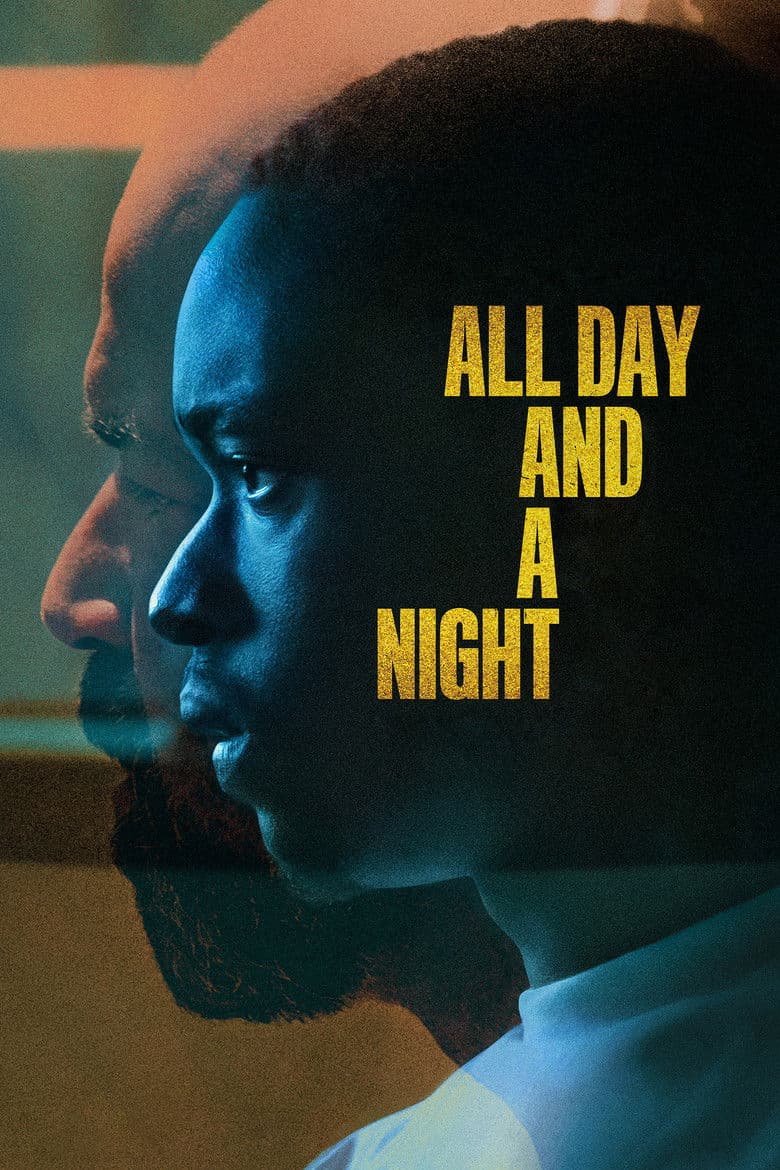
All Day and a Night follows Jahkor Lincoln, a young man in Oakland who dreams of becoming a rapper but gets pulled into gang violence. After he kills two people, he receives a life sentence and lands in the same prison as his abusive father, J.D. The story moves between Jahkor’s childhood, his years on the street, and his life behind bars. The dark drama shows how fear, drugs, anger, and family wounds shape his choices, while still leaving him responsible for his crimes.
The film makes race, poverty, prison, and father-to-son violence part of one connected story. Jahkor says slavery taught black people to survive but not how to live, and he describes poor neighborhoods as places where prison can feel more familiar than freedom. The story also blames violent ideas about manhood and a weak social system that blocks jobs, food help, and housing after a felony. These ideas return through narration, songs, and the plot, so the film’s social message is a major part of its identity, even though the ending stresses personal choice and hope.
Community feedback
Was our 58% Woke rating accurate?
Breakdown
These are the editorial factors and ratings behind our score for All Day and a Night.
Woke representation / casting
Not present. The main cast is largely Black, but the story is set in a Black Oakland community and follows a black family. The film does not present the casting as a diversity campaign or an identity statement.
0%
Woke political dialogue
Jahkor’s narration links slavery to how black people learn to survive. His rap lyrics say that the system breaks people instead of building them. A prison conversation says a felony can block work, food help, and housing. These points return across the film, but they stay tied to the crime story rather than forming a long political debate.
43%
Identity-driven story themes
The film centers on a young black man and treats race, poverty, prison, and family violence as linked forces. Jahkor learns violent ideas about manhood from his father and tries to stop passing them to his own son. The story repeatedly links slavery and present-day poverty to a cycle of crime. The ending still shows Jahkor choosing murder and later choosing to become a better father.
61%
Western institutional / cultural critique
The film treats violent ideas about manhood as a learned problem. It shows poor men facing prison, lost jobs, and blocked housing and food help after felonies. It presents police and the justice system as part of a trap that keeps the cycle going. It does not mock Christianity or attack family life, and it also shows crime as a personal choice.
52%
Woke character or canon changes
Not relevant. The film is an original story about Jahkor Lincoln. It does not change an established character, source story, or historical event.
0%
Anti-woke backlash and complaints
Not present. Available audience posts and reviews focused on violence, race themes, performances, and pacing. No clear complaint said that the film pushed DEI or identity politics.
0%
Creator track record context
Joe Robert Cole has a record of race-focused work through Black Panther and frames this film around underserved communities. Nina Jacobson has a stronger public record of diversity advocacy. Brad Simpson and Jonathan Monepare have mixed links to inclusive projects, while Jared Ian Goldman has little activist evidence. The team therefore has a moderate creator track record signal.
42%
Production
Movie · 2024
On the brink of the Second World War, a young Norwegian man's drive to resist the Nazis sets a new course for his future – and the future of his country.

Movie · 2023
The true story of the inseparable Von Erich brothers, who made history in the intensely competitive world of professional wrestling in the early 1980s.
Movie · 2023
American ballet dancer Joy Womack is accepted into Moscow's infamously tough Bolshoi Ballet Academy, with the dream of becoming a great ballerina.
Movie · 2025
Diagnosed with Tourette Syndrome at 15, John Davidson navigates his way against the odds through troubled teenage years and into adulthood, finding inspiration in the kindness of…
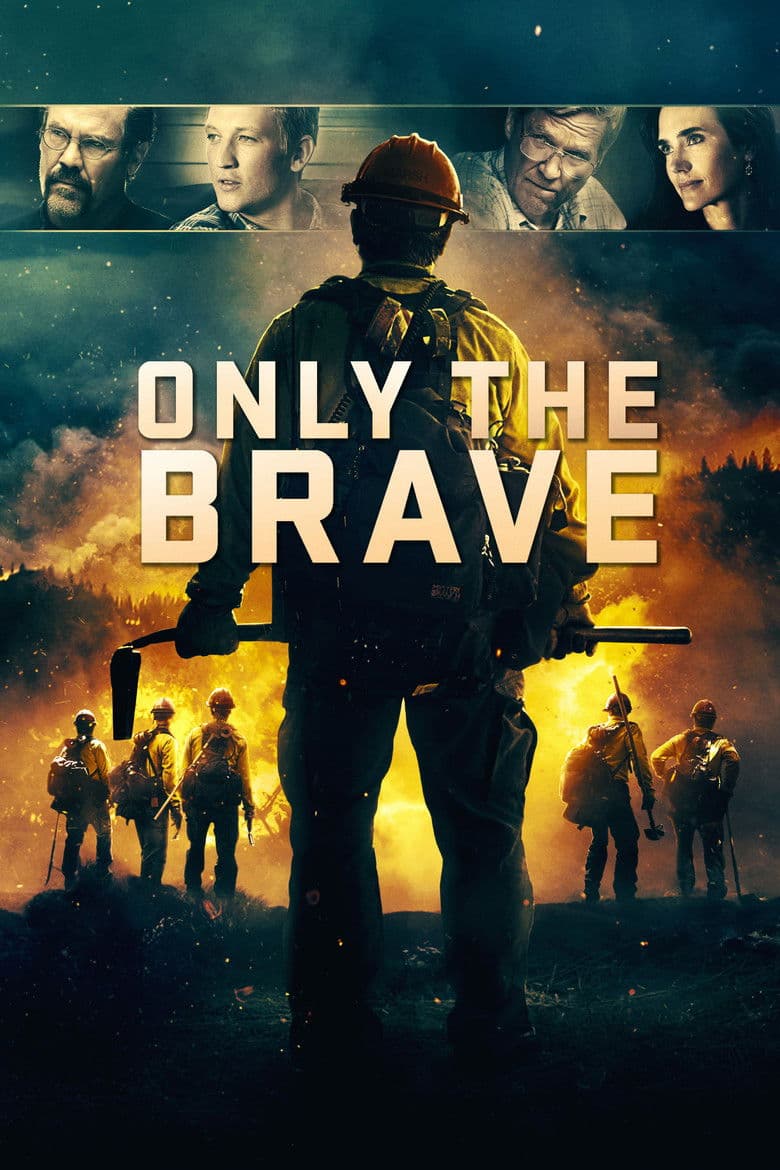
Movie · 2017
Members of the Granite Mountain Hotshots battle deadly wildfires to save an Arizona town.
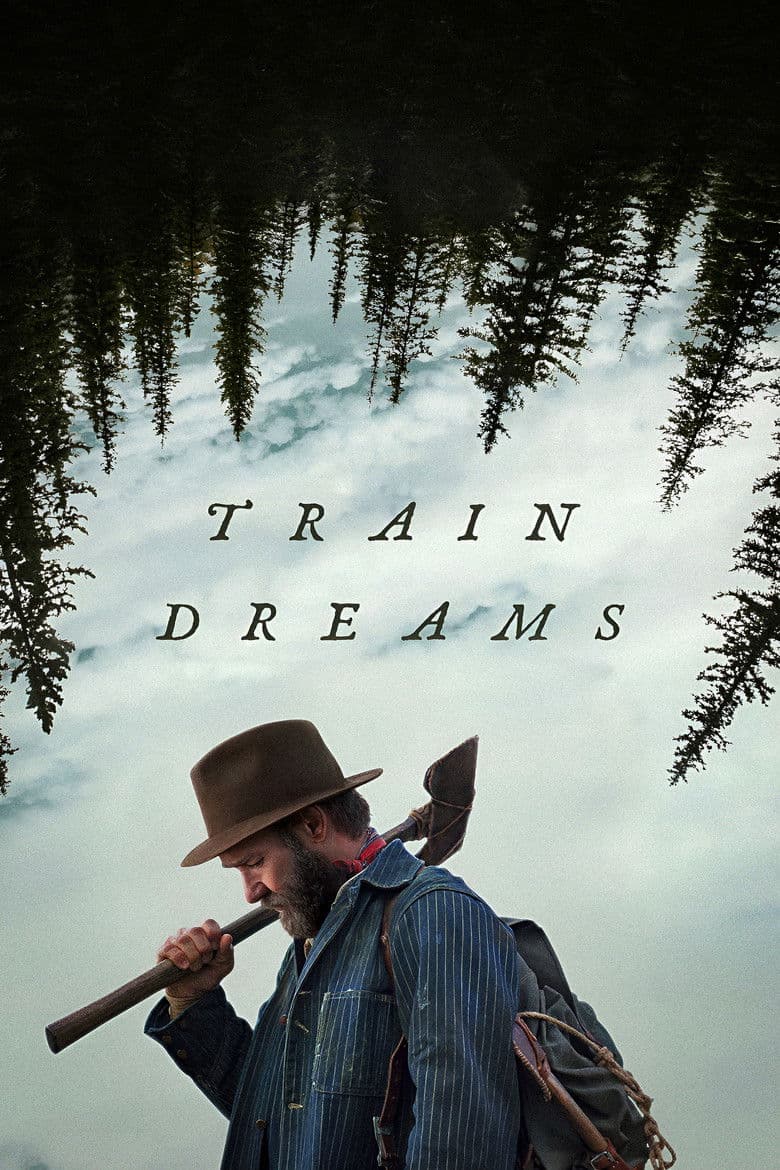
Movie · 2025
A logger leads a life of quiet grace as he experiences love and loss during an era of monumental change in early 20th-century America.
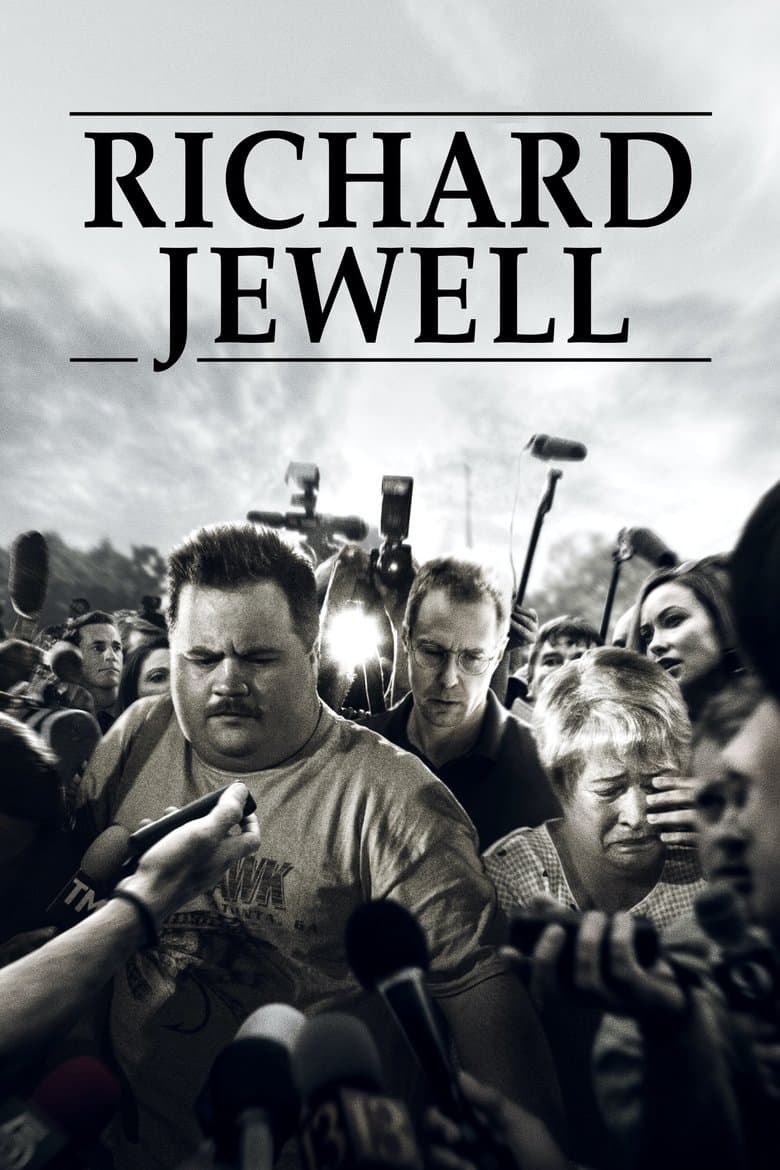
Movie · 2019
Richard Jewell thinks quick, works fast, and saves hundreds, perhaps thousands, of lives after a domestic terrorist plants several pipe bombs and they explode during a concert…
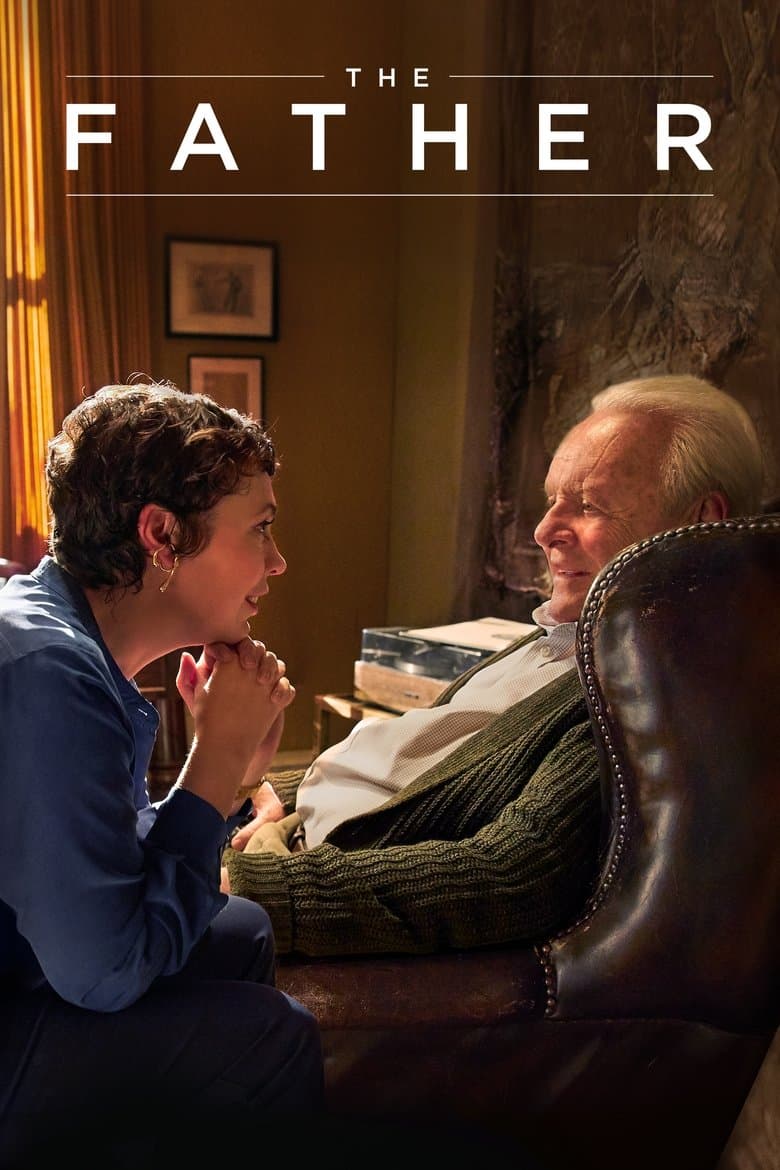
Movie · 2020
A man refuses all assistance from his daughter as he ages and, as he tries to make sense of his changing circumstances, he begins to doubt his loved ones, his own mind and even…
