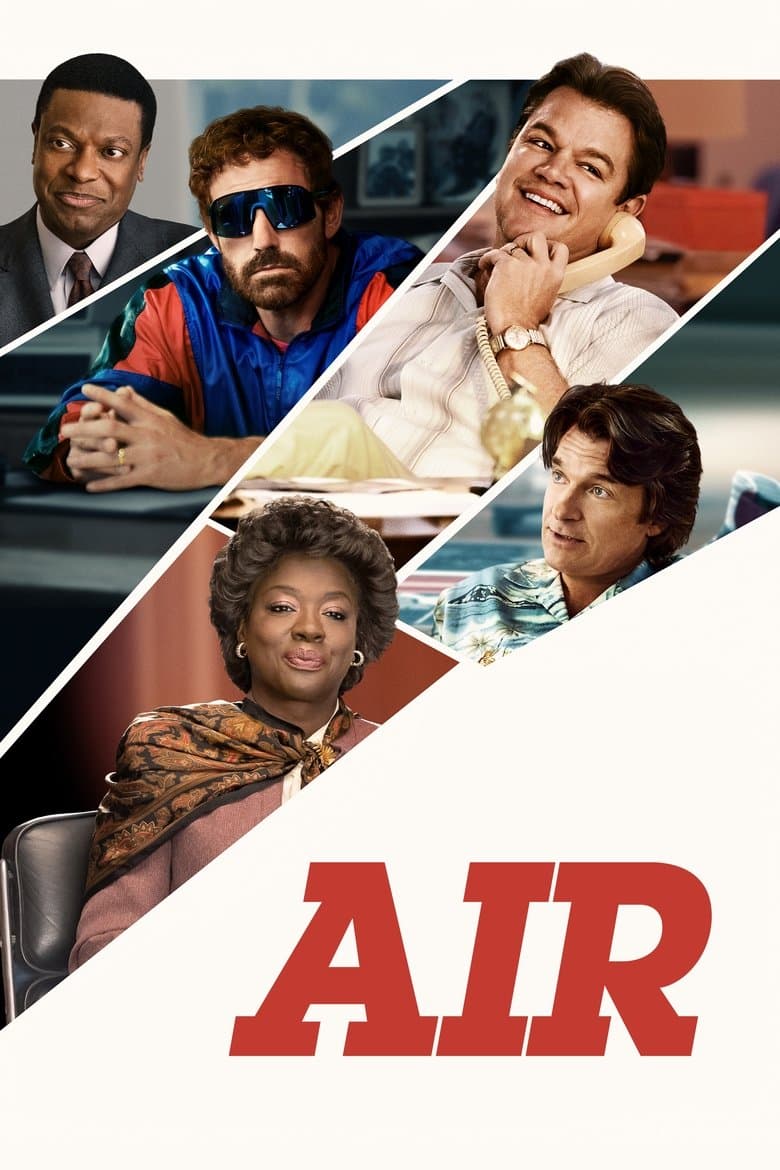
In 1984, Nike’s basketball shoe team is close to failing. Talent scout Sonny Vaccaro makes a huge bet on rookie Michael Jordan, who everyone else thinks is too expensive or out of reach. The story follows the hard pitch to Jordan’s family, a tough deal fight with bigger shoe brands, and the birth of the Air Jordan line. The tone is warm, funny, and business-focused, like an underdog sports movie mixed with a deal-room drama.
The movie centers on risk, sales, and a mother who knows her son’s real value. Deloris Jordan is a key force in the deal and helps win a cut of shoe sales, a bold business move for athletes at the time. Race shows up in a natural way because Jordan and several real people around him were black, and the story is about a white-run shoe company building a brand with a black star. The film treats that as history and business, not as a lecture. Viewers mainly see hustle, family loyalty, and a big commercial win.
Community feedback
Was our 19% Woke rating accurate?
Breakdown
These are the editorial factors and ratings behind our score for Air.
Woke representation / casting
Leads are mostly white male Nike execs, matching the real 1980s company story. Viola Davis plays Deloris Jordan, Michael’s real mother, at his request. Marlon Wayans and Chris Tucker play real black figures Jordan also wanted included. Casting tracks history and source requests more than quota-style identity packing. A normal viewer sees real people of the period, not race or gender swaps.
0%
Woke political dialogue
Talk is mostly sales, sports, money, and family. Deloris’s lines about her son’s worth read as business and mother instinct, not activist slogans. There is light cultural color around who drives style and fame, but the script does not run long modern social-justice speeches. Activist talk shows up more in press than on screen.
0%
Identity-driven story themes
The heart of the story is a bold deal, an underdog brand, and a mother who forces a new athlete pay model. Race is part of the real world of the tale—a white company and a black superstar—but the plot is not built as a modern identity-politics lesson. Deloris’s power is big and easy to notice, yet it fits the true deal history rather than a forced girl-boss rewrite.
22%
Western institutional / cultural critique
The film lightly ribbs corporate caution and money-first bosses, then mostly cheers risk-taking and success. It is not a hard attack on “the West,” Christianity, or traditional family. Left critics often said it was too kind to Nike. Ordinary “rich company is tricky” jokes do not rise to strong activist institutional critique.
16%
Woke character or canon changes
Not relevant. This is a true-story drama with normal movie shortcuts. Extra focus on Deloris, Raveling, and Howard White came from Michael Jordan’s own notes about real people, not DEI rewrites of made-up canon or race/gender swaps of known figures.
0%
Anti-woke backlash and complaints
No clear, wide anti-woke backlash treated Air as a woke or DEI project. Praise framed it as sports and business entertainment. Critiques about “Nike ad” tone or white-centered storytelling are left-side or brand critiques and do not count for this factor.
0%
Creator track record context
Key names sit in a mild band: Affleck and Damon have some progressive industry ties (including inclusion-rider company talk) but also public pushback against cancel culture and extreme woke pressure. The writer’s public profile is craft-first. Overall crew context is light support for representation policy, not a hard activist slate.
22%
Production

Movie · 2016
WWII American Army Medic Desmond T. Doss, who served during the Battle of Okinawa, refuses to kill people and becomes the first Conscientious Objector in American history to…
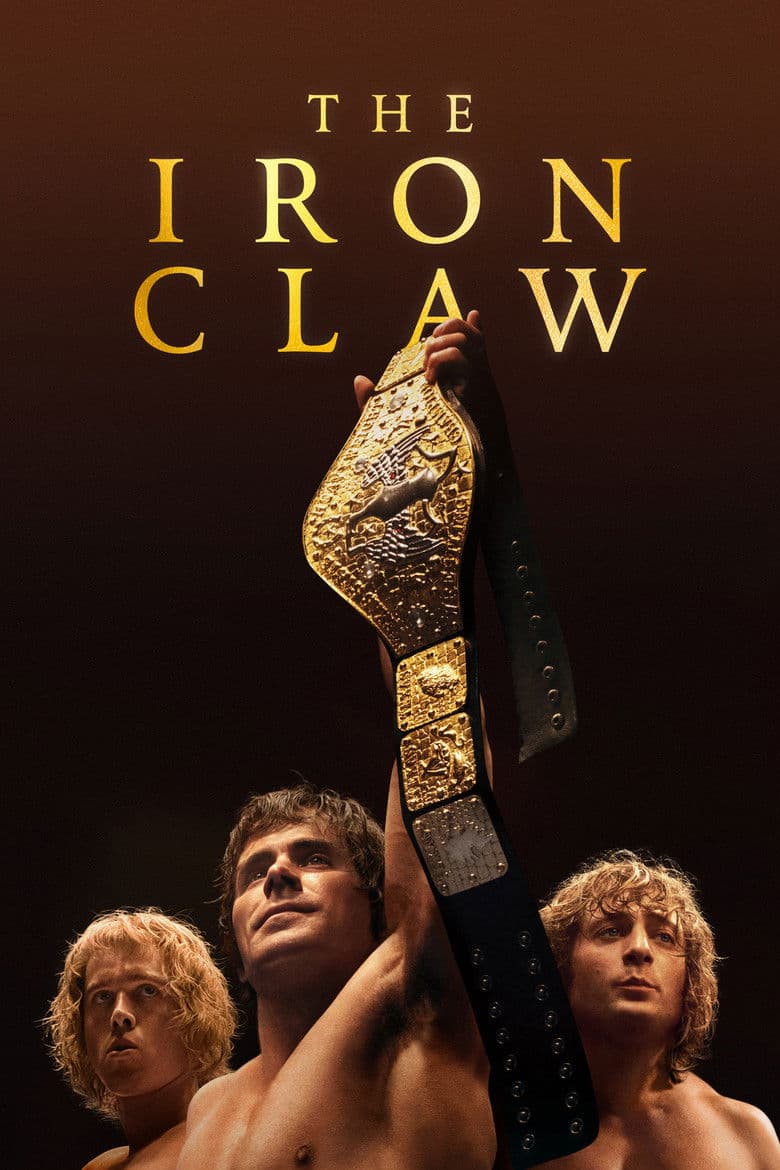
Movie · 2023
The true story of the inseparable Von Erich brothers, who made history in the intensely competitive world of professional wrestling in the early 1980s.

Movie · 2024
On the brink of the Second World War, a young Norwegian man's drive to resist the Nazis sets a new course for his future – and the future of his country.
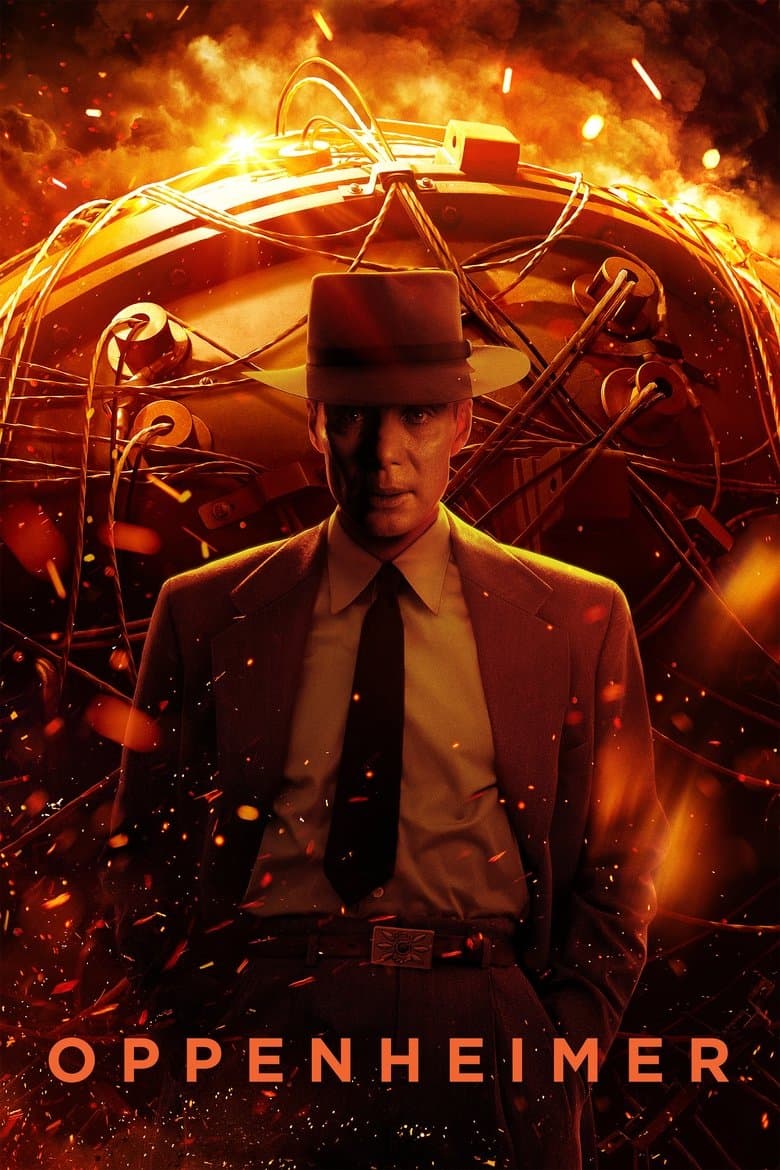
Movie · 2023
The story of J. Robert Oppenheimer's role in the development of the atomic bomb during World War II.
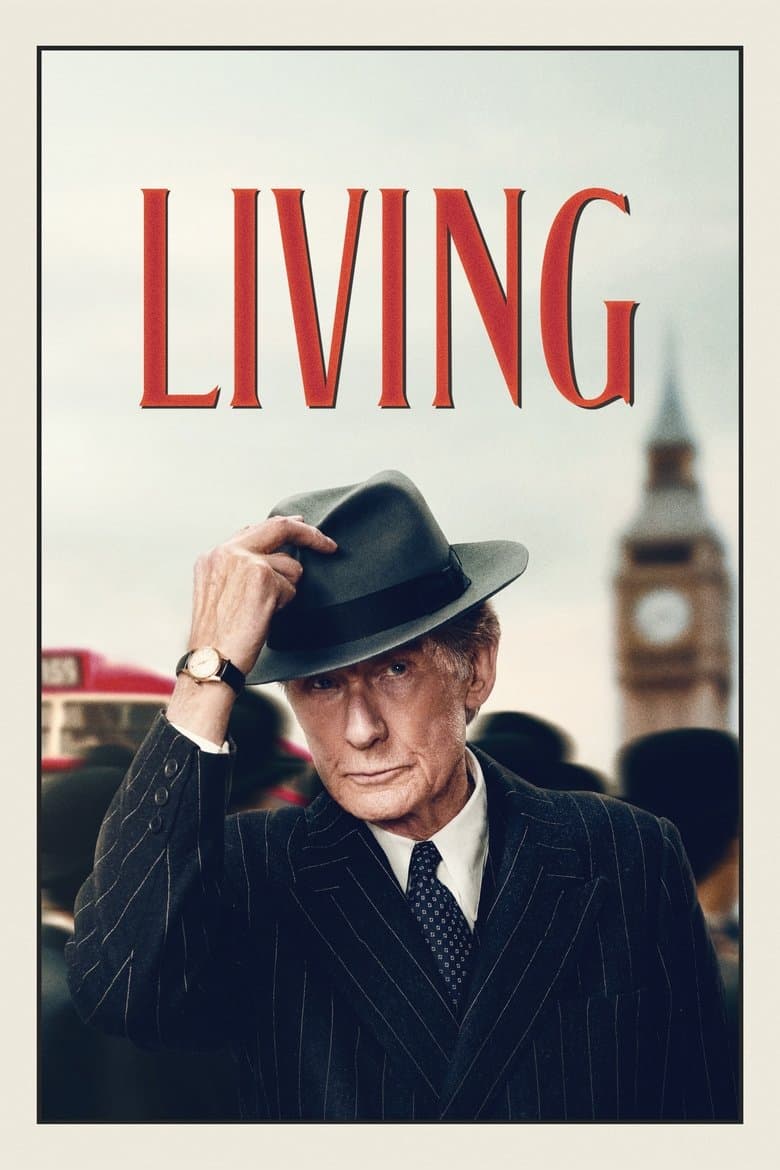
Movie · 2022
London, 1953. Mr. Williams, a veteran civil servant, is an important cog within the city's bureaucracy as it struggles to rebuild in the aftermath of World War II.
Movie · 2025
Diagnosed with Tourette Syndrome at 15, John Davidson navigates his way against the odds through troubled teenage years and into adulthood, finding inspiration in the kindness of…

Movie · 2016
After his older brother passes away, Lee Chandler is forced to return home to care for his 16-year-old nephew.
Movie · 2019
Richard Jewell thinks quick, works fast, and saves hundreds, perhaps thousands, of lives after a domestic terrorist plants several pipe bombs and they explode during a concert…
