
Sophie is an 11-year-old Scottish girl on a sunny holiday in Turkey with her young dad, Calum. He tries to make the trip fun while hiding his own deep sadness and money worries. Years later, grown-up Sophie looks back at camcorder videos and memories of that trip. She tries to understand the dad she loved and the private pain she could not see at the time. The mood is quiet, warm, and heavy with feeling.
The story is mostly about memory, family love, and a father’s hidden depression. The main woke-facing beat viewers can see is that adult Sophie lives with her wife and their child in New York. That same-sex home life is short on screen but clear. Director Charlotte Wells has said her characters are “always going to be queer by default.” Some critics and fans also read queer hints around Calum, but the film never states that out loud. The holiday plot itself does not push race, gender, or protest politics. A normal viewer notices the adult queer household and the soft father-daughter focus more than any loud activist message.
Community feedback
Was our 36% Woke rating accurate?
Breakdown
These are the editorial factors and ratings behind our score for Aftersun.
Woke representation / casting
Leads fit the Scottish father–daughter story (Mescal, Corio). No race or gender swaps of known characters. Resort side roles look normal for the setting. Adult Sophie’s wife is a brief same-sex partner choice, not a big diverse ensemble push or quota-style lead casting.
12%
Woke political dialogue
Talk is personal: family, holiday small talk, money stress, and soft care. No speeches about race, gender politics, DEI, colonialism, or current left–right fights. Mental-health feeling comes from behavior and mood, not slogan dialogue.
0%
Identity-driven story themes
Main spine is memory, grief, and a dad’s hidden depression. Audience-visible LGBTQ fact: adult Sophie lives with her wife and child. Wells said characters are queer by default. Queer subtext for Calum is optional, not proven on screen. Queer beat is real but not the whole plot, so mid-range after the required LGBTQ bump.
42%
Western institutional / cultural critique
Shows a caring, soft dad and hidden male depression rather than “toxic man” lectures or attacks on churches, the West, or traditional family as evil. Mild modern interest in men’s feelings and softer fatherhood; not a broad activist hit on Western institutions.
12%
Woke character or canon changes
Not relevant. Original story based on Wells’s emotional memory of a holiday with her dad, not an adaptation of legacy characters or history rewritten for identity politics.
0%
Anti-woke backlash and complaints
No notable right-leaning or anti-woke campaign treating the film as woke, DEI, or identity propaganda. Praise and awards dominated public talk.
0%
Creator track record context
Wells (42) is the driving voice: queer by default, personal not polemic. Strong progressive producer weight from Jenkins (78), Romanski (52), and related Pastel/BBC Film names raises the crew context without making the movie itself a protest film.
50%
Production

Movie · 2016
WWII American Army Medic Desmond T. Doss, who served during the Battle of Okinawa, refuses to kill people and becomes the first Conscientious Objector in American history to…

Movie · 2016
After his older brother passes away, Lee Chandler is forced to return home to care for his 16-year-old nephew.
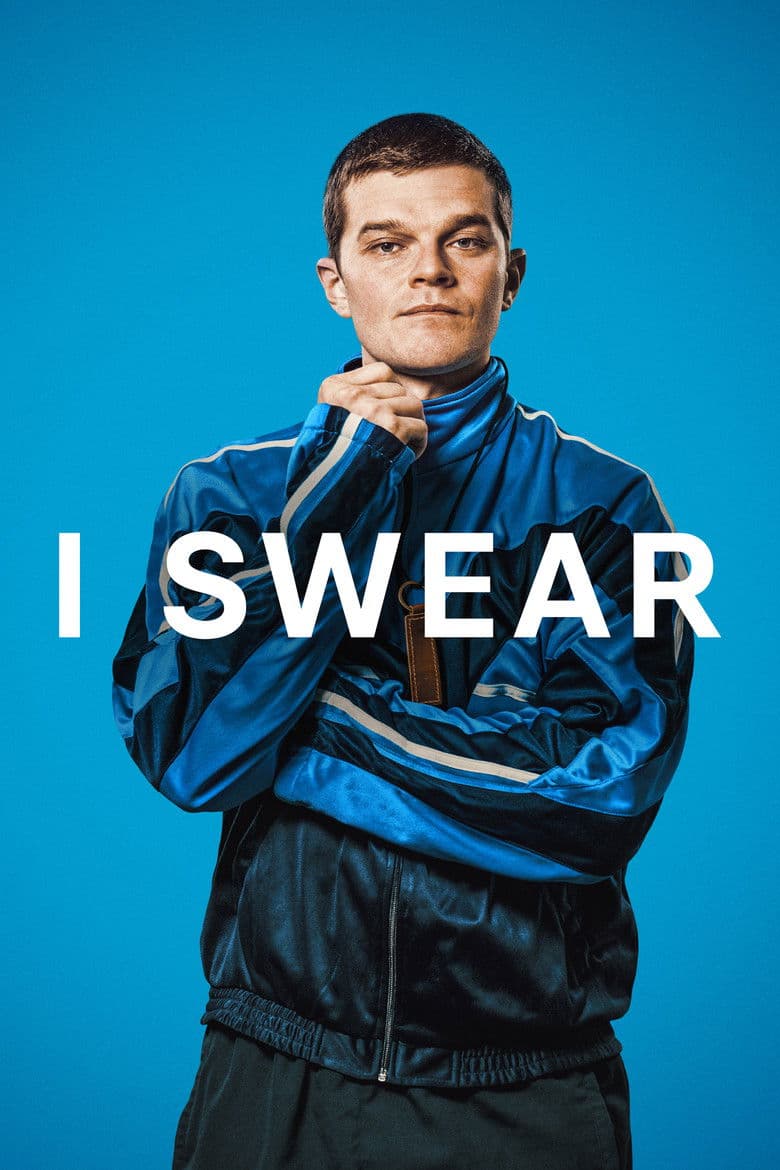
Movie · 2025
Diagnosed with Tourette Syndrome at 15, John Davidson navigates his way against the odds through troubled teenage years and into adulthood, finding inspiration in the kindness of…
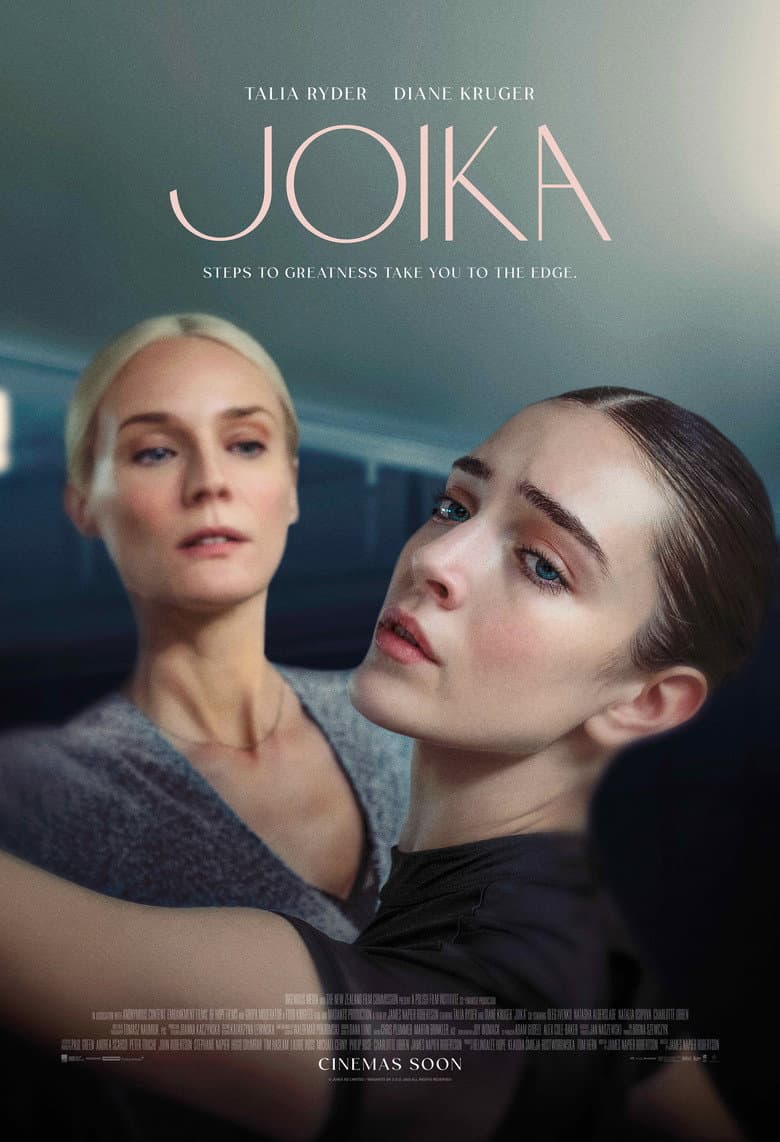
Movie · 2023
American ballet dancer Joy Womack is accepted into Moscow's infamously tough Bolshoi Ballet Academy, with the dream of becoming a great ballerina.

Movie · 2023
The true story of the inseparable Von Erich brothers, who made history in the intensely competitive world of professional wrestling in the early 1980s.
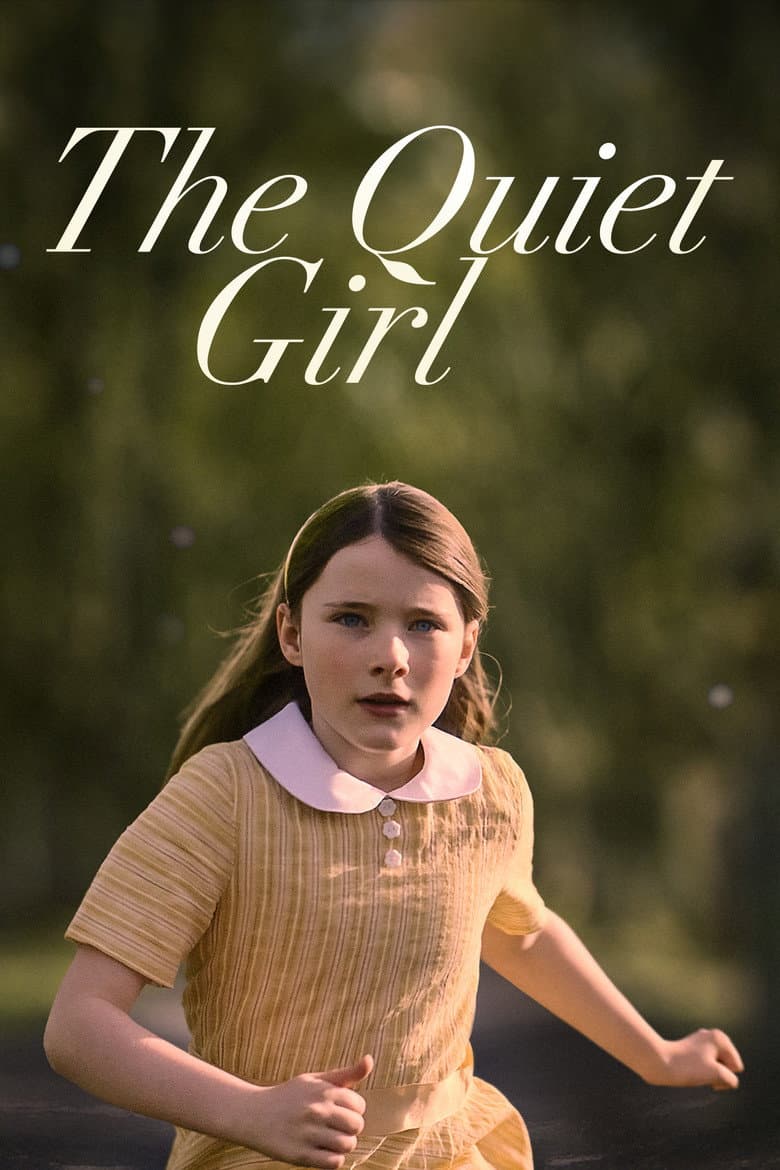
Movie · 2022
A quiet, neglected girl is sent away from her dysfunctional family to live with relatives for the summer. She blossoms in their care, but in this house where there are meant to be…
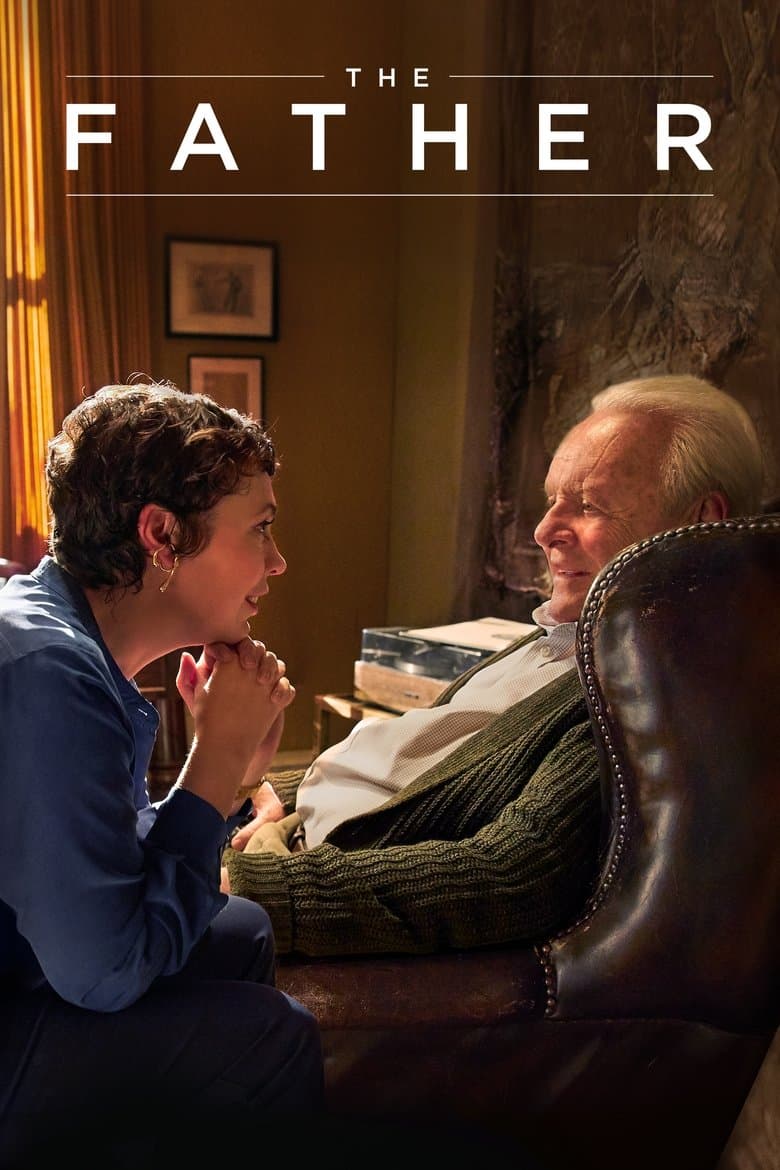
Movie · 2020
A man refuses all assistance from his daughter as he ages and, as he tries to make sense of his changing circumstances, he begins to doubt his loved ones, his own mind and even…
Movie · 2025
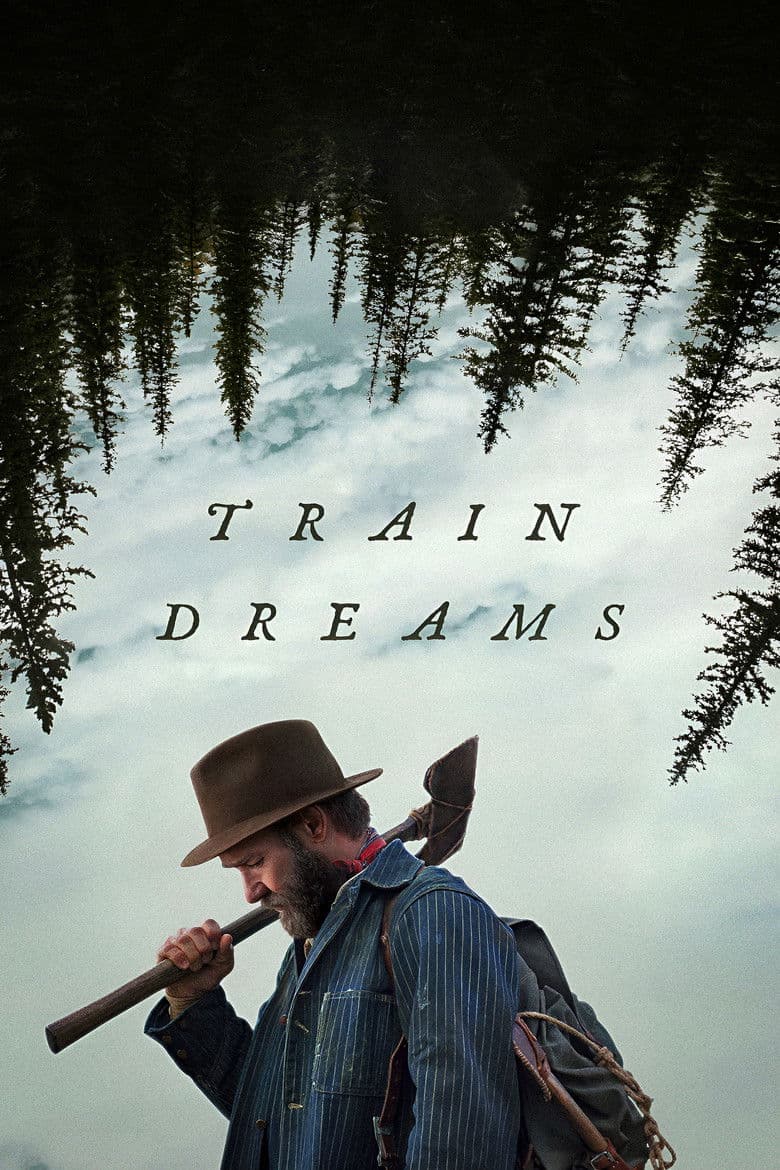
A logger leads a life of quiet grace as he experiences love and loss during an era of monumental change in early 20th-century America.
