
After Love follows Mary Hussain, a widow who lives in Dover on the English coast. Mary has spent decades as a Muslim after converting when she married Ahmed, a Pakistani ferry captain. After Ahmed dies, Mary finds messages that point to a second home and another woman in Calais. She crosses the Channel and enters that woman’s house as a cleaner, creating a quiet and painful drama about grief, betrayal, and the need to rebuild a life.
The film puts faith and personal identity at the center of Mary’s crisis. It shows her praying, wearing a headscarf, using her Muslim name, and keeping the life she built with Ahmed even after learning he lied. The story also gives a major supporting role to Solomon, a mixed-race French teenager who is gay, and his hidden love life links him to Mary’s own past as a young person in a secret relationship. The final bond between Mary, Genevieve, and Solomon presents a new family built from shared loss, while the film questions fixed ideas about culture, marriage, and belonging.
Community feedback
Was our 60% Woke rating accurate?
Breakdown
These are the editorial factors and ratings behind our score for After Love.
Woke representation / casting
Mary is a white English woman who converted to Islam and wears a headscarf. The film places this identity in the lead role and makes her faith part of her daily life. Solomon is a mixed-race French teenager who is gay and is important to Mary’s change. Khan said he wanted a complex older Muslim woman at the center, so the casting carries a clear representation purpose.
43%
Woke political dialogue
Genevieve asks Mary why she converted and how she feels about wearing the headscarf. Mary answers that she has worn it longer than she has not, treating the faith as part of her settled life. The film also has brief talk about hidden relationships, mixed cultures, and who belongs in a family. It has no repeated activist speeches or slogans.
24%
Identity-driven story themes
Mary’s central crisis begins when the marriage that shaped her faith, clothes, language, and daily life suddenly ends. The film keeps asking what remains of a person after losing the relationship that gave her life its shape. Solomon’s gay identity and secret boyfriend create a major supporting story about hidden lives and family trust. The ending brings Mary, Genevieve, and Solomon together as a new family after betrayal.
65%
Western institutional / cultural critique
Genevieve first mistakes the headscarfed Mary for a cleaner, showing a small clash over Islam, class, and outsider status. The film questions fixed ideas about who counts as English, Muslim, or part of a family. It does not build a repeated attack on men, marriage, Christianity, capitalism, or Western institutions.
15%
Woke character or canon changes
Not relevant. The film is an original story about Mary, Ahmed, Genevieve, and Solomon. It does not change a known character, book, historical figure, or real event.
0%
Anti-woke backlash and complaints
Not present. No credible anti-woke complaints were found in the searched news, audience, or social discussion. The separate X research pass also found no anti-woke reaction or specific complaint.
0%
Creator track record context
Aleem Khan’s work repeatedly focuses on Muslim identity, sexuality, migration, and people caught between cultures. His interviews describe this film as a personal and quietly political story about a complex older Muslim woman. Producer Eva Yates has backed diversity programs, and casting director Shaheen Baig is known for inclusive casting. This background matches the film’s identity themes, but the main story remains a grief drama.
62%
Production

Movie · 2017
In 1950, amidst the ravages of the Korean War, Sergeant Süleyman stumbles upon a a half-frozen little girl, with no parents and no help in sight and he risks his own life to save…
Movie · 2020
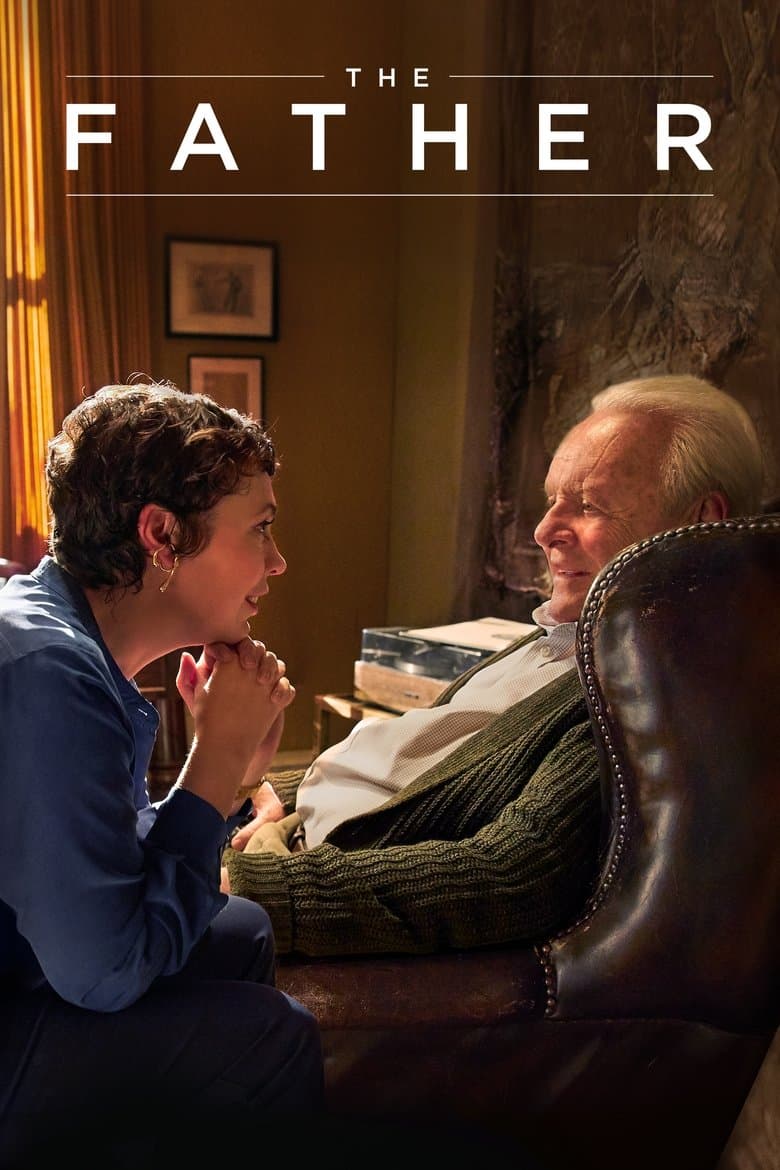
A man refuses all assistance from his daughter as he ages and, as he tries to make sense of his changing circumstances, he begins to doubt his loved ones, his own mind and even…

Movie · 2016
WWII American Army Medic Desmond T. Doss, who served during the Battle of Okinawa, refuses to kill people and becomes the first Conscientious Objector in American history to…

Movie · 2023
American ballet dancer Joy Womack is accepted into Moscow's infamously tough Bolshoi Ballet Academy, with the dream of becoming a great ballerina.
Movie · 2016
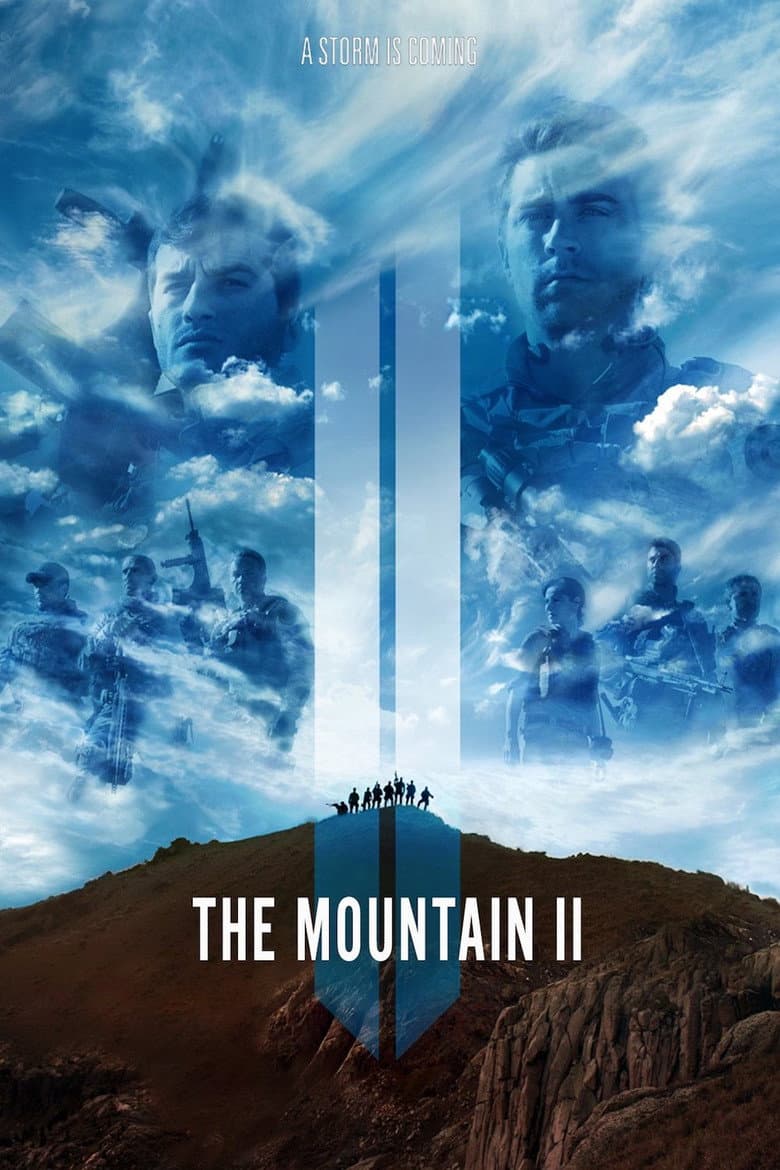
In a desolate war zone where screams of the innocent echo, on the very line between disaster and valor, 7 Maroon Berets will dance with death.

Movie · 2016
After his older brother passes away, Lee Chandler is forced to return home to care for his 16-year-old nephew.

Movie · 2025
A logger leads a life of quiet grace as he experiences love and loss during an era of monumental change in early 20th-century America.
Movie · 2022
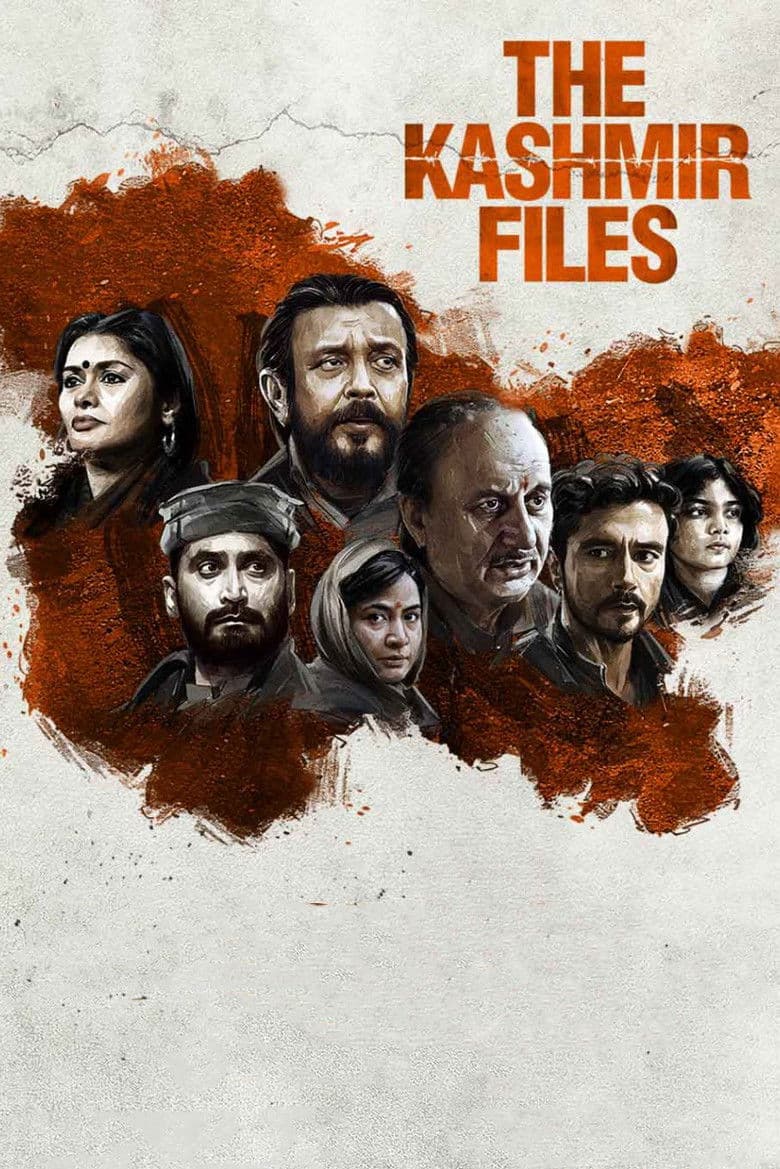
Based on a true tragedy, the emotionally triggering film sheds light on the plight of Kashmiri Pandits (Hindus), a religious minority in the 1990s Kashmir valley, who were…
