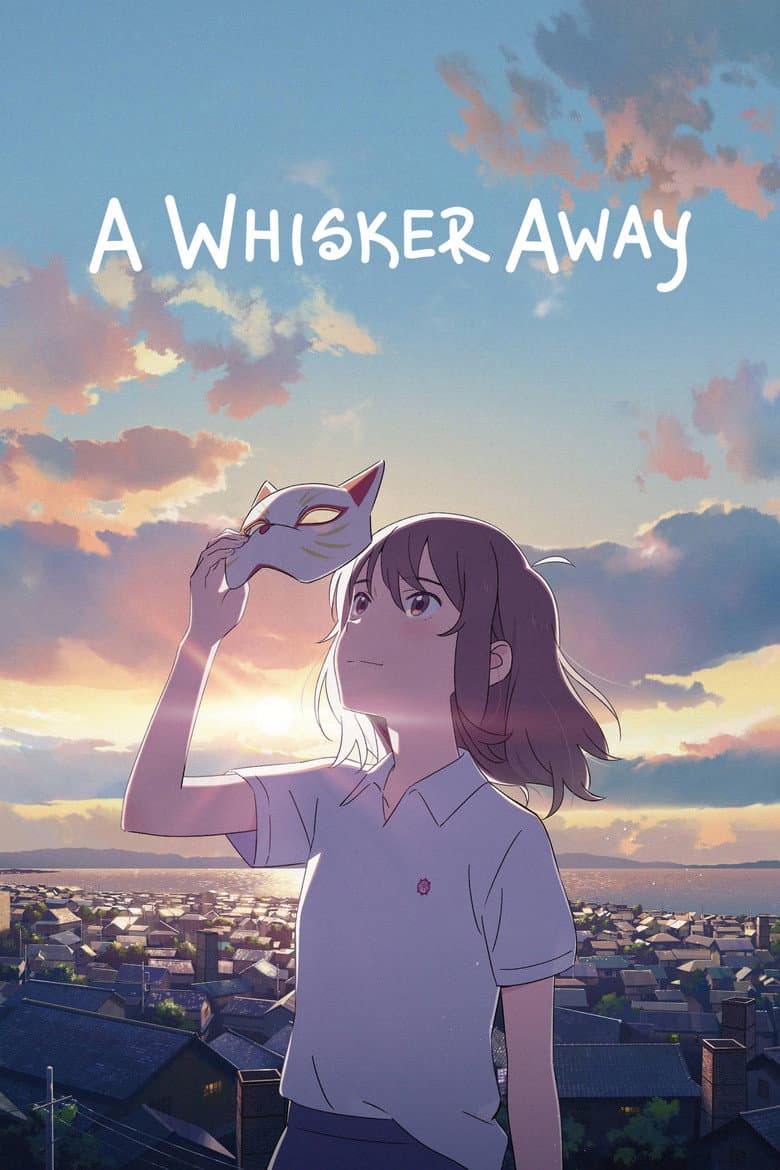
Movie review
June 18, 2020 · 104 min · PG · Japanese · Fantasy · Animation · Romance · Drama
A Whisker Away follows Miyo Sasaki, a loud and lonely 14-year-old girl in Tokoname, Japan. She has a strong crush on her classmate Kento Hinode, but he avoids her at school. A strange mask lets Miyo become a white cat so she can visit him and escape the pain at home. Her secret life becomes dangerous when she starts losing her human self, and the film shifts between bright comedy, romance, family drama, and dark thoughts about giving up.
The film centers on Miyo's struggle to show her real feelings instead of hiding behind a cheerful face or a cat body. Miyo deals with her mother's absence, her stepmother, school bullying, and a strong wish to be loved. Hinode hides his own worries while facing pressure about his family's pottery shop and his future. The story ends by valuing honest feelings, friendship, family care, and accepting life as a flawed human.
Community feedback
Was our 27% Woke rating accurate?
Breakdown
These are the editorial factors and ratings behind our score for A Whisker Away.
Woke representation / casting
Not present. The original story uses a Japanese cast for Japanese characters in a Japanese setting. It does not build a diverse ensemble or market the casting as a representation goal.
0%
Woke political dialogue
One short exchange calls the family’s expectation that Hinode support them as the son “old-fashioned.” The line questions a traditional male provider role. The rest of the dialogue covers love, family pain, school bullying, and honesty. The film does not turn this point into a wider political speech.
23%
Identity-driven story themes
Miyo uses a cat body to hide sadness and to become someone she thinks Hinode will love. The story repeatedly links that change to growing up, girlhood, shame, and new romantic feelings. The story also treats the human face as a sign of personal identity and choice. The ending favors honest feelings, family repair, and accepting life instead of escaping it.
29%
Western institutional / cultural critique
The family plot questions an older expectation that Hinode should choose a prestigious school and support the household as its son. The film presents this pressure as a personal family problem, not as a broad attack on society or Western institutions. The parents and teachers are shown as imperfect but caring, and the story does not attack them as symbols of a bad system. The brief gender-role point keeps this factor low.
14%
Woke character or canon changes
Not relevant. The film is an original story with no established characters or historical figures being changed.
0%
Anti-woke backlash and complaints
Not present. The X research pass found no anti-woke complaints. Wider reviews and discussion criticized Miyo’s stalking-like behavior, pacing, or ending, but not woke or DEI messaging. No sustained boycott or news cycle appeared in the reviewed coverage.
0%
Creator track record context
Mari Okada’s wider work often centers girls, family pain, sexuality, gender expectations, and unusual family bonds. Her record includes Wandering Son, which focuses on transgender youth, but public material does not show a partisan or culture-war persona. Junichi Sato and Tomotaka Shibayama have no documented activist profile. The listed producers are mainly commercial anime professionals. This gives the film some identity-aware creator context without making the film itself an activist work.
27%
Production

Movie · 2018
After his classmate and crush is diagnosed with a pancreatic disease, an average high schooler sets out to make the most of her final days.
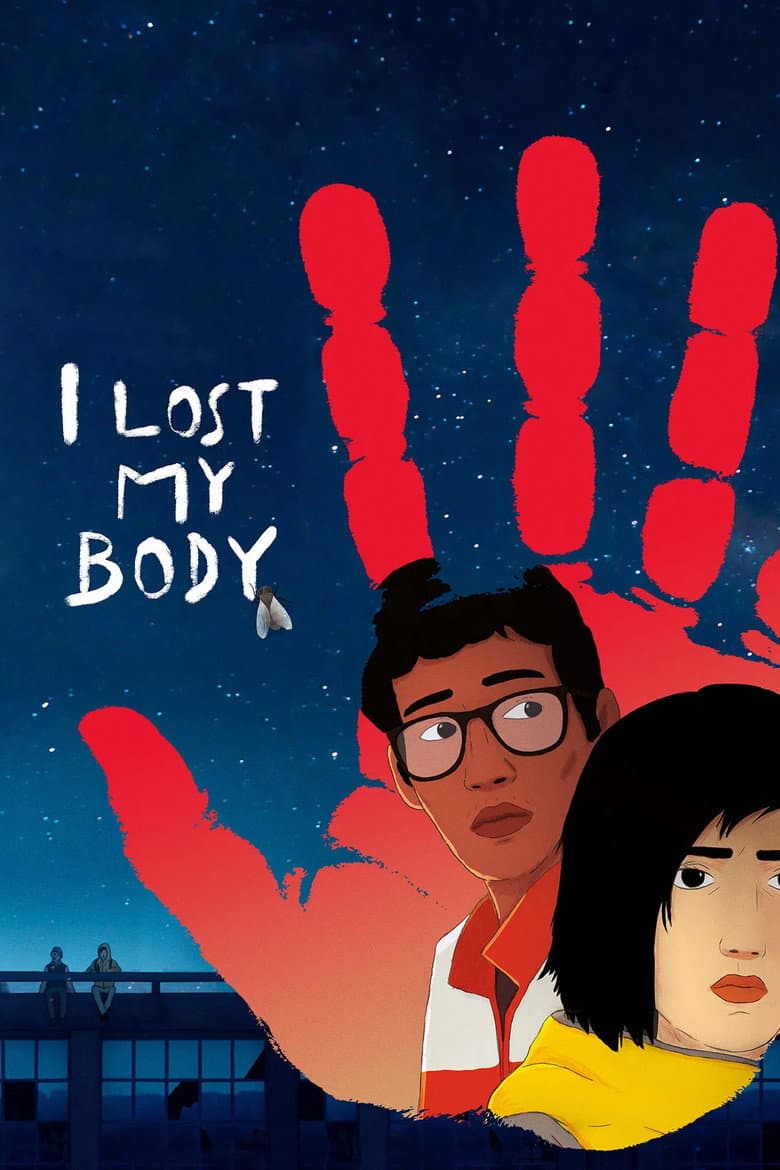
Movie · 2019
A story of Naoufel, a young man who is in love with Gabrielle. In another part of town, a severed hand escapes from a dissection lab, determined to find its body again.
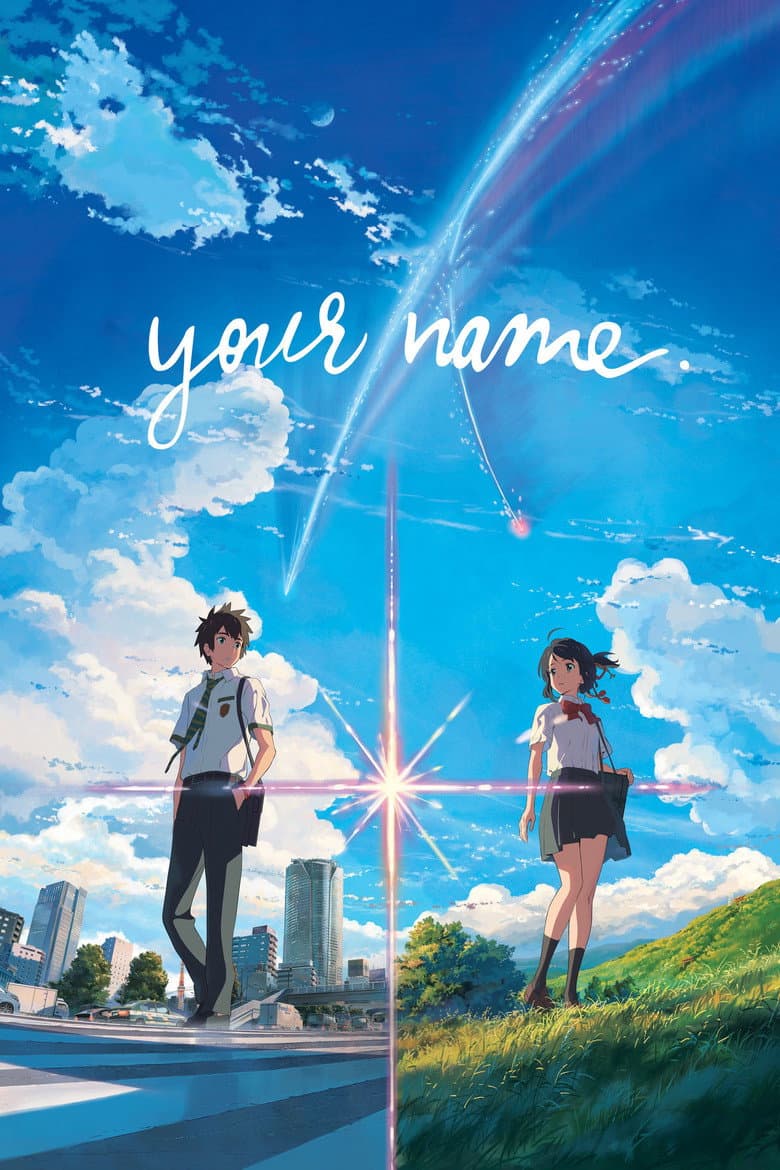
Movie · 2016
High schoolers Mitsuha and Taki are complete strangers living separate lives. But one night, they suddenly switch places. Mitsuha wakes up in Taki’s body, and he in hers.
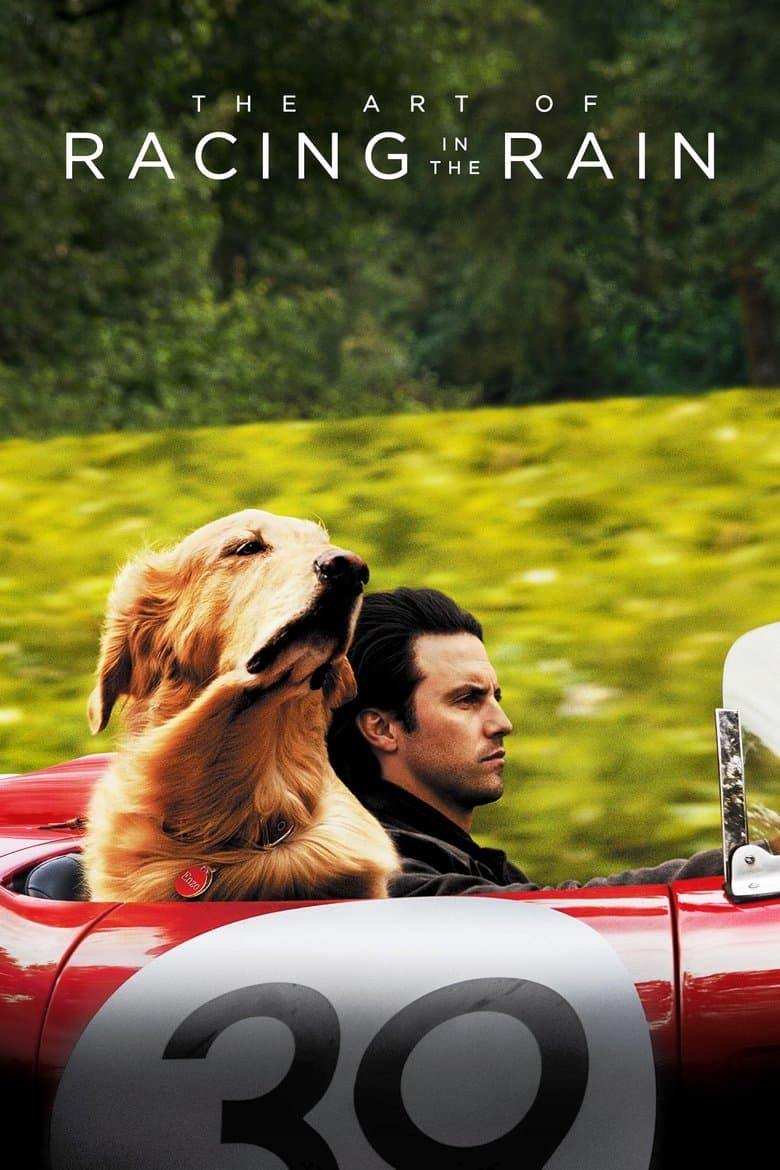
Movie · 2019
A family dog – with a near-human soul and a philosopher's mind – evaluates his life through the lessons learned by his human owner, a race-car driver.

Movie · 2020
The true-life story of Christian music star Jeremy Camp and his journey of love and loss that looks to prove there is always hope.

Movie · 2019
It's been ten years since the dragons moved to the Hidden World, and even though Toothless doesn't live in New Berk anymore, Hiccup continues the holiday traditions he once shared…
Movie · 2016
This hand drawn animated film, based on the award winning graphic novel by Raymond Briggs, is an intimate and affectionate depiction of the life and times of his parents, two…

Movie · 2023
Mia and Kyle, two misfit American teens, travel to Spain in search of Mia's birth mother. As the pair road trip through the picturesque cities of Andalusia and fall in love, they…
