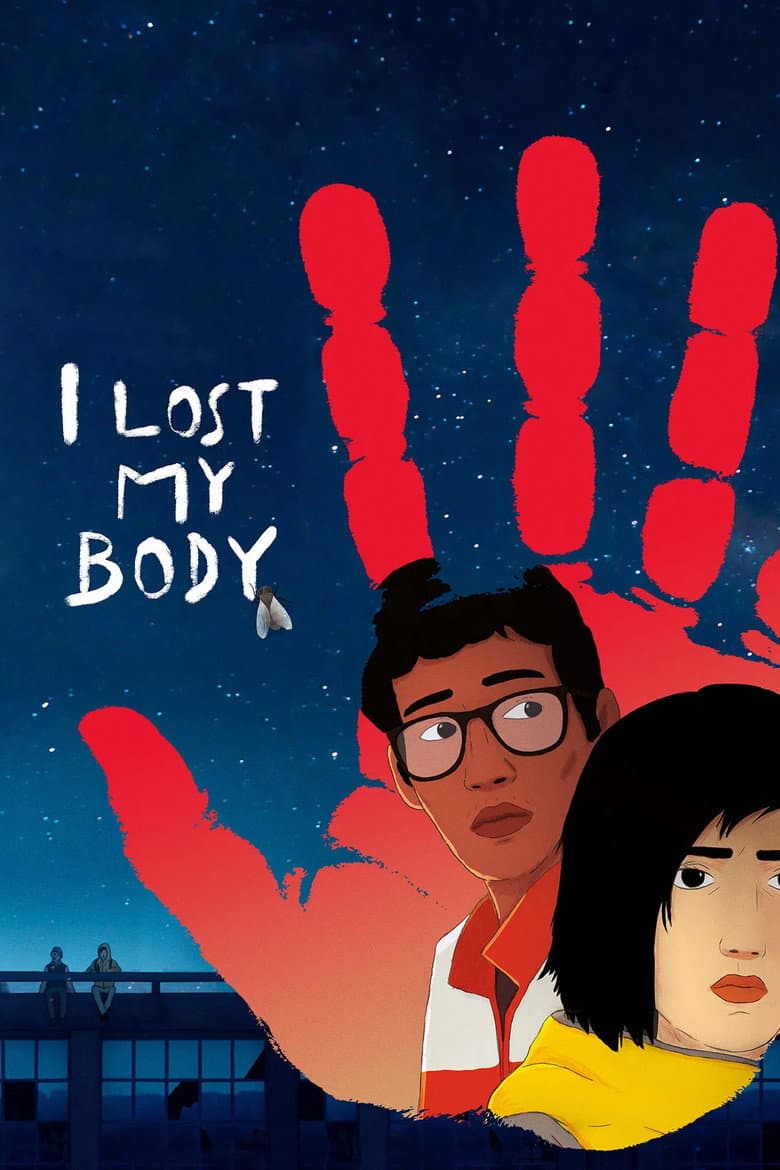
I Lost My Body follows Naoufel, a young man living in Paris after his parents die in a car crash. He delivers pizzas, works with wood, and feels stuck between his childhood dreams and a hard adult life. After an accident cuts off his hand, the hand escapes from a lab and crosses the city to find him. Naoufel also tries to build a connection with Gabrielle, a librarian he first meets through an apartment intercom, so the film moves between quiet romance, dark horror, and strange adventure.
The film makes Naoufel’s North African immigrant background and his feeling of being out of place part of his personal story. His lost home, his parents, and his lonely life in Paris shape the way he sees love and the future. The hand becomes a sign of memory, grief, and the part of Naoufel that he has left behind. The ending asks him to face the past and choose a risky new path, so the main message is about loss, choice, and starting again.
Community feedback
Was our 22% Woke rating accurate?
Breakdown
These are the editorial factors and ratings behind our score for I Lost My Body.
Woke representation / casting
Not present. Naoufel is Moroccan-born, and the French voice cast matches his story. The film does not build a mixed cast around a diversity message or frame casting as an identity campaign.
0%
Woke political dialogue
Not present. Naoufel and Gabrielle talk about fate, fear, grief, and change. The film has no modern identity, DEI, or activist lines.
0%
Identity-driven story themes
Naoufel is a Moroccan-born immigrant who feels cut off from his old home and from life in Paris. The film returns to his outsider position, lost family, and need to belong. Those ideas shape his personal struggle, but the story centers on grief, loneliness, love, and choice rather than a demand for political change.
24%
Western institutional / cultural critique
Not present. The film shows a harsh workplace, a landlord, and a rough city, but it does not turn them into a modern attack on Western institutions, men, family, or religion.
0%
Woke character or canon changes
Not relevant. The film is a loose adaptation of Happy Hand, but its changes concern viewpoint, added scenes, and symbols rather than race, gender, sexuality, or historical identity.
0%
Anti-woke backlash and complaints
Not present. The supplied X pass found no anti-woke complaints. Wider coverage and audience discussion focused on the unusual animation, grief, stalking concerns, and open ending, not woke or DEI messaging.
0%
Creator track record context
Jérémy Clapin’s earlier films often follow outsiders, disability, and people who feel out of place. Guillaume Laurant’s stories show a similar interest in damaged or displaced characters. Those patterns fit Naoufel’s immigrant background and the film’s focus on alienation. Neither creator has a strong record of party politics or organized activism, and the producers have neutral cached scores.
50%
Production
Movie · 2016
The dialogue-less film follows the major life stages of a castaway on a deserted tropical island populated by turtles, crabs and birds.
Movie · 2018
After his classmate and crush is diagnosed with a pancreatic disease, an average high schooler sets out to make the most of her final days.
Movie · 2025
Charles Dickens tells his young son Walter the greatest story ever told, and what begins as a bedtime tale becomes a life-changing journey.
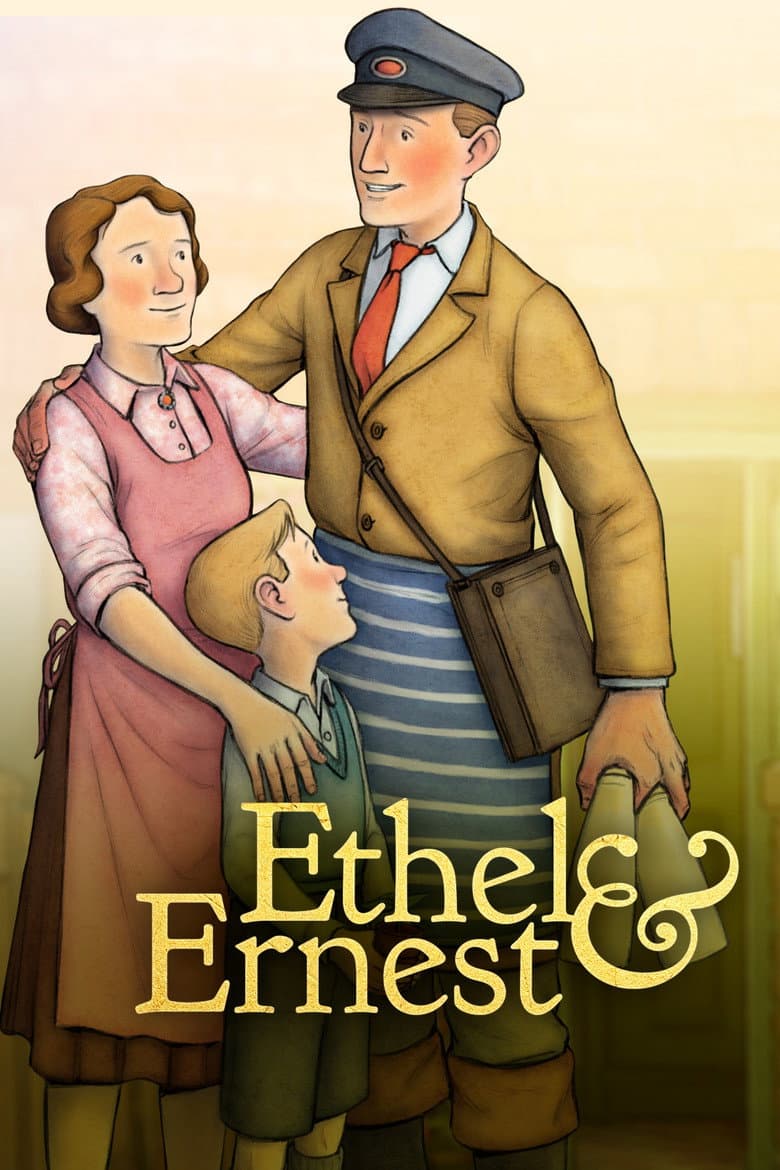
Movie · 2016
This hand drawn animated film, based on the award winning graphic novel by Raymond Briggs, is an intimate and affectionate depiction of the life and times of his parents, two…
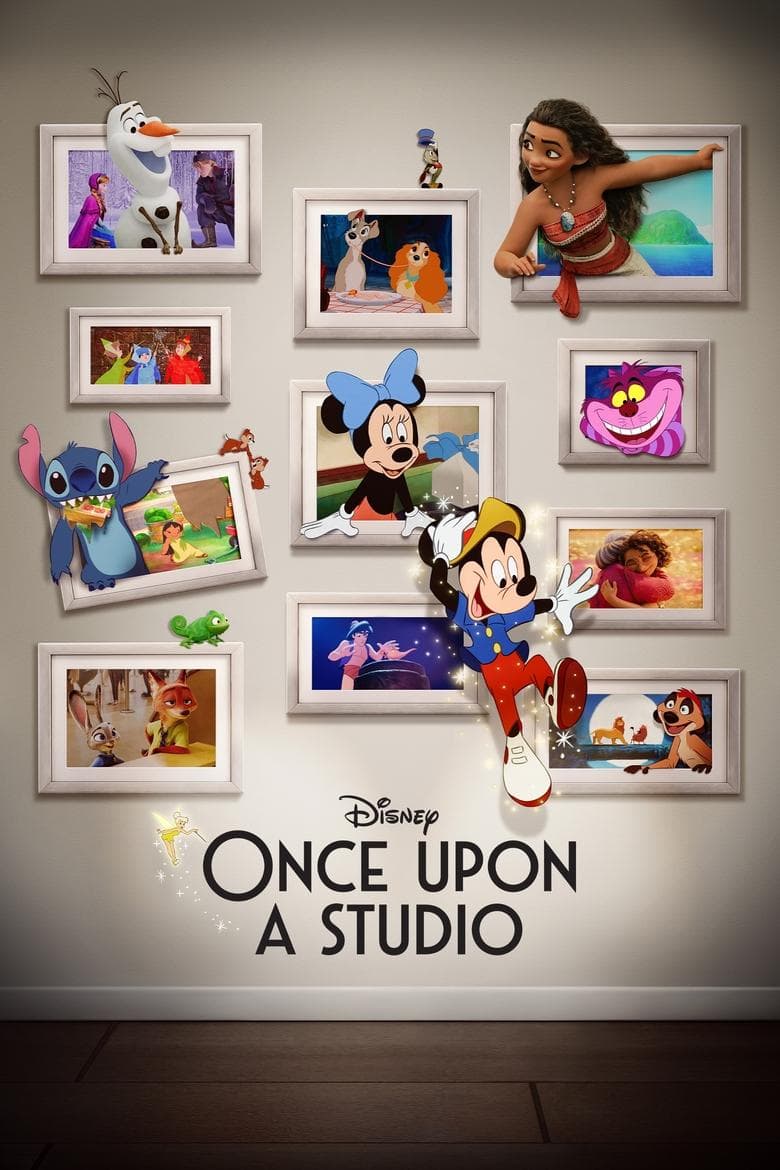
Movie · 2023
Created for Disney's 100th anniversary, the short features Mickey Mouse corralling a gallery of legendary Disney characters for a group photo.
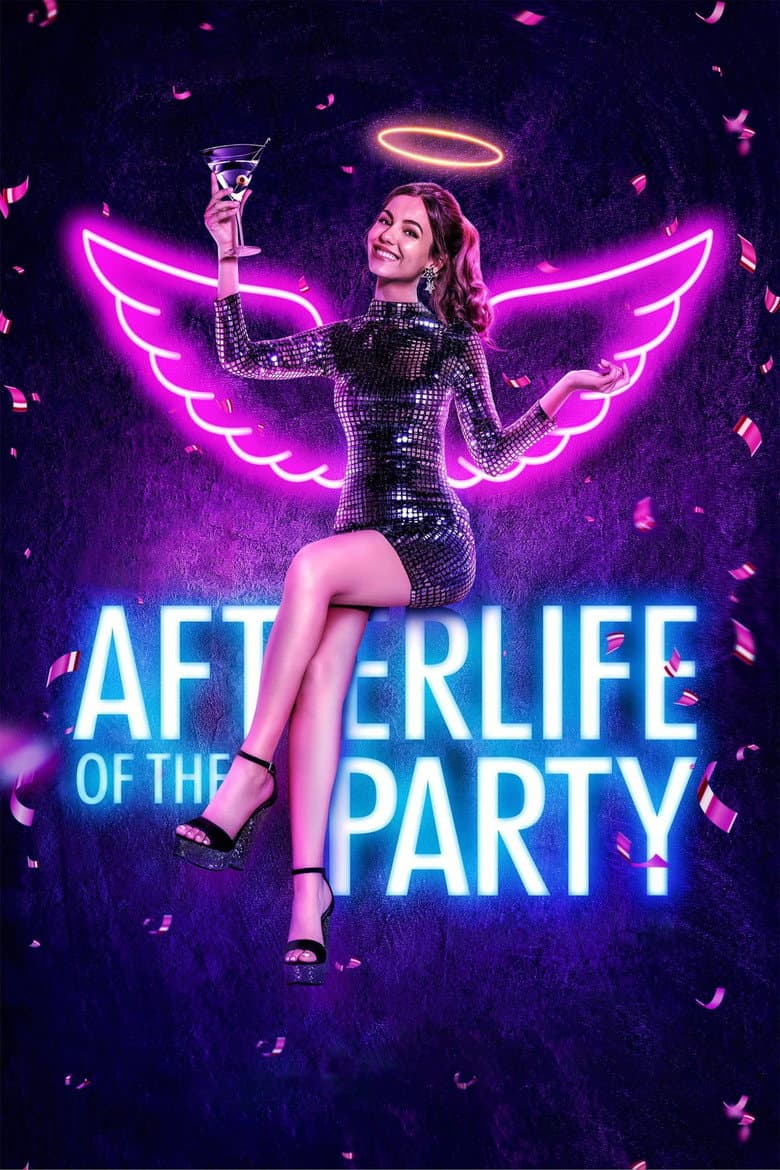
Movie · 2021
A social butterfly who dies during her birthday week is given a second chance to right her wrongs on Earth.
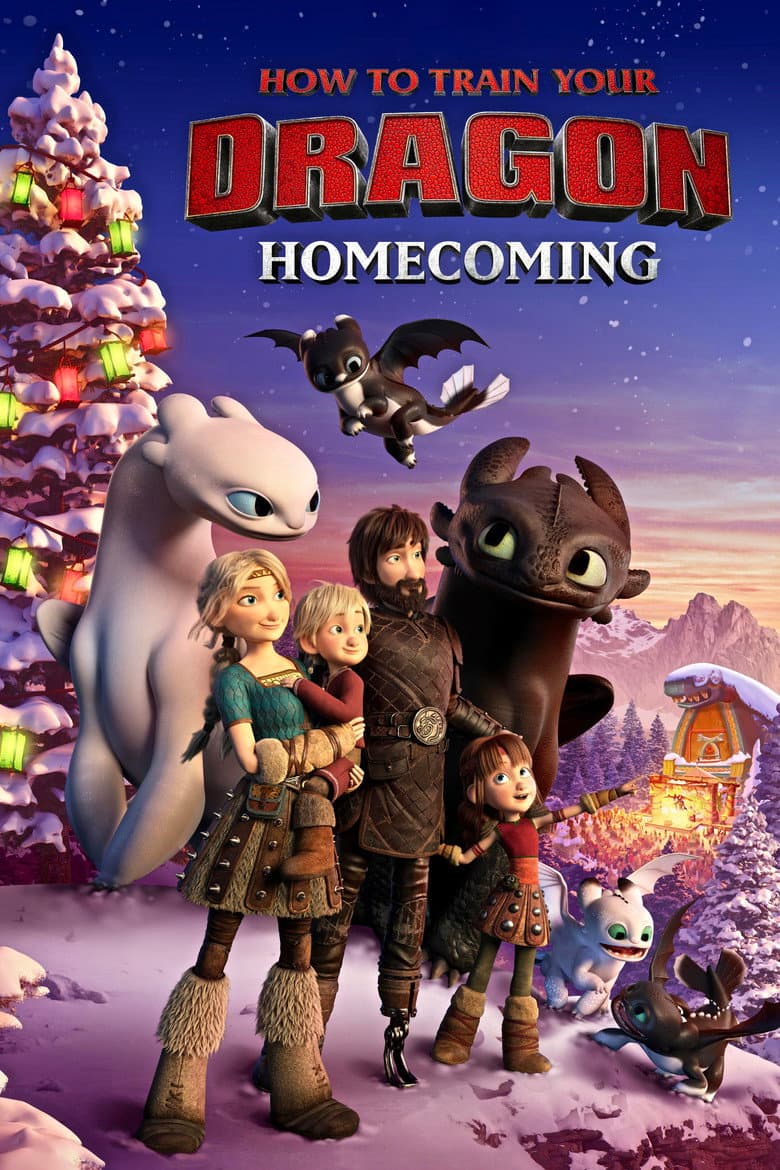
Movie · 2019
It's been ten years since the dragons moved to the Hidden World, and even though Toothless doesn't live in New Berk anymore, Hiccup continues the holiday traditions he once shared…
Movie · 2023
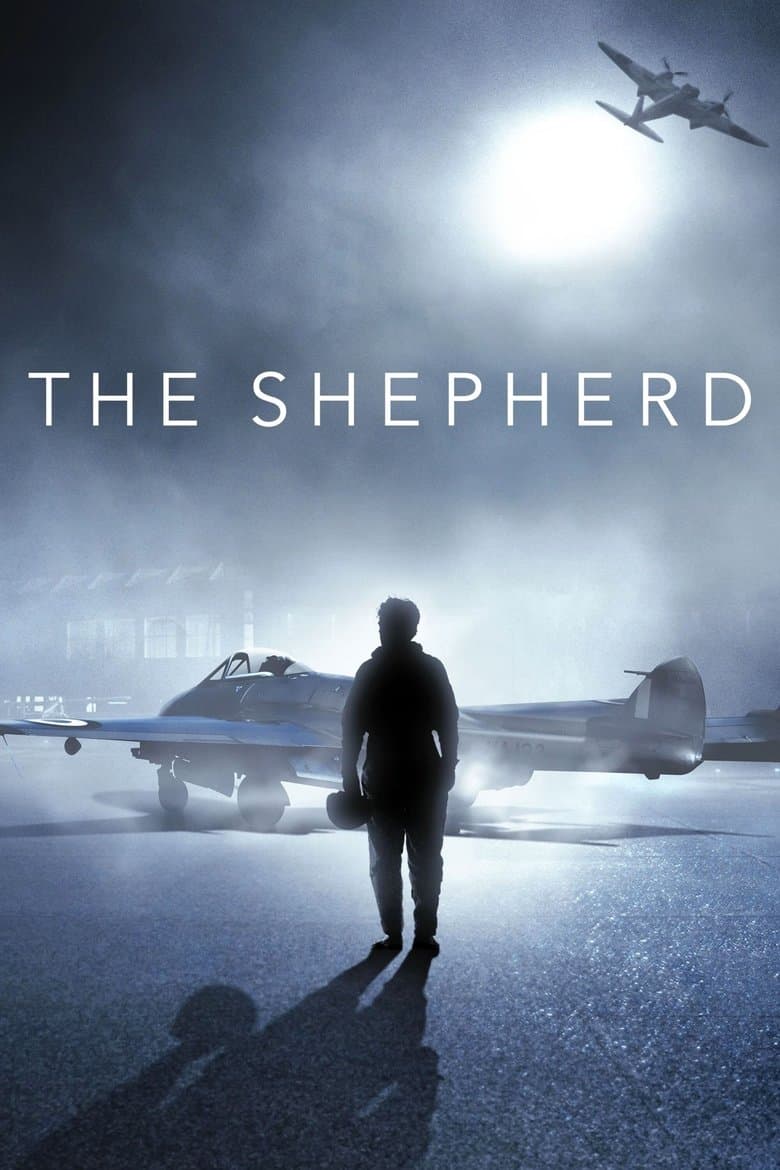
On Christmas Eve, a fighter pilot on his way home becomes lost while flying over water and needs a miracle to land safely.
