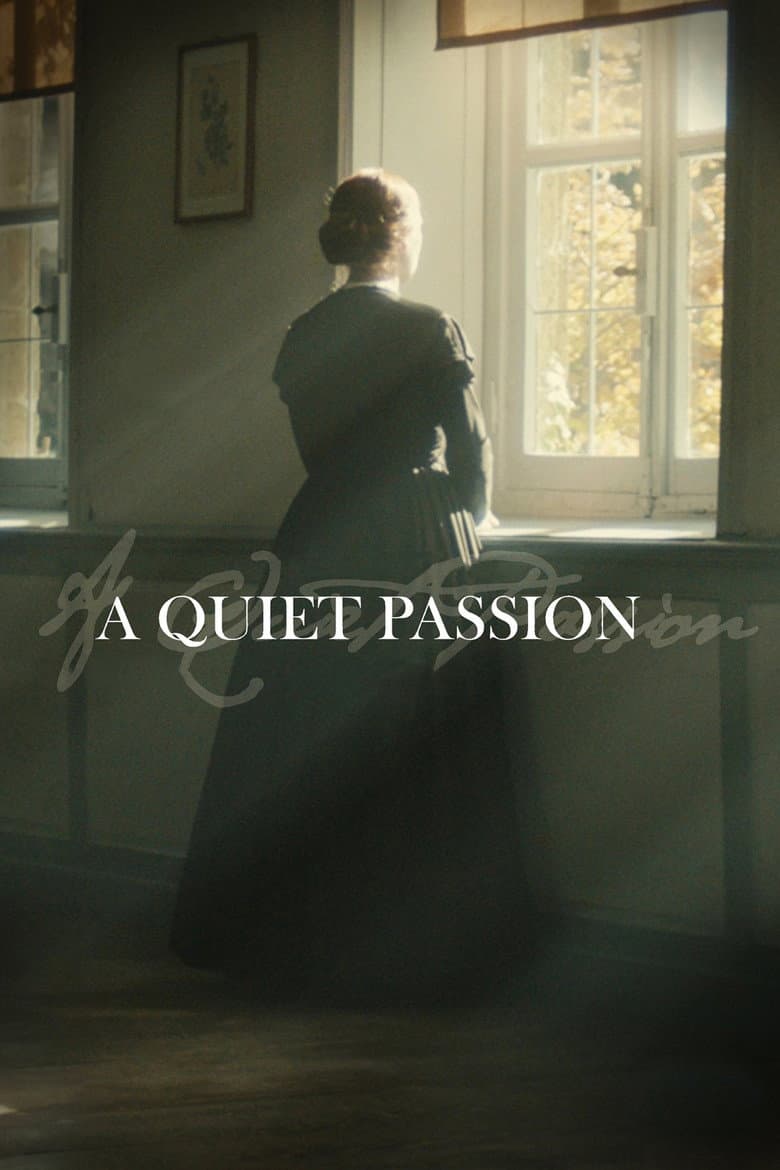
A Quiet Passion follows Emily Dickinson from her years at a girls’ school to her death in the family home in Amherst, Massachusetts. Emily is a gifted poet who wants to protect her private life and her freedom to write. She faces pressure from Christian teachers, family rules, poor health, lost love, and the limits placed on women in the 1800s. The film begins with sharp jokes and lively family talks, then grows darker as Emily becomes ill, lonely, and withdrawn.
The film gives clear weight to women’s freedom, education, work, and choice about marriage. Emily says women should have the same education as men, compares gender conflict with slavery, and refuses love without equality. The story also shows strict Christian teaching and male editors as forces that limit her, while a bold female friend speaks for sexual freedom. These ideas return in several important scenes, but the film remains mainly a sad historical drama about poetry, family, illness, faith, and loneliness.
Community feedback
Was our 50% Woke rating accurate?
Breakdown
These are the editorial factors and ratings behind our score for A Quiet Passion.
Woke representation / casting
Not present. The main cast shows the white Dickinson family and their white Amherst circle in a 19th-century New England setting. The film does not use a diversity-first cast or identity-framed casting.
0%
Woke political dialogue
Emily says women should receive the same education as men. Emily compares gender conflict with slavery in a debate with Austin. Emily also says she wants no love without equality. These lines return in several key talks, but political speech is not the film’s main activity.
42%
Identity-driven story themes
Emily’s life is built around a woman’s fight to write, think, and choose whether to marry. Emily sees marriage as a loss of freedom and treats her poems as a way to keep her own voice. Vryling Buffam brings open talk about women’s independence and sexual freedom. The film also focuses on illness, family, faith, and loneliness, so gender is major but not the only theme.
50%
Western institutional / cultural critique
The film shows a Christian school trying to force Emily into public faith. The film shows male editors and family rules treating women’s writing and choices as lesser. Emily rejects those rules, and the story presents poetry and personal freedom as stronger than obedience. The critique is tied to the 1800s and does not become a broad modern attack on capitalism or Western society.
34%
Woke character or canon changes
The film gives Emily a clear romantic attachment to the married Reverend Wadsworth. The film does not develop the possible romantic bond between Emily and Susan Gilbert, and Davies said he chose not to explore that theory. This is a noticeable choice about the real figure’s sexuality, but the movie does not build a new identity around it.
18%
Anti-woke backlash and complaints
Not present. Public discussion centers on pacing, formal dialogue, acting, historical accuracy, and the film’s treatment of Dickinson. No clear anti-woke complaint about DEI, identity politics, or activist messaging surfaced in the reviewed coverage, and the supplied X pass found none.
0%
Creator track record context
Terence Davies has a low cached score and a record of people-focused stories rather than an activist or DEI-focused public persona. Most producers also have low or mild cached scores. Andrea Gibson has a high cached score from queer and social-justice work, while Geneviève Lemal has a strong record of identity-focused cinema. Those producer records add context, but they do not show that this film was built around their politics.
28%
Production
Movie · 2017
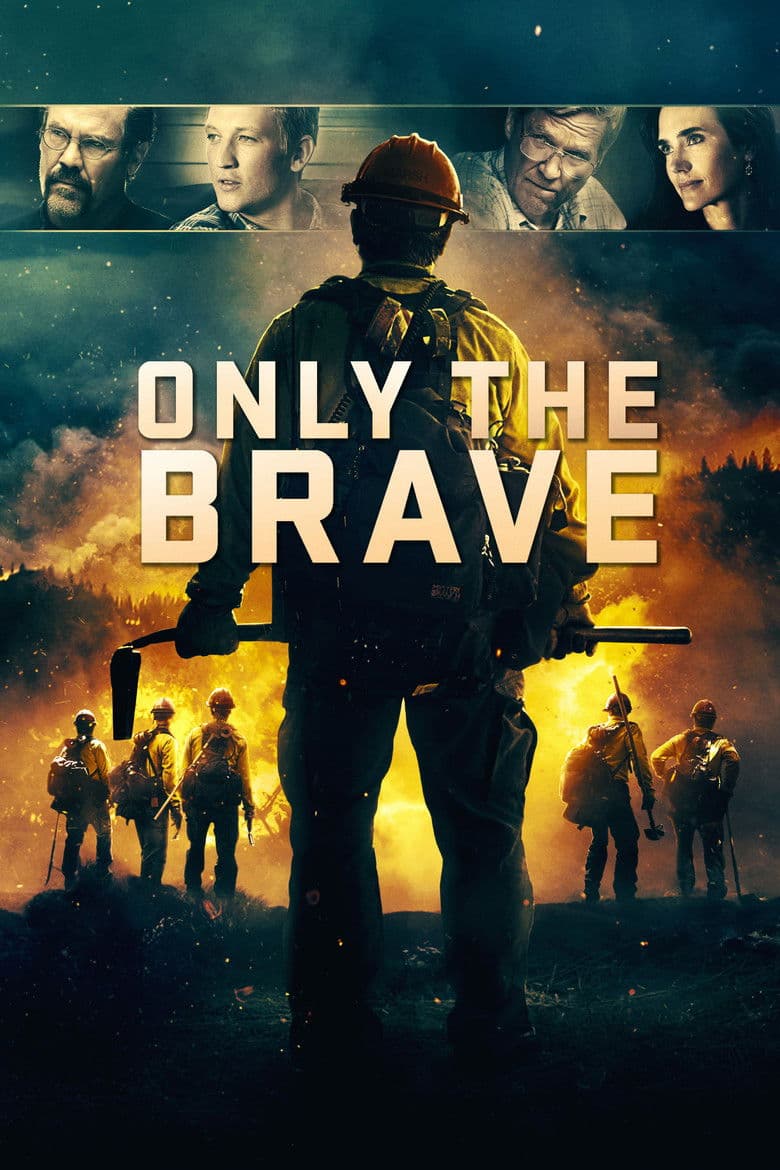
Members of the Granite Mountain Hotshots battle deadly wildfires to save an Arizona town.
Movie · 2020
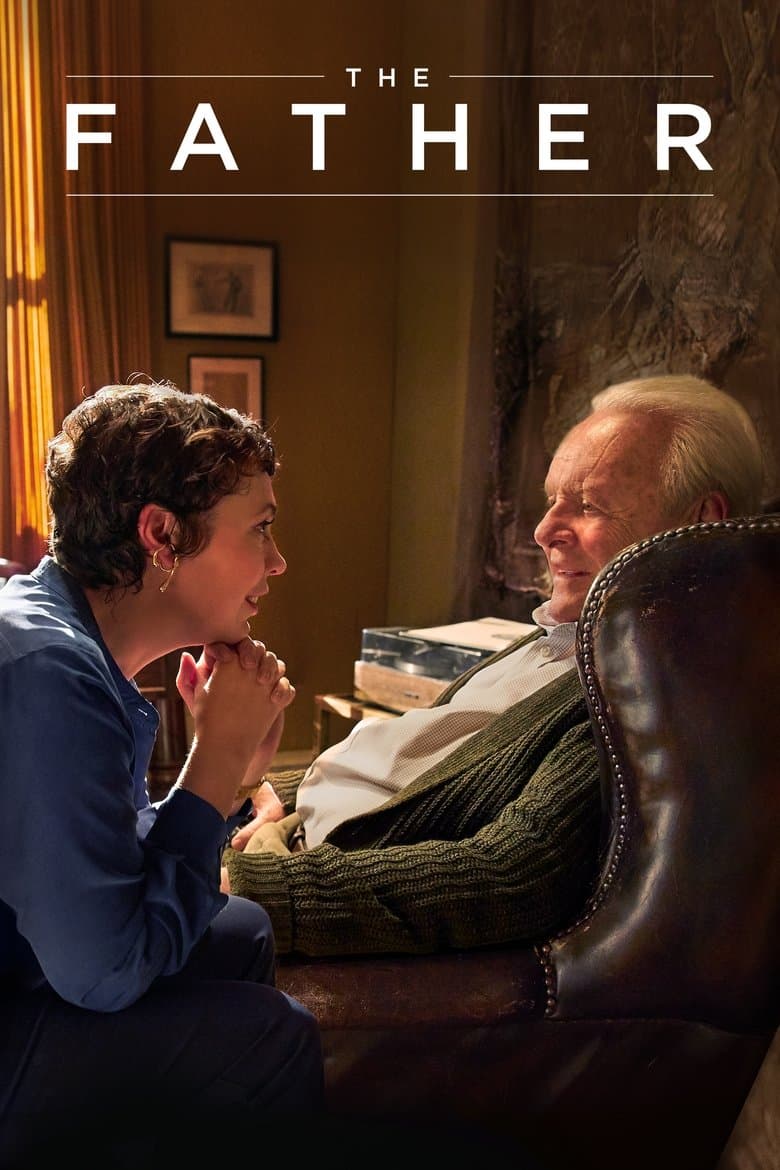
A man refuses all assistance from his daughter as he ages and, as he tries to make sense of his changing circumstances, he begins to doubt his loved ones, his own mind and even…
Movie · 2022
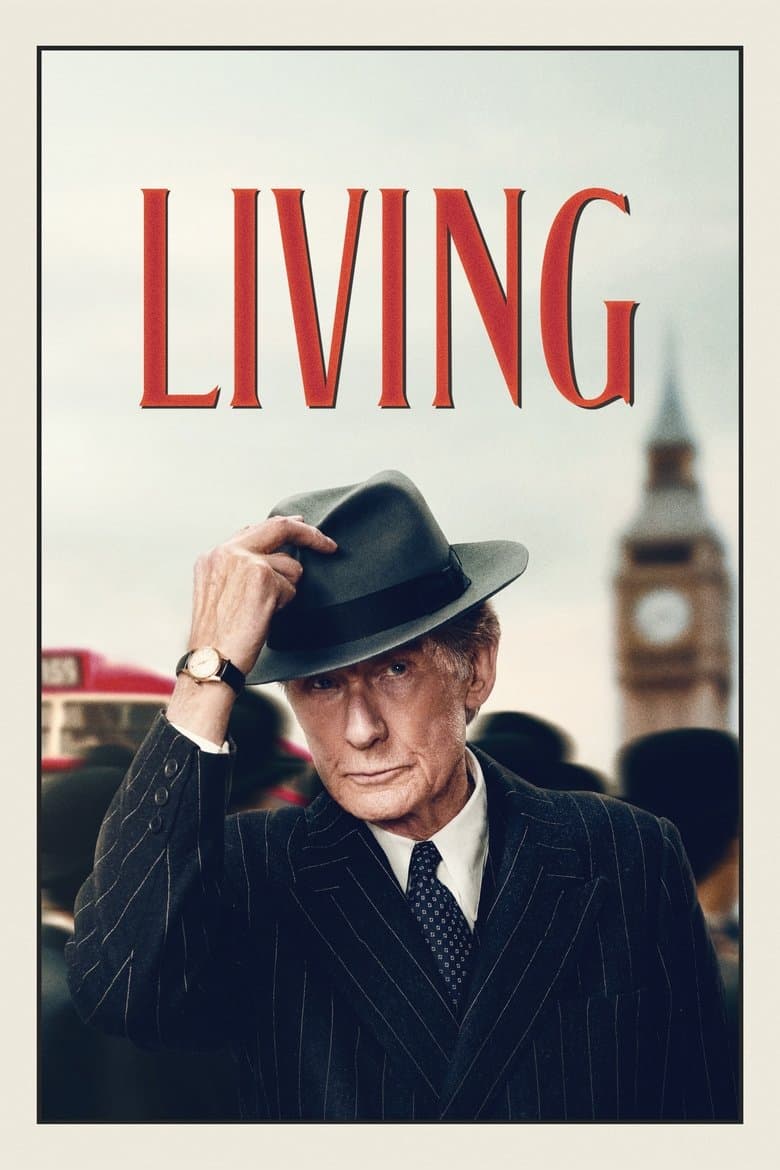
London, 1953. Mr. Williams, a veteran civil servant, is an important cog within the city's bureaucracy as it struggles to rebuild in the aftermath of World War II.
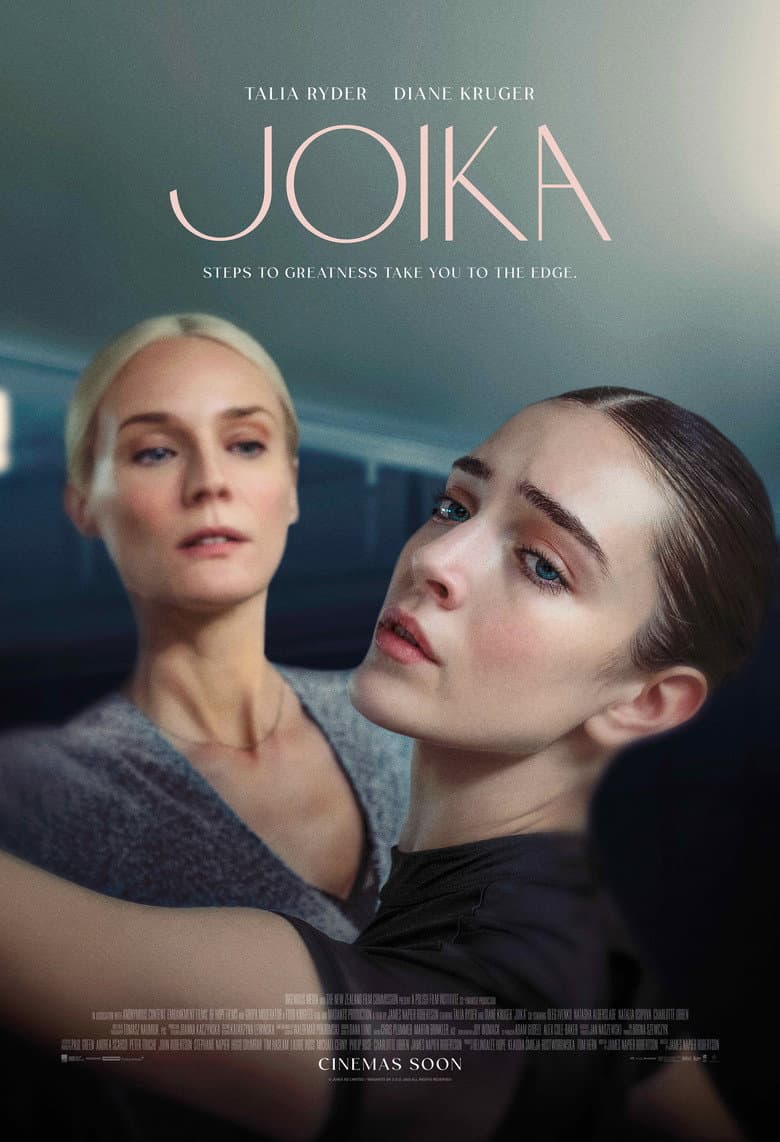
Movie · 2023
American ballet dancer Joy Womack is accepted into Moscow's infamously tough Bolshoi Ballet Academy, with the dream of becoming a great ballerina.

Movie · 2016
After his older brother passes away, Lee Chandler is forced to return home to care for his 16-year-old nephew.
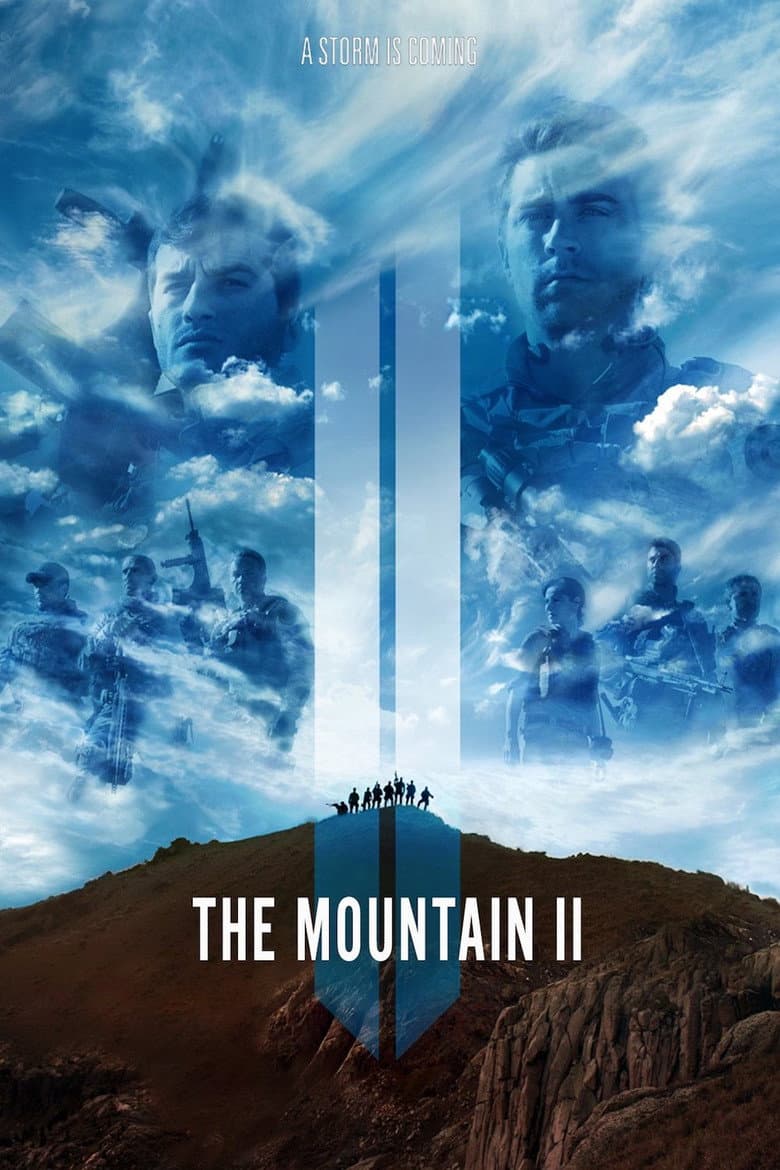
Movie · 2016
In a desolate war zone where screams of the innocent echo, on the very line between disaster and valor, 7 Maroon Berets will dance with death.

Movie · 2023
The true story of the inseparable Von Erich brothers, who made history in the intensely competitive world of professional wrestling in the early 1980s.
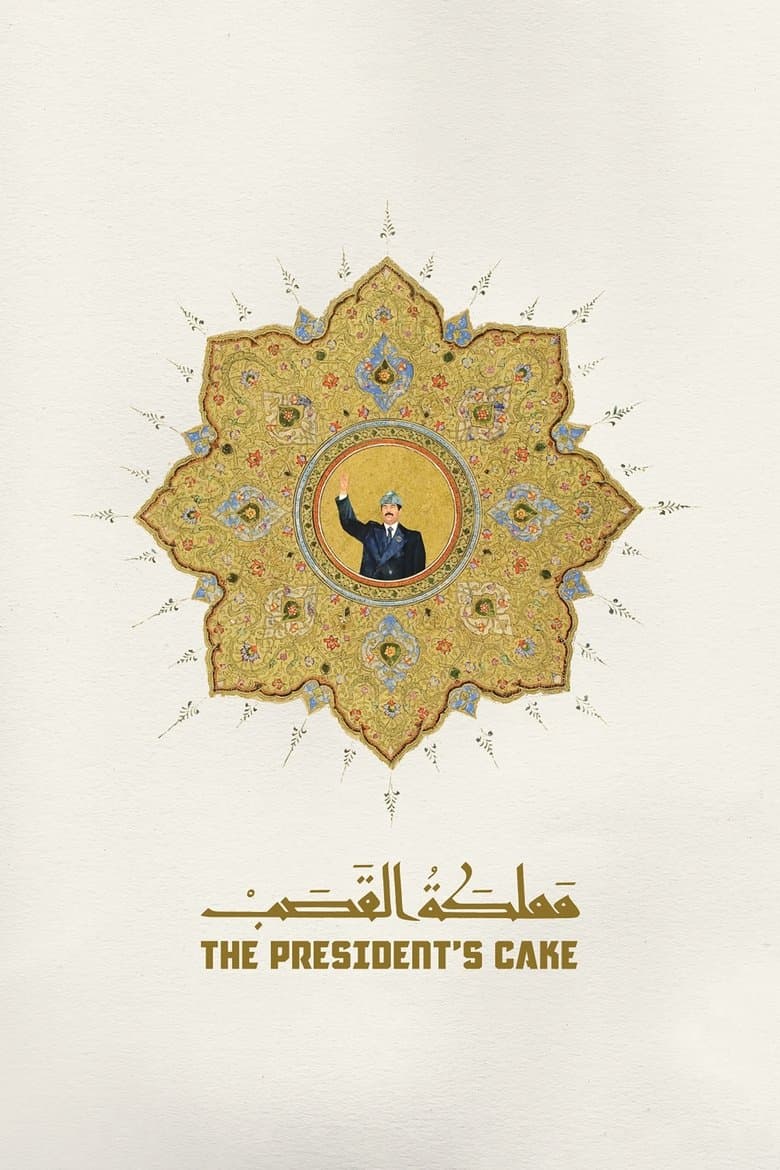
Movie · 2026
While people across 1990s Iraq struggle to survive the war and food shortages, Saddam Hussein requires each school in the country to prepare a cake to celebrate his birthday.
