
James Frey is a young writer whose heavy use of alcohol and drugs leaves him badly hurt and unable to control his life. His family takes him to a treatment center in Minnesota, where he faces painful withdrawal, strict rules, and the fear that one more drink could kill him. He fights the doctors, the counselors, the other patients, and his own anger. The film has a dark, harsh tone, but it moves toward hope as James accepts help and tries to live sober.
The story centers on addiction, recovery, family, friendship, faith, and personal responsibility. James meets Leonard, a former mobster who shares hard lessons about keeping promises, and Lilly, another patient who becomes his love interest. The treatment center uses group meetings, family talks, prayer, and daily work to push patients toward change. The film stresses the hard work of choosing sobriety and accepting help.
Community feedback
Was our 5% Woke rating accurate?
Breakdown
These are the editorial factors and ratings behind our score for A Million Little Pieces.
Woke representation / casting
Not present. The cast includes a black male patient among the rehab residents, but the film does not frame his identity as a message. The prominent roles otherwise follow the story’s American treatment-center setting without a visible diversity campaign.
0%
Woke political dialogue
Not present. The dialogue covers addiction, treatment rules, faith, guilt, and personal choice. James mocks God and questions the program, but the film does not turn those moments into modern identity or activist politics.
0%
Identity-driven story themes
Not present. James’s central struggle is getting sober and accepting help. His bond with Lilly, his family pain, and the patients’ stories support the recovery plot rather than a race, gender, sexuality, or DEI message.
0%
Western institutional / cultural critique
Not present. James challenges strict rules and doubts the treatment center’s success claims. The film presents those clashes as part of rehab and personal recovery, not as a modern attack on Western institutions, family life, or traditional social norms.
0%
Woke character or canon changes
Not relevant. The film adapts a disputed memoir, and its changes are story and presentation choices. No race, gender, sexuality, or identity-related change to an established character or historical figure is central to the film.
0%
Anti-woke backlash and complaints
Not present. Public discussion centers on the memoir scandal, the delayed release, mixed reviews, and the addiction story. The supplied X pass found no anti-woke complaints, and no clear anti-woke complaint appeared in the reviewed news, Reddit, or audience material.
0%
Creator track record context
Sam Taylor-Johnson has a low stored score and no record of political activism. Aaron Taylor-Johnson has no established activist or DEI profile. James Frey has a mild anti-establishment background but no clear identity-politics pattern. Producers Pamela Abdy and Dara Weintraub have credits tied to more identity-focused projects. This gives the title a mild creator track record context signal, but the film itself is not framed around those issues.
24%
Production
Movie · 2025
Diagnosed with Tourette Syndrome at 15, John Davidson navigates his way against the odds through troubled teenage years and into adulthood, finding inspiration in the kindness of…
Movie · 2017
Members of the Granite Mountain Hotshots battle deadly wildfires to save an Arizona town.
Movie · 2016
On 15 January 2009, the world witnessed the 'Miracle on the Hudson' when Captain 'Sully' Sullenberger glided his disabled plane onto the Hudson River, saving the lives of all 155…
Movie · 2016
In a desolate war zone where screams of the innocent echo, on the very line between disaster and valor, 7 Maroon Berets will dance with death.
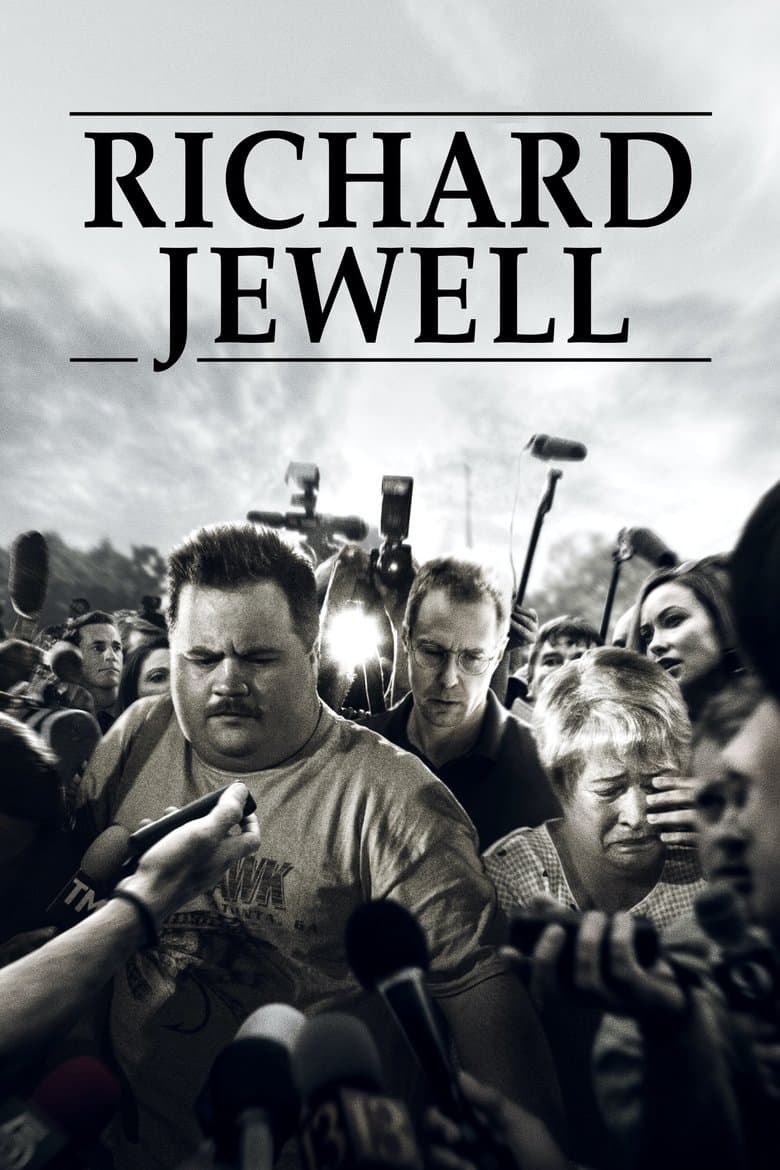
Movie · 2019
Richard Jewell thinks quick, works fast, and saves hundreds, perhaps thousands, of lives after a domestic terrorist plants several pipe bombs and they explode during a concert…
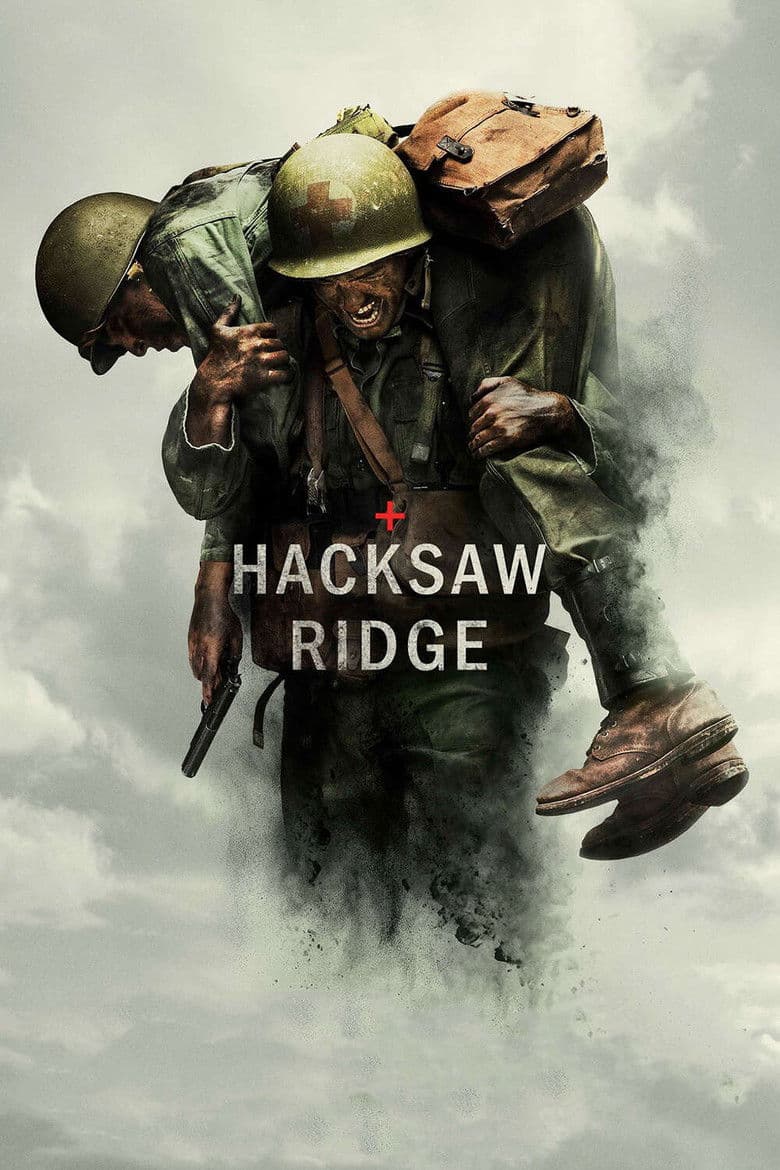
Movie · 2016
WWII American Army Medic Desmond T. Doss, who served during the Battle of Okinawa, refuses to kill people and becomes the first Conscientious Objector in American history to…
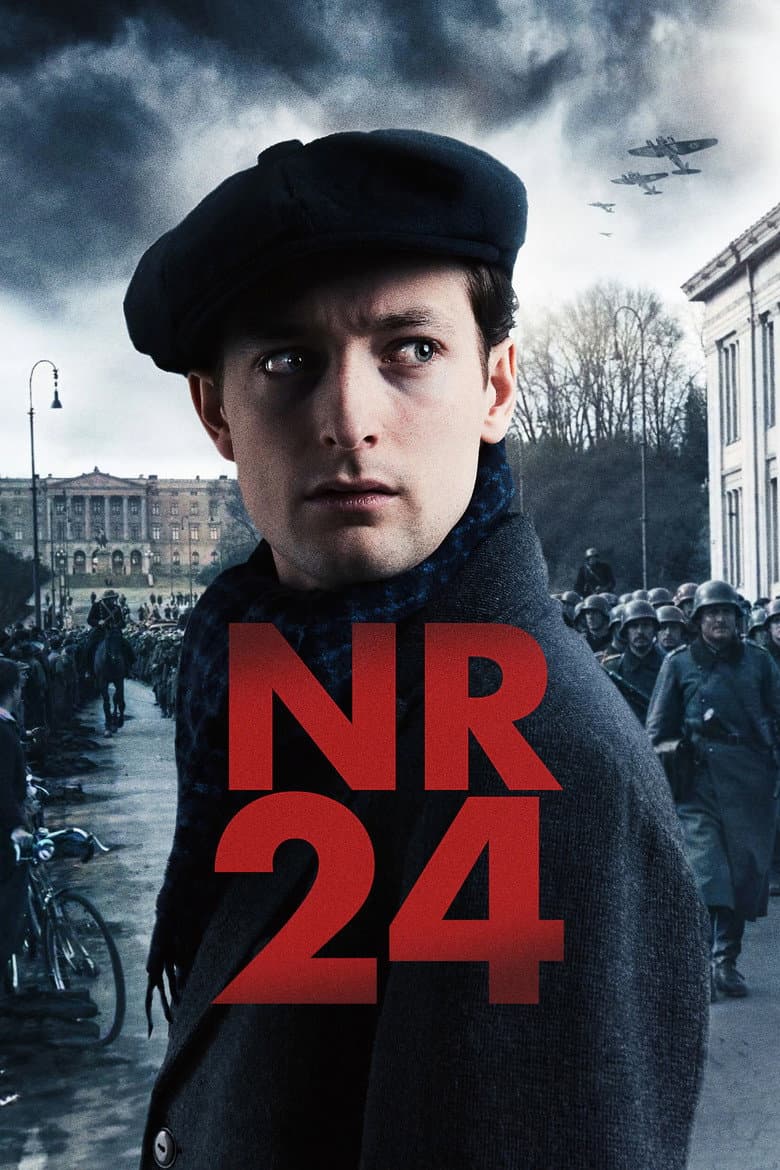
Movie · 2024
On the brink of the Second World War, a young Norwegian man's drive to resist the Nazis sets a new course for his future – and the future of his country.

Movie · 2016
After his older brother passes away, Lee Chandler is forced to return home to care for his 16-year-old nephew.
