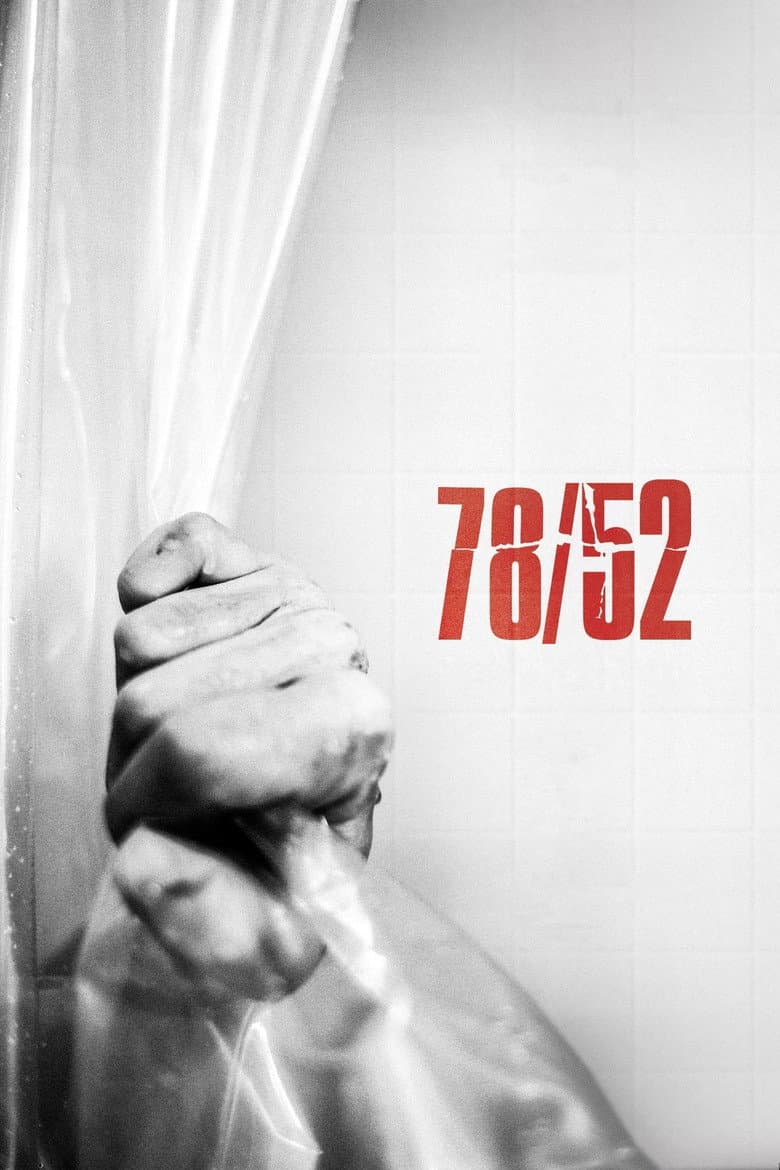
The main subject is the shower murder of Marion Crane in Alfred Hitchcock’s Psycho. The film moves between recreated Bates Motel rooms, old clips, and interviews as it asks why the scene changed movie fear and film technique. It studies the camera setups, quick cuts, music, sound, lighting, storyboards, and the work of Janet Leigh’s body double, Marli Renfro. The mood is tense, curious, and playful, with filmmakers, actors, editors, and film fans explaining why a short scene became so famous.
The documentary gives some attention to the way a woman is watched, sexualized, attacked, and removed as the story’s first main character. It discusses female bodies under attack, women becoming less central in older movies, sexual shame, adultery, motherhood, and the idea that Marion is punished for making Norman Bates feel desire. It also looks at the old family model in which mothers stay home and care for children, while Catholic ideas of sin help explain Psycho’s mood. These points are recurring parts of the film’s reading of the scene, but the larger focus stays on filmmaking skill, fear, suspense, and the history of cinema.
Community feedback
Was our 26% Woke rating accurate?
Breakdown
These are the editorial factors and ratings behind our score for 78/52.
Woke representation / casting
The documentary gives women a visible place among its interview subjects, including Karyn Kusama, Illeana Douglas, Jamie Lee Curtis, and Marli Renfro. Philippe says he wanted female voices so the scene would not be seen only through a male gaze. The film still uses more male than female speakers and does not present a broad diversity campaign. This identity framing is noticeable but limited to the interview lineup.
24%
Woke political dialogue
Several speakers discuss women’s place in older movies. One speaker calls the shower scene an image of a female body under attack. Another speaker says women became secondary in movies. Other speakers link Marion’s death to sexual shame and punishment. The film does not turn these comments into a current political speech.
24%
Identity-driven story themes
The documentary repeatedly studies the scene through sex, secret watching, and the treatment of women. It says Marion is punished after her affair and connects the shower to guilt and sexual shame. It also discusses mothers, home life, and the loss of a female lead early in Psycho. The film uses these ideas in its reading of an old movie, but it does not build a full modern activist message.
30%
Western institutional / cultural critique
The film calls the 1950s family model frightening. It notes that mothers were often shown as people who only cared for home and children. It also says that Catholic ideas of sin help explain Psycho’s violence and guilt. These comments criticize older social rules, but they do not attack today’s Western institutions.
15%
Woke character or canon changes
Not relevant. The documentary analyzes Psycho without rewriting its characters, casting, or story. It does not present an identity-based swap or change to a real historical figure.
0%
Anti-woke backlash and complaints
Not present. No anti-woke complaint, boycott, or review-bombing about DEI, identity politics, or activist messaging was found in the reviewed sources. The supplied X pass also reports no anti-woke reaction.
0%
Creator track record context
Not present. The supplied creator summaries describe film-history and pop-culture work without a recurring DEI or identity-politics focus. Philippe’s title-related comments about including female voices are limited to this film and do not show a wider activist track record.
0%
Production
Movie · 2018
As his life comes to its end, famous Hollywood director Orson Welles puts it all on the line at the chance for renewed success with the film The Other Side of the Wind.
Movie · 2019
An Iraqi journalist joins an army of uneasy allies and unforgettable characters in the epic battle to liberate the city of Mosul from the Islamic State.
Movie · 2016
Supersonic charts the meteoric rise of Oasis from the council estates of Manchester to some of the biggest concerts of all time in just three short years.
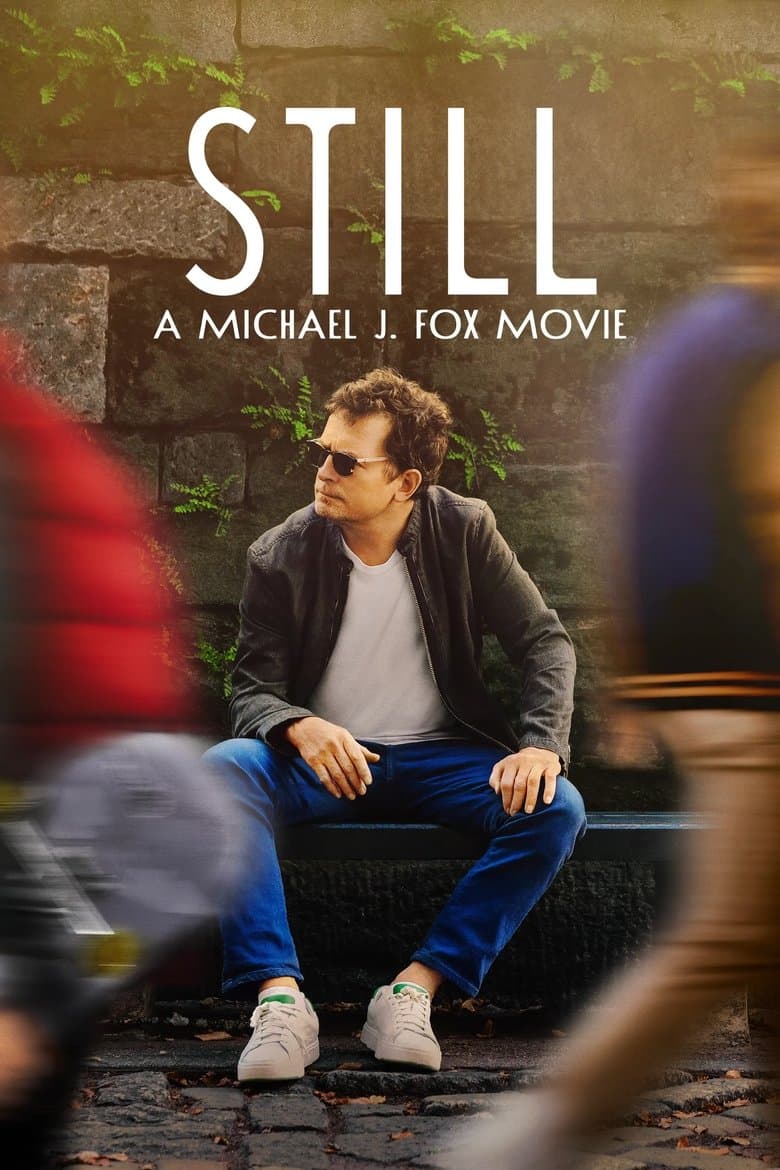
Movie · 2023
A short kid from a Canadian army base becomes the international pop culture darling of the 1980s—only to find the course of his life altered by a stunning diagnosis.
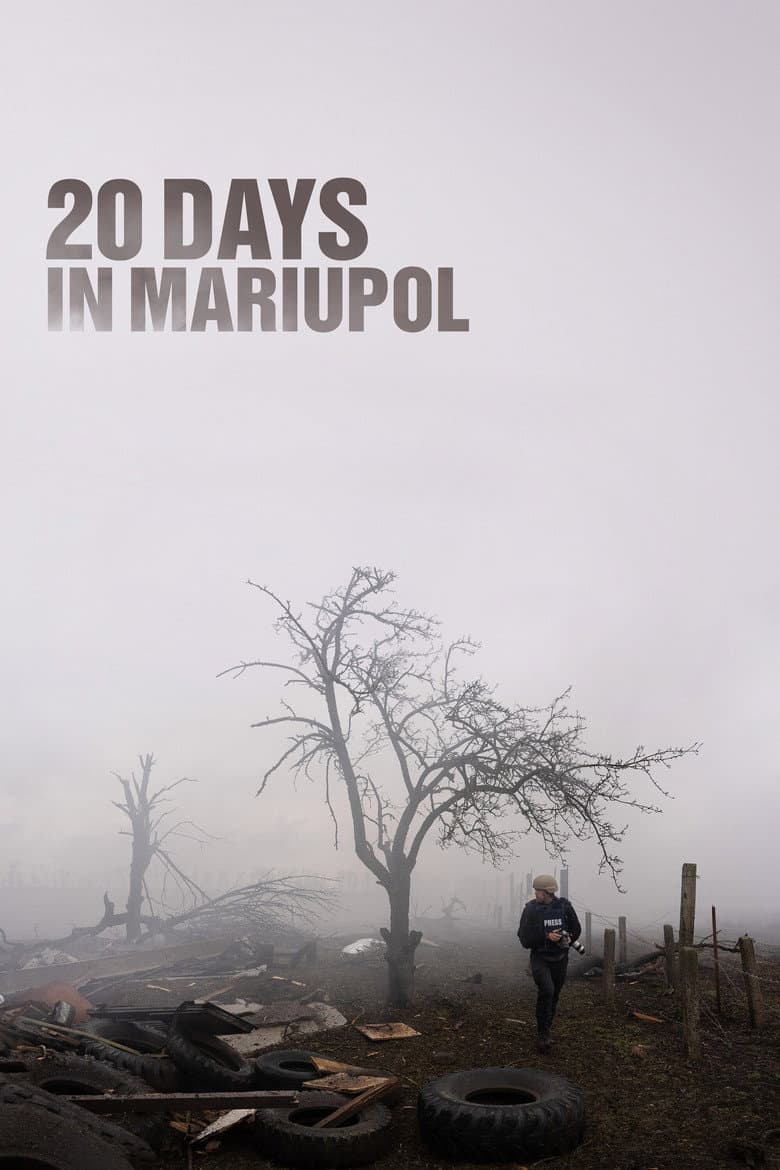
Movie · 2023
As the Russian invasion begins, a team of Ukrainian journalists trapped in the besieged city of Mariupol struggle to continue their work documenting the war's atrocities.
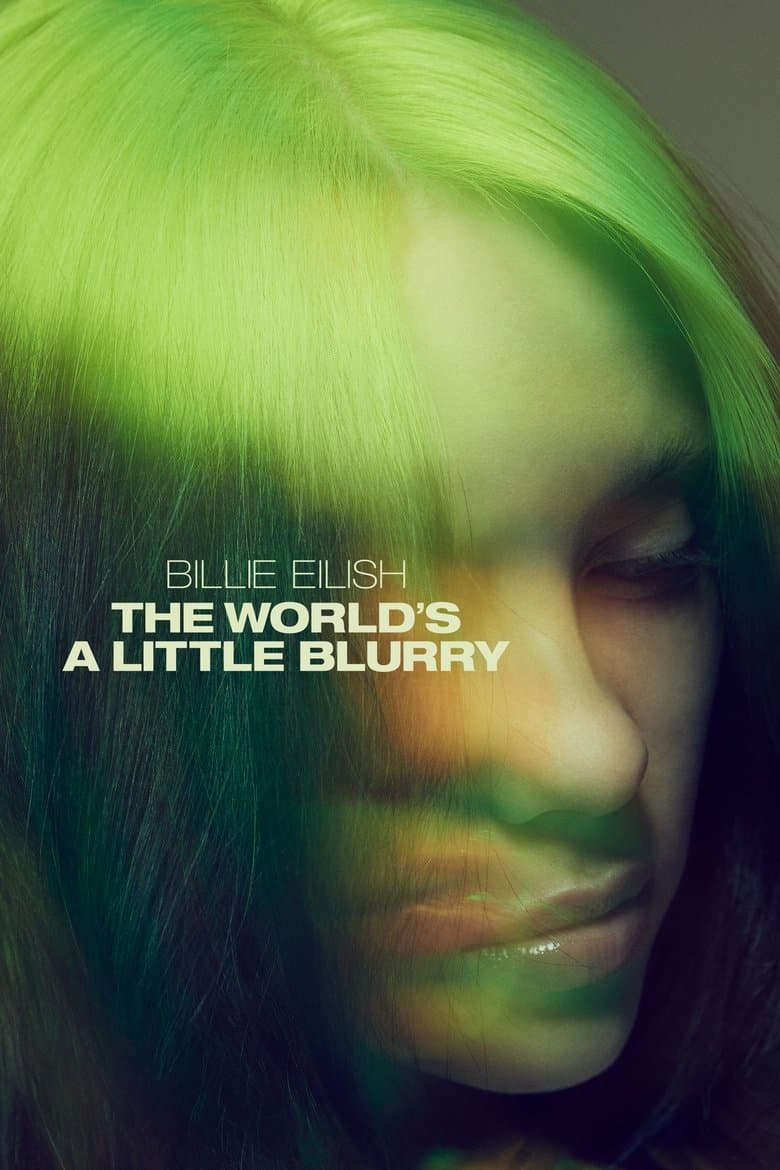
Movie · 2021
This documentary offers a deeply intimate look at extraordinary teenager Billie Eilish. Award-winning filmmaker R.J.
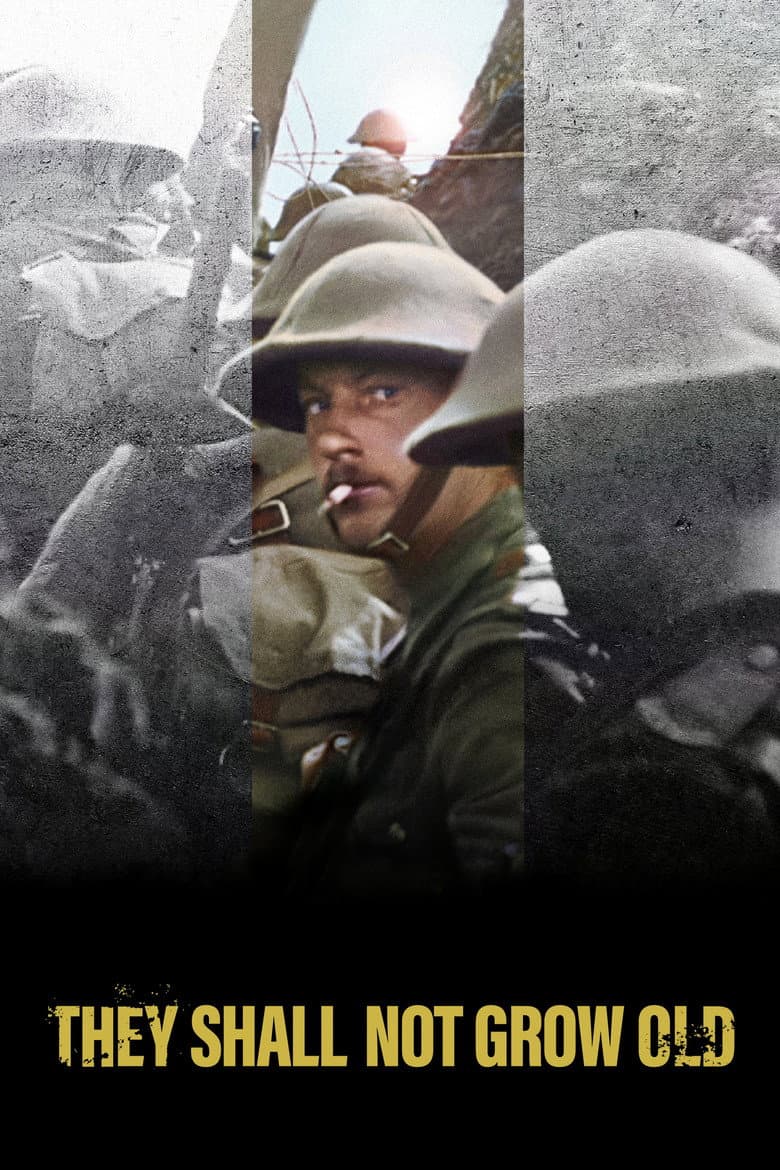
Movie · 2018
A documentary about World War I with never-before-seen footage to commemorate the centennial of Armistice Day, and the end of the war.
Movie · 2018
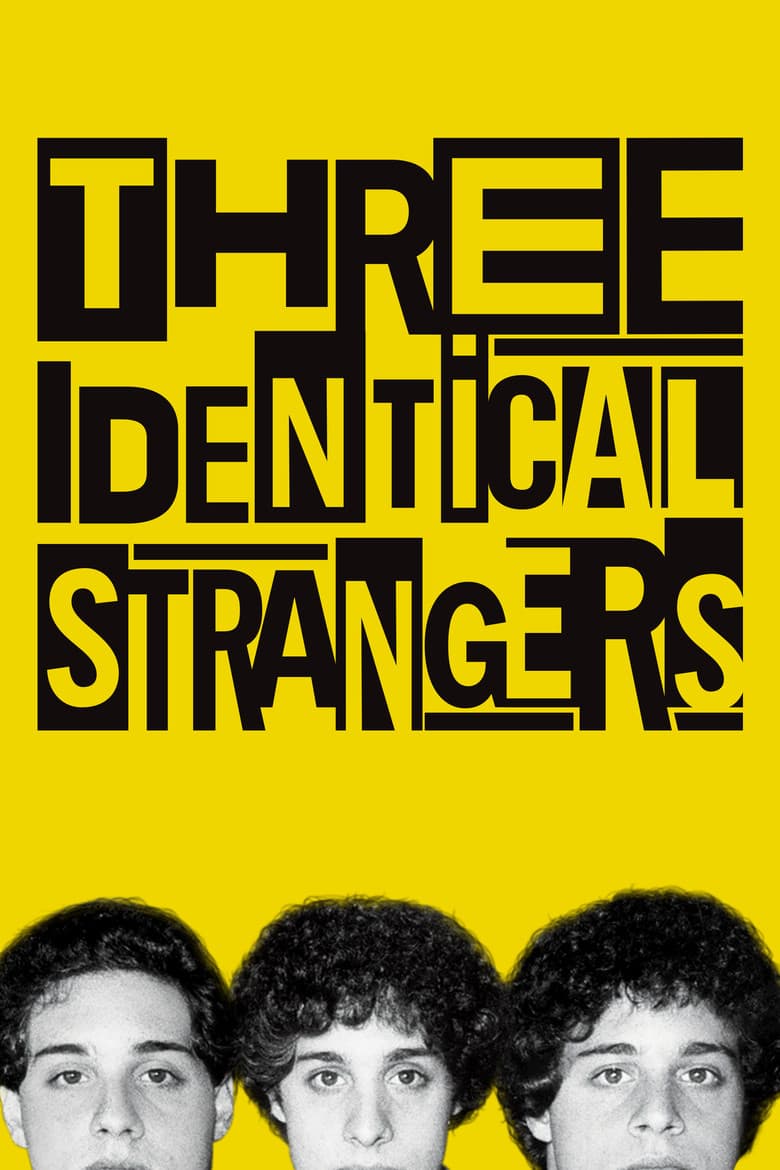
New York, 1980. Three complete strangers accidentally discover that they're identical triplets, separated at birth.
