Started February 14, 2020 · Ended · Based on 1 season, 8 episodes through March 6, 2020 · TV-MA · 55 min · Italian
ZeroZeroZero follows five tons of cocaine from Mexico to Italy through a shipping company in New Orleans. The story moves across Mexico, the United States, Italy, Senegal, and Morocco as sellers, buyers, and brokers fight to keep the deal alive. Emma Lynwood runs the family business with her father, while her brother Chris faces Huntington's disease and is pulled into the dangerous trip. The show is grim, violent, tense, and often focused on family loyalty, money, power, and betrayal.
The clearest woke element is Emma's place as a tough woman leading a business and making hard choices in a crime world ruled mostly by men. The show gives her major control, while Chris is sheltered, sick, and often less sure of himself. This gender-role contrast appears across the season, but the plot does not turn into a speech about feminism, diversity, or identity politics. Most of the story stays focused on cocaine, corruption, crime families, illness, religion, and the damage caused by greed.
Community feedback
Was our 36% Woke rating accurate?
Breakdown
These are the editorial factors and ratings behind our score for ZeroZeroZero.
Woke representation / casting
Emma Lynwood runs the New Orleans family shipping company and remains a main decision maker through the season. The show places a woman in a powerful crime-broker role that is usually given to men. Andrea Riseborough's interview calls Emma a deliberate flip of traditional gender roles and says the character was created from scratch for the series. The international cast fits the places shown, so the main score comes from the prominent gender-role choice rather than a broad diversity pattern.
38%
Woke political dialogue
Not present. The dialogue centers on cocaine, money, crime, family, illness, religion, and survival. The season does not show clear modern DEI, gender-activist, or identity-political speeches.
0%
Identity-driven story themes
Emma leads a major crime business while her father treats Chris as too weak to take part. The show repeatedly contrasts Emma's hard control with Chris's illness, fear, and emotional openness. The story uses that contrast to reverse some expected male and female roles. The season still treats family loyalty, crime, and survival as the main themes, so the identity element is noticeable but not central.
30%
Western institutional / cultural critique
The show links the legal shipping company to the illegal cocaine trade. It shows corrupt soldiers, police pressure, and crime families working inside the same money system. The season treats the drug business as part of the wider global economy. This is a bleak system critique, but it does not become a clear attack on Western culture or a call for modern activist politics.
24%
Woke character or canon changes
Not relevant. The series is based on a nonfiction book about the cocaine trade, and the main characters were created for the series. No identity swap involving an established character or real historical figure is reported.
0%
Anti-woke backlash and complaints
Not present. The separate X search found no anti-woke complaints, boycott talk, or right-leaning defense of the show. Wider reviews and audience posts discussed violence, pacing, realism, and quality instead of DEI or identity politics.
0%
Creator track record context
Most key creators have little record of activist or identity-politics work. Roberto Saviano has a stronger public record of anti-mafia and anti-authoritarian work, but his focus is crime and civic accountability. Cached casting notes describe Laura Muccino and Mary Vernieu as supportive of representation and fair chances in casting. These signals give the show some social context, but they do not show a strong identity-politics track record across the whole team.
28%
Production
TV Show · 2019
Gypsy Blanchard struggles to deal with the toxic relationship with her overprotective mother, but her attempts to free herself lead to murder.
TV Show · 2022
New York mafia capo Dwight "The General" Manfredi is released from prison after 25 years and exiled by his boss to set up shop in Tulsa, Oklahoma.
TV Show · 2025
Two lifelong friends in Philadelphia pose as DEA agents to rob small-time drug dealers. It's a perfect grift—until they choose the wrong mark and become targets of a massive…
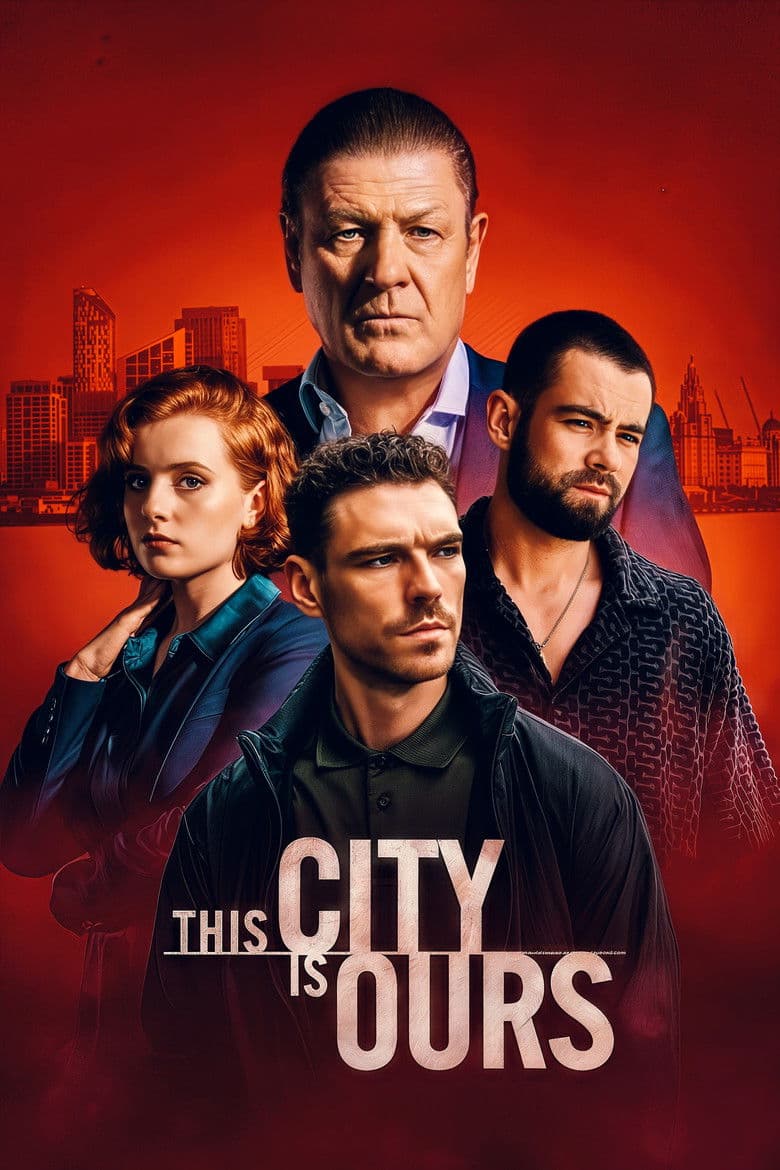
TV Show · 2025
Notorious gang boss Ronnie (Sean Bean) steps back from his criminal empire, triggering a violent power struggle between his volatile son Jamie (Jack McMullen) and trusted…
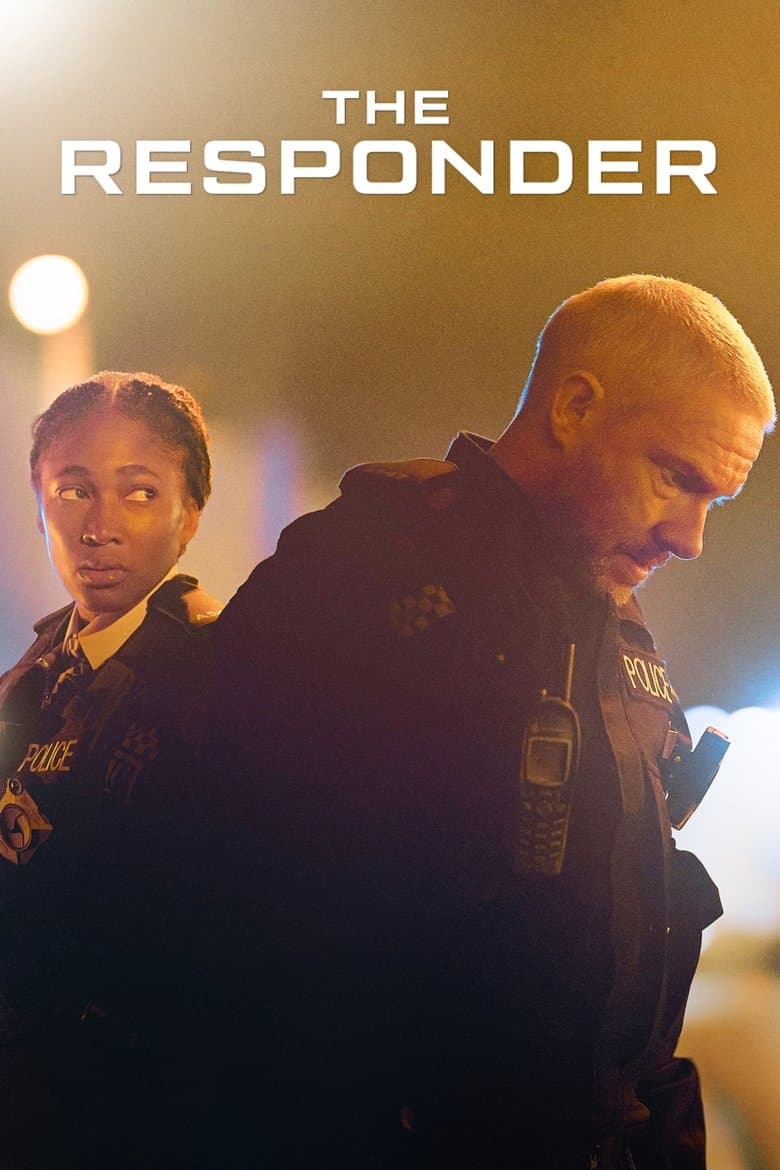
TV Show · 2022
Under pressure, fraying at the edges. In relentless night-time Liverpool, copper Chris is paired with a rookie. Will they save or destroy each other?
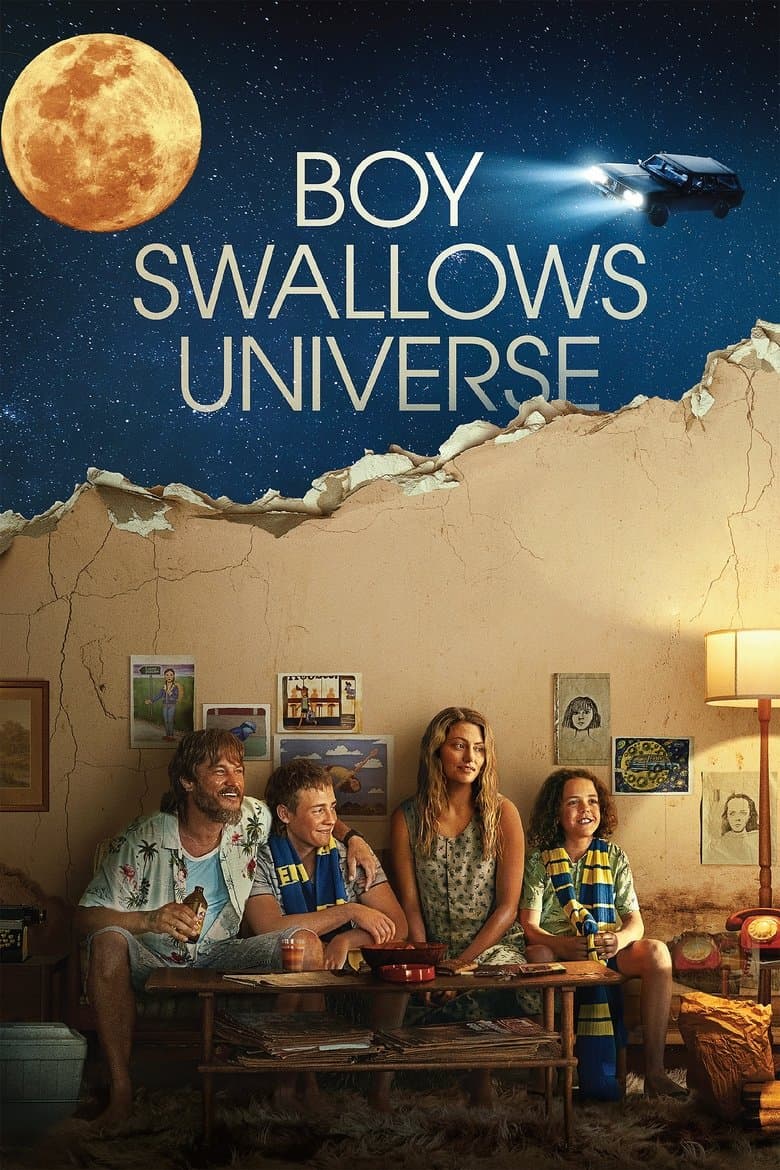
TV Show · 2024
A young boy growing up in the suburbs of 1980s Brisbane faces the harsh realities of life — and the looming dangers that threaten his family.
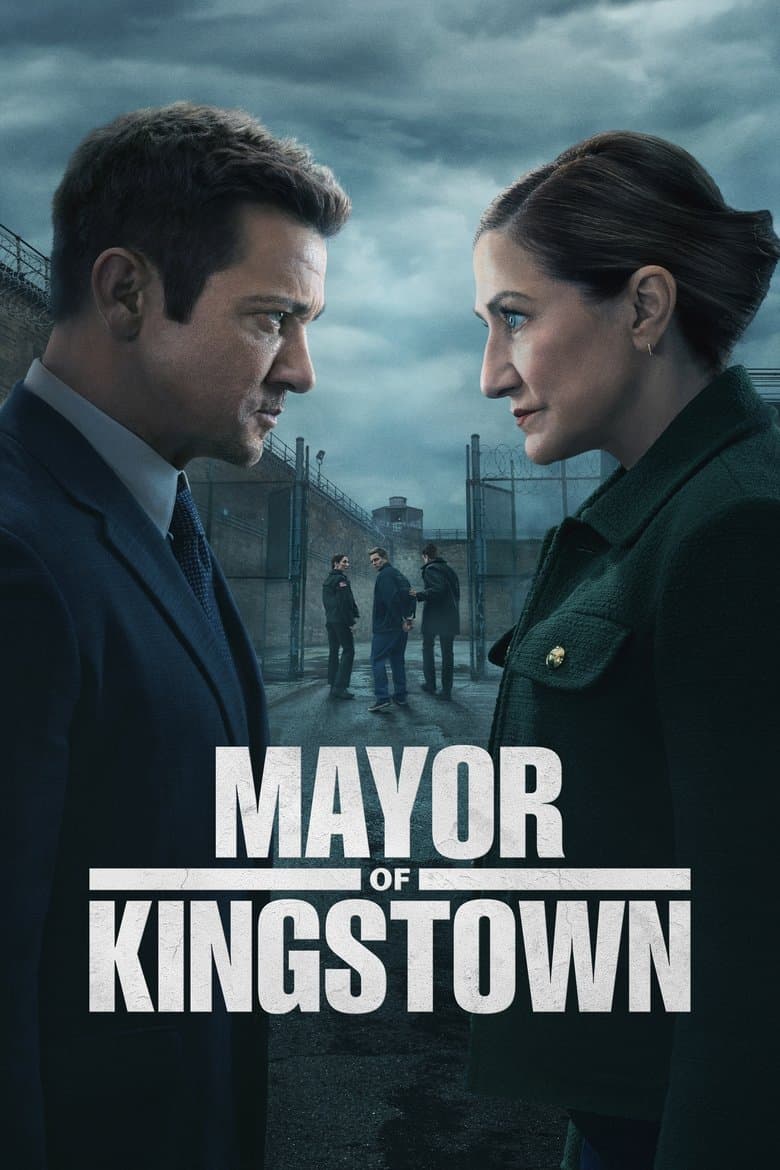
TV Show · 2021
In a small Michigan town where the business of incarceration is the only thriving industry, the McClusky family are the power brokers between the police, criminals, inmates…
TV Show · 2019
Two detectives are dispatched to investigate the murder of a young girl on the outskirts of Dublin, but as the case of the missing children intensifies, both are forced to…
