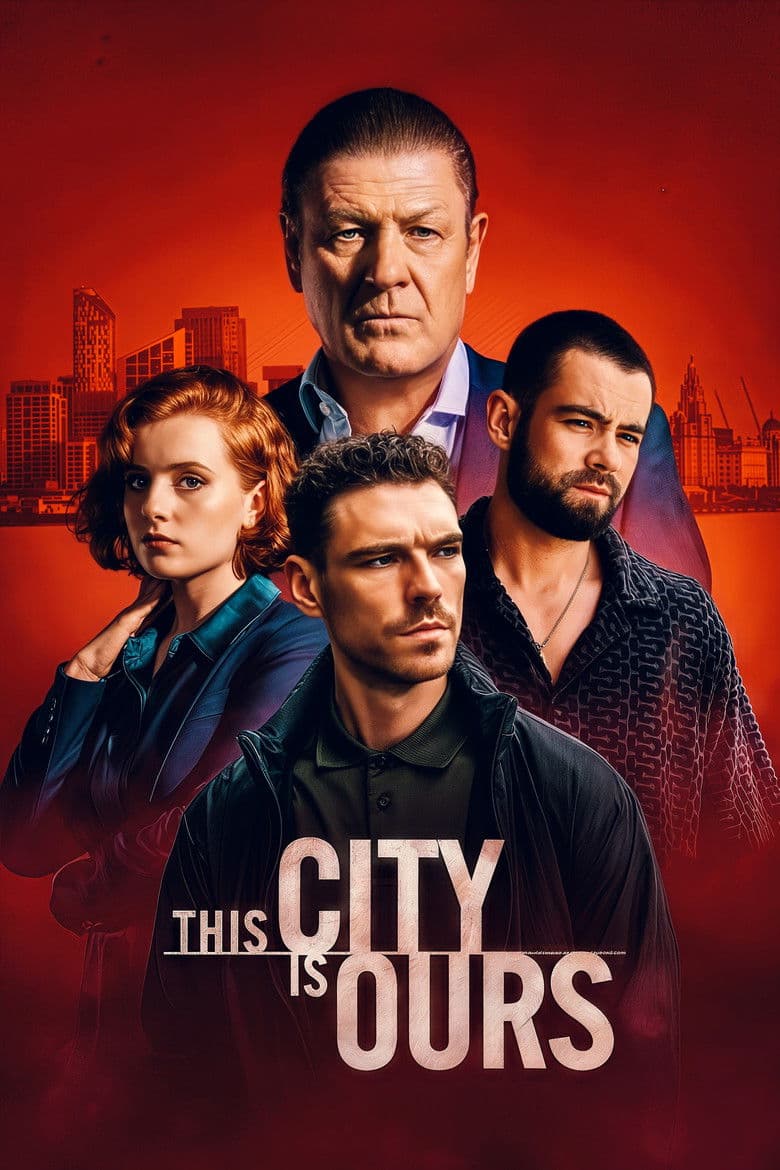
Started March 23, 2025 · Returning Series · Based on 1 season, 8 episodes through May 11, 2025 · TV-MA
Michael Kavanagh has spent his adult life helping Ronnie Phelan move cocaine through Liverpool. When Ronnie plans to retire, his son Jamie tries to take the business, while Michael wants to leave the gang and start a family with Diana. The struggle moves between Liverpool and Spain and brings murder, betrayal, threats, and a fight for control. The show is a dark crime drama with dry jokes, family gatherings, and a sad love story.
The show gives several women strong roles inside a crime world usually led by men. Elaine helps steer the family business, Rachel controls money and seeks more power, and Cheryl and Diana make choices that affect the gang's future. The story also shows male pride, violence, and control hurting the people around them, while some women warn that the men bring nothing good. These ideas recur across the season, but the story stays focused on crime, family, love, and revenge instead of current identity politics.
Community feedback
Was our 27% Woke rating accurate?
Breakdown
These are the editorial factors and ratings behind our score for This City Is Ours.
Woke representation / casting
The main cast mostly fits a present-day Liverpool crime family, and there is no clear ethnic or religious mismatch. The show gives Elaine, Rachel, Melissa, Cheryl, and Diana visible power over the gang's choices. Elaine becomes a family leader, while Rachel controls the money and seeks a larger role. Coverage also presents these women as having more agency than women in many mob dramas, which adds a mild representation signal.
26%
Woke political dialogue
Not present. The characters talk about crime, family, loyalty, money, and power. The season has no recurring speeches about current activist causes, identity politics, or party politics.
0%
Identity-driven story themes
The show repeatedly gives women a stronger place in a male-led crime world. Elaine, Rachel, Cheryl, and Diana make decisions that shape the gang, its money, and its future. The story also follows IVF, motherhood, and the harm caused by violent men. These themes are important, but the season does not turn them into a clear modern identity-politics message.
22%
Western institutional / cultural critique
The show repeatedly links male status and power with violence, pride, control, and damage to families. Michael wants a home with Diana but keeps choosing gang power, and Diana asks him to leave. Cheryl warns that there is nothing good about the men around them. The story does not attack Christianity, capitalism, or ordinary family life, so this critique remains narrow.
22%
Woke character or canon changes
Not relevant. The show is an original fictional crime story. It does not change an established character, source, or real historical figure.
0%
Anti-woke backlash and complaints
Not present. Audience complaints focused on accents, sound, pacing, music, the ending, and comparisons with other crime dramas. No clear complaint said that the show pushed woke, DEI, or identity-politics content.
0%
Creator track record context
Most of the key creatives have limited public evidence of activist or identity-driven politics. Jo McClellan has a stronger representation-focused track record through work about black British identity, queer families, and LGBTQ+ relationships. Interviews about this show focus on love, family, crime, and power rather than activist messaging. The combined creator context is low to mild.
24%
Production
TV Show · 2022
New York mafia capo Dwight "The General" Manfredi is released from prison after 25 years and exiled by his boss to set up shop in Tulsa, Oklahoma.
TV Show · 2019
Gypsy Blanchard struggles to deal with the toxic relationship with her overprotective mother, but her attempts to free herself lead to murder.
TV Show · 2022
Under pressure, fraying at the edges. In relentless night-time Liverpool, copper Chris is paired with a rookie. Will they save or destroy each other?
TV Show · 2022
Bosch is now making a living as a private investigator two years after he quit the LAPD and finds himself working with one time enemy and top-notch attorney Honey “Money”…

TV Show · 2016
17-year-old Joshua "J" Cody moves in with his freewheeling relatives in their Southern California beach town after his mother dies of a heroin overdose.

TV Show · 2024
A young boy growing up in the suburbs of 1980s Brisbane faces the harsh realities of life — and the looming dangers that threaten his family.
TV Show · 2020
New Orleans judge Michael Desiato is forced to confront his own deepest convictions when his son is involved in a hit and run that embroils an organized crime family.

TV Show · 2025
When a prison transport plane crashes in the remote Alaskan wilderness—freeing dozens of violent inmates—the region's lone marshal must protect the town he's vowed to keep safe.
