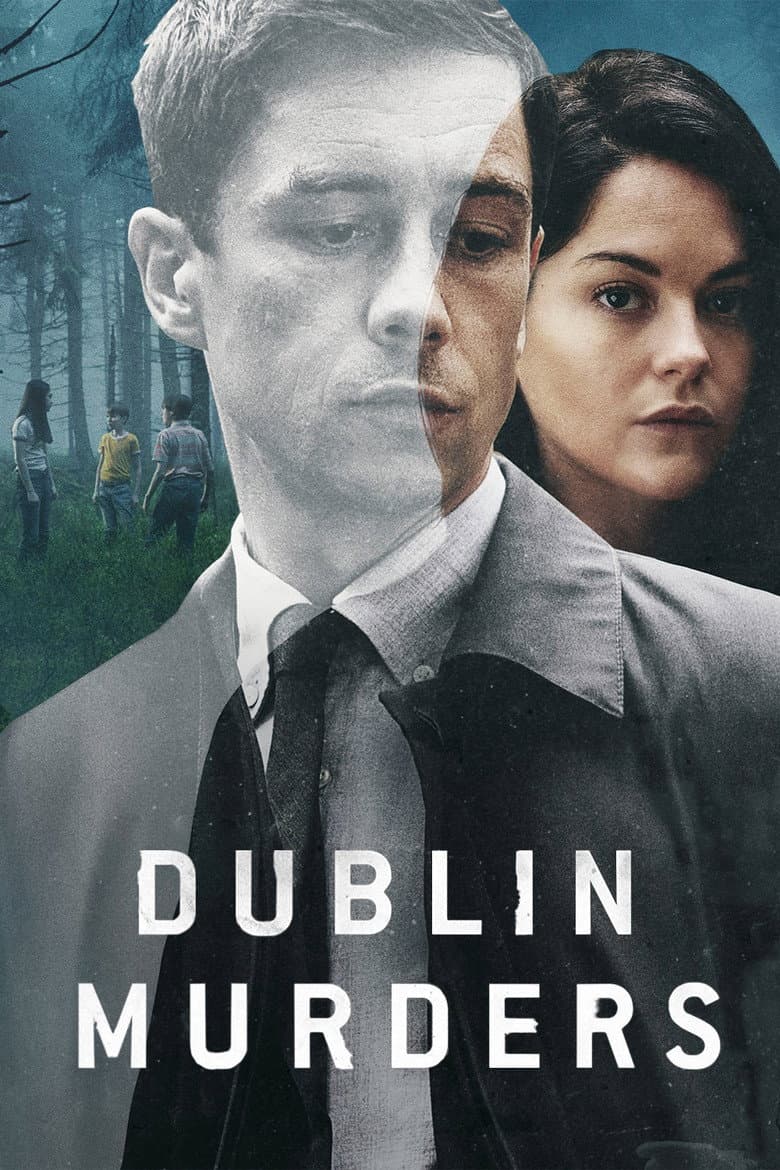
Started October 14, 2019 · Ended · Based on 1 season, 8 episodes through November 5, 2019 · TV-MA · 60 min
Two police detectives investigate the murder of Katy Devlin, a young girl found near an old forest outside Dublin in 2006. Rob Reilly returns to a place tied to his childhood, when two friends vanished and he was found alive with no memory of what happened. Cassie Maddox is his close partner, but a second murder forces her to work undercover as a dead woman who looks just like her. The season mixes a grim police case with old secrets, damaged families, strange folklore, and a dark, uneasy mood.
The show gives major weight to Cassie as a skilled detective who can lead an investigation and take dangerous undercover work. It also makes male sexual violence and the harm done to women and girls central to the past and present cases. A police boss treats female detectives as objects, and Cassie challenges him instead of accepting the insult. The story also shows class and English privilege through Rob's power over a poor Irish witness, but these ideas support the crime plot rather than becoming a broad political campaign.
Community feedback
Was our 29% Woke rating accurate?
Breakdown
These are the editorial factors and ratings behind our score for Dublin Murders.
Woke representation / casting
Not present. Cassie is a female detective in an Irish crime story, but the show does not frame her casting as a diversity statement. The main cast fits the Irish setting and the source characters.
0%
Woke political dialogue
One scene calls Rob a privileged Englishman after he insults a poor Irish witness. Cassie links his power and class background to the harm he caused. A police boss also makes a crude remark about female detectives and their looks. These moments are brief and serve the case, so they do not become a continuing political message.
17%
Identity-driven story themes
Gendered abuse shapes the main mystery because a 1985 rape helps explain the later murder and the family's damage. A second case follows a woman taking another woman's identity after a brutal killing. Cassie is shown as a skilled detective who takes dangerous undercover work and rejects sexist treatment. These themes recur through the season, but the show presents them as personal crime and trauma rather than a broad identity campaign.
28%
Western institutional / cultural critique
The police boss reduces female detectives to their looks and faces no strong punishment for the insult. Rob is called a privileged Englishman after he mistreats a poor Irish witness, which brings class and national power into the case. The show also presents male sexual violence as a cause of lasting family harm. These points recur around the investigations, but the series does not attack Western culture, Christianity, or ordinary family life.
25%
Woke character or canon changes
Not relevant. The season combines two novels and changes their order, but this is a story structure choice. The changes do not replace a known character or event for identity reasons.
0%
Anti-woke backlash and complaints
Not present. The supplied X research found no anti-woke reaction or named complaint. News and viewer reports focused on the confusing ending, open mysteries, atmosphere, and acting rather than woke or DEI claims.
0%
Creator track record context
Sarah Phelps often writes complex women and speaks about how women are judged for sex and behavior. Tana French's crime books often center women detectives and power between men and women. Title interviews focused on lies, memory, identity, Irish history, folklore, and the economic crash, not activist or DEI goals. The other cached creators show little public identity activism, so the context is mixed and moderate.
29%
Production
TV Show · 2025
Notorious gang boss Ronnie (Sean Bean) steps back from his criminal empire, triggering a violent power struggle between his volatile son Jamie (Jack McMullen) and trusted…
TV Show · 2017
Detective John Cardinal attempts to uncover the mystery of what happened to the missing 13-year-old girl whose body is discovered in the shaft-head of an abandoned mine.
TV Show · 2025
Two lifelong friends in Philadelphia pose as DEA agents to rob small-time drug dealers. It's a perfect grift—until they choose the wrong mark and become targets of a massive…
TV Show · 2022
New York mafia capo Dwight "The General" Manfredi is released from prison after 25 years and exiled by his boss to set up shop in Tulsa, Oklahoma.
TV Show · 2025
When a prison transport plane crashes in the remote Alaskan wilderness—freeing dozens of violent inmates—the region's lone marshal must protect the town he's vowed to keep safe.
TV Show · 2022
Lucy wakes every night at exactly 3:33am. Nothing in her life has made sense for a long time. But the answers are out there, somewhere, at the end of a trail of brutal murders.
TV Show · 2018
Ray Shoesmith is a father, ex-husband, boyfriend and best friend: tough roles to juggle in the modern age. Even harder when you’re a criminal for hire.
TV Show · 2018
The harrowing true story of the 1993 standoff between the FBI, ATF and the Branch Davidians, a spiritual sect led by David Koresh in Waco, TX that resulted in a deadly shootout…
