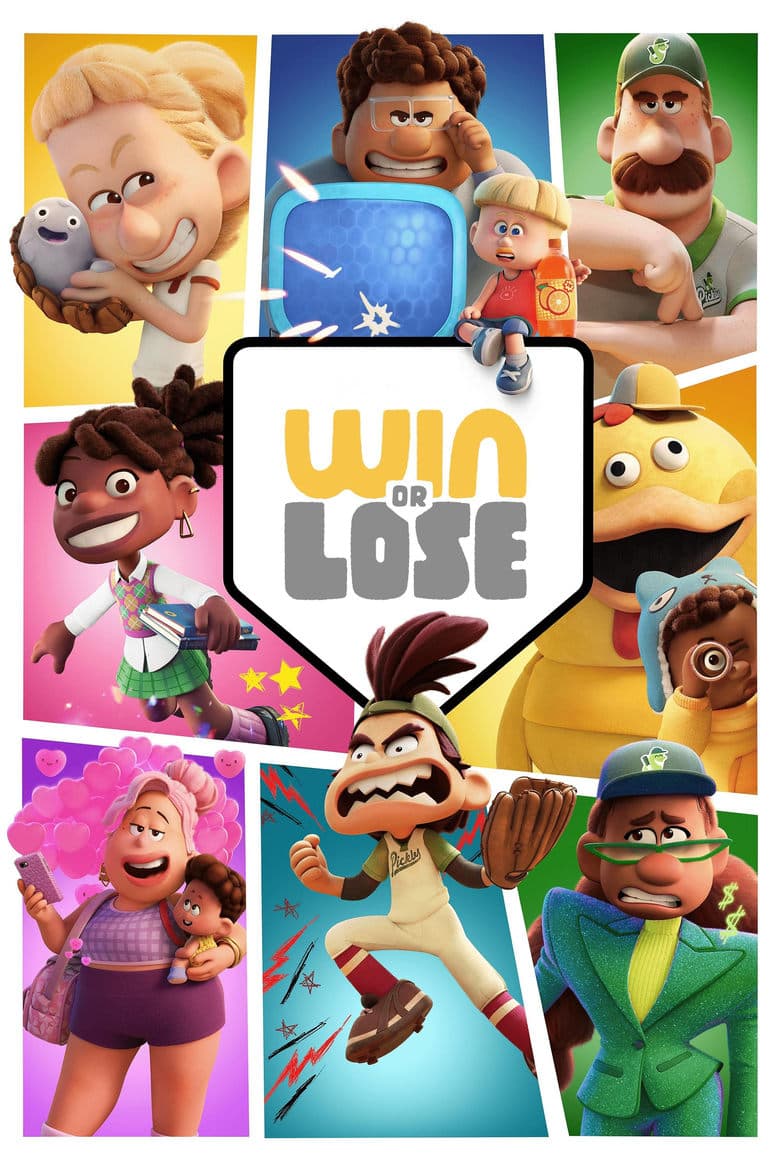
Started February 19, 2025 · Ended · Based on 1 season, 8 episodes through March 12, 2025 · TV-PG
Win or Lose follows Coach Dan and the Pickles, a middle school softball team in an ordinary American town. The team has one week before a championship game, and each episode shows that week through a different player, parent, teacher, umpire, or coach. Laurie worries that she is not good enough for her father, while Rochelle faces money trouble, Frank faces a breakup, and Coach Dan faces divorce and a fight over his job. The tone moves between jokes, strange visual ideas, family stress, and warm team moments.
The clearest identity-focused material is Kai's story in episode seven. Kai leaves baseball for a co-ed softball team, crosses out an old name on her glove, hides old pictures, and hears that she represents more than herself. The aired show never says that Kai is transgender, but these details support a quiet trans identity reading. The season also uses a very mixed team of White, Black, Asian, and multiracial children, plus a disabled character, but the modern setting makes that a mild representation signal rather than the main subject.
Community feedback
Was our 36% Woke rating accurate?
Breakdown
These are the editorial factors and ratings behind our score for Win or Lose.
Woke representation / casting
The main team includes White, Black, Asian, and multiracial children, and important players include Rochelle, Kai, Taylor, and Yuwen. A disabled character also appears in the wider team group. The show makes this broad mix visible across the season, but it does not present the casting as an activist statement. The modern American setting makes the choice plausible, so the signal stays mild.
20%
Woke political dialogue
Not present. The characters talk about softball, family, dating, money, cheating, and self-doubt. No character gives a modern activist or partisan speech.
0%
Identity-driven story themes
The show gives Kai the season's clearest identity-focused story. Kai moves from baseball to co-ed softball, crosses out an old name on her glove, hides old photos, and faces pressure to be perfect. Kai's father says that she represents more than herself, which ties her stress to who she is, not only to sports. The aired story never says Kai is transgender, but these visual clues support a trans reading. This theme is central to one episode and carries into the finale, but it does not drive the whole season.
35%
Western institutional / cultural critique
Not present. The story shows parents, coaches, social media, and school rules causing personal problems. It does not present men, families, religion, or Western institutions as broken through a modern activist message.
0%
Woke character or canon changes
Not relevant. Win or Lose is an original Pixar story with no older character or source canon being changed.
0%
Anti-woke backlash and complaints
Conservative posts celebrated Disney removing Kai's planned transgender storyline and called it a win against “go woke, go broke.” Right-leaning news and social posts framed the change as conservatives winning a fight over what parents should discuss with children. A few smaller voices still complained that Kai's reworked story and Francis's close behavior toward Frank left identity hints. The reaction had notable reach, but no clear boycott, review-bombing drive, or long campaign against the finished show appeared.
35%
Creator track record context
Michael Yates has publicly stressed showing black characters with different experiences and helped shape cultural material in Soul. Carrie Hobson and Lou Hamou-Lhadj have little or no similar public record. The producers and most casting leads have low-profile records, while Kate Hansen-Birnbaum has discussed inclusive auditions at Pixar. The team therefore has some representation context but not a strong activist pattern.
28%
Production

TV Show · 2021
A series of shorts that follows the humorous misadventures of Dug, the lovable dog from Disney and Pixar’s “Up.” Each short features everyday events that occur in Dug's backyard…
TV Show · 2018
Bluey is an inexhaustible six year-old Blue Heeler dog, who loves to play and turns everyday family life into extraordinary adventures, developing her imagination as well as her…
TV Show · 2022
Follow the misadventures of the impulsive Cuphead and his cautious but persuadable brother Mugman in this animated series based on the hit video game.
TV Show · 2024
Riley is growing up and when her memories need some extra processing, Joy and the rest of the Core Emotions send them to Dream Productions.
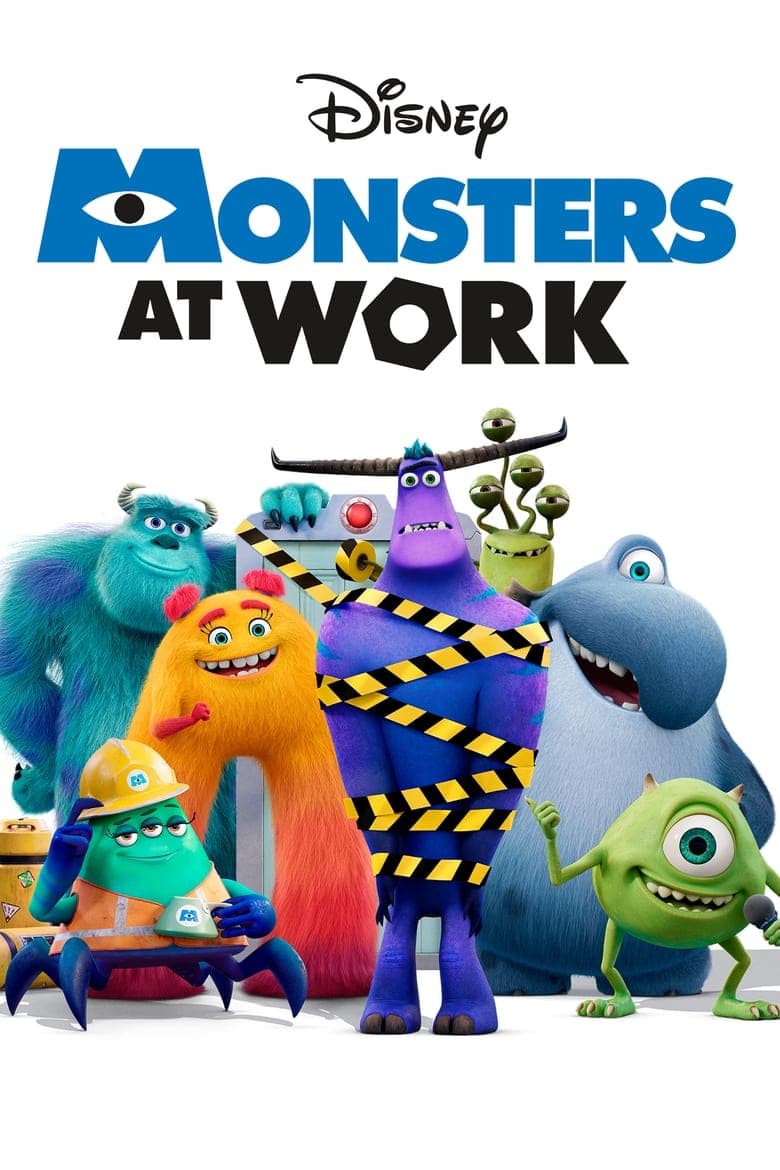
TV Show · 2021
Ever since he was a kid, Tylor Tuskmon has dreamed of becoming a Scarer just like his idol James P. Sullivan, and now that dream is about to come true... or not.
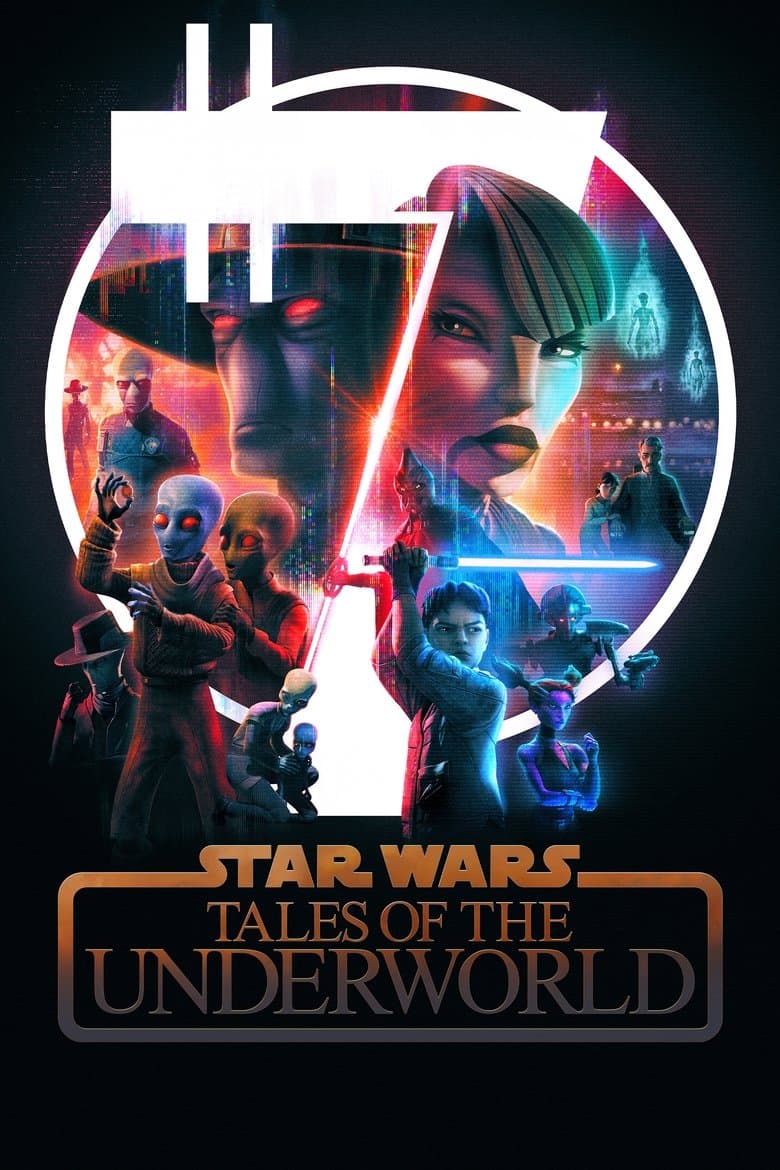
TV Show · 2025
Two outlaws must navigate the galaxy's dangerous underworld as they chart their destinies.
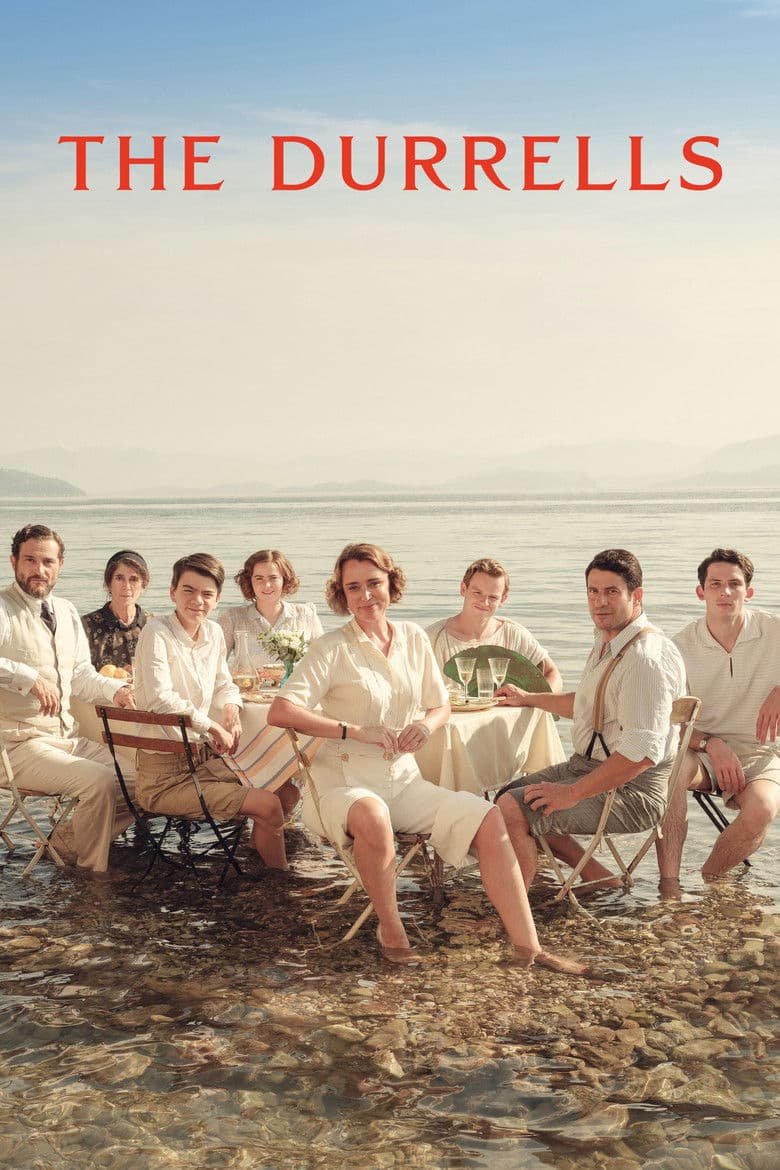
TV Show · 2016
In 1935, financially strapped widow Louisa Durrell, whose life has fallen apart, decides to move from England, with her four children (three sons, one daughter), to the island of…
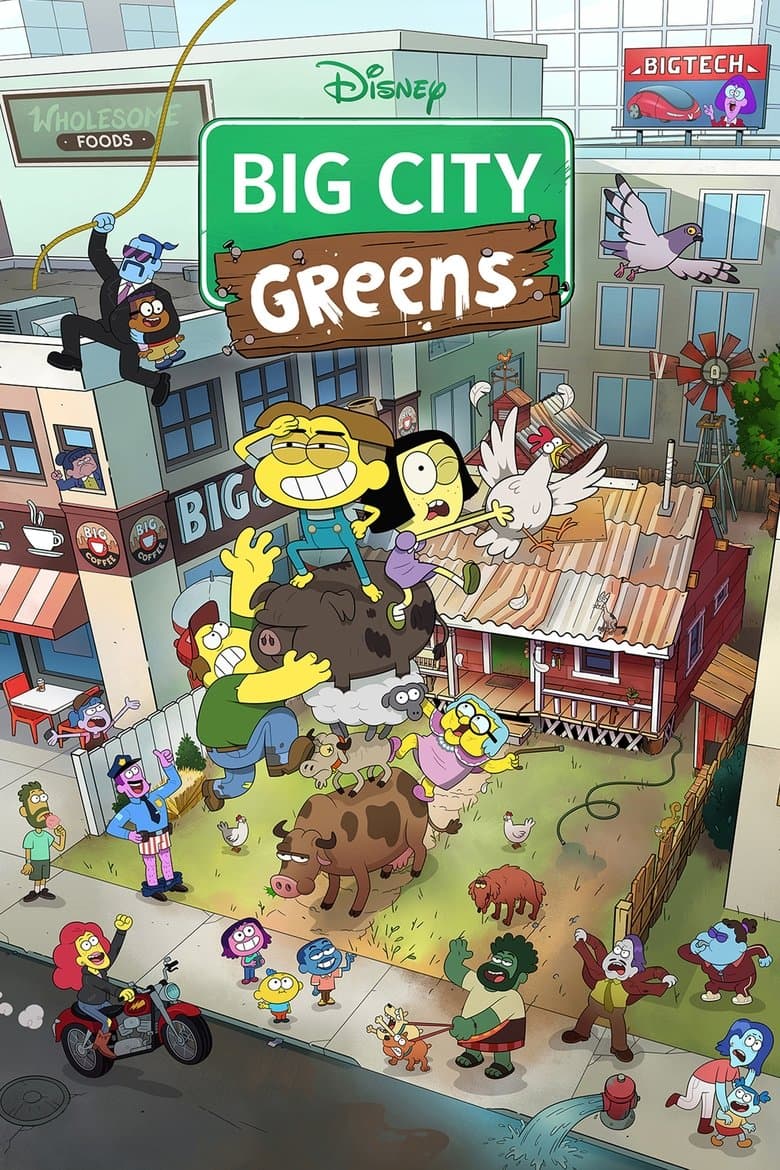
TV Show · 2018
The offbeat adventures of 10-year-old Cricket Green, a mischievous and optimistic country boy who moves to the big city with his wildly out of place family – older sister Tilly…
