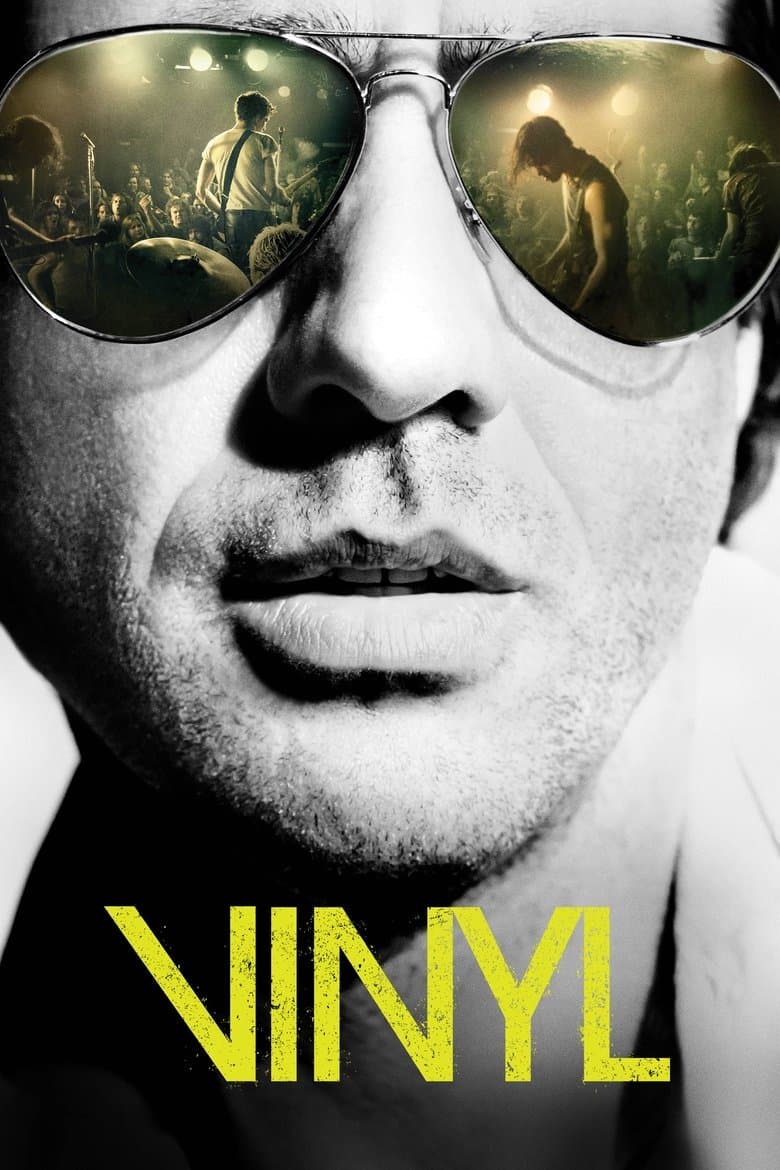
Started February 14, 2016 · Based on 1 season, 10 episodes · TV-MA · 60 min
Vinyl follows Richie Finestra, a New York record boss whose label is close to collapse in 1973. He wants to find new music, save his company, and keep his marriage alive after years of cocaine, drinking, cheating, and bad choices. His search takes him through punk, funk, disco, and the early hip-hop scene while police and mob trouble close in. The show uses a loud, dirty, fast style filled with old songs, famous musicians, sex, violence, and dark jokes.
The show includes a few clear identity-based story threads. Richie once used and ruined Lester Grimes, a black blues singer, and Lester later warns a young white punk band about the music business. Hannibal, a black funk star, is treated as a narrow R&B product, while women such as Jamie and Devon fight male control at work and at home. These points make race, sex, and power visible, but the story treats them as part of the 1970s music world instead of giving modern activist speeches, and the show has no queer-centered plot.
Community feedback
Was our 16% Woke rating accurate?
Breakdown
These are the editorial factors and ratings behind our score for Vinyl.
Woke representation / casting
Not present in this title.
0%
Woke political dialogue
Not present. No activist, political, or ideological speeches; dialogue stays on business, drugs, sex, ambition, and personal struggles.
0%
Identity-driven story themes
The show gives clear space to two identity issues. Richie ruins Lester Grimes’s career and sees black musicians being pushed into narrow roles. Jamie and Devon also face male control, sexual use, and blocked work choices. The story treats these harms as wrong, but it presents them as part of the 1970s music world and does not turn them into a modern activist lesson.
18%
Western institutional / cultural critique
The show presents the record business as a place where powerful men lie to artists, use women, and sort Black acts by market labels. Richie’s drug use, sexism, and deal-making are shown as damaging to his family and workers. The criticism stays inside a 1973 crime and music story, rather than attacking modern capitalism, religion, or Western institutions.
14%
Woke character or canon changes
Not present in this title.
0%
Anti-woke backlash and complaints
Not present in this title.
0%
Creator track record context
Some linked creatives have prior work with identity or social issues. Brian Koppelman and David Levien created Taylor Mason, a major non-binary character in Billions, while Peter Sollett made Freeheld and Nicole Kassell worked on Watchmen. The central Vinyl creators are mainly linked to music, crime, and period drama, and the show itself does not use those issues as a modern campaign.
17%
Production
TV Show · 2022
New York mafia capo Dwight "The General" Manfredi is released from prison after 25 years and exiled by his boss to set up shop in Tulsa, Oklahoma.
TV Show · 2021
Inspired by the true story of Marty and the therapist who turned his life around...then took it over. When he first meets Dr. Ike, Marty just wants to get better at boundaries.

TV Show · 2024
Fascinated by cars since childhood, Brazilian racer Ayrton Senna became a sports legend — until tragedy struck, changing Formula 1 forever.
TV Show · 2022
Oscar-winning producer Al Ruddy’s never before revealed experiences of making the iconic 1972 film The Godfather that Francis Ford Coppola directed and adapted with Mario Puzo.
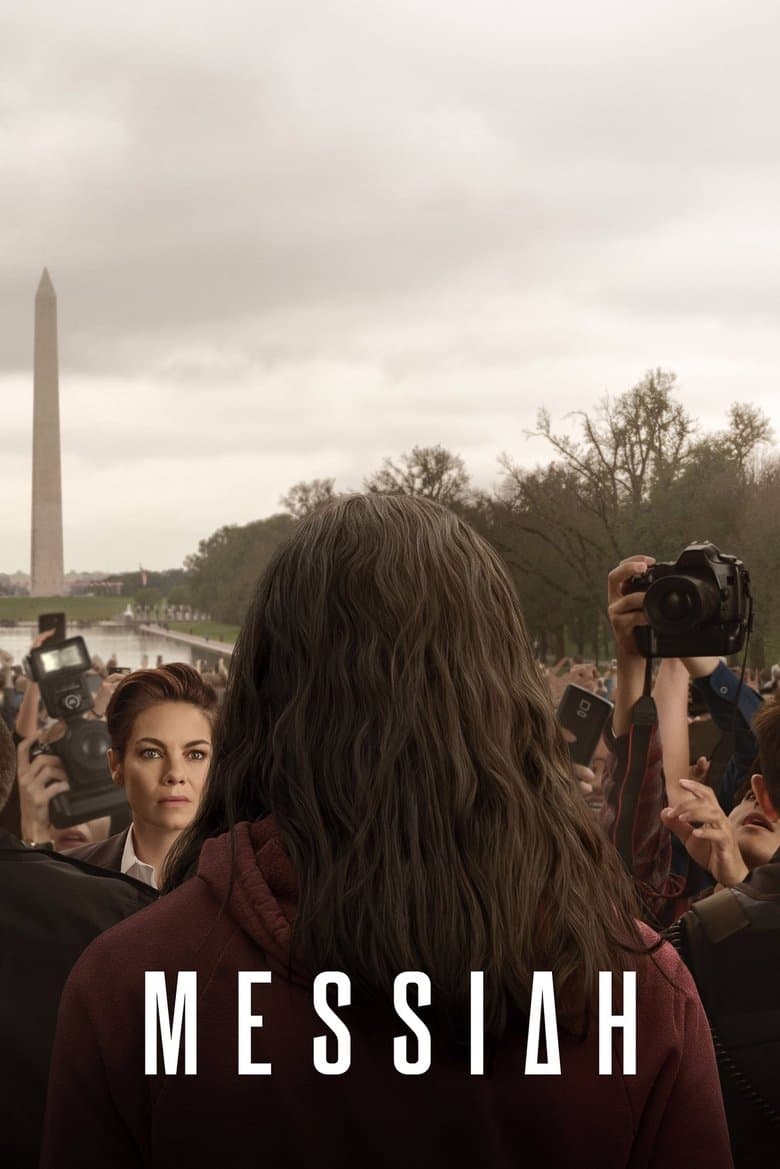
TV Show · 2020
A wary CIA officer investigates a charismatic man who sparks a spiritual movement and stirs political unrest. Who exactly is he? And what does he want?
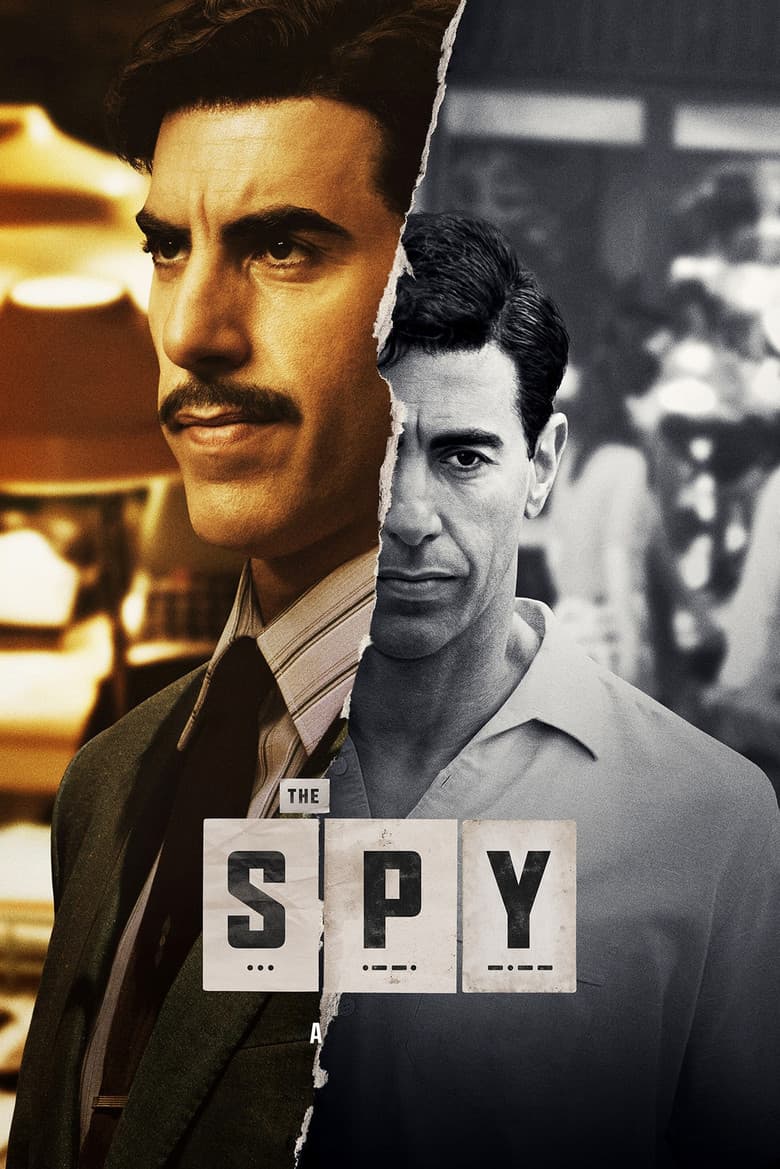
TV Show · 2019
In the 1960s, Israeli clerk-turned-secret agent Eli Cohen goes deep undercover inside Syria on a perilous, years-long mission to spy for Mossad.
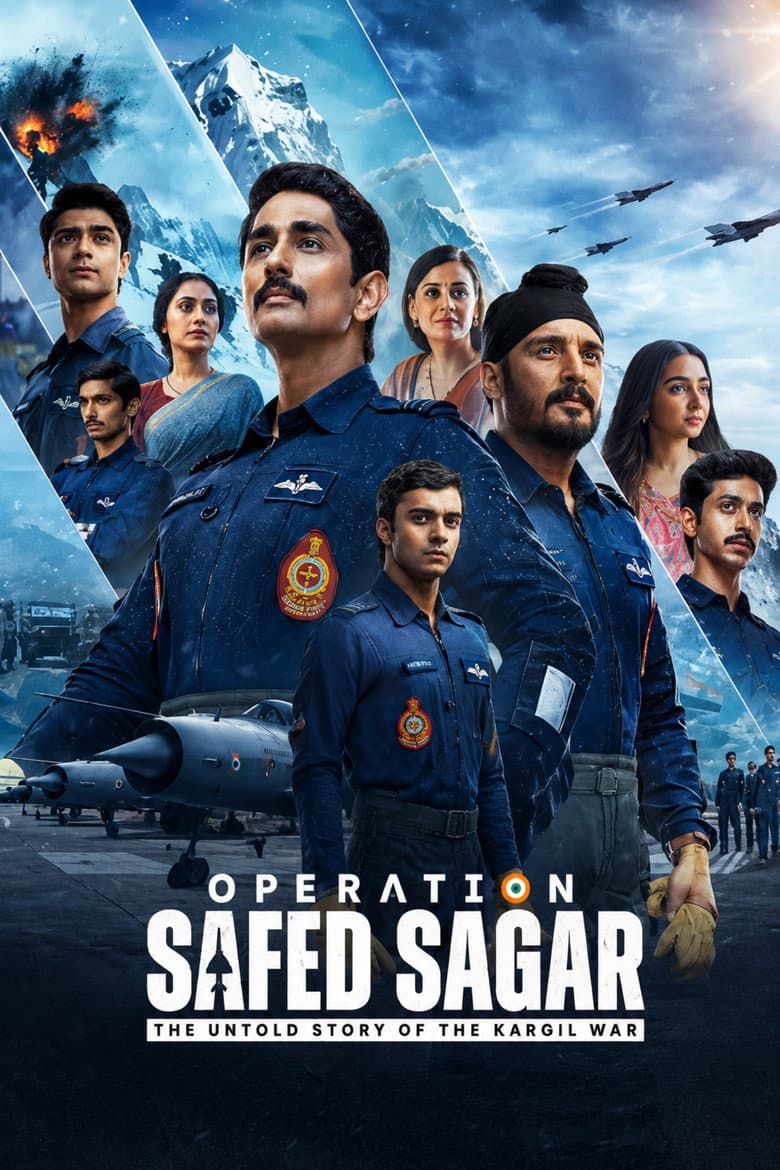
TV Show · 2026
As the Kargil War erupts between India and Pakistan, the Golden Arrows squadron of the Air Force takes flight on a dangerous mission behind enemy lines.
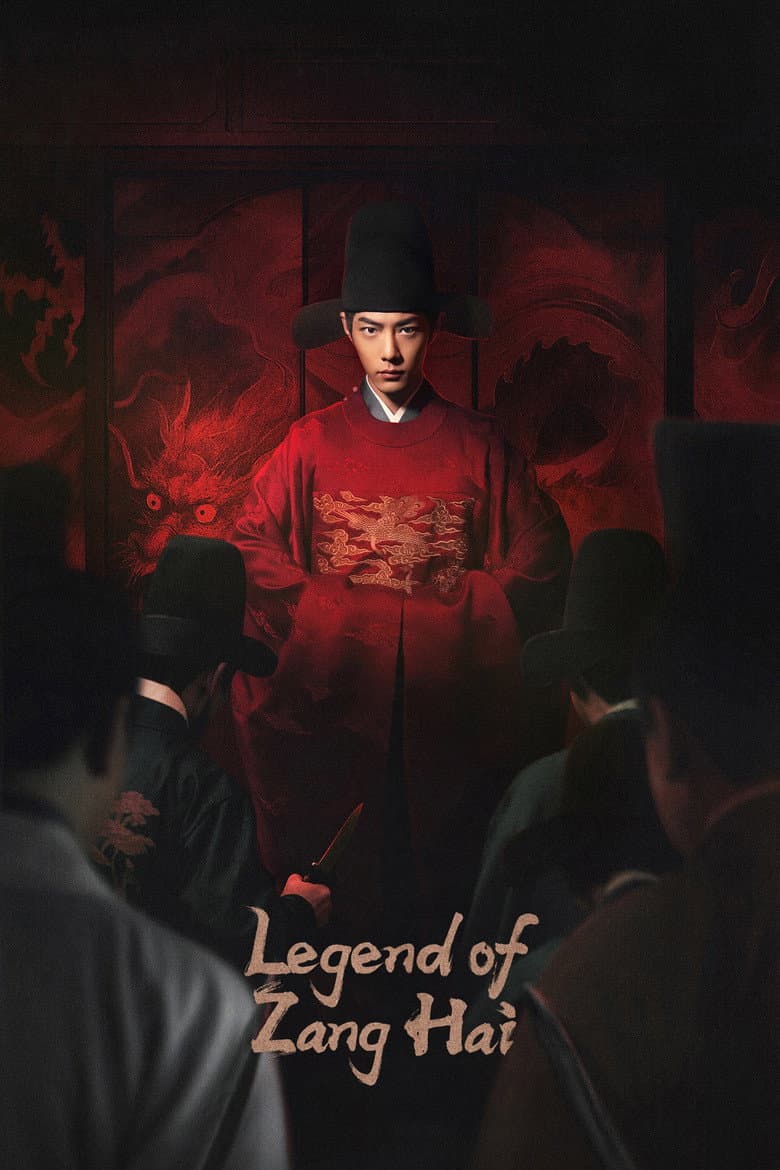
TV Show · 2025
"Legend of Zang Hai" follows the son of Imperial Astronomer Kuai Duo. Consumed by vengeance, he spends a decade honing his skills.
