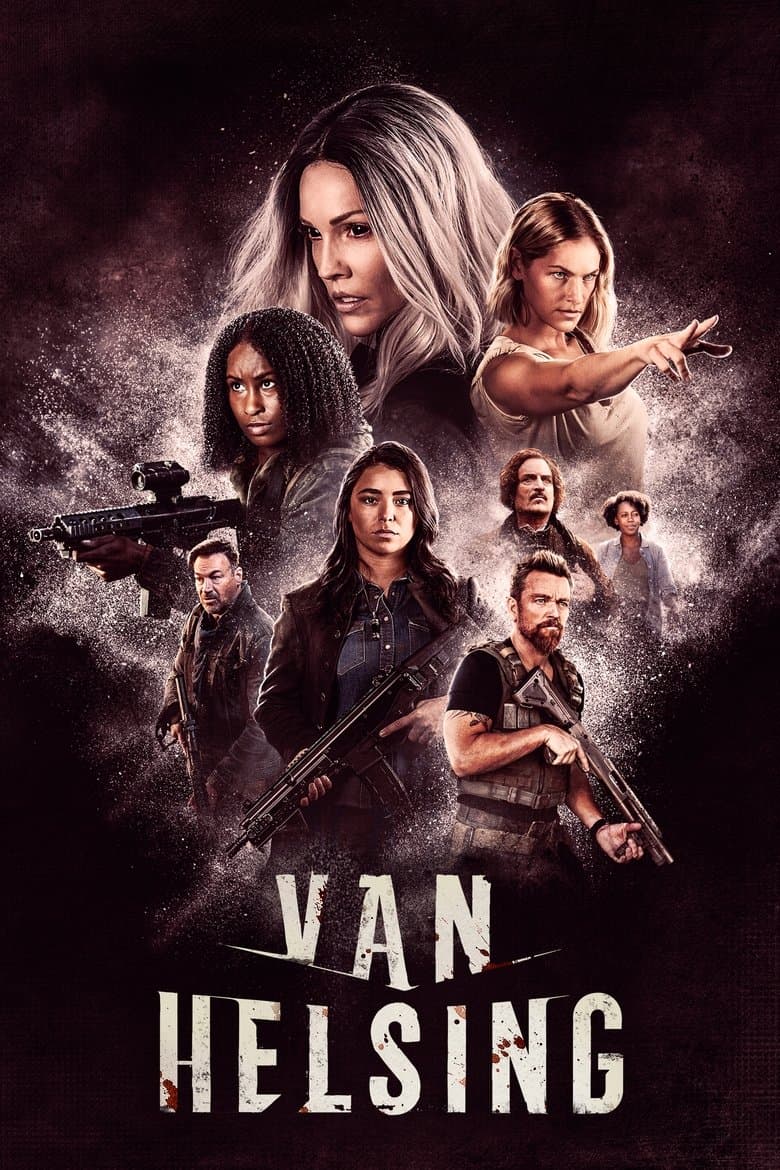
Started September 23, 2016 · Based on 5 seasons, 65 episodes · TV-14 · 42 min
Van Helsing is a five season TV series set in a post apocalyptic America overrun by vampires. Vanessa Van Helsing sits at the center and is framed as humanity’s last hope. Her bloodline and powers drive a long fight full of survival stakes and vampire politics. Later seasons move more toward her daughters and a female Dark One who takes Dracula’s place. The story stays rooted in action and resistance rather than pure mystery.
Viewers also see clear modern identity choices on screen. The show builds a female savior line and a strong women power fantasy with Vanessa, Scarlett, the Sisterhood, and other female leaders. Queer relationships run across seasons, including Mike and Chad, Doc and Jolene, and Jack and Ivory, with Vanessa also shown in a bi coded plot with Susan. Classic Van Helsing becomes female Vanessa, and Dracula becomes Countess Olivia, which is an open change from the old male canon. Race theory and long political sermons are not the main point, but female empowerment and queer presence stay visible and grow later.
Community feedback
Was our 65% Woke rating accurate?
Breakdown
These are the editorial factors and ratings behind our score for Van Helsing.
Woke representation / casting
Female Vanessa is the show’s center as humanity’s last hope. The main cast also includes Black scientist Doc, later Black Van Helsing daughter Violet, and a wider diverse ensemble. The modern ruined U.S. setting can support that mix. Still, female leaders and strong minority roles show up often enough that viewers notice them beyond pure plot need.
48%
Woke political dialogue
Most talk is about survival, vampire power, and action. There is little clear modern DEI or systemic oppression speech on screen. Empowerment talk shows up more in interviews than as on-screen lectures. Faith debates stay spiritual rather than activist.
12%
Identity-driven story themes
The core idea is a female Van Helsing savior line and a long women-power story with Vanessa, Scarlett, the Sisterhood, a female Dark One, and daughters built to destroy Dracula. Queer couples and pairings run across seasons and are not small side notes. The show is not mainly race or systemic identity theory, but female power and queer presence are clear and grow later.
52%
Western institutional / cultural critique
Vampire rule, Blak-Tek, and Dracula as a stand-in president read as normal dystopian corruption. They do not play as modern attacks on whiteness, patriarchy, colonial guilt, or capitalism. Faith shows up as character debate, not a long anti-Christian message. The mild signal is the push away from classic male-hero defaults.
15%
Woke character or canon changes
The series clearly remakes famous figures by gender. Van Helsing becomes female Vanessa, and Dracula becomes Countess Olivia with brides and an all-female Sisterhood. The idea draws from Zenescope’s female Helsing comics, so it is not invented from nothing. Viewers still see a deliberate identity change to classic male Van Helsing and Dracula canon.
62%
Anti-woke backlash and complaints
Pushback is real but small and mostly fan-niche. Reddit users called out LGBTQ density, SJW framing, and forced diversity. Some IMDb-style posts said equality messaging crushed the story. There was no big mainstream anti-woke news storm.
28%
Creator track record context
The creative team scores mostly low to moderate on track record. LaBute is known more for dark, anti-PC gender work than for progressive activism, yet he backed female Van Helsing, female Dracula, and diverse casting. Walker and later writers do not show a strong activist pattern. This is supporting context, not a hard-left brand.
30%
Production
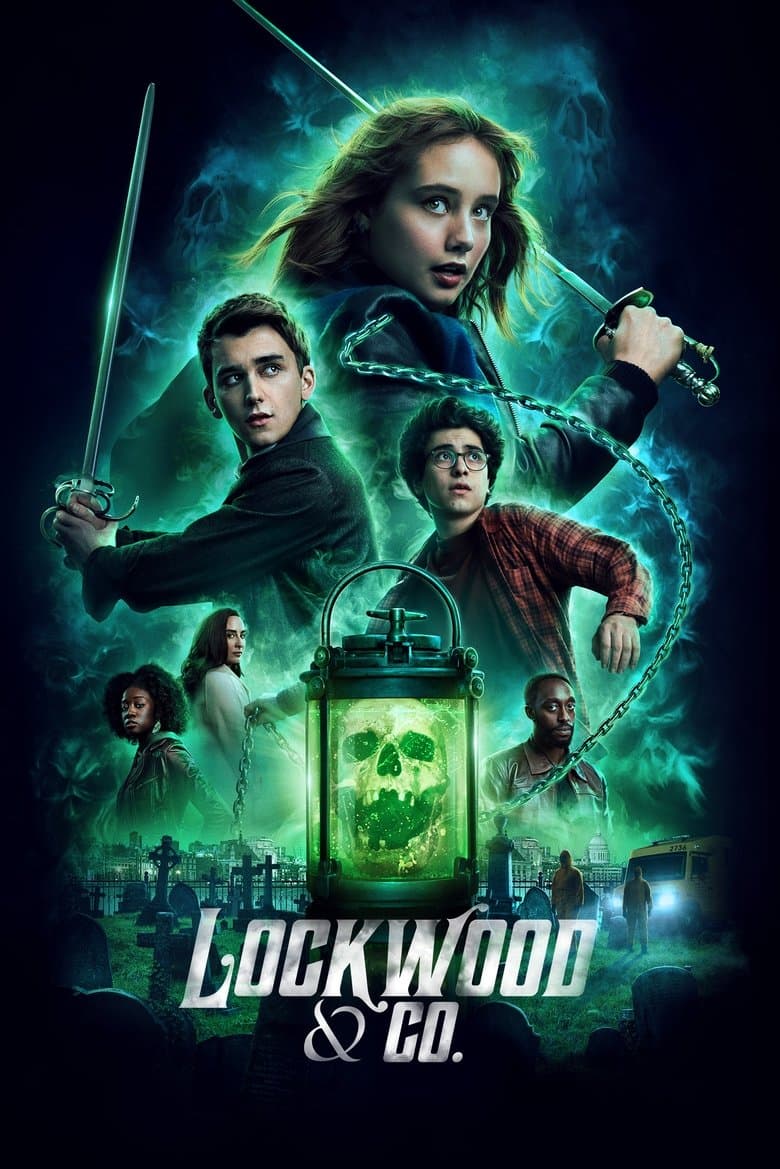
TV Show · 2023
A girl with extraordinary psychic abilities joins two gifted teen boys at a small ghost-hunting agency to fight the many deadly spirits haunting London.
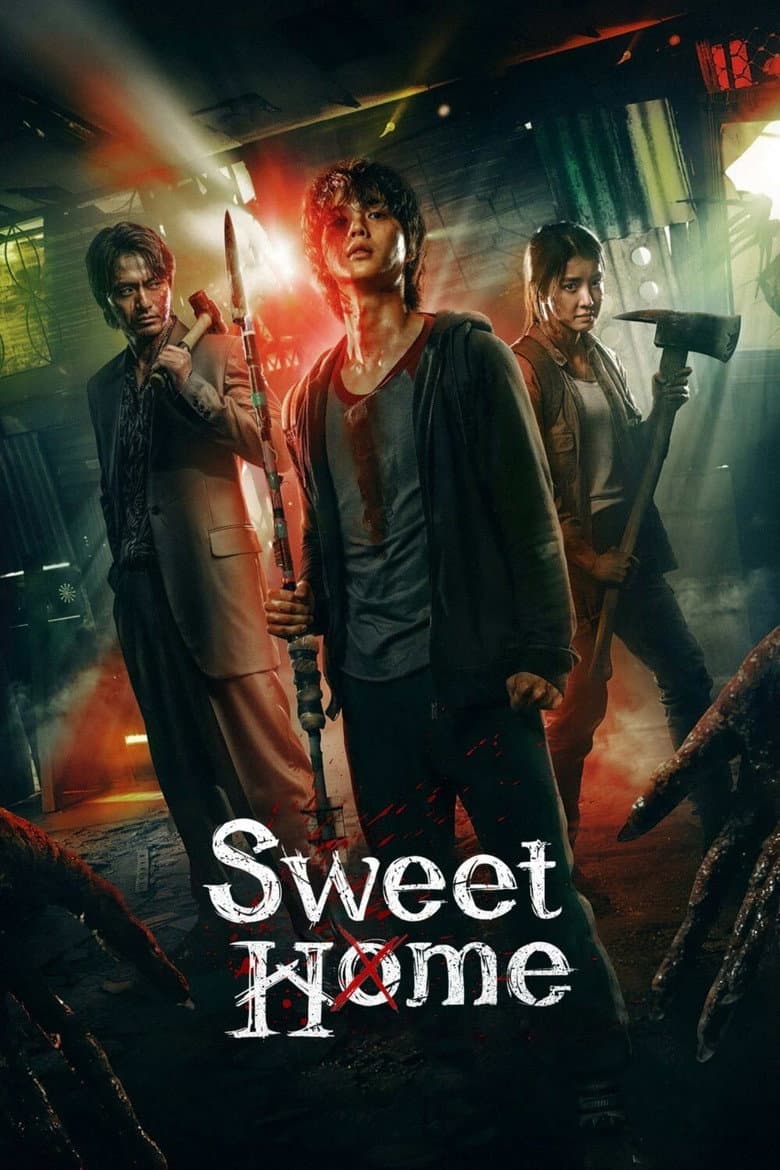
TV Show · 2020
As humans turn into savage monsters and the world plunges into terror, a handful of survivors fight for their lives — and to hold on to their humanity.
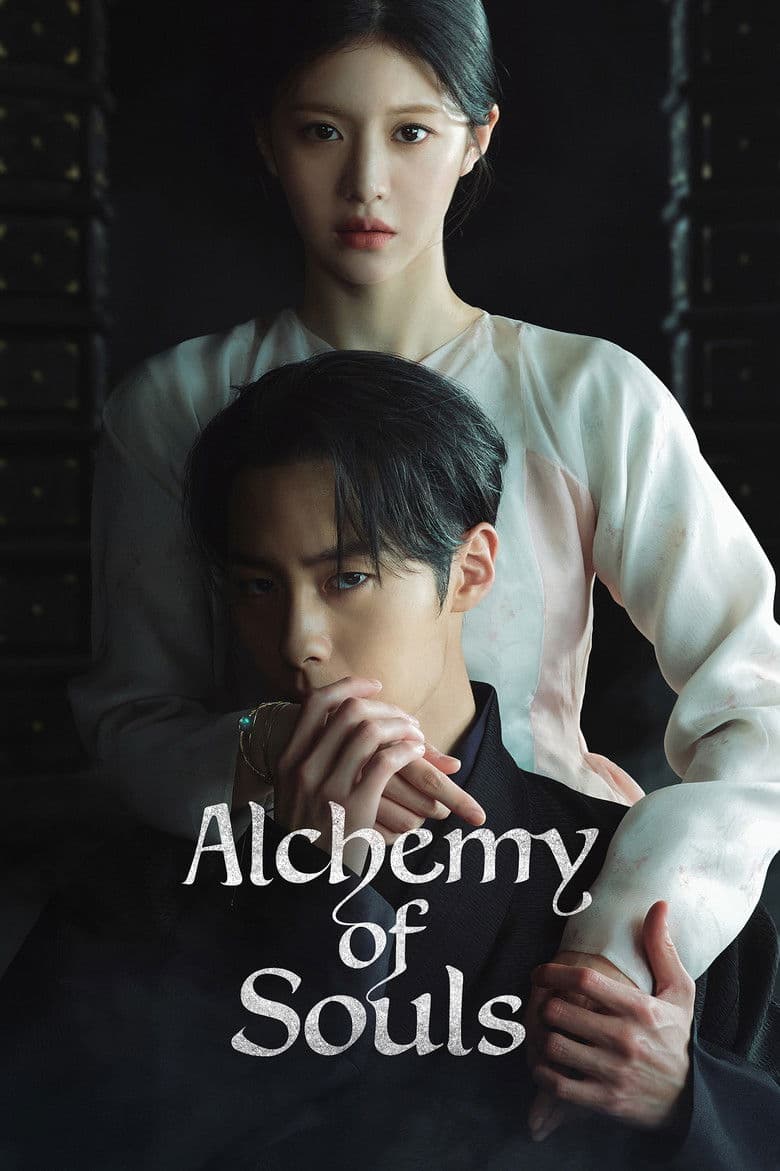
TV Show · 2022
A powerful sorceress in a blind woman's body encounters a man from a prestigious family, who wants her help to change his destiny.
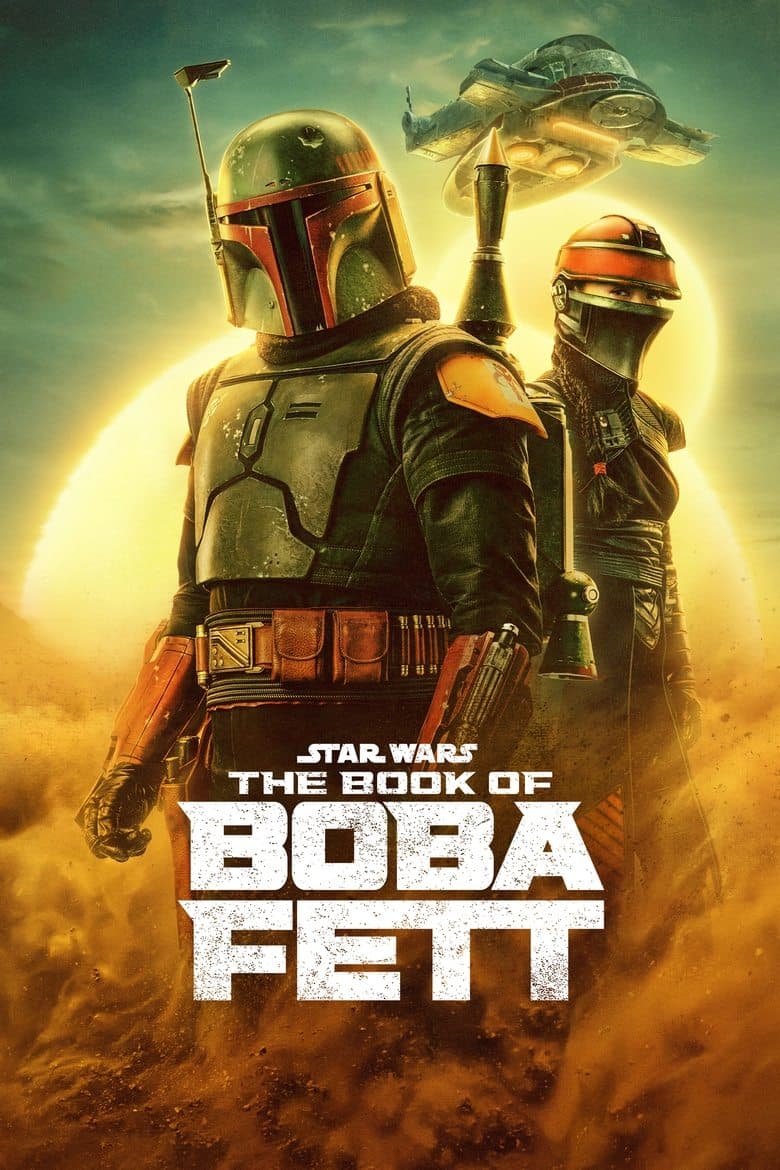
TV Show · 2021
Legendary bounty hunter Boba Fett and mercenary Fennec Shand must navigate the galaxy’s underworld when they return to the sands of Tatooine to stake their claim on the territory…
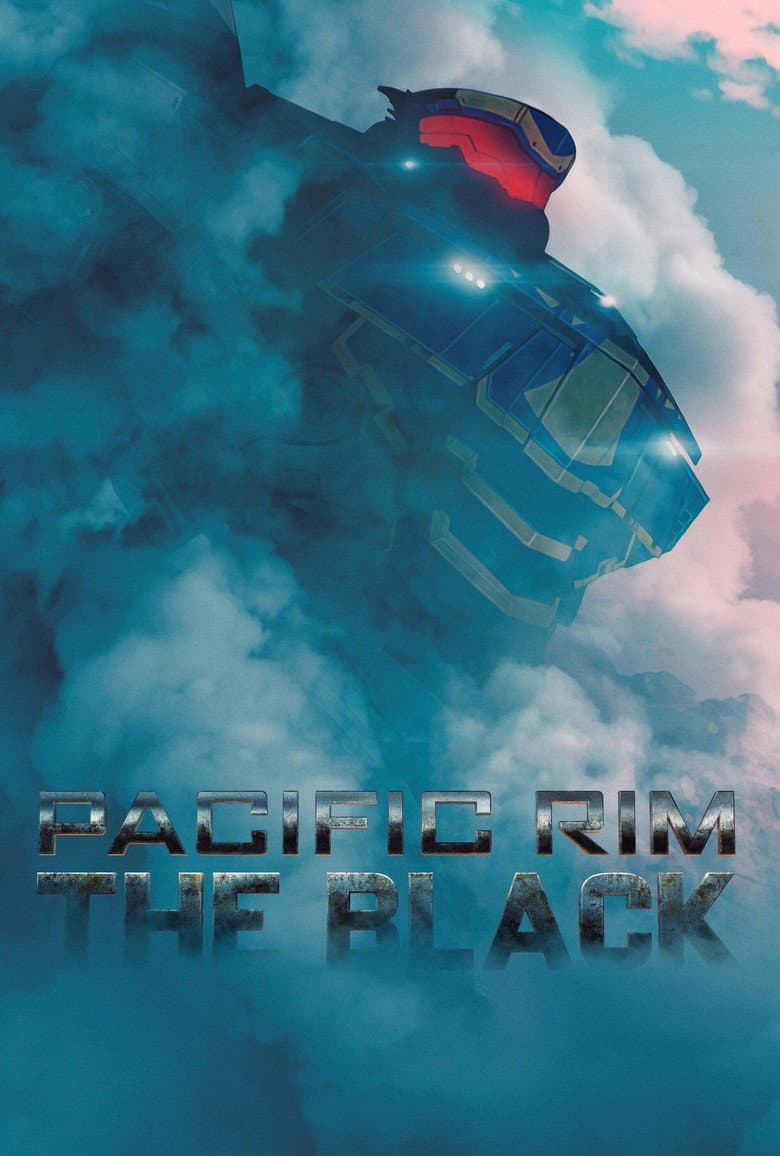
TV Show · 2021
Two siblings - an idealistic teenage boy and his naive younger sister - are forced to pilot an abandoned Jaeger across a hostile landscape in a desperate attempt to find their…
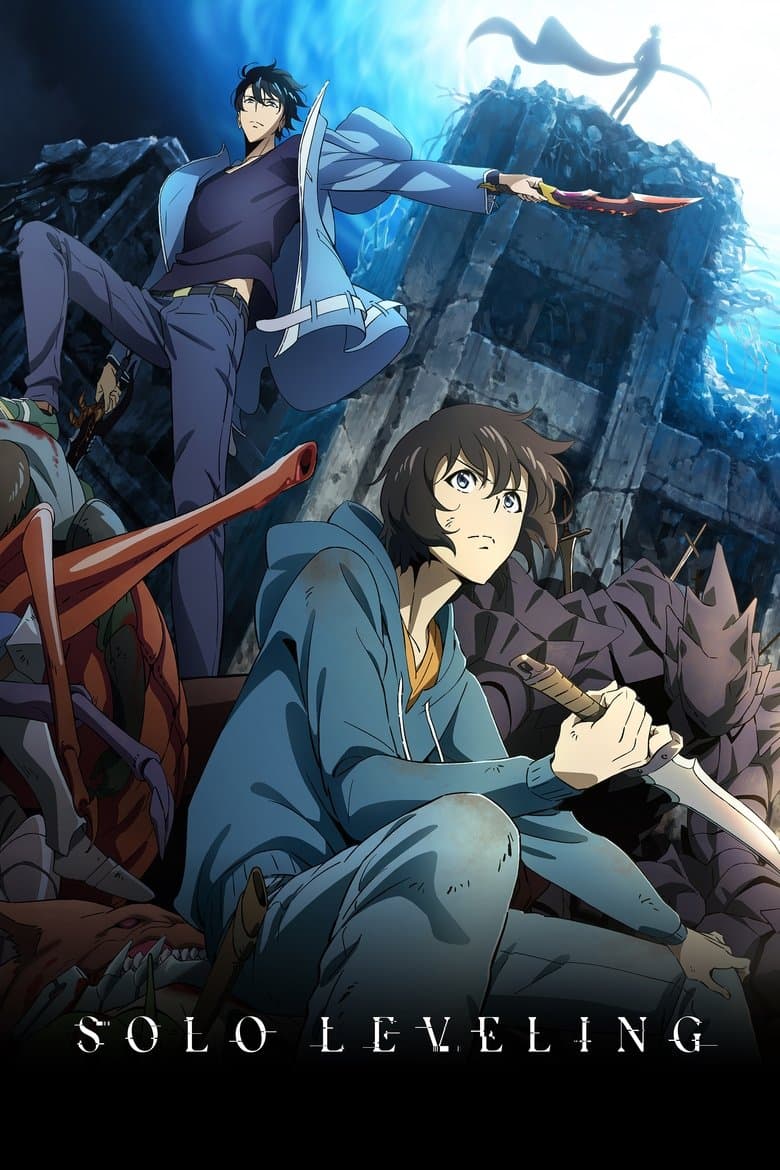
TV Show · 2024
They say whatever doesn’t kill you makes you stronger, but that’s not the case for the world’s weakest hunter Sung Jinwoo.
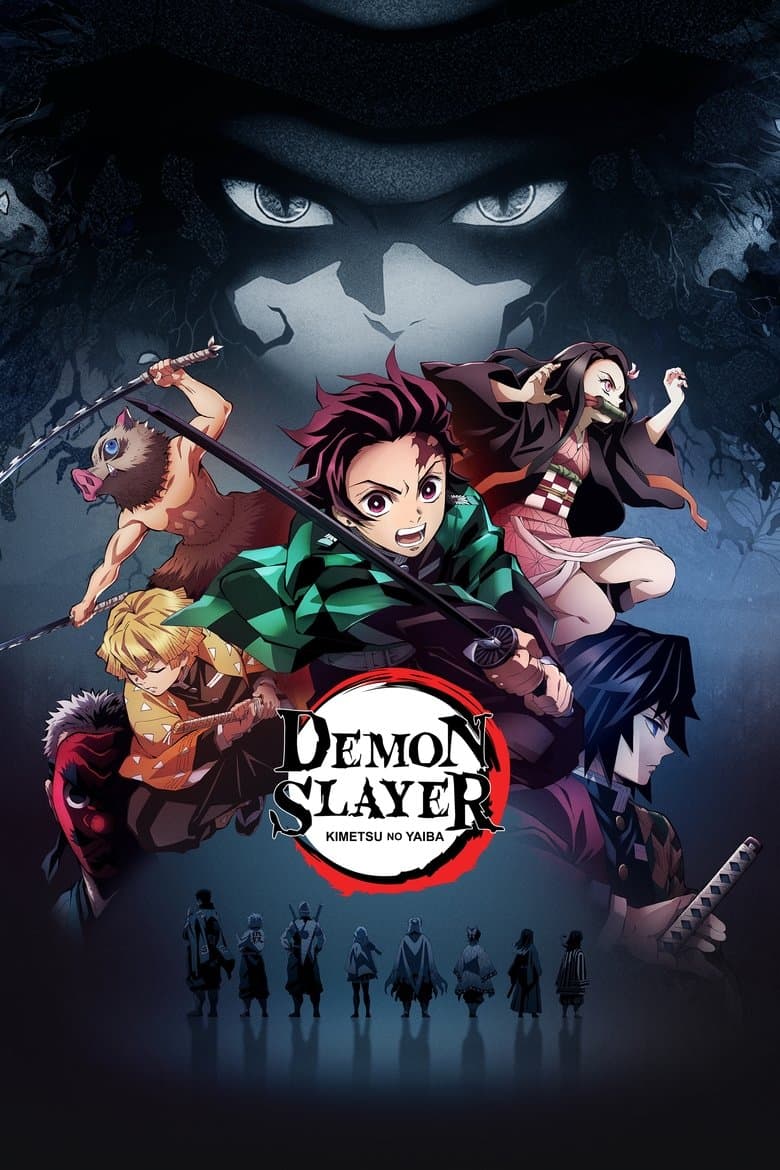
TV Show · 2019
After a demon attack leaves his family slain and his sister cursed, Tanjiro embarks upon a perilous journey to find a cure and avenge those he's lost.
TV Show · 2016
Shigeo Kageyama, a.k.a. "Mob," is a boy who has trouble expressing himself, but who happens to be a powerful esper.
