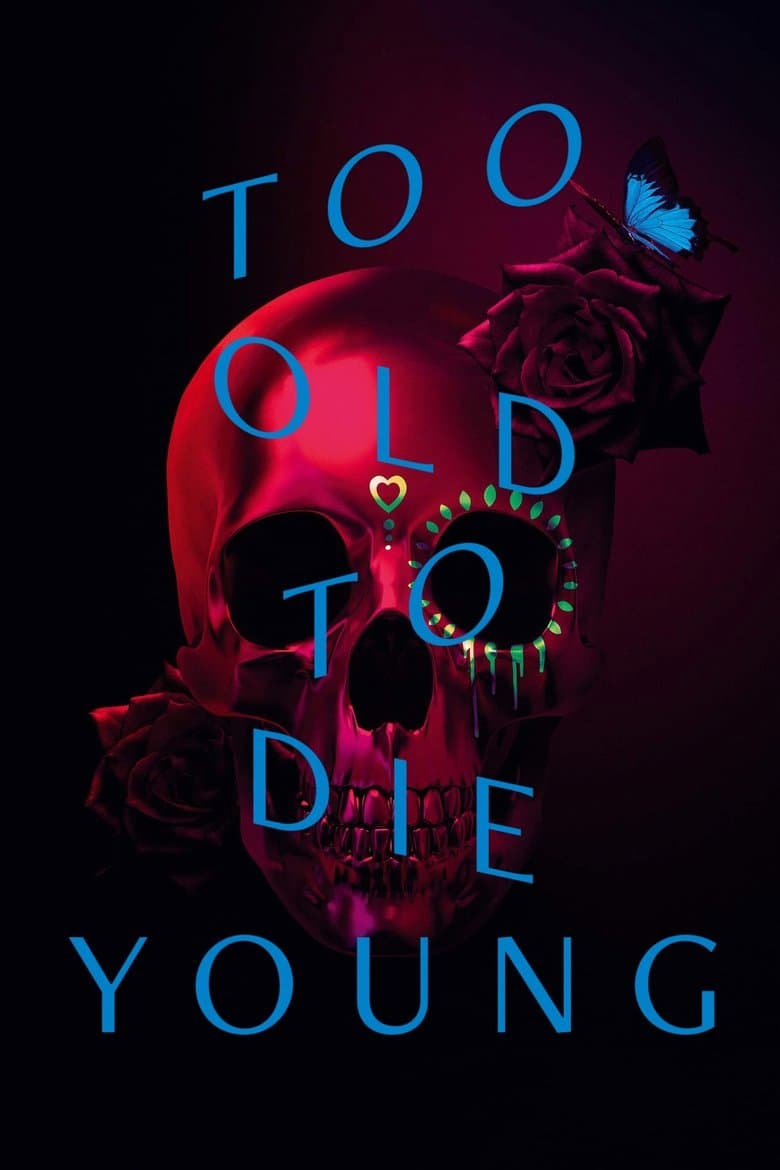
Started June 10, 2019 · Ended · Based on 1 season, 10 episodes through June 10, 2019 · TV-MA
Too Old to Die Young follows Martin Jones, a Los Angeles sheriff’s deputy who lives a double life. After his partner is killed, Martin works with gangs and hired killers while he hunts people he thinks deserve to die. His path crosses with Jesus Rojas, a cartel heir, and Viggo Larsen, a sick former FBI agent who also kills child abusers. The ten episodes move from Los Angeles to Mexico and New Mexico, with long silences, neon light, strange visions, and extreme violence.
The show gives a large place to women who answer sexual violence with their own violence. Diana DeYoung, a victims’ advocate with visions, sends Viggo after child abusers, while Yaritza frees abused women and kills cartel men. Yaritza later becomes the High Priestess of Death, and the last episodes place her and Diana above the fallen male characters. The show also presents corrupt police, praise for fascism, fear of social collapse, and attacks on male power, but these ideas appear inside a strange revenge tale rather than a clear modern campaign.
Community feedback
Was our 52% Woke rating accurate?
Breakdown
These are the editorial factors and ratings behind our score for Too Old to Die Young.
Woke representation / casting
The show does not use a clear diversity-first cast or identity slogan. It gives two prominent women, Diana and Yaritza, control over revenge killings while many male characters serve as corrupt or violent targets. That repeated female dominance is visible, but the ethnic casting mostly fits the Los Angeles and Mexican crime setting.
22%
Woke political dialogue
The police lieutenant leads a chant of fascism and gives the officers far-right rhetoric. Viggo says global warming and rising fascism will bring social collapse. A later police play uses patriotic language about Jesus and America. These ideas recur across the season, but the show does not build a detailed party or identity campaign around them.
34%
Identity-driven story themes
Diana is a victims’ advocate who chooses men for vigilante killings. Yaritza frees women from sexual abuse, kills cartel men, and builds the legend of the High Priestess of Death. The final episodes center these women after Martin and other male figures are killed. The show repeatedly treats female revenge and male sexual violence as major parts of its moral story, although it uses horror and fantasy more than direct activist speech.
49%
Western institutional / cultural critique
The police force protects its image while Martin is corrupt and other officers praise fascism. The show links male power with police abuse, sexual exploitation, and rich people who treat others as objects. Diana and Yaritza seek justice outside the law because the institutions around them are rotten. The criticism returns through the season, but it does not focus on race, capitalism, or a named political movement.
46%
Woke character or canon changes
Not relevant. The show is an original crime story. It does not change established characters, canon, or real historical figures.
0%
Anti-woke backlash and complaints
Not present. The supplied X pass found no anti-woke complaints or campaign. Wider reviews focused on pacing, graphic violence, sexual violence, and style.
0%
Creator track record context
Halley Wegryn Gross is an openly queer writer whose past work centers queer women. Nicolas Winding Refn is mainly tied to stylized crime and horror, and Ed Brubaker has no clear modern activist record. Refn said the show grew from his reaction to the 2016 election. The mixed team gives this factor a moderate score.
45%
Production
TV Show · 2017
Detective John Cardinal attempts to uncover the mystery of what happened to the missing 13-year-old girl whose body is discovered in the shaft-head of an abandoned mine.
TV Show · 2019
Within the walls of an interrogation room, London investigators question suspects accused of grievous crimes until the truth comes to light.
TV Show · 2021
In a small Michigan town where the business of incarceration is the only thriving industry, the McClusky family are the power brokers between the police, criminals, inmates…
TV Show · 2019
Gypsy Blanchard struggles to deal with the toxic relationship with her overprotective mother, but her attempts to free herself lead to murder.
TV Show · 2019
Two detectives are dispatched to investigate the murder of a young girl on the outskirts of Dublin, but as the case of the missing children intensifies, both are forced to…
TV Show · 2024
Through the eyes of various Irish Republican Army (IRA) members, explore the extremes some people will go to in the name of their beliefs, the way a deeply divided society can…
TV Show · 2019
The origin story of Bruce Wayne's legendary butler, Alfred Pennyworth, a former British SAS soldier who forms a security company in 1960s London and goes to work with young…
TV Show · 2018
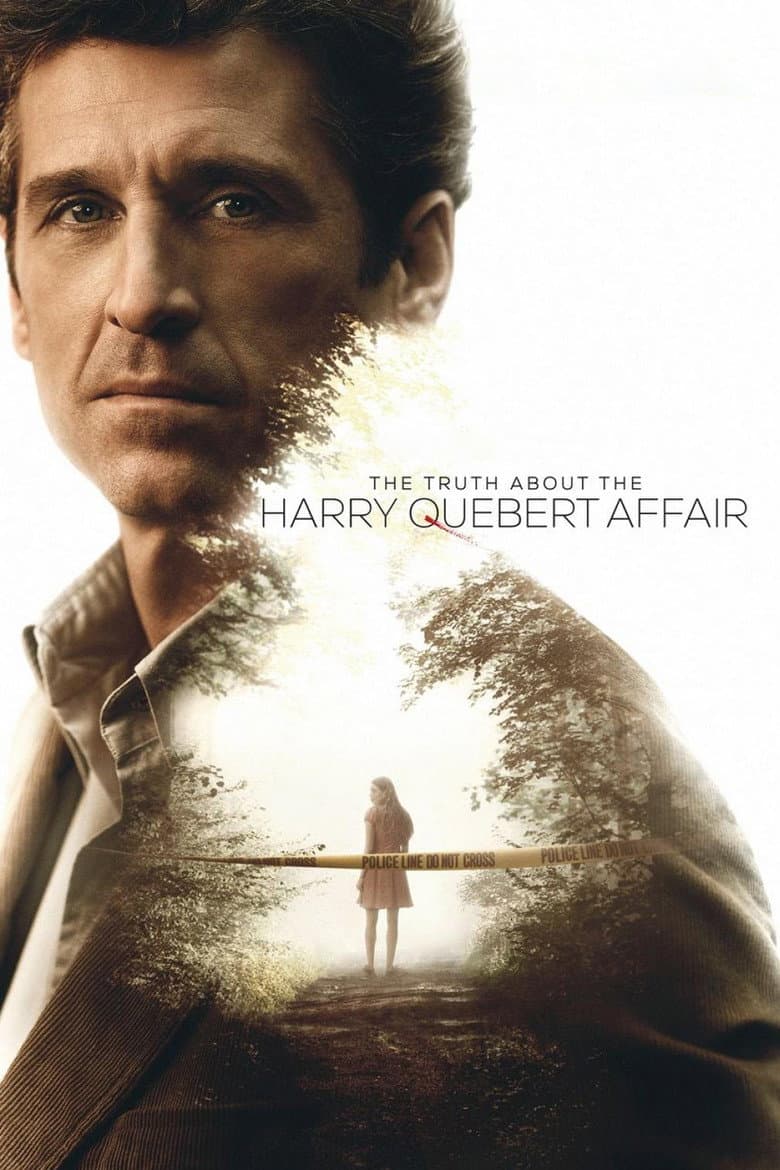
A writer gets caught up in a murder investigation involving his mentor, an esteemed American author. Based on the book of the same name, by Joël Dicker.
